

Introduction: Why Landed Cost Matters More Than Ever for Importers
When buying goods overseas, the actual price goes far beyond the sticker tag. Every importer—whether sourcing t-shirts or electronics—needs to calculate landed cost: the full, real total bringing a product to your warehouse. Calculating Landed Cost: The True Price of Importing isn’t just a financial exercise; it’s a must for pricing decisions, margin protection, and avoiding costly surprises. By understanding this process, you’ll turn vague estimates into actionable strategies and unlock clarity at every step in supply chain management.
What Is Landed Cost? Unpacking the Complete Formula
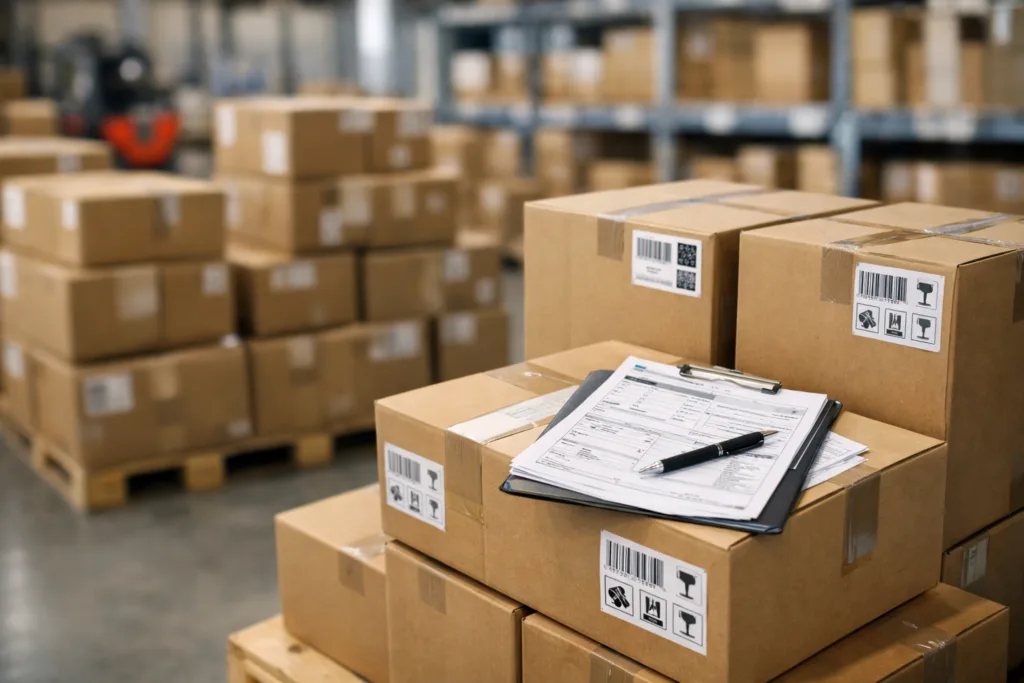
Landed cost is the sum of all expenses incurred to import products and deliver them to your warehouse. This includes the FOB price, freight, customs duties, taxes, insurance, and any other charges. Unlike a FOB quote (which only covers the product until it’s loaded onto the export carrier), landed cost shows the true price you pay per unit for importing.
| Component | Typical Cost Elements |
|---|---|
| FOB Price | Factory direct cost (product, packing, export docs) |
| Freight | Ocean, air, trucking—includes fuel, surcharges |
| Customs Duties & Taxes | Import tariff, VAT/GST, other regulatory fees |
| Insurance | Cargo, marine, third-party risks |
| Miscellaneous Fees | Brokerage, port charges, storage, inland logistics |
FOB Price: The Foundation of Import Costing
The FOB (Free On Board) price forms the core of your landed cost calculation. It’s the negotiated price from the manufacturer, covering the goods, export packaging, and paperwork until handed to the carrier at the port. To avoid disputes, confirm all inclusions with your supplier. For example, when Ninghow Apparel quotes a FOB price, you can rely on accurate packing, labeling, and export docs—essential for smooth customs clearance and predictable landed costs.
How to Negotiate FOB Pricing for Apparel
FOB pricing is not set in stone. Factors like fabric selection, stitching quality, and order quantity impact cost. Experienced manufacturers disclose these elements openly, promoting cost transparency. For more on negotiating unit prices, see our guide on Smart Cost Breakdown Strategies.
Freight: Your Next Biggest Variable
Freight costs depend on method (ocean vs. air), volume, weight, and route. For apparel, ocean freight is often most economical, but air makes sense for urgent, lightweight shipments. It’s vital to track market trends and fuel surcharges, as rates fluctuate seasonally.
Choosing Freight Forwarders: Practical Tips
Review forwarder reputation, service coverage, digital tracking, and hidden fees. Some forwarders include customs brokerage in their service—others charge extra. If you need to compare options, see our advice in Domestic vs. Overseas Manufacturing Showdown.
Customs Duties, Freight Taxes, and Local Surcharges
Import duties and taxes can shift landed cost by as much as 20%. They depend on HS code classification, country of origin, and trade agreements. Correctly classifying goods is vital—a wrong HS code can spike your duty rate or cause delays.
How to Calculate Duties and Taxes
Tariff formulas vary by country. Most base duty calculation on CIF value (Cost + Insurance + Freight). Include all relevant surcharges: VAT/GST, anti-dumping, port fees, etc. For step-by-step breakdowns, visit our Quality Control Services page for insight on documentation and compliance.
Insurance: Protecting Against the Unexpected
Cargo insurance typically costs between 0.3%–0.7% of shipment value. While not mandatory, insurance covers loss, theft, and damage. Don’t skip it—especially for higher-value goods or risky routes (e.g., Southeast Asia to Europe during storm season).
Choosing the Right Insurance Coverage
Opt for broad coverage (“All Risks”) for new, fragile, or customized items, and basic coverage for bulk, standard products. Compare providers, not just price, but service in claims processing.
Hidden Fees: Brokerage, Port Charges, and Final Delivery
Smaller importers often overlook local port fees, storage, and customs brokerage charges—which can add several dollars per unit. Model these variables early, so your landed cost calculator is accurate.
Total Cost of Ownership: Beyond Just Landed Cost
Landed cost is just the beginning. Your total cost of ownership also includes storage, internal logistics, inventory risk, and potential QC surcharges. For those sourcing customized garments, consider sizing calibration and label compliance—remember, Ninghow Apparel always includes fit checks and labeling to help avoid post-landing rework costs.
Sample Landed Cost Calculation: Step-by-Step Example
Let’s calculate the landed cost for a shipment of custom polo shirts:
- FOB Price: $6.00 (per shirt, packed and labeled)
- Freight: $0.80 (ocean, per unit)
- Insurance: $0.10 (per unit, all risks)
- Customs Duty: $0.90 (per shirt, at 12% rate)
- VAT: $0.70 (per shirt, 10%)
- Brokerage & Port Fees: $0.50 (per unit)
Total Landed Cost: $6.00 + $0.80 + $0.10 + $0.90 + $0.70 + $0.50 = $9.00 per shirt
Landed Cost Calculator: Tools for Accurate Import Costing
Online landed cost calculators help automate these steps and reduce manual calculation errors. Key features include HS code lookup, trade agreement adjustments, and real-time freight rates. Choose calculators that let you input multiple cost categories and simulate scenarios (e.g., changing freight mode or duty rate).

| Calculator Feature | Why It Matters |
|---|---|
| HS Code Lookup | Ensures correct duty classification |
| Real-Time Freight Rates | Reflects current market conditions |
| Scenario Analysis | Test different sourcing options |
| Currency Updates | Avoids FX surprises |
| Fee Inclusion | Models storage, brokerage, last-mile costs |
Cost Breakdown by Incoterms: EXW, FOB, CIF, DDP Compared
Incoterms define who pays what, where, and when. Key breakdowns:
- EXW (Ex Works): Buyer covers all export, freight, insurance, duties—a high-control, high-risk option.
- FOB: Seller handles export clearance and delivery to port; buyer pays onward shipping, insurance, customs.
- CIF (Cost, Insurance, Freight): Seller pays up to arrival port; buyer handles import clearance, duties, last-mile.
- DDP (Delivered Duty Paid): Seller covers every expense, including duty and delivery to buyer’s warehouse—low-risk for buyer, but typically carries a premium.
The Role of Sourcing Countries: How Origin Affects Cost
Country of origin matters not just for duties, but for freight, insurance, and lead times. For instance, shipping from China to Europe incurs higher ocean freight and slower delivery compared to Turkey to Europe. Also, trade agreements can lower tariffs—check if your sourcing country has preferential trade status.
Garment Manufacturing: Specific Landed Cost Challenges
Apparel importers face intricacies: MCQ (Minimum Color Quantities), labeling compliance, and special fabric tariffs. Defective garment risk, especially in high-volume shipments, can cause costly sorting/rework on arrival. That’s why some brands partner with factories emphasizing fit accuracy and consistent QC, like Ninghow Apparel does for its private label clients.
How Fabric, Packing, and Customization Impact Landed Cost
Premium fabrics, custom tags, and special packing add to upfront price, but can also affect duties—some countries apply higher rates to synthetic blends or branded garments. Always break down specs in your landed cost calculator.
Common Mistakes in Landed Cost Calculations (and How to Avoid Them)
- Overlooking hidden fees: Always include storage, port charges, brokerage.
- Wrong HS code: Leads to unexpected tariff jumps.
- Ignoring surcharges: Seasonal freight peaks and fuel extras can shift your cost.
- Using outdated duty rates: Customs rules change frequently.
- Assuming uniform insurance: Negotiate coverage based on route and product specifics.
Sourcing Strategies: Lowering Your Landed Cost
Optimizing landed cost starts with flexible sourcing—consolidate orders, adjust fabric blends, use nearshore suppliers, or negotiate freight contracts. For startups, low-MOQ suppliers can help manage inventory risk, though they may charge per-unit premiums. For tactical tips, read our guide on Survival Tactics to Launch with Low Budget and Small Quantities.
Quality Control and Landed Cost: Hidden Links
Well-run QC prevents expensive defects, delays, and regulatory non-compliance. Spot checking pre-shipment is cheaper than returning faulty goods. Ninghow Apparel’s production teams rely on strict pattern accuracy and stitch consistency to ensure first-time-pass rates—reducing the risk of landed cost surprises.
Currency, Insurance, Seasonality: Managing Risks in Landed Cost
Exchange rate swings, insurance gaps, and holiday-related surcharges are all common risks. Lock in currency rates where possible and confirm all insurance certificates before shipping. Plan ahead for peak seasons—freight can double during global rush months.
Tools, Templates, and Process: Standardizing Landed Cost Calculation
Use spreadsheets or digital tools to standardize landed cost calculations. Create templates with category breakdowns so you can compare offers rapidly and spot changes fast. Always record actual vs. forecasted costs post-delivery to update your calculator for next shipments.
Building Your Landed Cost Checklist
- Confirm FOB quote details
- Get full freight estimate (with all surcharges)
- Break down customs duties (HS code, trade agreement impact)
- Check local taxes/VAT
- Include brokerage and port storage
- Add insurance cost and review coverage details
- Model currency risks
- Adjust for seasonality, peak periods
- Validate QC and compliance before shipping
Real-World Examples: Apparel Brand Landed Cost Stories
Brands sourcing in Asia frequently discover hidden fees in port storage and customs delays, pushing up landed cost by 8–15%. In Europe, trade agreements can slash duty rates, but only if documentation is correct. One client worked with Ninghow Apparel to streamline packaging and minimize labeling corrections, reducing landed cost by $0.60 per unit.
Calculating Landed Cost: The True Price of Importing

Mastering landed cost calculation is crucial. It’s not just an accounting task—it’s the backbone for smart pricing, reliable supply chains, and steady profit margins. Using the right tools, accurate cost breakdowns, and practical factory insights, you’ll avoid common mistakes and turn importing into a competitive advantage.
Frequently Asked Questions
What exactly does landed cost include?
Landed cost covers every expense to bring goods from supplier to your warehouse, including product price, freight, insurance, customs duties, taxes, and all local fees.
How can I find the right HS code for my products?
Use official customs resources or online HS code lookup tools. Confirm with your customs broker to avoid misclassification and unexpected tariff rates.
Why is freight cost such a big variable?
Freight rates depend on mode (ocean, air), route, demand, and seasonality. Rates can change fast, so always request updated quotes and factor in surcharges.
Do I need cargo insurance for every shipment?
Insurance isn’t mandatory, but it protects against loss, theft, and damage. For valuable or fragile goods, “All Risks” coverage is highly recommended.
How does choosing the right manufacturer lower landed cost?
Manufacturers with accurate quoting, packing, and compliance can reduce mistakes, rework, and hidden fees—leading to more predictable and lower landed costs.
What’s the best way to calculate landed cost quickly?
Use digital landed cost calculators with category breakdowns, HS code lookup, real-time freight rates, and scenario analysis for accurate, rapid results.