
Introduction: Why Domestic Production Puts You in the Driver’s Seat for Quality Control
When it comes to manufacturing, there’s one undeniable edge that domestic production has over overseas sourcing: unparalleled ease of quality control. With domestic facilities, you can literally drive to the factory, observe the production floor, and resolve issues as they arise. No time zones, no language gaps, and no shipping delays stand between you and a consistent, reliable end product. In this article, we’ll dive deep into why domestic production is safer for quality assurance, how visiting factories transforms outcomes, and what practical steps brands can take to lock in quality at every stage—all backed by real industry experience and step-by-step insights.
The Importance of Quality Control (QC) in Apparel Manufacturing
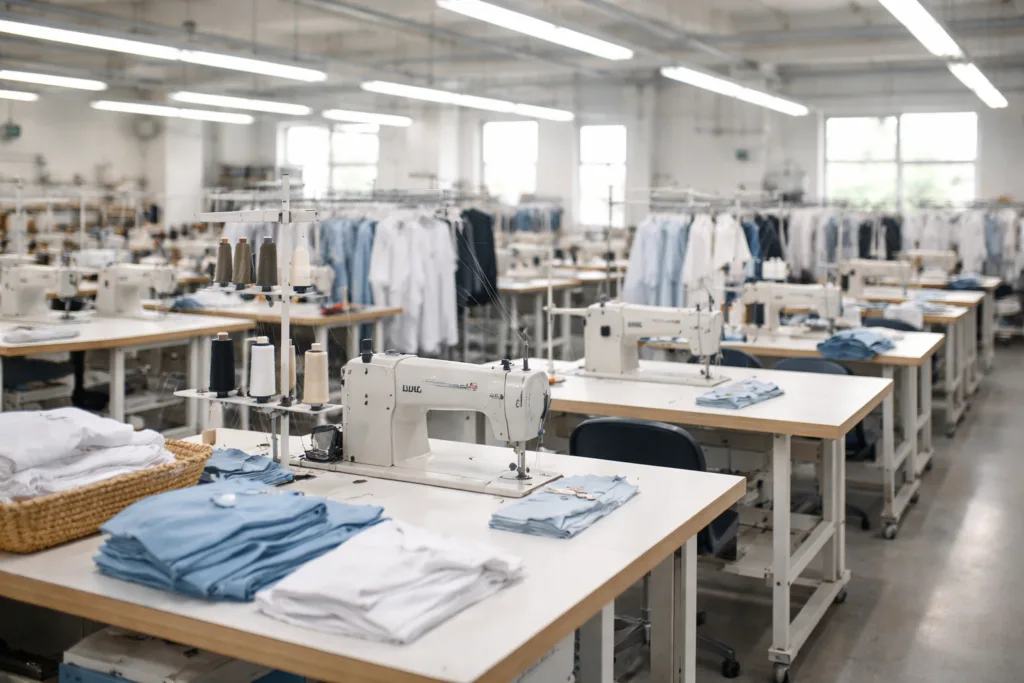
Quality control is the backbone of brand reputation in apparel—missed stitches, inconsistent sizing, or poor fabric can quickly undermine years of hard work. QC spans the entire process: from fabric inspection and pattern making to final packing and delivery. Being able to observe and influence these steps firsthand is where domestic manufacturers shine. Unlike long-distance coordination, you can arrange in-person spot checks, create feedback loops, and build real partnerships with your production team.
Ease of QC: Why Domestic Production is Safer for Quality
One of the most significant advantages of keeping production domestic is the control it gives brand owners, designers, and quality managers. Here’s why:
- On-site Inspection: You can easily visit the facility during key stages—cutting, sewing, finishing, and packing. This level of visibility is almost impossible with overseas production.
- Faster Response Times: If a batch fails inspection, you can resolve issues on the spot, often within hours, instead of waiting days or weeks for photos, reports, and samples to cross continents.
- Stronger Communication: Language barriers, time zone headaches, and cultural nuances all fade away when you share a native context with your supplier. Instructions are understood the first time, and complex requests are met with follow-up questions, not guesswork.
This level of direct oversight is especially crucial for brands launching new designs or working on small batches, where mistakes are costly and speed to market makes all the difference. For a closer look at navigating these challenges, see Domestic vs. Overseas Manufacturing: The 2024 Cost, Quality & Ethics Showdown for Brands.
What Factory Visits Reveal: Seeing Is Believing
The value of visiting a factory isn’t just about checking boxes. It’s about validation and relationship building. Being present lets you spot red flags early—such as poorly maintained equipment, chaotic workflow, or corners being cut on materials. It also creates an open-door environment, increasing transparency and trust. Brands who make regular site visits find they’re able to foster long-term supplier loyalty, iron out issues before they snowball, and ultimately end up with better products in customers’ hands.
Comparison Table: Domestic vs Overseas QC Relatability
| QC Factor | Domestic Production | Overseas Production |
|---|---|---|
| Factory Visits | Drive or quick flight | Expensive, time-consuming international travel |
| Issue Resolution | Same-day fixes possible | Delays due to timezone/language |
| Inspection Depth | Hands-on, real-time | Often limited to photos, 3rd-party reports |
| Communication | Native language, instant feedback | Translation risks, slower reply cycles |
| Trust Building | Relationship-based | Transactional, often distant |
The Step-by-Step QC Process in Domestic Manufacturing
Fabric and Materials Inspection
Quality starts with raw materials. A domestic partner allows you to physically test batches, verify suppliers, and even visit textile mills if necessary. Brands like Ninghow Apparel often allow buyers to select and test fabrics in person, reducing the potential for surprises later.
Sampling, Fit, and Prototyping
Making a perfect sample often takes several rounds. With domestic production, prototypes can be reviewed and adjusted face-to-face, bringing faster iterations and fewer miscommunications. This step is crucial for sizing accuracy—a difference of millimeters matters when trying to avoid costly remake cycles.
Inline and Final Inspections
Being on home soil allows for scheduled and surprise spot-checks, which is particularly valuable for brands who want to ensure consistency during mass production, from stitching uniformity to label placement and packaging standards. In fact, regular on-site inspection often leads to quick resolution of minor issues, keeping the factory’s workflow efficient and the outcome predictable.
Realistic Challenges and How to Overcome Them
While domestic production eases many quality control challenges, it isn’t a silver bullet. Higher wage costs, possible capacity constraints, and less automation can affect timelines and prices. However, for brands prioritizing consistent quality, the ability to physically audit the production process is often worth the premium. Understanding landed costs in advance can help with budgeting. For a step-by-step approach, explore The Real Cost of Importing: How to Calculate Landed Cost Step-by-Step.
Why Speed-to-Market Relies on Close QC
Fast-fashion and trend-driven brands depend on rapid production cycles and quick feedback. Being able to approve batches in real time, negotiate fixes, and rerun samples on the same day makes local production unbeatable when deadlines are tight. You get agility without sacrificing product consistency or customer trust. For more on this strategic shift, check out Why Fast-Fashion Brands Are Winning with Local, 2-Week Manufacturing.
Direct Communication: Eliminate the ‘Broken Telephone’ Effect
Miscommunication is a leading cause of defects and costly rework, especially in offshore setups. With domestic manufacturing, instructions don’t get lost in translation. Technical feedback and creative changes are clearly understood, and you can have quick discussions with production leads on the spot. This prevents minor errors from ballooning into major quality crises across an entire order.
Cultural Alignment: Why Shared Context Matters in QC
Culture impacts how quality is defined and enforced. Shared context with a domestic factory means your expectations for finish, handfeel, packaging, and compliance are better understood from the outset, leading to fewer defects and higher consistency across every batch.
Third-Party Inspection vs. Firsthand Accountability
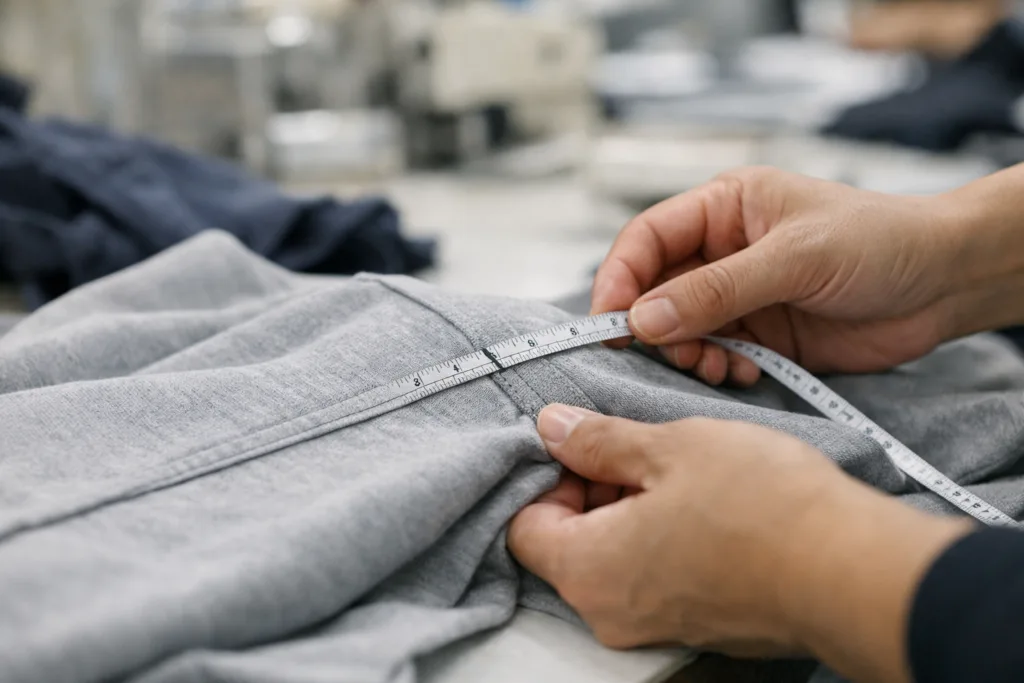
When you can’t be present, third-party inspections help—especially with overseas orders—but even the best audit can’t match the speed or granularity of hands-on oversight. Domestic production lets you combine internal checks with real-time factory visits, for a layer of accountability that’s hard to replicate from afar.
How Ninghow Apparel Approaches QC Transparency
Manufacturers like Ninghow Apparel frequently allow clients to walk the floor, check work-in-progress, and have open conversations with line supervisors. This not only builds trust, but also means brands can influence the final outcome at every stage. When issues emerge, adjustments can be discussed and implemented within hours, not days or weeks.
Setting Specifications and Quality Standards Locally
Defining Quality at the Source
To lock in quality, brands and manufacturers must agree on clear specs—stitch density, seam positions, fabric tolerances, wash requirements, labeling, and packaging details. With domestic factories, these can be documented and walked through in person. This leads to signed-off prototypes as reference points before a single unit is mass produced.
QC Documentation and Traceability
Domestic production supports more robust documentation—batch tags, digital records, and even live photos from the floor—making it easier to trace and fix errors if they arise.
When Domestic Isn’t Feasible: Mitigating QC Risks Overseas
Not every brand can produce locally, especially for very high volumes or specialized fabrics. If you’re sourcing abroad, compensate for distance by increasing sample rounds, demanding clearer documentation, and using certified inspection agencies. Still, by understanding the advantages of domestic QC, brands can weigh true costs and decide when proximity is worth the premium.
Key Takeaways: Why Ease of QC Matters for Brands in 2024 and Beyond
- Hands-on quality control protects both your brand image and your bottom line.
- Being able to visit the factory, see production, and resolve issues directly offers huge advantages over remote coordination.
- Clear communication, aligned standards, and trusted relationships make defects less likely and delivery times more predictable.
For brands who care about their product and reputation, domestic production’s ease of QC is often the difference between consistent success and costly setbacks.
Conclusion

Choosing domestic production isn’t just about supporting local business—it’s about being able to drive over, watch production happen, and fix issues before they affect your customer. That’s real control, and for brands who want their quality to stand out, it’s more than peace of mind—it’s a practical, strategic advantage. Brands who build these close partnerships end up saving time, money, and their reputation in the market. Proximity pays off where quality matters most.
Frequently Asked Questions
What is the main advantage of domestic production for QC?
The biggest advantage is direct, on-site oversight and rapid issue resolution. You can easily visit the factory, check production, and resolve problems immediately, keeping quality consistent and defects low.
How can regular factory visits improve quality control?
Regular visits allow you to spot issues early—out-of-spec stitching, incorrect labeling, or fabric flaws—and to discuss and fix them before they impact large orders. This prevents subtle errors from snowballing and builds closer supplier relationships.
Are there downsides to domestic production?
Domestic production often costs more and may have less capacity for large-scale runs. However, the benefits of easy quality control, communication, and real-time fixes often outweigh these drawbacks for many brands.
What if I can’t produce domestically—how do I manage QC overseas?
If you must produce abroad, compensate with more sample rounds, detailed documentation, and reputable third-party inspections. Recognize that some QC delays are unavoidable because of distance.
Does working with Ninghow Apparel help with QC transparency?
Manufacturers like Ninghow Apparel often invite buyers to observe production, review samples, and provide feedback live. This level of openness is key to catching issues and building trust.
How should brands set and enforce quality standards with any factory?
Define and document specs clearly—stitch types, measurements, packaging—and insist on reference samples. Whether domestic or overseas, regular inspections, clear communication, and traceable documentation are must-haves.
Related Reading
- Unlock Transparency: The Open Costing Approach Every Brand Needs
- The Hidden Costly Pitfalls of Communication Gaps When You Source Overseas
- How to Spot Sample Quality Red Flags Before Placing a Large Order
- Gain Peace of Mind: When & How to Use Third-Party Inspection for Overseas Orders
- Your Complete Guide to Apparel Manufacturing Quality Control Services