

Introduction to The Hybrid Sourcing Model: Mixing Domestic and Overseas
The apparel industry thrives on efficiency, reliability, and speed to market. Brands continually face a key question: Should they source their collections domestically, overseas, or both? The answer for many successful labels is adopting The Hybrid Sourcing Model: Mixing Domestic and Overseas. This flexible approach merges the cost advantages of international production with the agility of local manufacturing. In today’s unpredictable market, mastering hybrid sourcing is no longer optional—it’s essential. This article explores its pros, cons, practical structures, best-fit collection types, and how brands can build hybrid supply chains that future-proof their business.
What is a Hybrid Supply Chain?

A hybrid supply chain in apparel combines domestic and overseas manufacturing. This means part of the brand’s range is produced in local factories (for speed and flexibility), while another portion is sourced from abroad (for cost and capacity). Brands can adjust order volumes across both channels as trends, seasonality, or sales patterns change—lowering both risk and cost. For a clear overview of how this model stacks up, see our detailed comparison of domestic vs. overseas production.
Core vs. Fashion Collections: Key Differences in Sourcing
Not every style in a brand’s range is created equal. “Core” means proven sellers—basics, evergreens, or standards you reorder season after season (think blank T-shirts, polos, solid leggings). “Fashion” refers to trend-driven, fast-selling pieces—popular colors, influencer-inspired styles, or limited capsules that demand quick reaction.
Core Collection Characteristics
- Predictable sales
- Steady or high volume
- Tolerance for longer lead times
- Price-sensitive buyers
Fashion Collection Characteristics
- Short selling windows
- Rapid design changes
- Lower volumes per style, frequent reorders
- Speed is critical—weeks instead of months
Why Brands Adopt the Hybrid Sourcing Model: Mixing Domestic and Overseas
This hybrid approach allows brands to play to the strengths of both sourcing markets. By ordering bulk quantities of basic, high-margin items overseas, and handling short-lead-time fashion pieces domestically, brands can maximize profit and minimize lost sales. See examples of customizable core and fashion apparel that can be sourced using this dual strategy.
Mapping Sourcing Models to Collection Types
Each product group fits one model better than the other. Here’s how most brands align their sourcing:
| Collection Type | Best Sourcing Channel |
|---|---|
| Core (T-shirts, Polos) | Overseas (Cost & Scale) |
| Fashion/Trend Drops | Domestic (Speed & Flex) |
| Seasonal Capsules | Mixed/Both |
| Flash Replenishments | Domestic |
| Complex Custom Styles | Domestic (Communication) |
The Benefits of Mixing Domestic and Overseas Sourcing
Blending sourcing channels offers tangible advantages:
- Cost containment on bulk basics
- Fast replenishment for trending items
- Redundancy: if one supply channel is delayed, the other can recover
- Flexibility to test and scale collections quickly
- Brand resilience through supply chain shocks, tariffs, or global crises
Risks and Trade-Offs in a Hybrid Supply Chain
Like any strategy, hybrid sourcing isn’t perfect. The most common drawbacks include:
- Logistics complexity (more suppliers, shipments, QC steps)
- Coordination challenges (timelines, fit, and fabric matching)
- Slightly higher management overhead
- Maintaining quality consistency across regions
To keep these risks manageable, robust quality control is crucial. For those new to global apparel sourcing, see our guide on manufacturing quality control.
Best Practice: When to Go Overseas, When to Buy Domestic
Industry best practice is clear: Source core basics overseas, take fast-mover fashion or “winner” items local. Why? Overseas manufacturers offer price breaks on volume, making them ideal for evergreen styles. When designs go viral—or to avoid “out of stock” during hot trends—domestic is the best bet for speed and smaller minimums.
Hybrid Sourcing in Action: Real Apparel Brand Scenarios
A leading streetwear label uses this playbook: Seasonal T-shirts and hoodies are pre-booked with overseas factories, with a lean reorder buffer placed with domestic partners for rapid “flash” top-ups. New silhouettes or influencer collabs are domestically sampled, launched as a test, then moved to overseas bulk if they sell through. This method reduces leftover inventory—and keeps trend collections “fresh.”
Sourcing Strategy Checklist for Hybrid Models
- Segment collections: Define which SKUs are core, which are fashion
- Align fabric, trims, and patterns (for consistency)
- Build relationships with trusted partners in both regions
- Forecast sales carefully; stay nimble to shift production up/down
- Set up dual workflows for QC, fit, and intake inspection
Communication and Quality Control in a Split Sourcing Model
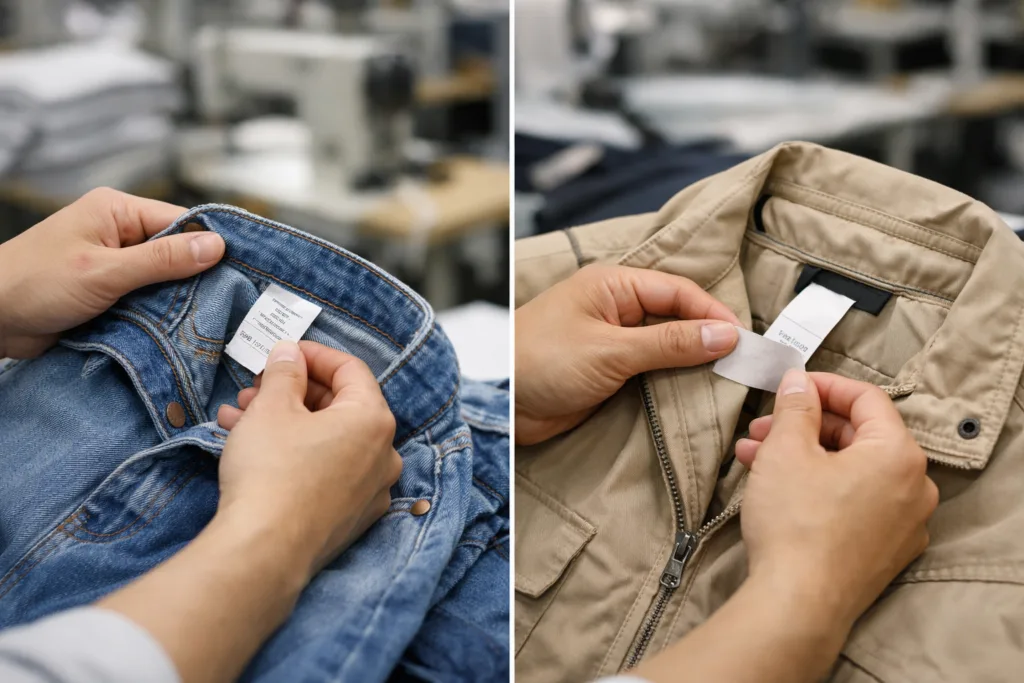
Coordinating multiple factories in different countries takes discipline. Both must produce to the same fit spec, color range, finish, and label branding. Communication delays, language barriers, and time zone issues can impact timelines—making clear documentation and sample approval critical. Brands often share graded size sets and tech packs across both supply channels to synchronize results.
The Role of Inventory Risk and Minimum Order Quantities
One big payoff of the hybrid supply chain is the ability to manage inventory risk. High Minimum Order Quantities (MOQs) from overseas can trap brands with dead stock if trends fizzle. Domestic suppliers may accept lower MOQs—ideal for test launches or short runs. Our article on high MOQs and inventory risk explains how to use hybrid sourcing to avoid costly overbuys.
Nearshoring and Regional Manufacturing Trends
Some brands are splitting the difference by “nearshoring”—using factories in nearby countries (e.g., Mexico for US brands, Turkey for EU brands). This gets orders delivered faster than Asia but at a lower cost than domestic. For a deep dive, read about the benefits of nearshoring.
Case Study: Managing a Global Apparel Supply Chain
A mid-size sportswear company sources bulk jerseys and bottoms from Asian factories for their price and embroidery detail, but keeps a network of local workshops for custom team orders and personalized kits. To avoid delays, they stagger PO releases—bulk overseas for basics, flexible batches for trending colors or pre-season demand surges.
The China Plus One Approach in Fashion Sourcing
With supply chain shocks and rising Asian wages, many brands use China as a main supplier and “plus one” alternative (Vietnam, Bangladesh, Turkey). This hybridizes even overseas channels, spreading risk, and giving options if one region faces political or logistics trouble.
Ninghow Apparel’s Practical Tips for Hybrid Supply Chain Success
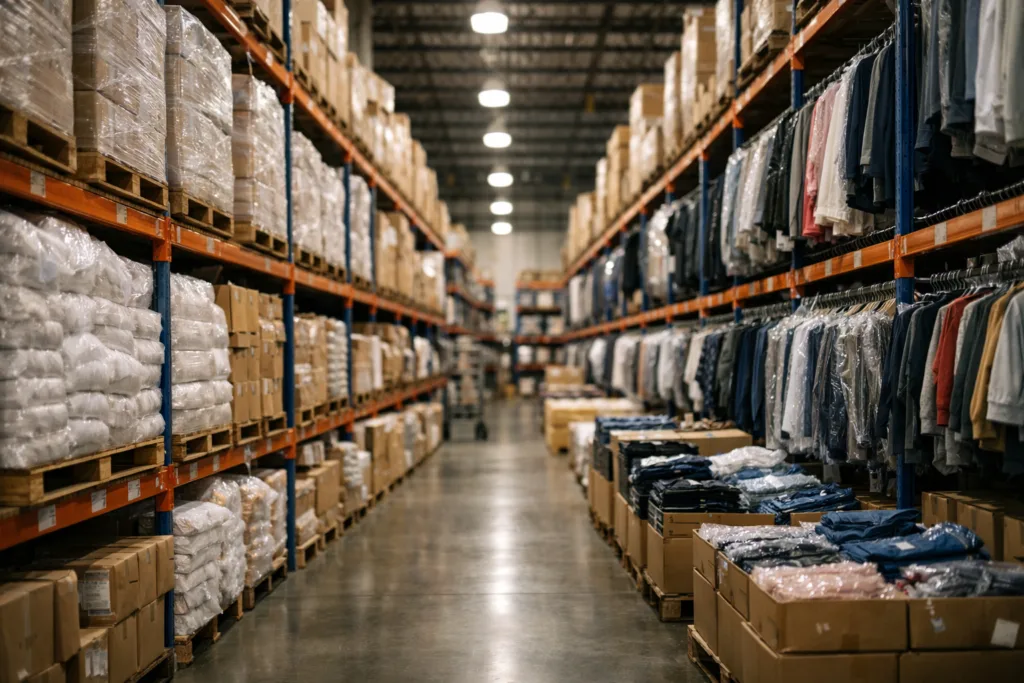
From the shop floor, Ninghow Apparel has observed: Hybrid models demand standardized fit blocks and lab-dip color submissions to keep product looking unified. We recommend conducting fit and pre-production sampling in both regions, never relying solely on one partner’s measurements, especially with size curves for unisex or performance clothing. A little extra diligence early saves major inconsistency headaches on the rack.
Building Relationships for Supply Chain Resilience
Having a “Plan B” partner—domestic or overseas—ensures your brand isn’t left scrambling if one supplier faces shutdowns, delays, or labor issues. Regular communication, technical sharing, and joint QC visits build trust and speed up problem resolution before orders ship.
When Should Startups Use a Hybrid Supply Chain?
Small brands or startups might worry hybrid models are only for larger companies. But even new entrants can test out this strategy: Launch core T-shirts or basics with a reliable offshore supplier (for cost), and produce limited runs, samples, or new colorways locally. Once sales patterns stabilize, shift volume accordingly. For more on startup sourcing, review our step-by-step guide for startups.
How to Integrate Domestic and Overseas Sourcing Workflows
Document key standards in a single tech pack: material spec, sizing charts, labels, and finishing details. Monitor lead time, QC methods, and shipping. Share production calendars so all vendors understand launch season, peak periods, and cutoffs. Consistent documentation reduces friction, prevents errors, and gets every style “retail ready” on time.
Technology’s Role in Coordinating Hybrid Sourcing
Today’s PLM (Product Lifecycle Management) software helps brands track sample approval, fit comments, PO status, QC results, and in-transit timelines at multiple factories in real time. Even for smaller brands, shared design folders, cloud-based BOMs, and live calendars keep cross-region development synchronized—even if time zones (or languages) differ.
Cost Analysis: Landed Cost and True Price Comparisons
Brands often focus just on FOB (factory price). But true cost analysis should include freight, duty, quality hassles, communication time, and financing. Domestic unit costs may be higher, but shorter cycles, less error, and improved sell-through can often outweigh the price gap. Our step-by-step guide to landed costs explains how brands can make apples-to-apples comparisons.
Brand Perception and Labeling: Does ‘Made in’ Matter?
Brands must decide how much the “Made in” tag affects customer value. Some consumers pay a premium for local or ethically sourced labels—others care more about price and newness. Hybrid models allow brands to cater to both, offering “Made in USA” for special capsule drops while keeping core lines accessible in price.
The Future of Apparel Sourcing: Hybrid Is Here to Stay
In the face of supply chain shocks—pandemic, tariffs, geopolitics—the most agile brands are those who “don’t put all their eggs in one basket.” Hybrid sourcing is now standard operating practice for brands that want to balance price, speed, and reliability.
Conclusion: Finding Your Balance in The Hybrid Sourcing Model: Mixing Domestic and Overseas
The hybrid supply chain empowers fashion and basics brands alike to leverage price efficiency, speed, and resilience. By mixing overseas manufacturing for predictably strong-selling core items, and using domestic suppliers for flash trends or urgent replenishment, brands can stay profitable and responsive. The key is clarity: Match each product’s lifecycle to the right factory’s strengths, maintain robust QC in both channels, and foster strong supplier relationships. With the right approach, you’ll minimize risk, maximize opportunity, and future-proof your label’s success in a fast-changing world.
Frequently Asked Questions
What is a hybrid supply chain in apparel sourcing?
It’s a sourcing approach where brands use both domestic and overseas manufacturers—core (basics) come from low-cost regions, while fast-selling or urgent items are produced locally for speed.
How should brands decide which styles to produce overseas vs. domestically?
Order high-volume, price-sensitive basics from overseas for cost savings, and reserve local production for limited runs, test launches, or fast replenishment of trending styles.
What are the biggest risks of a hybrid supply chain model?
The main risks are maintaining consistency in quality, coordinating timelines, and increased logistics or communication overhead. Having strong QC systems mitigates these issues.
Is the hybrid model suitable for small brands or startups?
Yes. Startups can use overseas partners for bulk core items and produce smaller, high-impact or trial collections locally. Flexibility is key, regardless of company size.
How can brands ensure product consistency across different suppliers?
Brands must use standardized tech packs, pre-production samples, fabric and trim approvals, and regular fit reviews with all their manufacturing partners—domestic and international.
Why is speed to market improved with hybrid sourcing?
Because domestic suppliers can react faster to trends, short runs, or replenishment, brands can launch new styles or restock in weeks, instead of months with overseas-only sourcing.
Related Reading
- Why Some Brands Are Returning Production Home—and What It Means For Your Sourcing Mix
- Is Paying Extra for ‘Made in USA’ Labels Worth It? The Branding Premium Explained
- Avoiding Dead Stock: How High MOQs Can Trap Fashion Brands
- Open Costing in Apparel Sourcing: How Transparency Improves Negotiation
- USA vs China: The 2026 Clothing Maker Showdown