
Introduction: Why Shorts Manufacturing Cost Breakdown Matters
Understanding the shorts manufacturing cost breakdown is vital for every brand, buyer, or startup venturing into custom apparel. It’s not just about the price quoted per piece. Behind each number lies a chain of decisions and benchmarks—material choice, sewing, printing, embroidery, labor, quality control, packaging, and logistics—that shape quality, fit, and business success.
Smart brands like Ninghow Apparel, a leading chothing manufacturer, use detailed cost analysis to ensure consistency, craftsmanship, and competitive pricing, whether for athleisure, teams, or streetwear shorts.
Shorts Manufacturing Cost Breakdown

Every step from fabric selection to delivery adds a layer to the cost of manufacturing custom shorts. Breaking down these components helps you control budgets, assess supplier quotes, and optimize for the best value without sacrificing quality.
Fabric & Materials
Fabric typically drives 40–60% of the total shorts manufacturing cost. Selection depends on application, comfort, durability, and brand identity:
- Combed cotton (20s/24s/32s): Soft, breathable, ideal for casual and summer shorts, cost varies by yarn count and GSM (grams per square meter).
- Ring-spun cotton: Finer, stronger yarn; gives a higher quality finish.
- Organic/GOTS cotton: Eco-friendly, certified, often 10–30% more expensive but offers sustainability and market value.
- Recycled polyester (rPET): Moisture-wicking, quick-dry; good for sports and swim shorts. Sits in the same cost range as standard polyester.
- Elastane/spandex blends: Adds stretch; used in activewear or athletic shorts; price increases with elastane percentage.
- Wovens (twill, poplin) vs. Knits (single jersey, french terry): Choice affects handfeel, structure, and printing methods.
Besides main fabric, materials include ribbing, linings, drawcords, zippers, buttons, labels, and hangtags. Each accessory is a minor but necessary cost.
| Fabric Type | Typical GSM | Properties | Best Use | Relative Cost |
|---|---|---|---|---|
| Combed cotton | 160–240 | Soft, breathable | Lifestyle, casual | Moderate |
| French terry | 220–320 | Sweat-wicking, plush | Athleisure, loungewear | Medium-High |
| Polyester/elastane blend | 130–180 | Stretch, quick-dry | Sports, activewear | Variable |
| Woven twill | 180–230 | Strong, structured | Uniforms, chinos | Low-Moderate |
| Organic cotton | 160–240 | Eco, premium | Green brands | High |
Fabric Preparation: Color and Lab Work
Before production, manufacturers run lab dips (small fabric samples dyed to match Pantone/brand colors) and strike-offs (test prints) for approval. Bulk fabric is ordered after color approval and shade bands (color variation controls) are agreed. Quality control in this phase prevents costly batch mismatches.
- Lab dip/strike-off fees: Usually $10–$50 each, often rolled into bulk order costs.
- Colorfastness tests (ISO 105, AATCC 61): Protects against fading and bleeding. Compliance testing and documentation may add $0.05–$0.15 per unit.
Pattern Making & Cutting
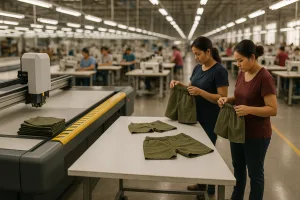
Custom shorts begin with a tech pack—a detailed document outlining measurements, size grading, stitching methods, and finish details. From the tech pack, patterns are developed and digitized. Marker making (nesting pattern pieces to optimize fabric use) follows. Cutting can be done via manual or automated systems; the choice affects both cost and accuracy.
- Pattern making: $100–$300 for new designs; less for adjustments or repeats.
- Cutting: $0.15–$0.25 per short, depending on equipment and efficiency.
Sewing & Assembly
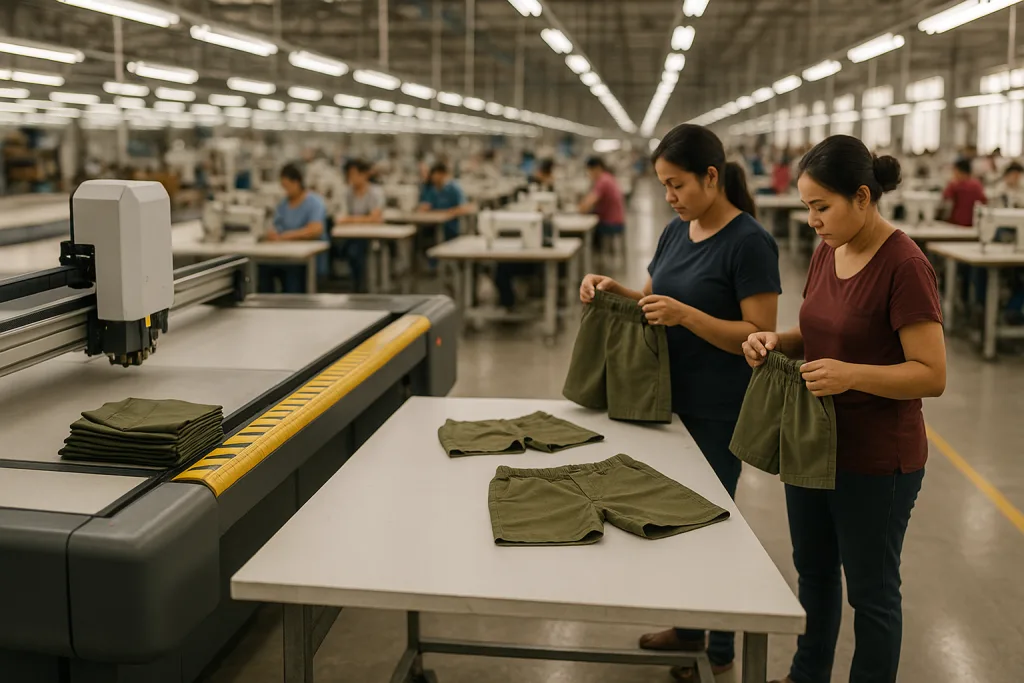
Sewing is labor-intensive and influenced by the number of panels, pockets, waistband style (elastic, drawstring, fly), seam types (ISO 301/401/504/602), and finishings (bartacks, coverstitch, topstitch).
- Labor: Regional wage differences are drastic. Southeast Asia/Bangladesh cost averages $0.50–$1.50 per short; China $1–$2.50; domestic USA/EU $3–$6.
- Complexity: Shorts with more details (zip pockets, lining, trims) push labor time and cost up. Line balancing and SMV (Standard Minute Values) help control costs in efficient facilities.
Decoration: Printing, Embroidery, and Customization
Decoration options let brands stand out but carry a range of costs and technical constraints.
- Screen printing: Best for logos/graphics on cotton and blends. Plastisol is durable, water-based is softer. Setup costs for films/screens ($15–$50/color); low per-unit cost ($0.10–$0.35/color/location), but higher for small runs.
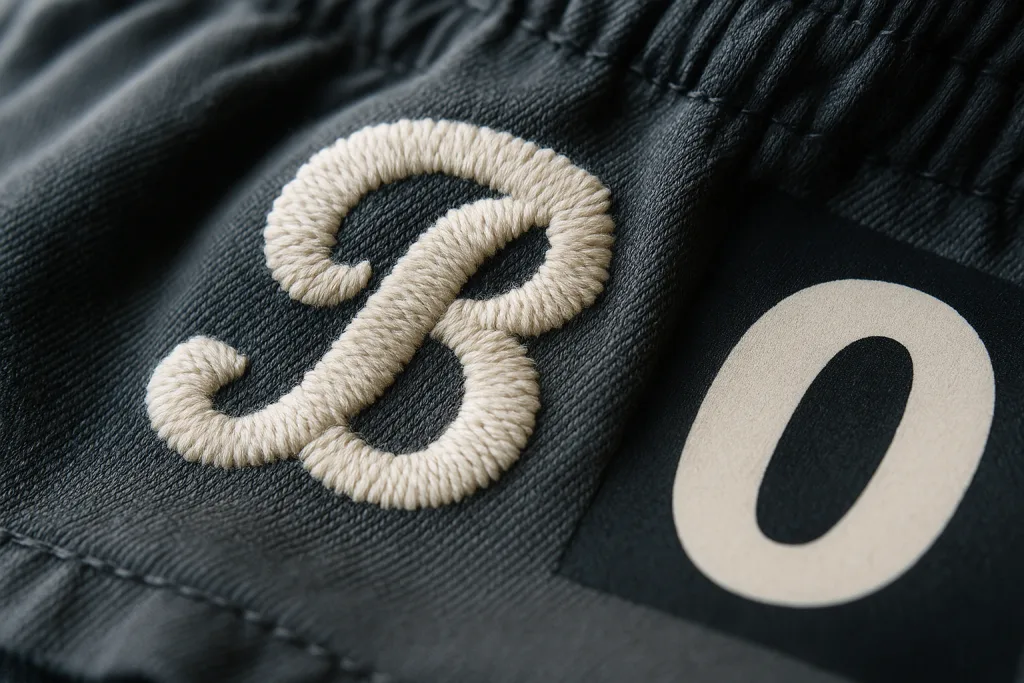
- Embroidery: Premium look; priced by stitch count. Typical shorts logo (1K–5K stitches) costs $0.30–$1.20 each. 3D/puff embroidery is pricier. Digitizing fee: $30–$60 per design.
- Sublimation, DTG, or heat transfer: Good for all-over prints or polyester; range $0.35–$1.50 per short depending on coverage and quantity.
Other decoration methods (appliqué, badges) each add small incremental costs.
Quality Control & Testing
Standard apparel QC covers,
- Inline and endline checks for measurement, stitching, skew, and puckering
- Needle detection (for safety-critical items)
- AQL (Acceptable Quality Level) inspections (e.g., ANSI/ASQ Z1.4): $80–$200+ per batch by a third party, or included in higher-volume contracts.
- Physical tests for seam strength (ASTM D1683), pilling (ISO 12945), or colorfastness for custom programs
Often, certified suppliers like Ninghow Apparel follow OEKO-TEX STANDARD 100 or GOTS for chemical safety, with costs reflected in the compliance surcharge ($0.05–$0.15 per unit).
Packing & Logistics
- Folding, polybagging, hangtags, carton packing: $0.15–$0.50 per short. Size-ratio packing and branded packaging add incremental cost.
- Export carton specs (barcodes, care labels with ISO 3758 symbols): Mandatory for retail/wholesale.
- Freight: By sea (most cost-effective, $0.08–$0.18 per short for containerload); by air (urgent, $0.70–$1.50/unit, varies by zone and fuel rates).
- Incoterms: EXW, FOB, CIF, DDP. Each affects the party who pays for shipping, insurance, import duties.
Summary Table: Typical Custom Shorts Cost Breakdown
| Cost Component | Estimated Range (per short) | Notes |
|---|---|---|
| Fabric & Trims | $1.20–$3.20 | Main material, drawcords, labels |
| Pattern/Cutting | $0.15–$0.30 | Tech pack amortized per unit |
| Sewing/Labor | $0.60–$2.80 | Varies by complexity and region |
| Printing/Embroidery | $0.25–$1.70 | Based on decoration method/design |
| Quality Control | $0.05–$0.15 | Inspection, testing, compliance |
| Packing/Logistics | $0.20–$0.80 | Packing per short, average sea freight |
| Total Direct Cost | $2.45–$9.00 | Excludes overhead and margins |
Fabric Selection in Shorts Manufacturing Cost Breakdown
Fabric is the heart of any custom short. Decisions here impact cost, handfeel, durability, and brand reputation. A heavier GSM (like 240gsm french terry) costs more but gives structure for premium shorts. Lighter weights (like 160gsm cotton jersey) suit hot climates and budget runs. Sourcing eco-friendly options (organic, GOTS, or rPET) costs more per meter but can boost market value.
Lab Dips, Bulk Order, and Fabric Control
Once fabric is chosen, manufacturers like Ninghow Apparel run lab dips and strike-offs. Getting an approved bulk color prevents rejections and batch inconsistencies. Quality mills provide shade bands and roll-by-roll inspection reports. These controlled steps help minimize returns and lock in process efficiency.
How Labor and Sewing Impact Shorts Manufacturing Cost Breakdown
Labor is a moving target in cost analysis. Regions with higher labor rates (USA/EU) produce costlier shorts, but possibly with stricter QC and faster lead times. Automated sewing lines speed up operation and support complicated designs, balancing labor intensity and finished detail.
Construction Details and Cost Drivers
- Panel count: Extra panels mean more cutting/stitching.
- Pocket style: Welt, patch, or zipped pockets each need additional steps and skilled labor.
- Waistband finish: Elastic with drawcord is simpler than fitted waistbands with zip fly and button.
- Stitching type: Reinforced seams or bartacks add cost but improve lifespan, especially for sports or work shorts.
Efficient factories optimize these by line balancing and SMV time-and-motion tracking, keeping labor cost per short low and consistent.
Printing, Embroidery, and Decoration in Shorts Manufacturing Cost Breakdown
Choosing the right type of decoration is part brand identity and part budget management. For example, a luxe streetwear line might use puff embroidery and woven patches—adding complexity and cost, but boosting perceived value and shelf appeal.
For events, school teams, or promotional use, screen printing or heat transfer offers bold logos at lower budgets with good durability. The cost equation here ties directly to design, quantity, and method.
Decoration Method Breakdown
- Screen print: Economical at high volumes, scalable, but costly for multicolor or small runs due to setup fees.
- Embroidery: More durable and premium but cost rises with intricate logos or large coverage.
- Sublimation: High upfront design cost, perfect for all-over graphics.
Tying decoration to end use (fashion, sport, promotional) delivers the best ROI. Always factor handfeel, wash durability, and lead time into your budget.
Compliance, Quality, and Regulatory Costs
For brands selling in Europe, North America, or other regulated markets, compliance brings extra direct and indirect costs:
- OEKO-TEX STANDARD 100 and BSCI/WRAP/SEDEX audits: Signal trust and may reduce returns or order cancellations.
- Testing: Colorfastness (ISO 105), pilling (ISO 12945), seam strength (ASTM D1683), shrinkage (AATCC 135/150). Each adds cost, but minimum legal/retail requirements demand proof.
- Chemical compliance (REACH, RoHS, CPSIA/Prop 65): Ensures safe inks, trims, and finishes for children’s or branded products.
Quality-focused manufacturers bake these steps into their programs, while others may charge à la carte. Always confirm compliance and batch retention policy with your supplier.
Packing, Shipping, and Delivery in Shorts Manufacturing Cost Breakdown
Packing methods—single fold, flat pack, or rolled—may reflect retail channel demands and affect carton density. Inner polybag thickness, recycled content, custom hangtags, and carton marks (barcode, EAN, size stickers) add up incrementally. Overseas shipping is lowest cost per unit by sea, but long lead times must be managed. Air is much faster, but the spike in cost can eat into margin unless retail windows are tight.
Consider Incoterms in your cost breakdown. FOB (Free on Board) includes loading and customs; EXW (Ex Works) makes you responsible for all steps after pickup; DDP (Delivered Duty Paid) is all-in, but builds in supplier margin and risk management.
Applications: Business Cases and Cost Strategies
The best shorts cost breakdown depends on your needs:
- Sports/gym shorts: Stretch blends (poly/elastane), focus on wicking, flatlock seams. Decoration via heat transfer or sublimation. Bulk runs optimize print setup cost.
- Streetwear/fashion: Heavier knits or woven twill, premium trims (metal cord tips, branded tags), specialized embroidery or badges. Invest more in QC and brand presentation.
- Team/uniforms: Mid-weight, consistent color batches, strong bar tack at stress points. Focus on repeatability and batch consistency.
- Promo/tourism: Lighter materials, lower cost per unit, basic print, minimal packaging.
Adapt your cost targets for end use, margin goals, and brand promise. Track all variables from initial tech pack through final delivery.
How to Calculate the True Cost of Manufacturing Custom Shorts
Ready for a comprehensive formula? Here’s what to include when calculating your shorts manufacturing cost breakdown:
- Material Costs: (Fabric price per meter × consumption per short) + trims, tags, linings.
- Development: Pattern, lab dips, strike-offs, and sizing run cost, spread over order size.
- Cut & Sew Labor: Total SMV × labor rate, factored per short.
- Decoration: Screen/embroidery setup (amortized), plus per-unit application fee.
- Quality & Compliance: Inspection, testing, certification fees, divided per short.
- Packing & Freight: Polybag, carton, tag, shipping per short.
- Supplier Margin/Overhead: Typically 5–15%, covers admin, risk, factory overhead.
For a 10000-unit run, you might see:
Total direct unit cost = (Material $2.40 + Dev $0.24 + Labor $1.20 + Decoration $0.50 + QC $0.10 + Packing & freight $0.30) = $4.74
Add a sensible margin on top for supplier profit and any extra compliance you require.
Common Cost Pitfalls and How to Avoid Them
- Incomplete tech packs force guessing and extra sampling or rework.
- Skipping lab dips or strike-offs risks big color error and order rejection.
- Choosing the wrong decoration method can leave prints faded after a few washes or bust budget on low volumes.
- Neglecting compliance costs leads to customs blocks, fines, or retail delisting.
- Ignoring packing and delivery details can damage reputation if goods arrive late or in poor shape.
Optimizing Design for Cost & Quality
Balance function, aesthetics, and margin at each stage:
- Specify only necessary trims and branding positions—each counts in both cost and assembly load.
- Group colorways and sizes for bulk efficiency.
- Consider universal fit markers and simplified size curves to decrease pattern and grading expense.
- Work with experienced OEM/ODM partners like Ninghow Apparel for guidance and R&D sampling that avoids hidden costs.
Partnering with the Right Manufacturer
Choose a supplier who:
- Offers transparent breakdowns, not just unit quotes.
- Maintains compliance, documented process controls, and seasoned QC staff.
- Has experience with applications like athleticwear, streetwear, uniforms, and promotional programs for shorts.
Long-term B2B relationships support better cost control, more consistent sizing, and the flexibility to scale or adapt your line as trends change.
Frequently Asked Questions
What factors influence the manufacturing cost of custom shorts most?
The largest factors are fabric choice and consumption, sewing complexity, and decoration method. Labor rates and order quantity also impact the cost per short.
How can I reduce per-unit cost for custom shorts?
Increase order volume, simplify construction details, group colorways for bulk fabric buy, and choose efficient decoration methods like screen printing for large runs.
Are eco-friendly materials much more expensive for shorts?
Organic cotton or recycled polyester cost about 10–30% more than standard materials but may add value and support marketing for sustainable brands.
What decoration method is best for durable shorts?
Embroidery offers superior durability, especially for logos. For all-over prints or graphics on polyester, sublimation works well and keeps colors vibrant after washing.
How should I compare supplier quotes for custom shorts?
Always request a detailed cost breakdown, not just the unit price—look for transparency on materials, labor, decoration, QC, and packing.
Why do compliance and testing fees matter in cost breakdown?
Compliance ensures your shorts meet market entry, chemical, and performance standards. It reduces returns and avoids customs issues, adding trust and long-term value.