
Introduction: Tech Pack vs. Spec Sheet – Why the Difference Matters
If you’re launching or expanding an apparel brand, you’ve probably heard about tech packs and spec sheets. Yet, many confuse the two—or think a spec sheet alone can power full-scale production. Let’s clarify the differences, correct common misconceptions, and explain why relying solely on a spec sheet can lead to costly mistakes and delays in apparel manufacturing.
Clothing industry insiders stress: a tech pack isn’t just “nice to have;” it’s the foundation for predictable results, supplier alignment, and quality assurance. Understanding the roles and limitations of each file type—especially when working with quality control in apparel manufacturing—is critical for any brand aiming for scalable, consistent production.
What Is a Tech Pack?
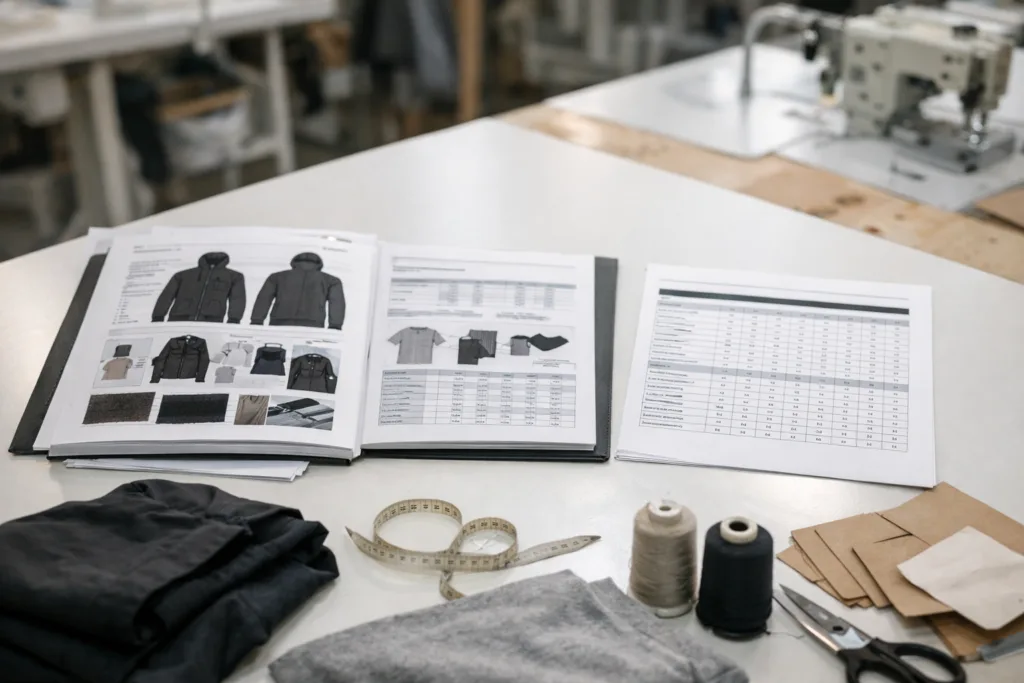
A tech pack is a detailed blueprint used in garment manufacturing. It contains every instruction needed for a factory to reproduce your apparel design consistently—from fabrics and trims to measurements and sewing techniques. Unlike a spec sheet, a tech pack covers visuals, construction methods, labeling, packaging, and production notes, making it a living document throughout the development and manufacturing process. Brands serious about production success consider it essential—not optional.
What Is a Spec Sheet?
A spec sheet (specification sheet) typically lists key measurements and technical characteristics for one style. It might include sizing, material, and dimension details, but generally lacks thorough instructions on assembly, finishing, labeling, packaging, or quality checks. Spec sheets can be useful during sampling, but alone, they fall short when guiding mass production.
Why a Single Spec Sheet Is Not Enough for Production
Trying to manufacture based only on a spec sheet too often leads to misunderstandings, production errors, and inconsistent results. The factory may guess at missing details, potentially resulting in delays, fit problems, or quality flaws. Without a tech pack’s comprehensive instructions, you lose control over fabric sourcing, stitching methods, trims, and packaging—elements crucial for brand reputation and cost management.
Common Misconceptions: Tech Packs vs. Spec Sheets
Many new designers mistake spec sheets for tech packs, assuming their small measurement chart is all they need. This causes confusion at the factory and increases the risk of costly sample iterations and production mistakes. A tech pack is not just a datasheet—it’s a strategic planning tool for apparel production.
The Anatomy of a Tech Pack
Tech packs are multi-section files. Here’s what a thorough tech pack includes:
- Cover page: Style name, code, customer info
- Technical drawing: Front, back, and detail views (not photos)
- Bill of Materials (BOM): All fabrics, trims, labels
- Measurement chart: Detailed specs plus tolerances
- Construction notes: Stitch types, seam allowances, finishing
- Colorways: Variations and codes
- Label/branding placement: Instructions and artwork files
- Packing instructions: Bagging, folding, carton size
- Approval history: Versions, changes, sign-offs
Having all these elements in one file ensures there’s no guessing during manufacturing. For example, creating a professional tech pack step by step unlocks production success and reduces sampling rounds.
The Anatomy of a Spec Sheet
Spec sheets usually provide:
- Style name/code
- Sizing chart (body and garment measurements)
- Basic materials/fabrics
- Number of pieces per size
- Sometimes trim info (limited)
The streamlined nature means critical details for bulk production are missing.
Comparison Table: Tech Pack vs. Spec Sheet
| Feature | Tech Pack | Spec Sheet |
|---|---|---|
| Measurements | Detailed, with tolerances & grade rules | Basic chart, no grade rules |
| Fabric & Trims | BOM plus sourcing details, codes | Might name fabrics, vague trims |
| Drawings | Technical/flat sketches with callouts | Rare, may include simplified sketch |
| Sewing/Construction | Stitch types, seam allowance, finishing instructions | Not usually specified |
| Labels/Branding | Placement, artwork, approval | Rarely included |
| Packing/Logistics | Full instructions (types, cartons) | Not included |
| QC & Approvals | Test points, sample sign-off history | Missing |
| Change Control | Versioning, revision logs | Missing |
| Sampling Guidance | Precise, iterative sampling notes | None |
When Should You Use Each Document?
Use spec sheets for internal design reviews or quick sampling. Rely on tech packs for full production, quality control, and supplier alignment. Brands producing at scale always require tech packs to keep margins and timelines predictable.
Ninghow Apparel’s Production Reality: Why Tech Packs Matter
From the manufacturer’s perspective, spec sheets often create more questions than answers. At Ninghow Apparel, clear tech packs prevent miscommunication, especially when working with new styles or specialty trims. Without detailed drawings and BOM, even experienced sew teams may interpret instructions differently—resulting in avoidable QC headaches or costly remakes.
How Apparel Production Files Impact Cost and Lead Times
Lacking a tech pack, factories may need extra sample rounds, which push up lead times and pricing. Clear instructions cut sampling iterations from weeks to days, reducing fabric waste and keeping production moving. For example, brands with organized tech packs can streamline processes like clothing customization and sizing in bulk orders.
Role of Tech Packs in Quality Control
Tech packs set measurable standards for every garment. Measurement tolerances, sewing instructions, and packing requirements enable systematic QC checks before shipment. This reduces returns, customer dissatisfaction, and warranty claims—especially important for brands scaling up or selling internationally.
Bill of Materials: The Foundation of Accurate Sourcing
A robust Bill of Materials (BOM) in your tech pack assures all fabrics, threads, and trims are sourced as specified. Without BOM clarity, factories may substitute materials, causing surprises in hand-feel, color, or durability. It also supports cost transparency and minimizes hidden charges.
Measurement Charts: Tolerance and Grading Explained
Tech packs include grade rules (how measurements adjust between sizes) and tolerance (acceptable variance). This ensures perfect fit consistency—especially across global markets—something spec sheets rarely cover. Brands avoid size mix-ups and save money with clear grading instructions.
Technical Drawings: Communicating Style Details
Flat technical sketches in a tech pack visually communicate style intent, detailing seam positions, pocket shapes, and label placements. Spec sheets rarely offer such visual clarity, making tech packs vital for creative designs or brand-first aesthetics.

Construction Notes: Stitching and Assembly Guidance
From seam allowances to waistband finishing, construction notes in tech packs specify precisely how garments should be assembled. Experienced manufacturers, like those at Ninghow Apparel, rely on these details for consistent stitching and minimizing production defects.
Colorways and Branding in Tech Packs
Tech packs list color variations, branding artwork, and placement instructions to ensure factory outputs match the designer’s vision. Spec sheets often overlook these brand-defining elements, risking off-brand production runs.
Packaging Instructions: Ensuring Distribution Efficiency
Packing and carton instructions help factories prepare finished goods for shipping—critical for logistics and preventing spoilage. Tech packs might specify folding, polybags, carton dimensions, and labeling codes, while spec sheets leave these out entirely.
Approval History and Change Management
Revision logs and approval history in tech packs allow brands to track changes, reduce confusion, and avoid version mistakes. Spec sheets rarely include this, leading to production errors from outdated instructions.
Sampling Iterations: Why Detailed Files Cut Errors
Each round of sampling costs money and time. A complete tech pack cuts sample rounds by ensuring factories know exactly what’s expected, reducing back-and-forth and speeding time to market.
Supplier Communication: Clarity Leads to Predictable Results
Factories thrive on unambiguous instructions. Tech packs detail requirements in universally understood formats, minimizing translation issues and misinterpretation—vital when dealing with overseas vendors or multiple suppliers.
Legal Protection: Avoiding Disputes and Claims
Detailed tech packs support dispute resolution by providing documented instructions and approval records. When production errors or claims arise, these files become critical evidence—protecting both brands and suppliers.
Creating a Practical Apparel Production File System
Brands should standardize tech pack templates, update files after sampling rounds, and keep versions organized. Leveraging digital collaboration tools, and storing files in cloud systems, ensures factories always have the latest instructions.
How Tech Pack Quality Affects Factory Vetting and Sourcing
Experienced factories, including those specializing in bulk T-shirt production, often assess brands based on the clarity of their tech packs. Well-prepared files attract better suppliers and foster stronger trust, leading to improved pricing and predictable timelines.
Pitfalls of Relying Only on Spec Sheets
Brands that send only spec sheets to factories risk major miscommunication, quality inconsistency, and production inefficiency. Avoiding comprehensive documentation is a false economy—leading to higher long-term costs and customer dissatisfaction.
Steps to Transition From Spec Sheet to Tech Pack
- Expand your spec sheet into a full tech pack: add BOM, drawings, construction notes, grading, and packaging.
- Use digital tools or templates to organize and update data.
- Train teams to use tech packs as the definitive production guide.
This investment pays back in fewer errors, better supplier relationships, and smoother production flow.
Tech Pack vs. Spec Sheet: Understanding the Key Differences

In summary, tech packs are comprehensive planning guides essential for apparel production; spec sheets are minimalist measurement charts best suited for quick sampling or internal review. Brands relying only on spec sheets face higher risks of errors and cost overruns. With tech packs, you set your design, quality, and brand standards clearly—unlocking scalable, predictable manufacturing.
Frequently Asked Questions
What is the primary difference between a tech pack and a spec sheet?
A tech pack is a detailed production blueprint covering all assembly, material, and branding details. A spec sheet is a simplified measurement summary without comprehensive manufacturing instructions.
Can a factory make bulk garments using just a spec sheet?
Spec sheets alone are insufficient for mass production. They lack construction notes, materials info, branding, and QC guidance, leading to errors and unpredictable results.
Do tech packs help prevent production mistakes?
Yes, tech packs minimize miscommunication, clarify expectations, and offer reference points for quality control—reducing costly errors and sampling rounds.
What should be included in a tech pack?
Include detailed drawings, BOM, sizing charts, stitching instructions, branding, colorways, packaging notes, approval history, and sampling guidance.
Why are measurement tolerances important in apparel production files?
Tolerances define acceptable variances, ensuring consistent fit and quality in mass production; they are standard in tech packs but rarely seen in spec sheets.
How can brands upgrade from spec sheets to tech packs?
Expand spec sheets by adding comprehensive BOMs, technical drawings, construction notes, grading, packaging, and approval logs using standardized templates or digital tools.