

Understanding Construction Details: The Foundation of Apparel Communication
When producing garments, every detail matters. Communicating construction details—especially seams, stitches, and finishing methods—can make or break a design’s success. If you use the correct terms and reference standards, like the ISO stitch type or seam allowance, you improve clarity between designer, manufacturer, and client. This reduces costly errors, delays, and misalignments. Here’s how to speak the language of sewing mastery and avoid production headaches.
What Are ISO Stitch Types and Why Do They Matter?

The ISO 4915 standard matches every stitch type with a numeric code and consistent definition. For example, ‘ISO 301’ means a standard lockstitch, while ‘ISO 401’ indicates a chainstitch. Using this precise language in your tech pack or sample notes helps your factory deliver exactly what you expect, regardless of their country or language. Incorporating apparel manufacturing quality control measures also relies on these definitions to streamline inspection and avoid misunderstanding during production.
Essential Seam Types and Their Communication
Seams hold the garment together and determine its strength, look, and feel. When you specify a “lapped seam (ISO SSa or SSa-2)”, for example, the factory will understand the exact overlap method. Other common seams include the plain seam (ISO SS), French seam (ISO SF), and flat-felled seam (ISO LS). Clarity prevents surprises at the sampling stage and makes future reorders more predictable.
How to Specify Seam Allowance for Precise Results
Seam allowance is the extra fabric left beyond the stitching line, typically 0.5–2 cm depending on the seam and garment type. Always record it clearly in your specs, such as “Seam allowance: 1 cm after stitch”. Noting this means the manufacturer knows how much trim is acceptable, which helps with fit and finish consistency. If you work with a fabric-first clothing manufacturer, they may provide recommendations for optimal allowances specific to fiber and fabric construction.
Standardized Terminology: Seam, Stitch, and Finish
Using standardized terminology goes beyond ISO stitch codes. For example, specify “overlock, 3-thread (ISO 504)” or “strap seam, double-needle (ISO LSb-2)” when relevant. Finish descriptions, like “overlocked raw edge” or “welt topstitching”, give factories exact instructions to follow. With this precision, you minimize misinterpretation between design, pattern, and production teams.
Table: Common ISO Stitch Codes and Uses
| ISO Code | Stitch Name | Common Use |
|---|---|---|
| 301 | Lockstitch | Main garment seams, topstitching |
| 401 | Chainstitch | Side seams, waistband join |
| 504 | 3-thread overlock | Seam finishing, knit edges |
| 516 | Safety stitch (overlock + chain) | Activewear construction |
| 401/504 combo | Double chainstitch & overlock | Heavy-duty sportswear |
Visualizing Seams and Stitch Types
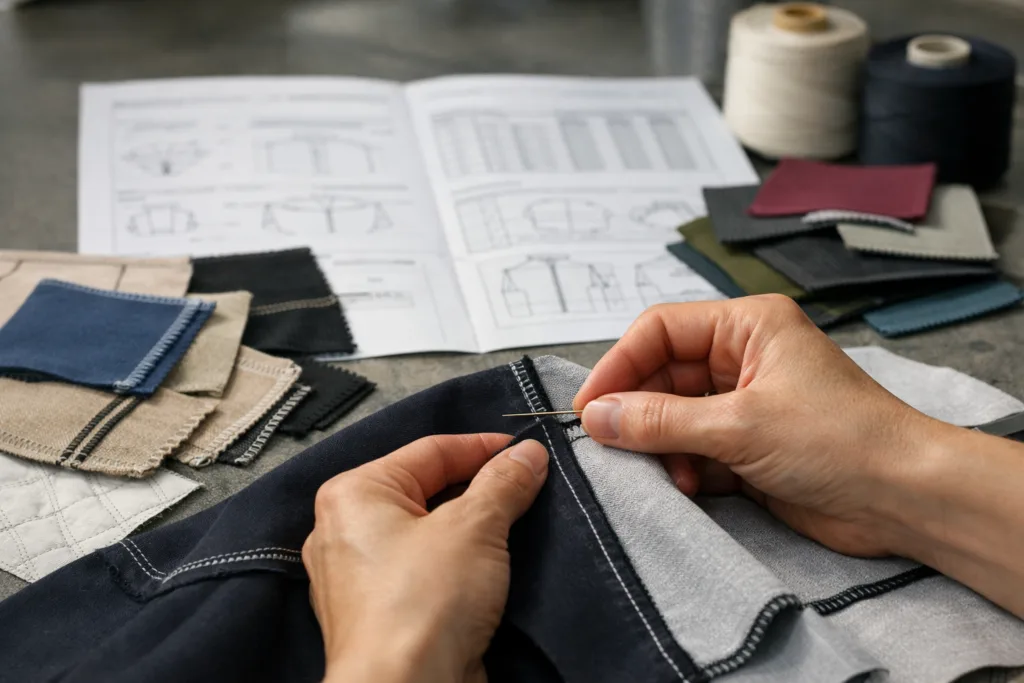
Graphics that show seam structures and actual samples with callouts facilitate understanding—but when visuals are lacking, always use ISO and finish terminology. If required, share photos or annotated diagrams. Asking for a professional tech pack can further clarify intent and reduce ambiguity for all parties.
How Fabric and Design Impact Construction Choices
The right seam or stitch depends on the fabric’s properties (stretch, thickness, fray potential) and design needs (durability, comfort). For example, lightweight fabrics may require French seams (ISO SF), while stretch knits often need 4-thread overlocks (ISO 512). Be explicit about these choices, considering both functional and aesthetic requirements.
Industry Example: How Ninghow Apparel Settles Stitch Disputes
From the manufacturer’s perspective, unclear instructions can create rework or scrap. At Ninghow Apparel, we’ve found that referencing the stitch’s ISO code—even in email chains—lets patternmakers, sample sewing, and bulk teams align before production begins. A sample labeled “Back yoke: ISO 401, 1.2 cm S/A” clears up any debate fast. Our advice: always document your construction details this way upfront to prevent mistakes down the line.
Using Seam Allowances to Control Fit and Waste
Well-planned seam allowances go beyond technical accuracy. They shape how much fabric is consumed and affect the final garment fit. Inconsistent allowances may cause headaches during apparel customization or size grading. Factories will default to their own standards unless you say otherwise. So, always include both the seam type and desired allowance in your tech packs.
Communicating Finishing Techniques: Clean, Raw, or Bound?
A garment’s visual polish depends on the right finish. “Overlocked edge,” “bound edge,” and “blind stitched hem” all achieve different effects. Use ISO finish descriptors when possible. If your design requires a specialized technique, such as Hong Kong binding, add a photo and written note, not just verbal instructions, to eliminate guesswork.
Best Practices: Reducing Communication Errors in Construction
- Write ISO codes and clear instructions for every seam and stitch
- Always state seam allowances (e.g., 1 cm, 1.5 cm)
- Describe finishes in detail or reference a sample
- Confirm terminology with your factory before bulk production
- Update tech packs with any corrections post-sample round
Seam and Stitch Quality Control: Audit and Approval Tips
Final QC hinges on matching expected standards. Even small changes—from seam width to thread color—can affect inspection results. Strong QC teams use checklists from the approved sample, referencing ISO codes used throughout planning. This is essential whether producing custom T-shirts, polos, or complex activewear pieces.
Pitfalls to Avoid: Most Common Communication Mistakes
- Assuming the factory “knows your style” instead of specifying
- Using vague terms like “standard stitch” or “basic seam”
- Mixing metric and imperial units for seam allowance
- Drawing only and omitting written instructions
- Not updating the tech pack after sample approvals/revisions
Case Study: Clear Tech Pack Communication vs. Guesswork
Brand A sent a tech pack stating “all seams 8mm, overlocked”, referencing ISO 504 throughout; Brand B said “sew as usual”. The first order ran on time; the second saw major delays and costly rework. The lesson? Clear, universal instructions using ISO terms and exact allowances keep production on track—regardless of where you manufacture.
The Benefits of Mastering Construction Details Language
- Minimizes sampling rounds
- Makes QC straightforward and defendable
- Improves fit and finish consistency
- Simplifies reorders and changes
- Reduces costly miscommunications
How to Learn and Apply ISO Stitch Codes in Everyday Workflow
Keep the ISO stitch type table handy (like the reference table above). Many online guides and professional books break down stitch visuals and uses as well. Update your tech packs and spec sheets to incorporate ISO vocabulary, and train your internal or freelance patternmakers in this system. Your communication and outcomes will vastly improve.
Summary: Communicating Construction Details with Confidence
To sum up, precise construction details—especially ISO stitch type, seam allowances, and finish descriptions—are the backbone of smooth apparel development. They’re not just for advanced technicians; brands and designers who master this language save money and avoid stress. Implement these strategies from the start, and you’ll avoid nearly all the classic sampling and bulk production pitfalls.
Communicating Construction Details: Seams, Stitches, and Finishes
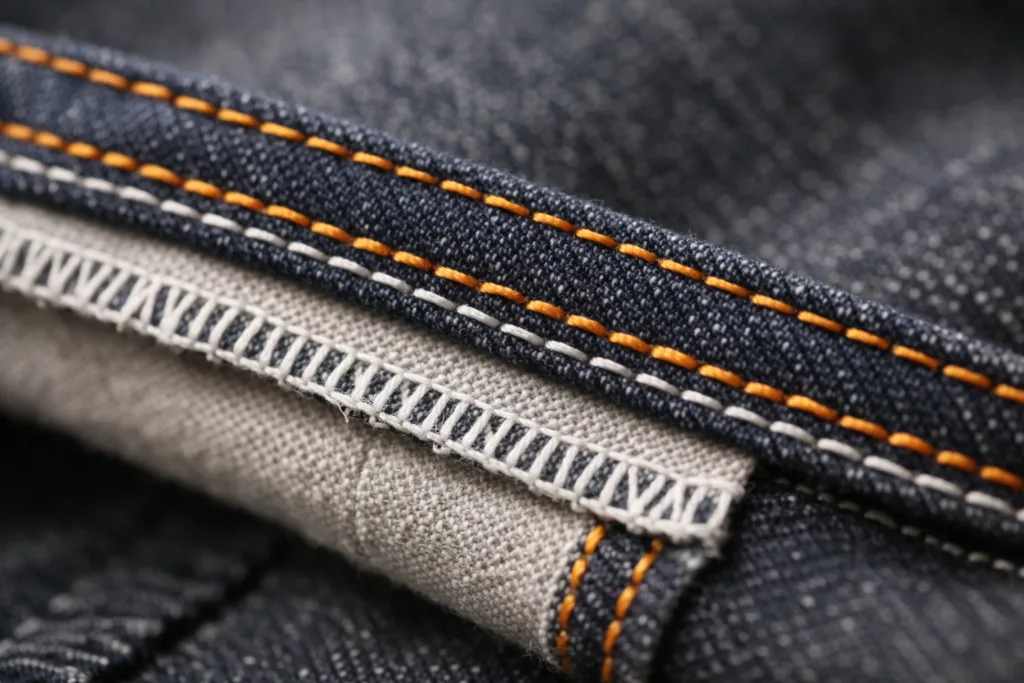
In modern apparel development, the most successful teams use detailed technical language, referencing ISO codes for every stitch and seam. This ensures that everyone, from designer to factory, speaks the same language. Take the time to review construction detail communication in your process—consistency is your best friend. Put it in writing, include annotated images, and update details as you move from sample to bulk. Your end product—and your bottom line—will thank you for it.
Frequently Asked Questions
What does ISO stitch type mean in apparel?
ISO stitch type refers to an international system that numbers and defines garment stitches, making instructions universally understandable for factories worldwide.
How do I specify seam allowance in a tech pack?
Clearly note the seam allowance (e.g., “S/A: 1 cm”) next to every seam in your tech pack, using consistent units and explicit instructions for clarity.
Why is it important to use standardized construction terms?
Standardized terms (like ISO codes) remove ambiguity, minimize errors, and ensure manufacturers deliver precisely what you design, regardless of location.
Can using ISO codes prevent production delays?
Yes. Providing exact ISO stitch and seam codes dramatically reduces misunderstanding between design and sewing teams, preventing costly production delays.
What happens if I don’t specify my seams and stitches?
If you leave details vague, the factory will guess or default to their habits, leading to fit, strength, or aesthetic issues in your finished garment.
How can I ensure quality control matches my construction specs?
Share approved sample standards, add clear ISO references in your QC checklist, and perform inspections using the same terminology as your instructions.
Related Reading
- Unlock Pro-Quality Garments with Expert Tech Pack Templates
- Discover the Blueprint: Why Every Fashion Brand Needs a Tech Pack
- Tech Pack vs. Spec Sheet: Which Apparel File Should You Use?
- Avoid Costly Errors: Top 5 Tech Pack Mistakes That Cause Production Delays
- Step-by-Step Guide: Calculate the True Cost of Importing Apparel