
Introduction: The Art of Pattern Making—Drafting from Scratch vs. Draping
Pattern making is the heartbeat of clothing design and apparel manufacturing. Whether you’re launching a fashion brand or working with a garment manufacturer like Ninghow Apparel, understanding The Art of Pattern Making: Drafting from Scratch vs. Draping is crucial. These techniques are the foundation for fit, style, and efficient production. But what exactly are flat pattern drafting and draping, and how do they shape the final garment? This article dives deep into their craftsmanship, key differences, and practical fit for various types of clothing.
Pattern Making Techniques: A Fundamental Overview

Pattern making techniques form the basis for translating fashion design ideas into wearable pieces. There are two primary methods: flat pattern drafting and draping. Each approach offers unique advantages and is suited to specific garment types, production setups, and creative goals.
The Evolution of Flat Pattern Drafting and Draping
Historically, pattern making began as a hands-on art—tailors shaped garments directly on bodies. Over time, systematized pattern drafting emerged, powered by mathematical precision. Today, both flat pattern techniques and draping coexist in modern factories and design studios.
Flat Pattern Drafting Explained
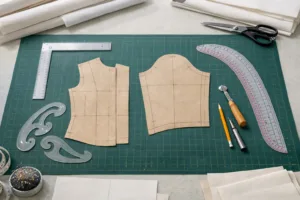
Flat pattern drafting involves creating two-dimensional templates based on measurements and garment specifications. The method starts with a basic block (e.g., bodice, skirt) on paper or digitally, and then modifies it for fit and style.
Essential Tools for Flat Pattern Drafting
- Pencil and ruler
- Pattern master or French curve
- Pattern paper
- Measuring tape
- Scissors
- Notchers and awls
Step-by-Step Process of Flat Pattern Drafting
- Draft the base block using standard measurements
- Adjust for specific fit requirements
- Add design elements (seams, darts, fullness)
- Mark grainlines, notches, and seam allowances
- Finalize the pattern for sampling
Draping Methodology Unveiled
Draping is the process of molding fabric directly on a dress form or mannequin. Instead of starting on paper, designers pin, fold, and manipulate cloth to shape styles organically. This method is highly visual and tactile, perfect for flowing or complex silhouettes.
Key Tools for Draping
- Dress form/mannequin
- Muslin fabric (test cloth)
- Pins and marking tools
- Scissors
- Meter stick
How Draping Works: Real Studio Insight
- Pin muslin to the form
- Shape intended style lines (neckline, waist, armhole)
- Adjust fullness and fit visually
- Mark and cut key areas
- Transfer draped muslin into paper patterns
Comparison Table: Flat Pattern Drafting vs. Draping
| Aspect | Flat Pattern Drafting | Draping |
|---|---|---|
| Starting Point | 2D paper, measurements | 3D fabric on mannequin |
| Suitability | Structured, basic garments | Flowing, complex silhouettes |
| Precision | High, especially for mass production | Visual fit, refinement |
| Speed | Fast for repeat styles | Slower, more exploratory |
| Creativity | Limited to blocks and modifications | Open-ended, artistic |
The Art of Pattern Making: Drafting from Scratch vs. Draping
Mastering flat pattern drafting and draping requires skill, patience, and understanding garment structure. Many clothing manufacturers use flat patterns for efficient production—especially for items like T-shirts, polos, and pullovers, where precision and consistency matter. Draping is more common for high-fashion pieces, eveningwear, or bridal gowns that need unique shapes or fluid movement.
Which Garments Suit Each Method?
Flat pattern drafting is ideal for:
- Basic tops and bottoms
- Uniforms
- Sportswear
- Factory runs needing consistent sizing
Draping shines in:
- Luxury dresses
- Avant-garde collections
- Complex cocktail and eveningwear
- Experimental fashion pieces
Factory Perspective: Balancing Art and Production
In factory settings like at Ninghow Apparel, flat pattern drafting is preferred for its repeatability, size grading, and rapid adjustment for different clients. However, for brands wanting a signature draped shape, the draping method is sometimes used for the first sample before converting to flat patterns for mass production.
Step-by-Step: Flat Pattern Draft Creation
Drafting the Block
Start with standard measurements, plot points for shoulder, bust, waist, and hips, then connect with curves or straight lines for the base block.
Style Adaptation
Add darts, pleats, or specific shapes as required. Update seam allowances for manufacturing ease.
Testing and Adjustments
Sample the pattern in cheap fabric, check fit, refine lines, and re-draft if needed.
Step-by-Step: Draping Process for Unique Silhouettes
Preparing the Dress Form
Cover the mannequin with muslin, mark key reference points.
Pinning and Shaping
Pin muslin along desired style lines, overlap or fold for volume. Adjust for preferred movement and look.
Transferring Draped Design to Flat Pattern
Once satisfied, mark seam lines, remove muslin, and trace onto pattern paper for production-ready templates.
Fit Accuracy: How Each Method Impacts the Final Garment
Flat patterns are measured and graded for predictable sizing. Draping achieves fit directly on the form, but may require extra steps to ensure the final piece matches factory specs.

Production Flow: Time, Cost, and Consistency
Flat pattern drafting is faster in factories, especially when producing high volumes. It allows garment manufacturers to scale sizing and styles quickly. Draping is slower, focused on artistic exploration, and is often reserved for custom or limited-edition pieces.
Sustainable Production: Reducing Waste with Smart Pattern Making
Efficient flat pattern techniques can lower fabric waste and improve production lead times, reducing the environmental impact of mass manufacturing. Some sustainable brands combine both methods to create unique, eco-conscious styles.
Common Challenges and Solutions in Pattern Making
Mistakes in Measurement
Inaccurate measurements lead to fit issues. Always double-check and use standardized size charts. For advice on sizing best practices, see Ninghow Apparel’s clothing customization sizing guide.
Design Limitations
Flat patterns can struggle with experimental shapes. Draping offers more versatility but needs careful transfer to production templates.
Material Constraints
Some fabrics don’t behave well in draping and need special handling. Factory specialists often suggest fabric choices early in the process.
Industry Insights: Pattern Making in Real Manufacturing
Garment manufacturing leaders, like those at Ninghow Apparel, rely on systematic pattern drafting for reliable quality control. They encourage brands to provide detailed style sheets and clear measurement specs to streamline production.
Technological Advances: Digital Pattern Making
Modern factories employ CAD (computer-aided design) systems for flat pattern drafting, speeding up revisions and reducing errors. Draping can also be simulated using 3D software, enabling digital-first prototyping.
Pattern Making Techniques for Startups: Getting It Right from the Start
For startups and new brands, learning how to communicate pattern preferences is essential. Partner with skilled manufacturing teams and use tech packs to record all design details.
The Role of Tech Packs in Apparel Production
Tech packs capture pattern info, specs, and fit instructions, helping factories achieve desired outcomes. Read more about tech pack essentials in this blog post.
Flat Pattern vs Draping: Case Studies from Fashion Brands
Mass-market brands stick with flat pattern methods for consistency and cost. Luxury designers experiment with draping for statement looks. Hybrid approaches are rising, blending structure and creativity.
Future Trends: Hybrid and Digital Pattern Making

The future points toward hybrid pattern systems—combining flat drafting and draping, supported by 3D digital tools for visualization, fit testing, and manufacturing accuracy.
Frequently Asked Questions
What is the main difference between flat pattern drafting and draping?
Flat pattern drafting uses paper templates and measurements, while draping builds the garment on a mannequin using fabric, offering more visual exploration.
When should I use flat pattern drafting for my designs?
Use flat drafting for basic, structured garments—like T-shirts or uniforms—where consistent sizing and high-volume manufacturing are priorities.
Where does draping fit into modern apparel production?
Draping is best for unique, complex, or high-fashion pieces needing organic shapes or custom fit. It’s less common in bulk manufacturing but essential for creative collections.
Which fabrics work best for draping methods?
Soft, fluid fabrics like muslin, silk, and jersey are ideal for draping because they’re easy to shape and pin on a dress form.
How do factories handle pattern grading across sizes?
Factories use graded flat patterns for different sizes, ensuring each style matches brand specifications and production consistency.
Can pattern making techniques reduce fabric waste?
Yes, precise flat patterns reduce waste by maximizing fabric use. Smart planning and digital tools help improve efficiency and sustainability.
Related Reading
- How Dynamic Tech Pack Updates Prevent Costly Mistakes
- The Ultimate Guide to Shirt Types and Choosing the Right One for Your Brand
- Master Construction Details for Robust Apparel Production
- Zero-Error: The Complete Pre-Production Tech Pack Review Checklist
- The Distinction Between Tech Packs and Spec Sheets: What Apparel Brands Must Know