
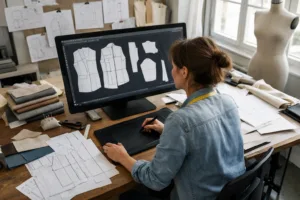
Introduction: Why Outsourcing Pattern Making Is a Game-Changer
Outsourcing pattern making: what to look for in a service provider isn’t just a search term—it’s a strategic move for modern apparel brands, from startups to scaling designers. The quest to hire pattern maker talent or a reliable pattern making service unlocks flexibility and quality, but only if you know what to look for and how to evaluate their past work. The stakes are high: the right technical design expertise cuts costs and mistakes, while the wrong match puts your launch timeline and brand reputation at risk.
Understanding the Pattern Making Process

Pattern making transforms creative sketches into production-ready templates for each garment part. A precise digital or physical pattern ensures consistent sizing and fit, acting as the DNA for every item produced. Whether it’s for custom t-shirts, hoodies, or specialized sportswear, every manufacturing cycle starts with this crucial technical foundation.
The True Role of a Pattern Making Service Provider
Pattern making service providers can be individuals, boutiques, or agencies. Their main job is to convert your designs into accurate, reproducible patterns, using various techniques (flat, draping, digital CAD) and file types suitable for mass production or sampling.
Key Benefits of Outsourcing Pattern Making
- Access to specialized expertise for complex garments
- Faster project kickoff and quicker sampling
- Cost control versus hiring a full-time in-house team
- Flexibility to scale up or test new categories without major investment
Essential Skills of Professional Pattern Makers
Great pattern makers blend experience with technology. They’re detail-oriented, understand garment construction, and know how to optimize for both form and function. Many use advanced CAD software, especially for brands invested in digital pattern making, which streamlines manufacturing and fits modern workflows.
How to Evaluate Past Work Samples
Evaluating a provider’s past work is as important as checking reviews. Look for evidence of technical precision (seams, notches, fit accuracy), variety (different garment types), and problem-solving skills. If available, request sample patterns, finished products, or garment spec sheets to cross-assess fit and construction.
Top Qualities to Look for in a Pattern Making Service
- Technical accuracy: Patterns match design intent and facilitate production scaling
- Chemistry and communication: Transparent, proactive updates and questions
- Relevant experience: Their portfolio matches your product category (activewear, dresses, knits)
- Fast response and timelines: Quick sampling and revision cycles
- Adaptability: Ability to work from sketches, tech packs, or physical samples
How to Vet a Pattern Maker: Interview Questions
- Can you share patterns and samples for similar products?
- Which CAD software or hand methods do you use?
- How do you ensure measurement accuracy and repeatability?
- How do you communicate changes and tech pack requirements?
Common Red Flags When Hiring Pattern Makers
- Vague portfolio details or only generic sample images
- Difficulty explaining pattern revisions or garment grading
- Poor English or slow, inconsistent communication
- Lack of technical drawings or spec sheets
Types of Pattern Making Services: Comparison Table
| Type | Best For | Typical Tools | Main Advantage |
|---|---|---|---|
| Freelancer | Startups, small runs | Manual, some CAD | Affordable, flexible |
| Studio/Agency | Brands scaling up | CAD, digital files | Consistent quality, team support |
| Factory Partner | Direct-to-production | Factory CAD, bulk tools | Smooth transition to sampling |
Checklist: Questions to Ask Before You Commit
- What is your turnaround time for samples and revisions?
- Which garment categories do you specialize in?
- How do you handle privacy, IP, and NDA requests?
- Do you provide digital files compatible with mass production?
- Can you also help with pattern grading and digitizing?
How Technical Design Impacts Production Success
Technical design isn’t just about drawing lines—it impacts everything from material usage to fit and construction cost. Pattern mistakes at this stage cause expensive production errors. That’s why factory-experienced pattern makers (like those who work with apparel manufacturers) ensure that each pattern includes precise notches, seam allowances, and grading marks.
Pattern Grading: Sizing Matters
Professional pattern makers not only create base sizes but can also “grade” the pattern for every size you want to sell. This process is essential to maintain consistent shape and fit across all sizes. Read this in-depth guide: Pattern Grading Essentials.
CAD vs. Manual Patterns: How Tech Is Changing the Game
- CAD pattern making (learn more here): Enables rapid edits, accurate grading, and digital archiving
- Manual pattern making: Suitable for custom, one-off, or specialty items
File Formats to Request from Your Provider
- DXF or .rul (industry-standard digital pattern files)
- PDFs for mockups and version reviews
- Paper patterns for legacy manufacturers
Managing Tech Packs Alongside Patterns
Clear communication requires that tech packs and patterns align. Ensure your chosen service provider is comfortable with detailed tech packs, and can integrate updates as required during samples and production. For tips, check out this tech pack creation and revision resource.
Real-World Considerations: Fit, Sampling, and Revision Cycles
Even the best pattern can need tweaks after physical sampling. Brands value service providers who can turn around changes quickly and provide clear comparison comments from version to version. Always anticipate at least one round of fit or construction tweaks during the sampling process.
Budgeting for Pattern Making: Typical Cost Structures
Pricing varies by garment type, complexity, and location. Many freelancers charge per pattern or hourly, while agencies and factories may offer bundled pricing with grading or samples. Clarify deliverables and revision policies up front to avoid hidden fees.
Geographic Considerations: Local vs. Remote Services
- Local pattern makers: Face-to-face meetings, easier for physical sample handling
- Remote/overseas providers: Lower pricing, but require higher clarity and digital-first communication
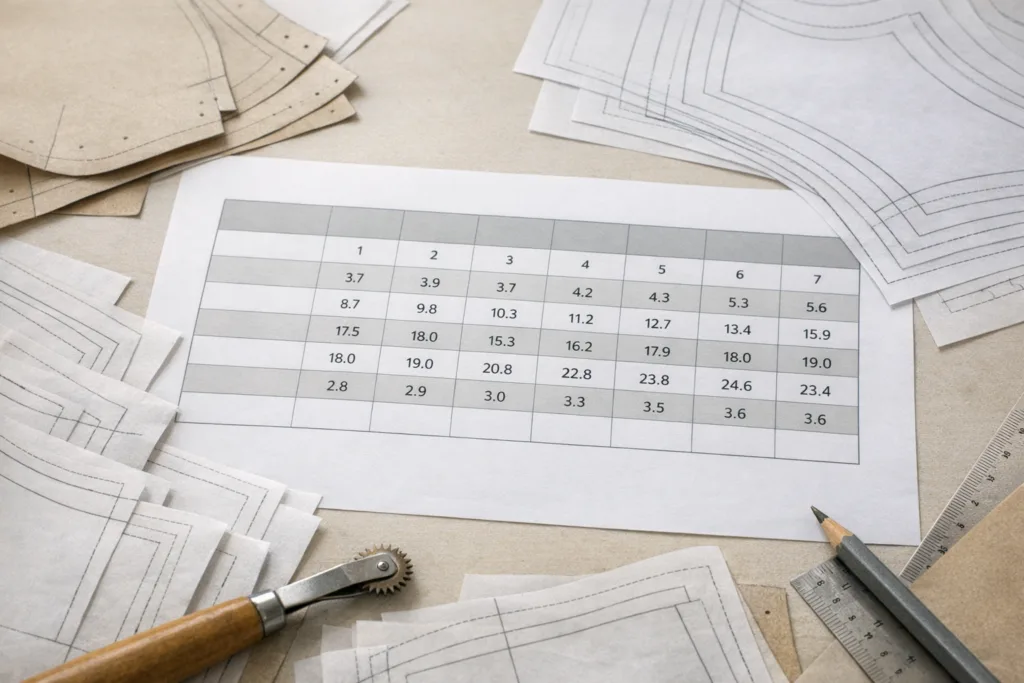
Quality Control and Pattern Review Methods
Insist on a pattern review or approval step before production. An experienced manufacturer, such as Ninghow Apparel, typically checks for accurate seam allowances, notches, and symmetry. QC at this stage is non-negotiable; missing small details can delay an entire collection and increase costs down the production line.
IP, Ownership, and Confidentiality: Protecting Your Designs
Make sure your service agreement includes a clear transfer of file ownership, and request NDA or privacy terms if your design is sensitive. This is especially critical when working with first-time partners or overseas providers.
Keeping Communication Clear: File Sharing and Collaboration Tools
Choose a pattern making service that uses reliable tools for sharing files, commenting on revisions, and storing version history. Platforms like Techpacker or cloud storage with tracked edits can prevent misplaced files or miscommunications.
How to Move Seamlessly from Pattern to Production
Once your patterns are finalized, hand them off to a garment manufacturer who can review and produce your samples directly. Services with in-house production or close factory partners offer smoother transition—reducing sample lead times and minimizing errors from file handover.
Outsourcing Pattern Making: What to Look for in a Service Provider
At the core, you want a partner with proven technical skill, clear communication, a strong portfolio in your product range, and processes for fit/sizing accuracy, all backed by reliability and professional ethics. Confirm their expertise matches your fabric, fit, and production needs, and always cross-check final deliverables before committing to mass production.
Conclusion: Making Outsourcing Work for Your Brand
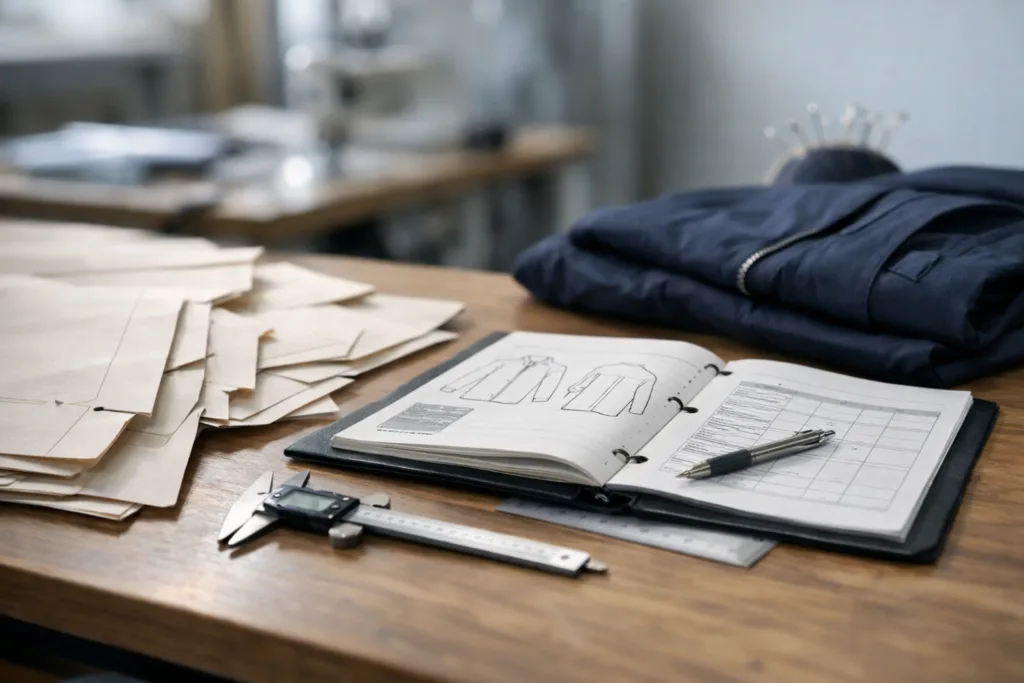
Finding and evaluating the right pattern making service provider is both an art and a science. With the right vetting, process management, and technical checks, you unlock cost savings, product consistency, and agility for your brand—even if you’re starting small. Measure real experience, inspect past work, clarify deliverables, and keep communication front and center. The result? Fewer headaches and clothes you’re proud to deliver.
Frequently Asked Questions
How do I verify a pattern maker’s portfolio is authentic?
Ask for pattern files, production samples, and references. Confirm their past clients and check for technical details in their work—such as grading, notches, and construction notes.
What file format should I request for production patterns?
DXF or .rul files are standard for digital manufacturing. For manual workflows, request clean paper patterns plus PDF documentation for revisions and approvals.
How fast can I get a pattern made by an outsourced provider?
Turnaround varies by complexity, but initial patterns usually take 4–7 days. Include extra time for revisions and fit sampling, depending on feedback cycles.
Should I hire a freelancer, studio, or factory for pattern making?
Freelancers suit low-volume or experimental products; studios are ideal for scaling brands; factory partners streamline from pattern into production for established SKUs.
What is pattern grading and why does it matter?
Pattern grading creates all size variations from a base pattern, ensuring consistent shape and fit for every size offered in your line.
How do I protect my original designs when outsourcing?
Use NDA agreements, retain ownership of digital files, and research provider reputability before sharing high-detail sketches or innovative concepts.
Related Reading
- Master Pattern Fit Consistency: Build Your Block Library for Professional Results
- Precision in Manufacturing: Set and Control Pattern Tolerances
- Flat Pattern vs. Draping: Which Technique Delivers Better Fit?
- Pro Tech Pack Creation: The Full Step-by-Step Playbook
- Scaling Up: How to Graduate from Small Batch to Mass Production Without Headaches