

Introduction: The Cutting Edge of 3D Virtual Fitting
In today’s fast-moving apparel manufacturing industry, 3D Virtual Fitting: Reducing Physical Samples with Digital Twins is truly transforming how brands develop, approve, and bring collections to market. Using advanced technologies like CLO3D, Browzwear, and immersive virtual fit sessions, designers and manufacturers can visualize and validate new garments digitally—slashing the need for expensive physical samples and long shipping delays. Intrigued? This comprehensive guide explains how digital twin technology not only cuts waste and saves money but also raises the bar for fit accuracy, collaboration, and sustainable production cycles in the global apparel sector.
What Is 3D Virtual Fitting? Defining the Revolution

3D virtual fitting uses computer-generated garment models and human avatars, powered by digital pattern data, to simulate how a real clothing sample would drape and fit. By merging sewing knowledge with advanced software like CLO3D and Browzwear, apparel teams can instantly preview and tweak fit, construction, and design—instead of waiting days or weeks for sewn physical prototypes to arrive by courier.
Physical Sampling Pain Points in Fashion
Before digital twins arrived, the apparel world relied heavily on physical samples. The process was slow and painful: paper patterns, back-and-forth revisions, hand sewing, and costly express shipments for every design change. If you work at a bustling fashion brand or factory, you already know the headaches: delays, sky-high expenses, and a mountain of textile waste.
How Digital Twins Transform Garment Sampling
A digital twin is a perfect, editable virtual copy of a real garment sample—built from accurate pattern data, fabric physics, and trim details. It behaves like the real thing on screen. Design teams use these twins during virtual fit sessions to test ideas, get quick feedback, and approve colorways or size specs—without ever cutting fabric. That’s game-changing for both sustainability and profit margins.
Core Technologies of 3D Virtual Fitting
- CLO3D: Intuitive interfaces, advanced fabric simulation, and fast rendering help designers go from 2D pattern to realistic 3D sample in minutes.
- Browzwear: Known for its powerful physics engine and manufacturer-focused tools that accurately reflect stitching, layering, and garment performance.
- Avatar Libraries: Standardized digital bodies reflecting global sizing, or fully customizable avatars representing real fit models or end-customers.
- Virtual Fit Session Platforms: Online collaborative environments where team members “meet” inside a shared digital space, viewing and adjusting samples in real time—no travel required.
Why Are Brands Switching to 3D Sampling?
Modern brands face brutal timelines, strict budgets, and growing demands for innovation. 3D sampling tackles these challenges head-on by:
- Speeding Approvals – Instant visual feedback accelerates design decisions
- Reducing Shipping and Labor – Fewer courier trips and hand-made samples
- Minimizing Material Waste – No more discarding failed samples
- Enabling Distant Collaboration – Teams and suppliers work together, even across continents
Inside a Typical Virtual Fit Session
A virtual fit session is an interactive online meeting between design, technical, and manufacturing teams. Everyone views a synchronized 3D model—the digital twin—on their screen. You can swap colors, check seam placements, and even simulate body movement to catch fit issues early. This live digital review bridges gaps between creative intent and production reality.
CLO3D vs Browzwear: A Quick Comparison
| Feature | CLO3D | Browzwear |
|---|---|---|
| User Friendly? | Highly intuitive, easy for designers | Steep learning for deep production tools |
| Fabric Simulation | Excellent drape & physics | Industry-standard accuracy |
| File Compatibility | Common 2D pattern exports (DXF, AI) | Strong with PLM, ERP, CAD systems |
| Target User | Designers, brands, freelancers | Manufacturers, technical developers |
Real-Life Manufacturer Perspectives: What Changes?
From the shop floor at Ninghow Apparel, integrating true 3D virtual fitting meant updating pattern workflows and training production leads on interpreting digital samples. Initial skepticism faded as teams realized virtual fit results often matched cut-and-sewn outcome—especially in jersey, polyester, and most woven styles. Technical diligence is still needed, particularly for tailored or performance garments where seam tension and lining have subtle effects. But for 80% of styles, digital twins streamlined operations and improved first prototype hit rates.
The Digital Sampling Workflow Step-by-Step
- Pattern Creation – Start with 2D CAD (or digital block library)
- Avatars & Fit Models – Choose or scan real-size avatars to match your brand’s spec
- 3D Simulation – Import patterns into CLO3D or Browzwear and apply fabrics, seams, and trims
- Virtual Fit Session – Review, annotate, and adjust live with stakeholders
- Revision & Approval – Make changes instantly—no re-cutting or reshipping required
Which Garments Benefit Most from 3D Virtual Fitting?
- Basic T-shirts and polos
- Hoodies and pullovers
- Shorts, tank tops, and vests
- Many technical knitwear and sportswear pieces
- Fashion-forward, voluminous, or draped looks
If you’re exploring OEM manufacturing for these core styles, Ninghow Apparel’s shop-floor teams now recommend a digital-first approach to clients aiming for low minimums or tight deadlines.
Saving Time: A Comparative Timeline
| Process | Physical Sampling | 3D Virtual Fitting |
|---|---|---|
| Pattern Approval | 1–2 weeks (+ courier) | Same day – Instant |
| Design Review | 2–3 days per revision | Minutes per change |
| Fit Confirmation | Multiple physical trials | All digital, rarely need hard sample |
Cost Savings: How Much Can You Really Save?
Depending on style complexity and team cadence, switching to 3D fitting can cut sample and courier costs by 20–70% per season. For straightforward cut-and-sew or branded basics, the savings stack up quickly, especially if you often source from distant factories looking to minimize MOQs and streamline development cycles.
Sustainable Impact: Less Waste, Cleaner Operations
Each digital-first design means one less fabric sample headed to the landfill. Some brands report reducing physical sample waste by 40% or more, with further eco gains through reduced airfreight and resource use. This aligns with mounting consumer and regulatory pressure for greener production.
Clarity, Consistency, and Communication
3D virtual samples ensure everyone in your supply chain—from creative to production—has access to the same, consistent, up-to-date garment file. Misunderstandings about measurement, silhouette, or construction details drop dramatically.
Challenges and Limitations of Digital Twins
Physical samples aren’t entirely dead—yet. Unique fabrics, intricate embellishments, and some high-stakes production runs still demand real samples for final buyer approval. Plus, not all suppliers have full 3D modeling capacity. That’s why an honest, balanced approach combines the best of virtual and traditional workflows.

Case Study: Fast-Track Streetwear Collection
A mid-sized streetwear brand started with physical samples but turned to Browzwear avatars for a crucial express collection. Using digital twins, they revised graphics, adjusted fit, and aligned on sizing with their hoodie manufacturer—all before sewing a single piece. Time to market was chopped by 35%, without a single DHL rush fee. This hybrid sampling approach is now spreading rapidly from mid-market to global players.
Integrating 3D Fitting with Quality Control
Virtual fitting data feeds directly into digital tech packs and supports consistency in mass production. During QC, inspectors can reference 3D files alongside real garments for precise measurement and construction checks, making sure your factory’s production matches the digital approved silhouette.
3D Virtual Fitting: Reducing Physical Samples with Digital Twins
Let’s be clear: 3D virtual fitting is not just about fancy graphics—it’s about hard savings, workflow simplicity, and better brand confidence. Every apparel pro chasing faster launches and fewer returns needs to explore digital twins today. The evolution isn’t coming. It’s already here, reshaping how fashion, sportswear, and basics makers design, approve, and deliver best-sellers to global markets.
Digital Twins and Sizing—Pattern Library Power
The power of virtual sampling grows when linked to a clean, well-managed block library—your collection of master size patterns. By reusing and tweaking these digital blocks, teams can jump-start new collections, maintain fit consistency, and map out size ranges for every customer profile. Learn more about sizing strategy and its link to digital workflows in this essential guide on clothing customization and sizing.
Best Practices for Teams Implementing Virtual Sampling
- Start simple—focus on basic styles and get team buy-in with quick wins
- Invest in practical training, not just software licenses
- Work closely with manufacturing partners to align on measurement, tolerance, and sample approval methods
- Maintain clear, version-controlled pattern libraries for a consistent fit
Future Horizons: AI and Next-Gen Sampling Tools
As AI-enhanced 3D tools advance, expect even more predictive fit analysis, automated grading, and virtual runway shows. Integrated platforms will soon allow customers to “try on” collections in online stores—driving new levels of personalization and reducing e-commerce returns for brands leveraging tools like CLO3D and Browzwear.
Conclusion: Embracing the Digital Twin Revolution
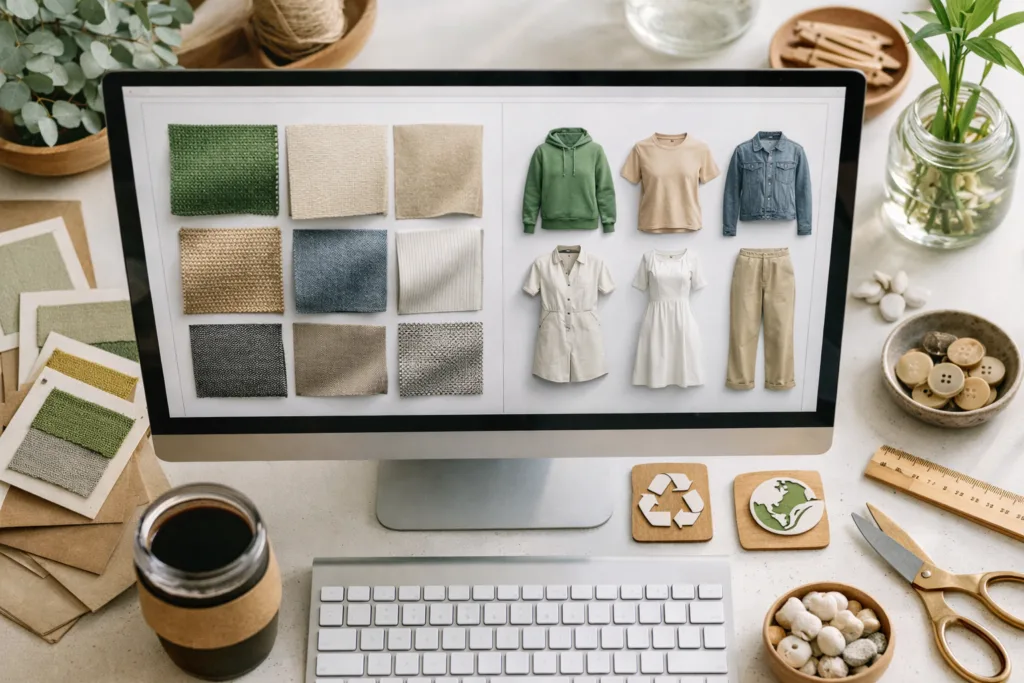
Adopting 3D virtual fitting and digital twins marks a breakthrough in fashion and sportswear product development. The benefits are clear—shorter cycles, lower costs, less waste, and cross-border transparency. To stay competitive, today’s brands and factories must blend digital-first workflows into their sampling, sizing, and approval strategies while maintaining hands-on understanding of real-world fabric and fit. In this race toward speed and sustainability, digital twins aren’t a temporary trend—they’re central to a smarter, cleaner, and more adaptable future for apparel manufacturing.
Frequently Asked Questions
What is the biggest advantage of 3D virtual fitting over traditional sampling?
3D virtual fitting saves time and money by allowing instant, accurate digital sample reviews instead of waiting for physical samples to ship and be revised.
Can all clothing types use 3D sampling effectively?
Most basic and fashion garments benefit—especially t-shirts, hoodies, shorts, and tank tops. Complex couture pieces or intricate fabric manipulations may still require real samples for final approval.
Do 3D fitting tools like CLO3D and Browzwear replace all physical samples?
They dramatically reduce the need for most development and fit samples but do not fully replace final physical approval for every style, especially high-detail or luxury collections.
Is virtual fit accurate for size and drape?
When using accurate digital patterns, realistic fabric physics, and correct avatars, virtual fit is very reliable—though always verify with some real samples for new or critical projects.
Do smaller brands need expensive 3D software for sampling?
No—cloud services and freelance options allow smaller brands to access 3D sampling workflows affordably, without heavy upfront investment in software licenses or hardware.
Can manufacturers work with digital twins even without CAD or 3D specialists?
With simple training and collaboration with digitization partners, most modern apparel factories can interpret 3D patterns and participate in virtual fit sessions effectively.
Related Reading
- How Digital Pattern Making Drives the Next Wave of Fashion Manufacturing
- Get Precision Fit: Your Guide to Pattern Tolerance & Manufacturing Variations
- Proven Tech Pack Steps: Streamline Samples and Pre-Production Success
- Sample Quality Revealed: Top 7 Signs to Spot a Factory That Cares
- Choosing the Right Shirt: Comprehensive Guide to Manufacturer Options