
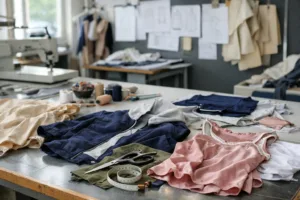
Introduction: Mastering the 4 Stages of Sampling in Apparel Production
Ever wondered how clothing brands go from sketches on paper to finished garments that fit perfectly and meet strict quality standards? The secret is a structured process called The 4 Stages of Sampling: Proto, Fit, PP, and TOP Explained. In the fast-paced world of apparel manufacturing, understanding these garment sampling stages isn’t just for designers—it’s essential for sourcing managers, startup founders, and anyone who wants consistent results from their factory. This step-by-step system helps prevent costly mistakes, ensures each piece matches your vision, and smooths out production before it’s too late to change course. Let’s break down each stage and see where fit, quality control, and real-world factory knowhow truly matter.
Understanding the Garment Sampling Process

Sampling is the backbone of reliable apparel production. Each stage—Proto, Fit, Pre-Production (PP), and Top Of Production (TOP)—serves a unique purpose, acting like a checkpoint to spot and correct issues. Whether you’re making T-shirts, polos, or complex outerwear, missing a stage or rushing compromises everything downstream. Big brands and small startups alike trust this 4-stage approach. In fact, manufacturing quality control centers on handling samples properly before the production line runs. Let’s explore what happens at each key milestone.
Why Sampling Matters in Garment Manufacturing
Sampling stages aren’t just tradition—they reduce risk, set standards, and allow buyers and factories to work from the same playbook. By running each sample through strict checks, brands avoid late-stage disasters and can control fit, fabric, colors, trims, labels, and make quality. Think of it as rehearsal before the main show: get it wrong here, and you risk delays, returns, and dissatisfied customers later.
Stage 1: Proto Sample Explained
The Proto Sample (prototype) is the earliest physical interpretation of your design. It translates sketches and a tech pack into a tangible garment, confirming the idea is possible to make. At this point, the focus is on translating intent, not final perfection. The Proto may use substitute fabrics or trims if the final versions aren’t available yet. Brands and manufacturers like Ninghow Apparel often use Proto Samples to test pattern feasibility and highlight obvious construction issues before moving forward.
| Proto Sample Features | Purpose | Common Materials |
|---|---|---|
| First physical build | Test design idea | Substitute fabric/trims allowed |
| Not fit-focused yet | Spot technical challenges | Basic hardware, generic labels |
| Made from tech pack | Evaluate construction method | Often single color/size |
Common Checklist for a Proto Sample
- Is the pattern close to the design drawing?
- Are construction details doable for production?
- Are fabric and trims available at industrial scale?
Stage 2: Fit Sample—Achieving Precision in Sizing
After resolving the main technical barriers in Proto, it’s time for the Fit Sample. This version is all about dialing in measurements so that the garment fits your target customer. Usually built in the intended fabric and the main target size, the Fit Sample unlocks a smooth transition to mass production by perfecting pattern and grading rules. Factories like Ninghow Apparel often spend multiple sample rounds here, making precise tweaks and recording adjustments to ensure all production pieces later will feel consistent, whether for men’s, women’s, or children’s styles.
Key Aspects of Fit Sampling
- Made in final or close-to-final fabric
- Includes all major shaping seams and garment silhouette
- Tweaks made for sleeve length, shoulder width, chest, waist, etc.
- Brands fit-test on a live model or standard mannequin
Fit Sample Approval Steps
- Evaluate wearability, comfort, and movement
- Record measurement changes and communicate to patternmakers
- If needed, repeat with a counter sample to confirm issues are fixed
Stage 3: PP Sample (Pre-Production Sample) Process
The PP sample is where things get serious—this is the “dress rehearsal” using real production materials, trims, and industrial sewing methods. Unlike Proto or Fit samples that might allow for substitutions, PP must closely match exactly what will be mass-produced. Factories set their processes, QC teams run their checklists, and clients sign off, locking production specs. Brands rely on PP samples to set bulk color, trim, embroidery, print placement, washing effect, packaging, and even labeling. At Ninghow Apparel, for example, the PP sample often becomes the “master approved sample” that all future units must match.
| Aspect | PP Sample |
|---|---|
| Fabric/Trims | Must be final version |
| Construction | Bulk production method only |
| Decoration/Label | Exact placement, color, and type |
| Packaging | Replicates final folding, bags, tags |
PP Sample Approval—The Final Bulwark
- Bulk production cannot start without signed PP approval
- All teams—design, merchandising, QC, and manufacturing—review the sample
- Production begins only if the PP matches the signed-off sample and tech pack
Stage 4: TOP Sample—Ensuring Launch-Ready Quality
The TOP (Top of Production) sample provides a safety net by pulling a garment from the actual production run. This is the “last defense” against last-minute surprises and ensures that what ships to customers meets every standard agreed upon using the PP sample. It’s common for QC and even third-party inspectors to verify TOP samples before releasing an order for shipment. Brands may request images or physical TOP samples shipped by air for sign-off—especially on large, international orders or first-time supplier relationships.
What to Check in a TOP Sample
- Fabric batch consistency (shade, weight, hand-feel)
- Workmanship: stitching, labeling, finishing are all clean
- Packing matches instructions (fold, sticker, barcodes)
- No last-minute substitutions or batch defects
The Full Timeline: From Proto to TOP Sample
A typical sampling timeline for a garment production run looks like this:
- Proto Sample: 1 week (for pattern and construction check)
- Fit Sample: 1–2 weeks (with 1–2 revision rounds)
- PP Sample: 5–10 days (must match bulk material/trims)
- TOP Sample: Picked from first 5–10% of final production
Delays often occur when samples fail reviews, measurements drift, or communication isn’t clear. Many brands use a step-by-step tech pack process to systematize details and keep all sample versions organized.
The Role of Tech Packs and Communication
Every sample depends on a detailed tech pack—a document laying out construction, measurements, fabrics, trims, colors, graphics, and labeling instructions. A solid tech pack serves as a contract between design and factory. If you don’t keep samples and tech pack versions aligned, production confusion and costly errors are inevitable. Consider tools or checklists to help manage tech pack updates during the sampling journey.

Common Pitfalls When Sampling Goes Wrong
- Skipping a stage to save time—leads to disastrous bulk defects
- Poor measurement tracking—causes inconsistent sizing
- Using different trims at each stage—results in color mismatches
Factory Insights: Realities from the Sampling Floor
From experience, the best-run factories treat the 4 sampling stages as scheduled, non-negotiable milestones. At Ninghow Apparel, for instance, we never move bulk rolls of fabric or prep production machinery until a PP sample is physically approved by the buyer. Rushing or skipping samples only leads to extra costs, scrap materials, and upset clients later.
Tips for Getting Sampling Right
- Allow time to review each stage; don’t rush feedback
- Always compare fit, fabric, and details against signed samples in person
- Document all measurement or material changes in the tech pack
Proto Sample vs. Fit Sample vs. PP Sample vs. TOP Sample
Let’s compare the major differences between all 4 garment sampling stages in one quick table:
| Stage | Goal | Materials Used | When to Approve |
|---|---|---|---|
| Proto | Test design feasibility | Substitute ok | Can make? Any major flaws? |
| Fit | Perfect measurements / fit | Final/preferred fabric | All fit issues solved |
| PP (Pre-Production) | Lock all specs for production | Exact bulk fabric/trims | Before mass sewing line starts |
| TOP | Validate first production output | Batched-on-line | Before order release for shipment |
The Value of a Structured Sampling Workflow
Following the four stages—Proto, Fit, PP, and TOP—reduces risks, minimizes miscommunication, and lets brands launch products faster with fewer surprises. It also protects factories, who know exactly what’s expected. Bringing discipline to sampling means happy brands, fewer delays, and less waste for everyone in the supply chain.
The 4 Stages of Sampling: Proto, Fit, PP, and TOP Explained
The sampling journey is a must-know roadmap for any serious garment project. Missing a step can cost weeks and thousands in rework; following all four is the industry’s secret recipe for consistency and quality. If you’re planning to scale production or launch a new brand, take time to master these four milestone checks.
Conclusion: Key Takeaways for Success in Garment Sampling

Building a reliable sampling process is the foundation of repeatable, scalable, and profitable apparel manufacturing. By respecting the four critical stages—Proto, Fit, PP, TOP—every stakeholder ensures fewer costly mistakes, smoother production, and a final product that shines on shelves and racks. Remember: every skipped checkpoint is a chance for error to sneak in. Structure, discipline, and detailed tech packs (kept in sync with each sample) are your secret weapon for predictable success.
Frequently Asked Questions
What is a Proto Sample and why is it important?
A Proto Sample is the first physical version of a garment, used to check if the design can be made and to catch basic pattern or construction errors before moving ahead.
How does a Fit Sample differ from a Proto Sample?
A Fit Sample uses the correct fabric and sizes to test comfort and verify measurements match the target customer, while a Proto focuses on construction feasibility.
What does a PP Sample include?
The PP (Pre-Production) Sample is made with final fabrics, trims, and all correct decorations, and must match the planned production method exactly.
When is a TOP Sample created?
A TOP (Top of Production) Sample is drawn from the actual mass production run to confirm consistency and quality before bulk shipping begins.
Can you go directly from Proto to PP Sample?
Skipping stages like Fit sampling risks pattern errors or mis-sizes; following all four stages prevents costly late corrections and production mistakes.
How do you ensure all samples use the same information?
Using a detailed tech pack and updating it with every sample round ensures all teams work from the same instructions and specs.