

Introduction: Size Set Sampling—Budget-Saving Strategies Explained
When launching a new apparel collection, one tough question always pops up: do you truly need to sample every single size? For brands watching their development spend, the answer isn’t simple. This article tackles jump sizing and grading verification as cost-saving strategies, with direct advice for designers, startups, and clothing manufacturers balancing fit accuracy and production timelines. We explore how size set sampling decisions shape quality control, market confidence, and even customer satisfaction.
What Is Size Set Sampling?
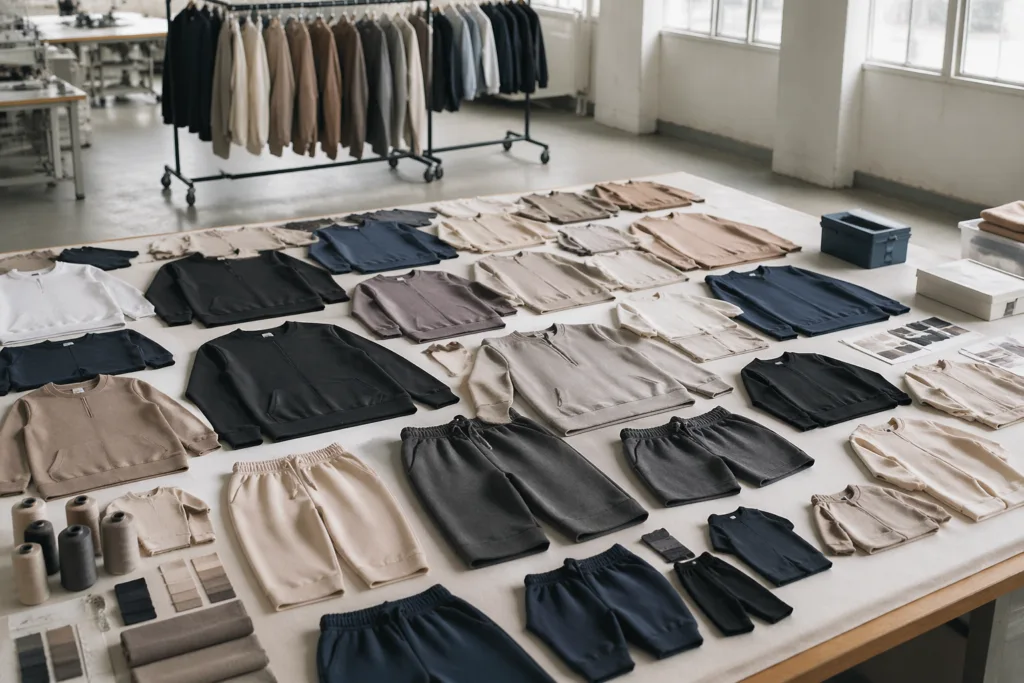
Size set sampling means producing prototypes across a range of sizes—often from the smallest to the largest intended for market. Brands use this method to check garment grading and fit before mass production. It’s both a QA tool and a safeguard against costly mistakes. Manufacturing experts like Ninghow Apparel prioritize size set sampling to validate pattern grading after digital or manual adjustments, ensuring each size fits as expected.
Jump Sizing—Can You Skip Sampling Some Sizes?
Jump sizing is a strategic shortcut: instead of sampling every size (XS, S, M, L, XL), you only sample key sizes (like S, L, XL) and skip intermediate ones. The goal? Save money and time while still finding grading errors before they reach the factory floor. This tactic works best for styles with predictable grading rules or when development budgets are tight. However, it’s vital to ensure jump sizing doesn’t mask issues that could trigger expensive production setbacks.
Grading Verification—How It Impacts Your QA
Grading verification checks the accuracy of pattern scaling between sizes. After jump sizing, it’s crucial to verify graded patterns digitally and through a physical fit session. Often, manufacturing quality control teams rely on grading verification to catch shape distortions or measurement drift. For technical garments, sampling every size may still be necessary to ensure consistent fit and performance.
Why Are Size Sets Important for Apparel Brands?
Size sets don’t just confirm fit—they drive customer satisfaction and reduce warranty claims. Brands that focus only on model sizes risk alienating clients whose bodies don’t match idealized samples. Whether using jump sizing or full size sets, your approach to sampling directly affects brand reputation and repeat sales.
Cost Factors—Budgeting Your Size Set Sampling
For each sampled size, you must account for pattern making, grading, materials, and labor. Brands often face tough trade-offs: sample everything for maximum certainty or use jump sizing to stay on track financially. Sample making costs can snowball if not properly managed, especially for complex styles or high-volume launches.
Jump Sizing Pros and Cons
| Pros | Cons |
|---|---|
| Reduces sampling costs | May miss grading errors |
| Saves development time | Fit issues can go undetected |
| Easier for simple products | Riskier for performance wear |
| Allows faster approval | Customer complaints may rise |
When Is Full Size Set Sampling Essential?
Sampling every size is crucial for styles with complex fit—like fitted jackets or garments with engineered fabrics and trims. Likewise, brands expanding into new markets with unfamiliar body types rely on full size set sampling to avoid costly misalignment with customer expectations.
Jump Sizing—Common Implementation Mistakes
Jump sizing can backfire when brands skip critical sizes (often the midpoint) or assume their grading is flawless. Common pitfalls include missing fit inconsistencies in mid-range sizes and excluding plus-size or petite samples, leading to poor inclusivity. Always consider your customer demographics before choosing which sizes to sample.
Strategies for Smart Size Set Sampling
- Sample outermost and midpoint sizes (e.g., XS, M, XL)
- Pair jump sizing with digital grading verification tools
- Conduct fit sessions with diverse model types (Fit Session Steps)
- Review historical sales and return data to select sample sizes
- Consult with your manufacturer for realistic sampling schedules (Sampling Lead Times Guide)
Digital Sampling—How 3D Tools Support Jump Sizing
Advances in 3D clothing design and digital twins allow brands to test grading virtually, reducing the need for physical samples. Manufacturers like Ninghow Apparel leverage digital pattern making and virtual fitting to catch errors before producing size sets.
Pattern Grading—Key Checks for Jump Sizing
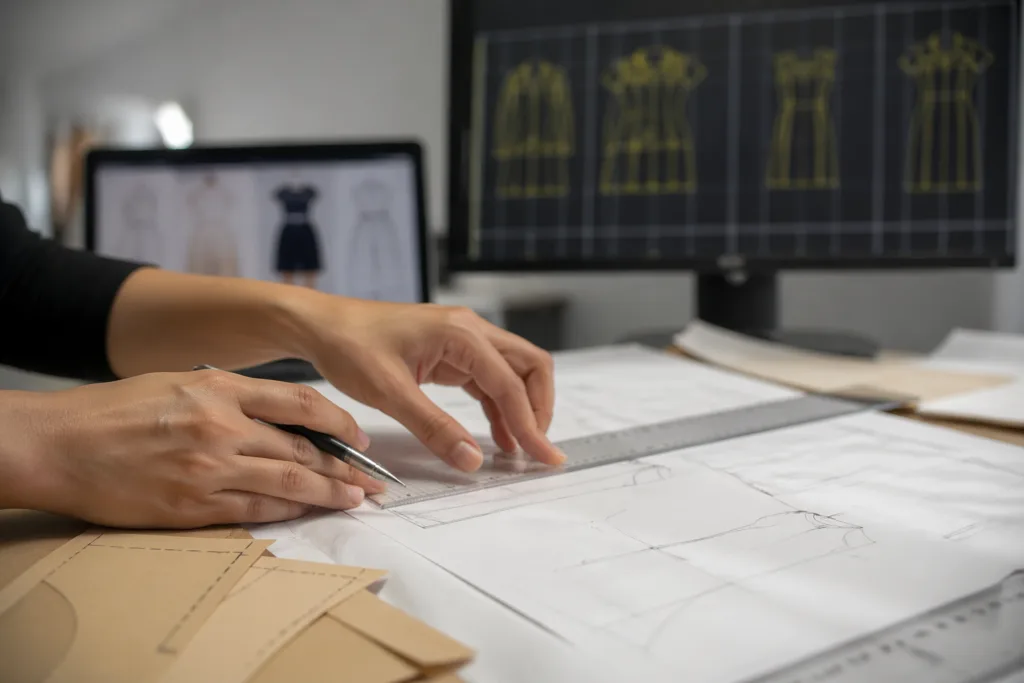
Verify that seam lines, darts, and shaping features scale smoothly across all sizes. Use grading overlays and tolerance checks (Pattern Tolerance Guide) to spot issues, especially if skipping physical samples for some sizes.
Ninghow Apparel Perspective: Real Factory Experience
From the production floor, Ninghow Apparel shares that jump sizing only works when the original block pattern and grading rules are both strong and proven. If pattern corrections happen late, expect longer lead times and higher costs—even if you skip some sizes up front. Also, sampling oversized styles or ultra-fitted products requires more caution, as subtle grade errors are harder to spot without full size sets.
Fit Sessions—Step-by-Step Grading Verification
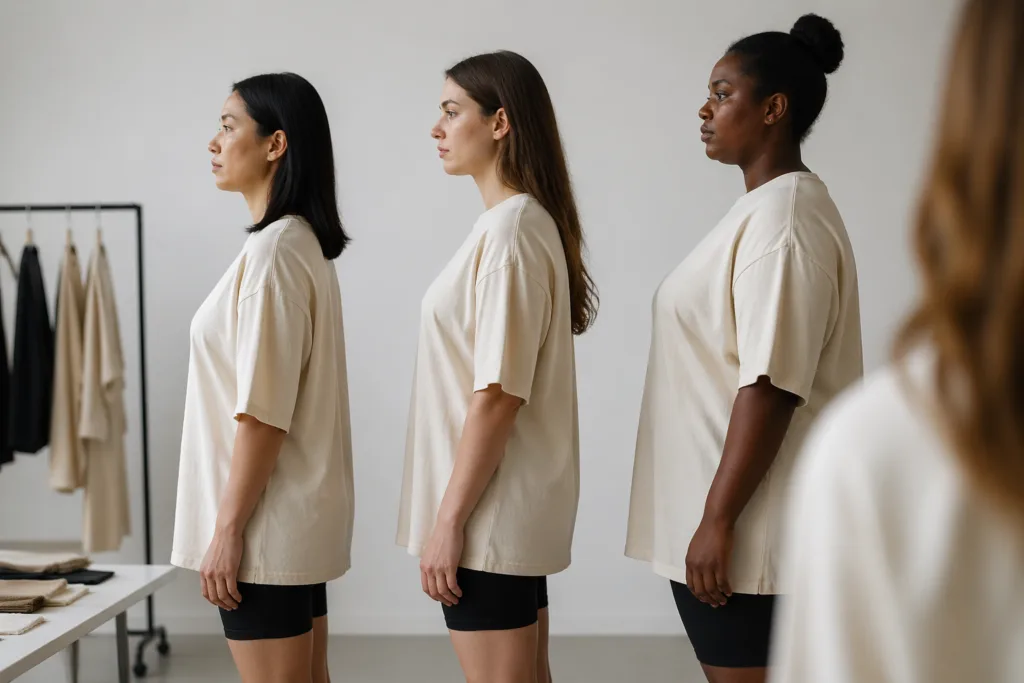
Conduct fit sessions for sampled sizes with models representing your customer base. Document fit adjustments and update grading files. See our Sampling Stages Demystified guide for detailed sampling workflows.
Market Testing—Size Set Sampling for Different Regions
Regional sizing differences may require additional size set samples. For example, Asian and European customers might require distinct size sets even if the original grading follows US standards. Use jump sizing thoughtfully in multi-market launches, verifying fit on representative model groups when necessary.
Low Minimum Order Brands—Jump Sizing Considerations
Brands with low MOQs can use jump sizing for smaller launches but need to monitor customer feedback closely. Return rates for non-sampled sizes often spike if grading errors slip through. Consider low MOQ strategies for flexible production and sampling options.
Sustainable Sizing—Reducing Waste Through Jump Sampling
Sampling fewer sizes cuts material waste, supporting sustainable production goals. However, the trade-off must balance sustainability with size inclusivity and fit precision—especially in eco-conscious markets.
Private Label and OEM—Size Set Sampling for Custom Brands
Private label brands typically rely on the manufacturer’s base grading system, so jump sizing risks misalignment if the client’s target customer differs. Communicate grading expectations clearly when ordering samples from OEM and custom clothing manufacturers.
Technical Performance Apparel—When Jump Sizing May Fail
For sportswear or garments with engineered movement, skipping sizes can result in loss of performance or comfort. Full size set sampling ensures features like stretch zones and seam placement remain accurate from XS to XL.
Children’s Wear and Plus Sizes—Unique Sampling Challenges
Jump sizing is riskier for segments with unpredictable grading (kids’ wear, plus-size, petite). These categories often require full size sets to guarantee fit and safety compliance.
Sampling Calendar—Lead Time Management for Jump Sizing
Jump sizing can shrink your sampling timeline, but only if grading is set from the start. For complicated collections, allow extra time for corrections if measurement drift is discovered late. Plan sampling calendars around key drop dates and ensure review cycles are not compressed at the expense of QA.
Communication—Transparency Between Designers and Factories
Always provide full grading charts and clear sampling requests to your manufacturer. Transparent documentation prevents confusion and speeds up problem-solving during fit sessions.
Choosing the Right Sampling Strategy—A Practical Checklist
- Review sales and feedback to identify size popularity
- Assess risk for each category—technical, fashion, basics
- Utilize digital grading tools whenever possible
- Monitor sampling timelines and update production plans proactively
- Consult factory experts for trade-offs and realistic expectations
[PROMPT] Size Set Sampling: Do You Really Need to Sample Every Size?
Do you really need to sample every size? The answer depends on your product complexity, customer base, and risk tolerance. For classic t-shirts or basic garments, jump sizing may be enough. In contrast, tailored, technical, or branded products with strict fit requirements demand full size set sampling. Balance cost, feedback, timeline, and your manufacturer’s capabilities to choose wisely. Remember, the upfront investment in size set samples can save tremendously on returns and lost sales down the line.
Conclusion: Optimize Your Sampling Strategy and Avoid Costly Mistakes
Size set sampling is a balancing act between accuracy and resource management. Jump sizing offers budget-friendly options for simple collections but carries hidden risks for specialized and inclusive brands. Invest time in grading verification, fit sessions, and open communication with your manufacturer. Ultimately, smart sampling is the foundation for brand credibility, customer loyalty, and profitable production.
Frequently Asked Questions
What is jump sizing in apparel sampling?
Jump sizing skips sampling some intermediate sizes, focusing on key sizes only. This helps save costs and time, but may miss grading errors between those sizes.
How can I verify grading if I only sample a few sizes?
Use digital grading tools and thorough fit sessions to check measurement consistency. Physical verification is best, but digital overlays help supplement skipped sizes.
Is full size set sampling necessary for every garment type?
No, but it’s critical for technical, tailored, or highly fitted garments. Basic items like T-shirts can use jump sizing if grading is tested and proven stable.
Should brands sample plus sizes or kids’ sizes separately?
Yes. These segments often require more sampling due to unique grading challenges and regulatory fit requirements. Jump sizing isn’t always sufficient for them.
How does sampling strategy affect production lead times?
Jump sizing usually shortens sampling timelines. However, incorrect grading can add delays if issues come to light late in the process.
What if my manufacturer’s grading isn’t aligned with my customers?
Communicate your target size chart and expectations upfront. Custom brands should not rely solely on OEM grading—samples and feedback are vital for alignment.
Related Reading
- Avoid Costly Errors With This Complete Pattern Tolerance Guide
- Step-by-Step: What Happens at Each Sampling Stage Explained
- The Pro Fit Session Checklist for Perfect Sizing Every Time
- Master Sampling Lead Times: Realistic Timelines for Your Apparel Collection
- Hidden Costs of Sample Making: What Every Brand Should Know Before Development