
Understanding Digital vs. Physical Sampling: Why It Matters
In today’s sustainable-focused fashion and manufacturing landscape, businesses face a critical choice: stick with traditional physical prototypes or adopt digital sampling methods. As more brands and suppliers look to curb waste and speed up design cycles, the debate about the best approach intensifies. This comprehensive guide explores the ins and outs of digital vs. physical sampling, including the increasingly popular hybrid workflow—combining 3D virtual sample confirmation with a final physical prototype.
What Is Digital Sampling?
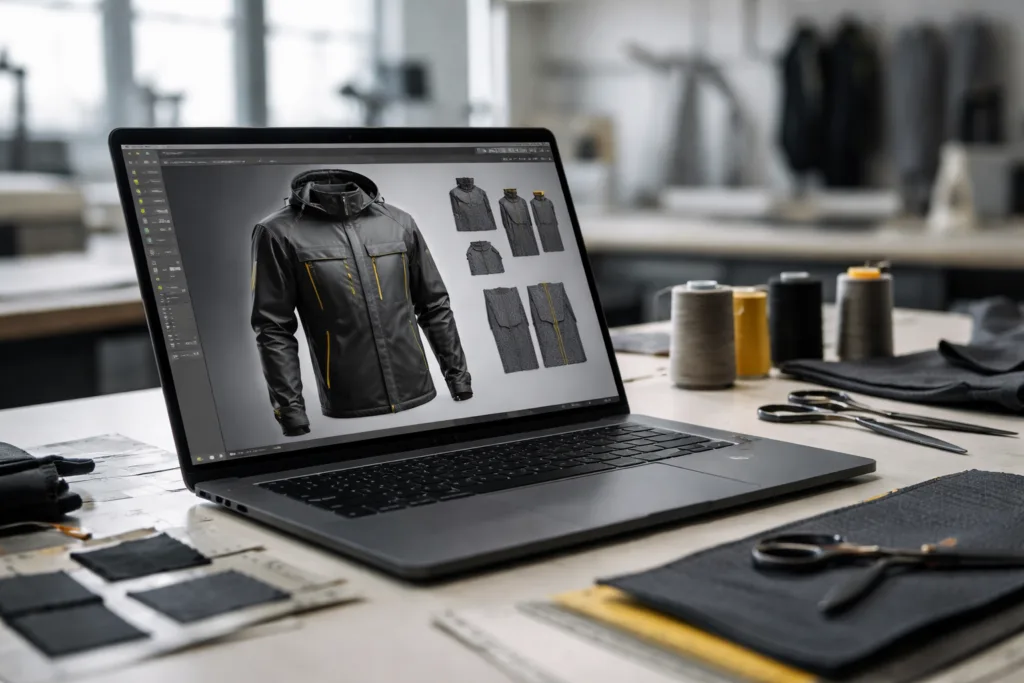
Digital sampling uses advanced software (like CLO3D or Browzwear) to create a realistic virtual sample of a garment or product. This allows designers and clients to preview, adjust, and approve pieces before any fabric is cut. The process reduces back-and-forth and helps catch errors early, especially when shared with manufacturers for initial approvals.
What Is a Physical Prototype?
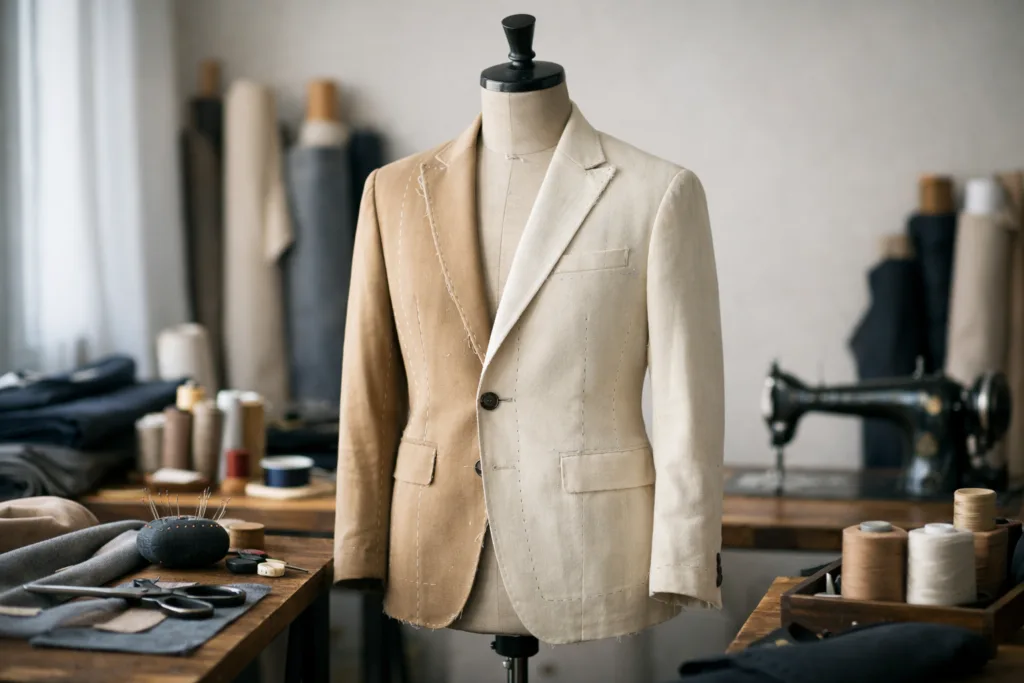
A physical prototype is a traditional, tangible garment sample made from the intended materials and trims. Brands and manufacturers inspect these samples for fit, fabric hand-feel, stitching quality, and color accuracy before greenlighting bulk production. Physical samples remain vital for final QC and in-person fit sessions.
The Hybrid Approach: 3D + Final Physical Confirmation
Many industry leaders now combine both methods: using digital samples for quick revisions, then creating one approved physical prototype for last-mile confirmation. This hybrid model seeks to maximize efficiency without sacrificing real-world checks.
The Evolution of Garment Sampling
Sampling has come a long way, from manual pattern drafting and hand-sewn muslins to seamless virtual try-ons. The use of digital twins in modern manufacturing highlights just how far things have evolved. Yet, physical samples haven’t disappeared—they’ve simply become more targeted within streamlined workflows.
How the Workflows Compare: Step-by-Step
| Step | Pure Physical Sampling | Digital + Physical Hybrid |
|---|---|---|
| Initial Design | Sketch or tech pack to sample room | 3D design software creation |
| First Approval | Physical proto sample evaluation | Virtual sample shared for feedback |
| Revisions | Multiple revised physical samples | Iterative digital adjustments |
| Final Confirmation | TOP (Top of Production) sample | Single physical sample for feel/fit |
Key Benefits of Digital Sampling
- Speed: Edits and approvals in days, not weeks.
- Reduced Waste: No discarded proto garments or trims.
- Easy Sharing: Instantly send 3D files to partners across the globe.
- Iterative Design: Experiment freely with colors, trims, and prints before committing to fabrics.
- Lower Costs: Save on express shipping and frequent proto sample charges.
Drawbacks of Digital Sampling
- Realism Gaps: Difficult to assess true fabric weight, drape, and stretch digitally.
- Tech Access: Requires investment in software, hardware, and skilled operators.
- Buyer Hesitancy: Some retailers and B2B buyers still insist on tangible samples.
Key Benefits of Physical Prototypes
- Tangible QC: Test stitch strength, colorfastness, and functional features hands-on.
- Fit Sessions: True-to-life try-ons with fit models catch problems digital twins may miss.
- Final Client Buy-In: Provides confidence for high-value orders or technical garments.
Drawbacks of Physical Prototypes
- Time and Cost: Each iteration means fabric usage, custom trims, shipping time, and labor fees.
- Environmental Footprint: More physical samples mean more landfill waste and emissions—directly impacting sustainability goals.
- Bottlenecks: Waiting for physical samples creates bottlenecks, especially during development seasons or fabric shortages.
Hybrid Sampling Workflows: How Do They Work?
Hybrid sampling leverages the strengths of each method: digital for fast approvals and style tweaks, and a single, final physical proto for materials, fit, and QC.
- Start with 3D digital mockups for quick iteration.
- After digital approval, one physical sample is produced for confirmation.
- Revisions revert to digital, minimizing additional protos needed.
3D Confirmation and Final Physical Approval: The Details
Once clients approve the look, color placements, and key style lines in 3D, manufacturers focus on one well-executed physical piece. This is often used for the pre-production (PP) sample—critical for PO release and as a gold standard for quality control.
The Role of Technology in Digital Sampling
Software such as CLO3D, Browzwear, and TUKA3D power most 3D sampling systems. They simulate fabric drape and construction, but true-to-life results depend on accurate material libraries, experienced patternmakers, and proper calibration.
Material and Fit Accuracy: Common Challenges
For brands and factories like Ninghow Apparel, real fabric hand-feel testing can’t ever be fully replaced by screens. Even with advanced simulation, physical fit sessions remain the gold standard for technical, performance, and tailored garments. This is why hybrids are necessary for elevated fit expectations.
When Digital Sampling Excels
- Fast fashion runs that prioritize speed over ultra-precise fit.
- Early concept feedback where multiple styles are presented to buyers.
- Remote collaborations between global teams.
When Physical Protos Are Essential
- High-detail garments with intricate construction or special trims.
- Performance, active, or technical apparel requiring real-world trials.
- Brand launches needing buyer and PR samples.
Cost Analysis: Which Saves More?
While initial investment in 3D sampling tech is significant, hybrid methods can reduce total prototyping costs by up to 50% over multiple styles. Brands save on fabric, trims, labor, and especially on shipping and lead times. However, routine physical confirmation samples still remain necessary for final signoff in bulk orders.
Sustainability: Digital, Physical, or Both?
Pure digital workflows drastically cut landfill waste, lower shipping emissions, and reduce unused trims. But without at least one physical final sample, sustainability efforts can backfire if bulk production doesn’t meet the expected standards, causing larger waste later. Thus, hybrid is often the sweet spot: maximize digital for rapid iteration, physical for final confirmation.
Supplier and Brand Communication: Digital Advantages
Digital files enable easy sharing, real-time feedback, and cloud-based revision tracking. It’s simpler to coordinate sizing, colors, and design intent, especially with custom or private label manufacturing workflows where mistakes are costly. However, clear digital communication still requires robust tech packs and build standards.
Ninghow Apparel’s Shop-Floor Insights
At Ninghow Apparel, we’ve found 3D sampling best for dropping style ideas quickly to overseas clients. But for tech-heavy products like performance knits or detailed trims, nothing replaces hands-on fit and QC with a real sample. Mixing both methods ensures creative freedom early and reliable production signoff at the finish line.
Common Pitfalls When Switching Sampling Methods
- Assuming digital visualization is perfect — always confirm with a physical sample before PO release.
- Under-investing in staff training or accurate digital pattern libraries.
- Skipping pre-production testing or fit sessions before bulk cut.
Best Practices for Hybrid Sampling Success
- Lock style and print placements digitally, but set hard rules for mandatory physical fits and fabric hand checks.
- Document digital and physical signoffs for traceability.
- Partner with factories experienced in both digital and physical workflows.
Future Outlook: The Evolving Role of Sampling
As tech improves, more buyers will accept digital confirmations. Smart factories and sustainability-driven brands will rely on hybrid models, using physical samples only where they deliver crucial value. Hybrid sampling empowers brands to innovate faster and minimize waste without trading off physical verification in the final stage.
Digital vs. Physical Sampling: Pros, Cons, and Hybrids
Digital sampling dramatically accelerates design feedback, reduces costs, and supports sustainable operations. Physical protos secure real-world QC and fit, but slow the process and raise costs. The hybrid model—digital-first with physical confirmation—offers the best of both worlds, slashing unnecessary waste while preserving hands-on checks for production-ready quality.
Conclusion: Choosing the Right Sampling Method for Your Brand

The smartest brands today use a blend—digital for speed, physical for certainty. Digital sampling isn’t a total replacement for physical protos, especially for detail-oriented or technical pieces. Instead, merging 3D design with targeted physical confirmation helps brands minimize risk, achieve fit consistency, and meet sustainability targets. Adapting your strategy provides maximum flexibility and resource efficiency in a changing market.
Frequently Asked Questions
What’s the main advantage of digital sampling over physical prototypes?
Digital sampling offers much faster revisions and cuts down significantly on material waste during the development process, saving both time and resources.
Do buyers accept only digital samples?
Most buyers require at least one final physical sample, especially for high-value or technical garments, even if they approve concepts digitally first.
How does hybrid sampling support sustainability?
Hybrid sampling reduces overall physical sample waste and emissions while ensuring the final product meets expected standards, balancing eco goals with product quality.
Is the initial cost of digital sampling technology worth it?
Upfront costs are higher, but for brands producing many styles, the long-term savings from fewer physical samples, less shipping, and lower labor can offset the investment.
What are the most common sampling mistakes in hybrid workflows?
Major mistakes include skipping in-person fit sessions on final protos, relying solely on digital visuals, and not updating digital libraries with real-world feedback.
When should a brand avoid digital-only sampling?
Brands making performance wear, tailored garments, or pieces with new trims and materials should always confirm with at least one physical prototype before bulk production.