
Introduction: Why Realistic Sampling Lead Times Matter
Launching a new apparel collection is thrilling, but the road from concept to finished garment rarely happens overnight. Even though clients often ask for “samples by tomorrow,” experienced manufacturers know that sample turnaround time and development calendar expectations must be clearly managed from day one. This detailed guide breaks down the realities, step-by-step, helping brand owners, designers, and sourcing teams finally break free from unrealistic deadlines and avoid costly mistakes.
Understanding the Sample Turnaround Time: A Holistic View
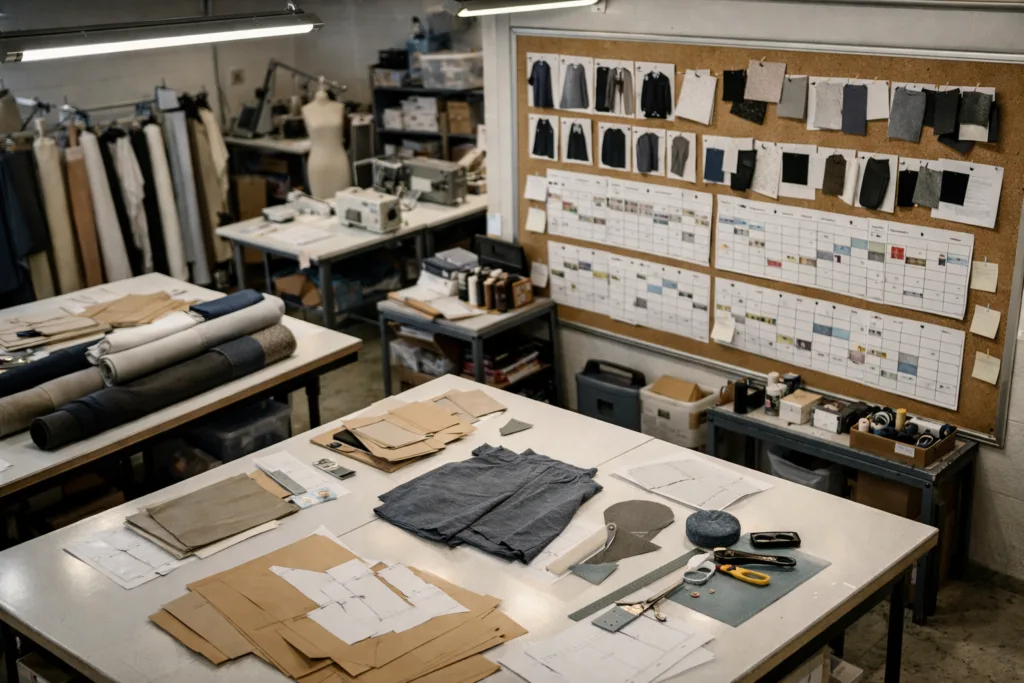
Sample turnaround time isn’t just a number; it’s a complex process involving design, materials, patterns, approvals, and factory production flow. From prototype (“proto”) samples to fit, pre-production, and final “TOP” samples, each stage adds layers to your development calendar. Brands demanding ultra-fast results typically run into quality snags or communication gaps—so a realistic timeline is crucial.
The Anatomy of Collection Development: Every Step Explained
Mapping out your collection development calendar from first sketch to bulk production requires full visibility over every step. Here’s a typical workflow:
- Concept Design & Initial Tech Pack creation
- Pattern making
- Proto sample creation
- Fit sample feedback & modifications
- PP (Pre-Production) sample approval
- Bulk production ramp up
Common Myths: Why “Tomorrow” Is Not an Option
One of the biggest misunderstandings is the belief that manufacturers always have fabric, trims, and patterns ready to go. In reality, materials are sourced uniquely for each customer, and sampling teams balance dozens of ongoing projects. Unless you’re using stock items from the existing apparel range, expect delays if you request instant delivery.
Proto, Fit, PP, and TOP: Decoding Sample Stages
Each sample type has its own timeline. Proto samples validate design basics. Fit samples adjust sizing and shape. PP samples (Pre-Production) guarantee construction and details. TOP samples (Top of Production) are the “gold standard” for bulk. Learn more about these stages in this step-by-step guide.
How Development Calendar Shapes Launch Decisions
Your collection’s development calendar is more than just dates—it’s a risk management tool. The calendar considers factory workloads, supplier lead times, and iterative feedback cycles. When brands fail to allow realistic weeks for development, mistakes multiply and production costs soar.
Fabric Sourcing Realities: The Hidden Lead Time Driver
Fabric sourcing often surprises newcomers. Lead times can range from a few days (domestic stock fabric) to weeks or even months (overseas bespoke fabric, dyeing, print trials). Factor this critical step into your sampling turnaround time and always build in buffer days.
Pattern Making & Fit: The Foundation of Sampling Accuracy
Pattern making directly impacts fit and lead time predictability. Digital pattern systems like CAD can speed up sample readiness. However, fit sessions often reveal hidden flaws that may require rounds of modification. See how precision fit is achieved in this fit session guide.
Trims, Labels, Specialty Components: Small Details, Big Delays
Custom trims (zippers, buttons, badges) often add weeks to the timeline. Standard trims are faster, but branded details require development and approvals. Always provide approved artwork and color references for labels early in the process.
Sample Modification Cycles: Why Feedback Loops Matter
After receiving your first sample, you’ll likely want changes. Each round of modification—fit tweaks, construction adjustments, branding revisions—adds days or weeks. Approaching feedback with clarity keeps your calendar realistic. For feedback strategies, check this expert modification guide.
Ninghow Apparel’s Shop Floor Wisdom: Real-Time Constraints
In practice, Ninghow Apparel’s veteran teams often deal with urgent requests. But shop floor realities—machine availability, QC checks, fabric arrivals—mean “next day” samples can only happen with stock fabric and simple construction. Otherwise, development calendars must respect production scheduling to protect fit, stitching quality, and reliable QC.
Digital Sampling: Are Virtual Prototypes the Solution?
3D digital sampling and virtual fit sessions are reducing turnaround times for some brands. While a digital twin can speed up initial approvals, physical samples remain essential for tactile checks and fabric performance. This hybrid approach is gaining traction but needs clear tech pack integration.
Tech Pack Essentials: Building for Speed and Accuracy
A detailed, well-structured tech pack is the key to fast sample cycles. Include clear construction details, fabrics, trims, measurement charts, and revision history. If your instructions are vague, your timeline will stretch. Dynamic tech pack updates help manage version control during sample iterations.
Bulk Production Alignment: Why Sampling Delays Spill Over
Delayed samples aren’t just a problem for development calendars—they cascade into bulk production and delivery. If the PP sample isn’t finished on time, the entire batch is at risk of late shipment, eroding buyer trust and costing real dollars.

Vendor Communication & Time Zones: Hidden Calendar Risks
Working across continents brings timezone friction. Immediate sample requests might hit midday for you but late evening at the factory. Vendor responsiveness, language skills, and clear communication are underrated drivers of lead time. Test these skills early with emails and calls.
Custom vs. Standard Styles: Lead Time Comparison Table
| Style Type | Estimated Sample Lead Time | Notes |
|---|---|---|
| Standard / Stock Style | 5–10 days | Uses existing patterns, materials |
| Simple Custom Style | 12–20 days | Requires pattern adjust, may need new fabric |
| Complex Custom Style | 25–45 days | New pattern, specialty trims, multiple rounds |
| Digital-Only Virtual Sample | 3–7 days | Fast but physical sample required before bulk |
Best Practices for Predictable Sample Turnaround Time
- Confirm fabric/trims availability before starting
- Lock in tech pack details (no vague specs)
- Set expected feedback deadlines for all parties
- Request batch photos for quick modifications
- Use digital fit tools for early approval
How to Set Realistic Development Calendars: Actionable Steps
Build your calendar backwards from your desired launch date. Allocate time for sourcing, pattern making, 2–3 sampling revisions, PP sample, and bulk production. Add buffer days for holidays, shipping, and QC. Share your manual calendar with your factory partner for cross-checking.
Managing Stakeholder Expectations: Communication Tips
Show your stakeholders concrete timelines with sample stages and “earliest possible completion.” Explain why each step can’t be skipped and how quality depends on patience. Share photos and weekly progress reports to keep everyone invested.
Collection Launch Delays: How to Recover Your Timeline
If things slip, regroup and adjust. Hold a calendar revision meeting, prioritize “must-have” styles, consider fast-tracking with digital samples or existing patterns, and ask your factory for expedited scheduling—with clear trade-offs on complexity or quality.
Sustainable Sampling: Eco-Friendly Lead Time Strategies
Eco-friendly development calendars sometimes run longer due to sustainable material sourcing or specialty trims. However, standardizing key components across collections helps reduce delays. Sustainable brands should communicate these trade-offs to customers up front.
Critical Mistakes: What Causes Lead Time Overruns?
- Underestimating material/trims sourcing times
- Poorly defined tech pack specs or measurements
- Multiple design changes mid-process
- Lack of clear communication and feedback deadlines
- Low factory responsiveness due to peak season
Case Studies: Brands Who Tamed Their Calendars
Several brands working with Ninghow Apparel have successfully brought clarity and predictability to their sample development calendars by aligning tech packs, feedback loops, and fabric sourcing ahead of time. Their launches hit deadlines more often and wasted less time fixing mistakes.
Packing, QC, and Shipment: The Final Countdown
Post-sample approval, timeline pressure remains. Packing, final QC, and shipment can add up to a week. Always factor these steps into your master calendar and keep your logistics team informed about sample status.
Prompt: Sampling Lead Times: Realistic Timelines for Your Collection

For brands who aspire to hit launch schedules and stay agile, the lesson is clear: realistic sample turnaround times and a well-planned development calendar are your shield against rushed, error-prone collections. Make your expectation match the industry reality, and your collection will earn both quality and market trust.
Frequently Asked Questions
How long does it take to make an apparel sample?
Standard samples take 7–20 days depending on complexity, fabric sourcing, and feedback cycles. Specialty styles may take up to 45 days.
What is the fastest way to get a sample approved?
Provide a complete tech pack, use stock materials, clear feedback deadlines, and consider digital sample tools for initial approval.
Why does fabric sourcing cause delays?
Fabric and trims are often custom-ordered, adding time for production, shipping, and lab testing before samples can begin.
Can I skip sample stages to save time?
Skipping stages increases risk of production errors and costly mistakes, especially for fit and PP samples. It is rarely worth it.
How do digital samples reduce lead time?
Digital samples help visualize style and fit, speeding up approvals, but physical samples remain essential for QC and bulk production.
What happens if sampling runs late?
Late samples delay bulk production, shipment, and launch, risking buyer dissatisfaction and lost sales. Always allow calendar buffers.
Related Reading
- Unlock the Real Cost Behind Sample Making: Why Are Prototypes Expensive?
- Master Tech Pack Revisions: Effortless Updates During Sampling Cycles
- How to Set Pattern Tolerances and Minimize Manufacturing Variations
- Digital Tools in Apparel Sampling: Comparing Excel, Techpacker, and CLO3D
- Future-Proof Your Collection: 3D Virtual Sampling and Digital Twins Explained