
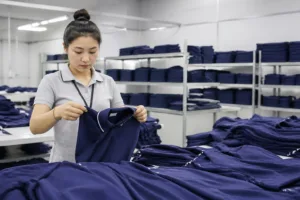
Understanding Top of Production (TOP) Samples
Managing your production’s quality is more than approving pre-production samples. The Top of Production (TOP) sample process is a critical—and often overlooked—quality control step in bulk manufacturing. A TOP sample is an item randomly picked from actual bulk goods, right after production begins but before your order is finished. This final shipping sample acts as your factory’s last self-check and your strongest guarantee of consistent quality before QC inspection and shipment.
What Is a Shipping Sample?

A shipping sample is a physical piece pulled from bulk production to be reviewed before final order shipment. The manufacturing team selects the sample after most (or all) units are completed, representing the true quality of the entire batch. Brands use this sample to confirm characteristics like fit, color, fabric, stitching, and finishing before giving container approval.
Why Bulk Quality Checks Matter
It’s tempting to trust all is well after you sign off on a pre-production sample. But factors like machine adjustments, operator shifts, or unexpected fabric lots mean small changes often sneak into final bulk goods. Bulk quality checks—especially on TOP samples—are your main defense against undetected mistakes that could result in costly reworks, delays, or returned goods. This is why a thorough random QC inspection is critical just before shipping.
The Role of QC Inspection in Manufacturing
Quality control (QC) inspection ensures finished goods from the production line match your approved standards. Most factories, including apparel manufacturers specializing in quality control, use systematic QC steps: visual check, measurement, function tests, and packaging review. TOP samples provide a true-to-batch benchmark for QC teams to make final pass/fail decisions. If TOP fails, the whole lot may require rework before it ships.
Difference Between Pre-Production and TOP Samples
Pre-Production (PP) samples are made just before bulk cutting and sewing, using production fabrics and trims. They show how production lines should build your style. TOP samples, though, are taken from real bulk sewing—so they reflect any changes during actual factory runs. TOP is your real “last look” at what will land in stores, not just what was planned.
When Is the TOP Sample Checked?
The TOP sample is usually checked right after the first bulk pieces are completed (at the “top” of production), and sometimes again before shipping. Timing may differ: some brands review TOP early, to catch mistakes quickly, while others conduct a final check, using the last goods packed for shipment. Either way, a TOP check should always happen before final bulk release.
Who Performs the Bulk Quality Check?
Bulk quality checks are usually performed by the manufacturer’s internal QC team, an external inspection agent, or the brand’s own staff. For example, reputable factories like Ninghow Apparel often let clients or third-party QC agents pick random samples themselves to boost trust and transparency.
How Are TOP Samples Selected?
Tendency varies by order size, but TOP samples are always picked randomly—never from hand-picked “perfect” units. Industry best practice is for QC staff to select items straight off the line, from sealed cartons or different bundles, to ensure a true picture of production consistency. This guards against cherry-picking and keeps everyone honest.
What’s on the TOP Sample Checklist?
Every TOP sample quality checklist is tailored, but common inspection points include:
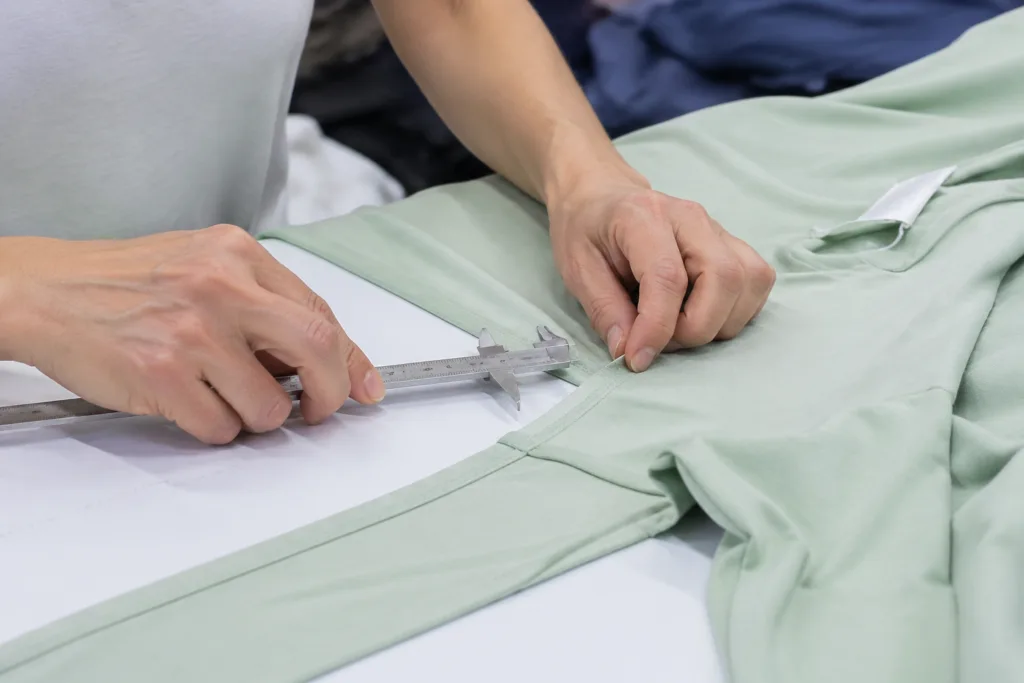
- Measurement (against tech pack tolerance)
- Fabric color and handle
- Stitching quality (even, secure, no loose threads)
- Label/branding, tag/care content, position
- Trim and accessory accuracy
- Defect checks: stains, holes, missed steps
- Packing and folding style
The Benefits of Random Sampling from Bulk Production
Random sampling means you’re not only seeing the “show” pieces, but evaluating the average quality delivered. This catches hidden issues like:
- Inconsistent color shade or dye lots
- Pattern misalignment
- Zipper or closure swaps
- Mislabeling
It also reassures retailers and end customers that “what you see is what you get”—product shipped matches expectations set during development.
Risks of Skipping the TOP Sample QC Inspection
Bypassing this final check can expose your brand to serious trouble, especially with new suppliers. Common risks include:
- Wrong size grading applied to all units
- Substitute trims (different zippers, buttons)
- Poor finishing (untrimmed threads, skips)
- Bulk not matching the fit or spec of development samples
Each issue can trigger disputes, chargebacks, or in severe cases, entire shipment rejections at the destination.
Common Failures Found in Bulk TOP Samples
Seasoned QC teams know to watch for:
- Off-spec measurements
- Fabric/trim substitutions
- Poor sewing consistency (crooked seams, skipped stitches)
- Print/embroidery errors
- Missing/incorrect care labels or hangtags
Tackling these FAST with the supplier is much easier before shipping, instead of fixing errors after distribution.
Shipping Sample and Brand Reputation
A reliable shipping sample check cuts down complaints, chargebacks, and returns. High-volume retailers and designers lean on the random-sample QC process to guarantee that the product in stores matches buyers’ high expectations—a single failure can quickly snowball into more serious brand reputation hits.
How Many TOP Samples to Check Per Order?
This depends on your total order quantity. Standard practice:
- Under 500 units: 2-3 samples checked
- 500–5,000 units: 5-10 random samples
- Over 5,000 units: 1% random sampling (industry suggestion)
The more critical the product, the more samples should be reviewed. For complex styles, add checks per colorway or size category.
Integrating TOP Sample Approval into Your Production Calendar
Brands should build in time for TOP sample approval. A realistic calendar allows for back-and-forth shipments, review, and possible corrections without derailing delivery. (For example, check this guide on realistic lead times and sampling stages for practical planning tips.)
Ninghow Apparel’s Perspective on TOP Sampling
In Ninghow Apparel’s daily practice, QC teams insist on picking shipping samples from sealed or randomly chosen cartons, not “special” pieces pulled in advance. This process, though more time-consuming, consistently exposes any last-minute bulk changes—such as a dye lot substituted for a fast re-order or a new trim due to late supplier delivery. These practical details, learned on our factory floor, are key to building true client trust over time.
Packing and Documentation After QC Inspection
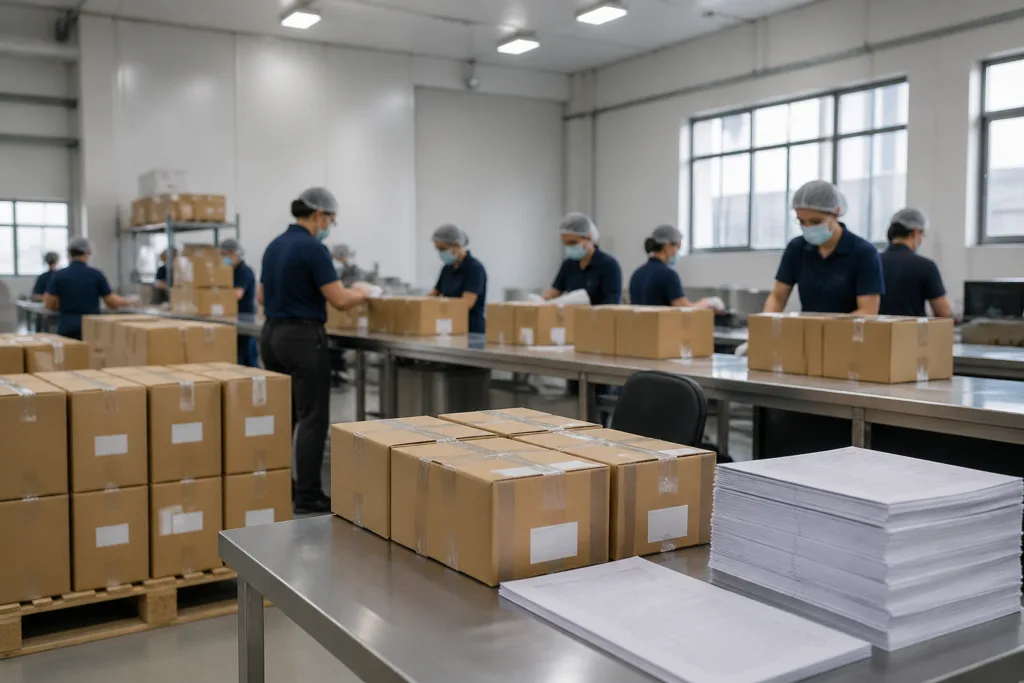
Once bulk quality checks pass, the next step is proper packing and detailed shipment documentation. Inspectors record their findings (with photos or QC reports), and all compliant goods are sealed in export-ready cartons—even noting the production date, factory code, and relevant order details for full traceability.
Reporting and Communicating QC Results
If a TOP sample or shipping sample fails inspection, all parties—buyer, QC, and factory—must communicate quickly to agree on fixes. A clear, timely report (with photos) helps address minor discrepancies or plan rework. Strong communication here ensures no misunderstanding travels further down the supply chain.
What Happens When Samples Fail Bulk QC?
If issues are fixable, the factory can rework the problematic batch and resubmit new shipping samples. For unfixable defects (wrong fabric, irreversible fit issue), options include a price discount, replacement production, or even shipment cancellation. Brands should have these scenarios covered by a robust manufacturing agreement (see guide to essential manufacturing contract clauses).
Tools for Smarter Quality Management
Use digital sampling management systems or cloud platforms to track sample versions, revisions, and QC notes. This streamlines communication and maintains a detailed record for your own accountability (and if disputes arise).
How Shipping Samples Relate to AQL Standards
Most global QC teams use the Acceptable Quality Limit (AQL) sampling method alongside TOP sample reviews. This statistical model determines sample size and defect tolerance, so you’re not inspecting every unit but still have high assurance of the whole lot’s quality. Shipping sample checks, guided by AQL rules, minimize both labor and risk.
Best Practices for Brands: Avoiding Shipping Surprises
- Never skip final bulk sample QC—even with trusted factories
- Document sample reviews in tech packs/spec sheets
- Communicate tolerance levels for every key point (fit, fabric, trims)
- Train your own team (or agent) on random sampling methods
Improving Consistency With Feedback Loops
Use results from each TOP sample check to improve patterns, tech packs, and factory training for future orders. Honest, constructive feedback—timely and thorough—elevates your product and the supply chain’s reliability with every production run.
FAQ: Top of Production (TOP) Samples: Ensuring Bulk Consistency
What exactly is a TOP sample?
A TOP (Top of Production) sample is a finished product pulled randomly from a bulk production batch, allowing brands to directly check what will ship and ensure what was approved matches bulk items.
Why are random bulk samples better than picking “show” pieces?
Random bulk samples reflect the actual average quality of your shipment, guarding against cherry-picked perfection and exposing widespread issues missed during product development.
Who should carry out bulk quality checks before shipping?
Checks may be performed by the factory’s internal QC, external agents, or brand representatives, depending on risk, order volume, and your trust level with the supplier.
What if a TOP sample doesn’t match my approved spec?
Communicate discrepancies immediately—there may be time for rework, replacement, or contract adjustment based on what went wrong and its fixability.
How does a TOP sample step impact overall production timelines?
Tight scheduling is essential; always leave buffer time in your calendar for TOP sample review to avoid shipping delays or last-minute quality surprises.
Can digital tools help with QC and sample tracking?
Yes, using cloud platforms or QC apps helps you log findings, manage sample revisions, and streamline communication—all of which boost consistency and problem-solving speeds.