
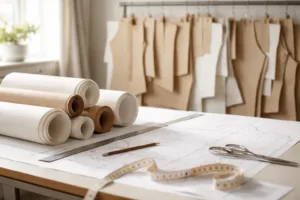
Introduction: Why Block Patterns Matter for Your Brand’s Success
For apparel brands, ensuring every new collection fits as expected isn’t just about style—it’s about building trust with your customers. That’s where developing your own block patterns, also called basic blocks, slopers, or master patterns, becomes the quiet superpower behind reputable brands. Block Patterns 101: Building Your Brand’s Perfect Fit Library reveals exactly why these foundational patterns are essential for fit consistency and shows you how to create and maintain a block library that support seamless seasonal launches.
What Are Block Patterns, Slopers, and Master Patterns?

Block patterns (sometimes referred to as slopers or master patterns) are foundational pattern templates without any style details. They are drafted to represent a standard fit for a target customer or size range, serving as the backbone for all further design adaptations. Every time you design a new garment, this base is what you start with.
The Role of Block Patterns in Brand Building
The presence of block patterns sets professional brands apart from hobbyists. By starting from an established base, you maintain sizing logic and silhouette across multiple seasons. Customers experience consistent fit, and your development process becomes smoother and more predictable. For a deeper dive into the differences between flat pattern and draping methods, check out How Pattern Making Shapes Clothing: Flat Pattern vs. Draping Decoded.
How a Fit Library Reduces Sample Failures
Using a centralized block library can reduce costly sample iterations by up to 60%. When your designers and pattern makers refer to the same fit blocks, misunderstandings and size discrepancies between design and production are minimized. The result? Faster development cycles, lower costs, and fewer headaches for everyone involved.
Basic Block vs. Sloper vs. Master Pattern: What’s the Difference?
Though these terms are often used interchangeably, they offer different nuances:
- Basic Block: The simplest, unstyled pattern template in a given size.
- Sloper: Similar to a basic block—often personal to a brand, sometimes modified for fit quirks.
- Master Pattern: A refined version, ready for repeated use and pattern grading.
| Term | Description | Main Use |
|---|---|---|
| Basic Block | Unstyled, essential foundation | Drafting new styles |
| Sloper | Carry-over for consistent sizing/fit | Brand-specific adaptation |
| Master Pattern | Final, production-ready base | Reference for bulk manufacturing and grading |
Building Your Brand’s Fit Consistency: Step by Step
Let’s walk through a simple process brands use to ensure each garment fits true-to-brand, season after season.
Step One: Define Your Target Customer and Size Set
Begin with real customer data—body measurements, age range, and anticipated fit preferences (e.g., slim, regular, oversized). Start with your most common or “hero” size, usually Medium/Size 38 for menswear, Size 8/10 for womenswear. This block will anchor all future development.
Step Two: Draft or Acquire the Initial Basic Block
Draft the block pattern using traditional flat pattern drafting methods or digital tools. For brands without in-house pattern makers, some specialized clothing customization and sizing services provide turnkey basic block development.
Step Three: Test, Fit, and Adjust the Block Pattern
Sew a sample in the actual or similar intended fabric, then conduct a thorough fit session on a standardized fit model. Record issues, pin for clarity, and adjust the pattern. This process often takes two to three rounds to perfect the base block.
Step Four: Gradation – Building a Full Size Run
Once your block fits perfectly, it needs to be graded up and down to create the full size set. For expert advice, see Why Pattern Grading Is Essential: Scale Sizes Without Sacrificing Shape or Fit.
Step Five: Catalog and Control Your Block Library
Store each block (physical or digital) with version histories and notes about adjustments, so all future collections use the same library. For stability and efficiency, software like CAD pattern systems can revolutionize your archive (more on digitization later).
Style Development Using Basic Blocks
Once a block is approved, you aren’t locked in creatively! Style lines, seam placements, sleeve changes, or neckline alterations are all made as overlays to your master blocks. This ensures that the core fit remains stable, and only style variables change.
Ninghow Apparel Insights: Realities of Using Blocks in Production
From the factory floor, manufacturers like Ninghow Apparel often see two common mistakes: skipping the block for fast fashion launches, or using wildly inconsistent blocks for each style. Brands who bring a solid, well-tested master pattern library see 30–50% fewer fit corrections in mass production. This saves time, reduces confusion, and keeps production smooth.
The Role of Digitization in Managing Block Libraries
Modern brands are shifting from paper patterns to digital block libraries using CAD systems. Digitization means you can make quick style adaptations, share files with overseas sample rooms instantly, and ensure patterns never warp or go missing. Discover how technology is transforming this process in Why Digital Pattern Making with CAD Is Transforming Modern Manufacturing.
Pattern Grading: Extending Consistency Across Sizes
Pattern grading is the science of scaling a basic block up and down to build a full size set (XS–XXL and beyond). Proper grading means the shape—and the brand signature fit—remain proportional at every size, reducing returns and customer complaints.
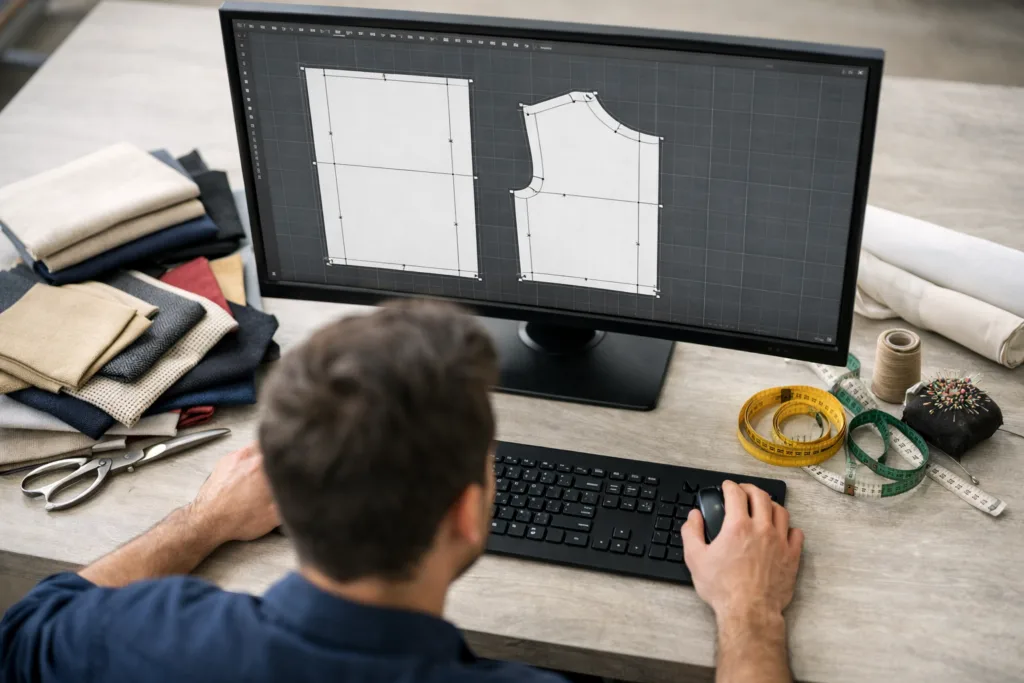
Centralized Libraries: Tips for Version Control
Every time you tweak a block to improve fit or create a new silhouette, log the changes. Version control, whether via simple spreadsheets or advanced PLM systems, prevents accidental errors due to outdated files. Learn more strategies in our guide to tech pack version management.
Block Library Maintenance: Best Practices for Apparel Brands
- Assign a library manager—don’t leave pattern updates unchecked.
- Label every block clearly: style, season, fit notes, and date.
- Store both physical master patterns and digital backups.
- Review blocks at least once a year, updating as body data and trends shift.
Fit Consistency: The Key to Brand Loyalty
When a customer trusts that every hoodie or tee they order will fit the same as the last, you’ve earned true brand loyalty. Achieving this repeat fit comes from strict block use and stable grading. Never let short-term style trends dictate changes to your core fit blocks.
Common Pitfalls When Creating a Block Pattern Library
Don’t:
- Draft a new basic block for every style—leads to fit chaos.
- Copy competitors’ blocks. What works for other brands might not suit your customer base.
- Skip physical fit testing—digital isn’t always reality.
When to Refresh or Update Your Blocks
Update your base patterns when:
- Market feedback points to new fit preferences.
- There’s a major target market shift (e.g., launching unisex or expanded size lines).
- Fit model’s body measurements change.
- Major fabric transitions (e.g., woven to knit) are introduced.
Integrating Your Block Library into Tech Packs
Reference the block style/coding in every tech pack and sample request. This provides clarity for sample rooms and keeps fit expectations aligned through every stage of development. For a full review checklist, revisit Zero-Error Launch: The Ultimate Pre-Production Tech Pack Review Checklist.
Block Patterns in Private Label and OEM Manufacturing
Even if your brand works with private label or OEM suppliers, providing your own master block patterns gives you control. Factories can then adapt new designs without altering the core fit, maintaining brand uniqueness while streamlining scale-up for production.
Keep Your Block Library Future-Proof
Store both digital and hard-copy versions, keep backups, and document every adjustment. Changes in PLM (Product Lifecycle Management) or CAD systems shouldn’t break the continuity of your base blocks—migrate files when needed, and review every six months.
Case Study: Launching a New Collection Using a Block Library
A midsize streetwear brand used its own block library for T-shirts and sweaters. By referencing the same base pattern every season, their fit became a selling point, reducing returns year-over-year by 28%. Designers saved time and technical errors were minimal, allowing them to focus on fresh graphics and detailing.
Block Patterns 101: Building Your Brand’s Perfect Fit Library
To build a resilient brand, invest time and rigor into block pattern development. Consistent sizing starts here: define your customer, test fit, lock in your master block, grade accurately, and maintain version control. Every future style you develop becomes both easier to launch and more reliable for your consumers.
Conclusion: Closing the Sizing and Fit Loop
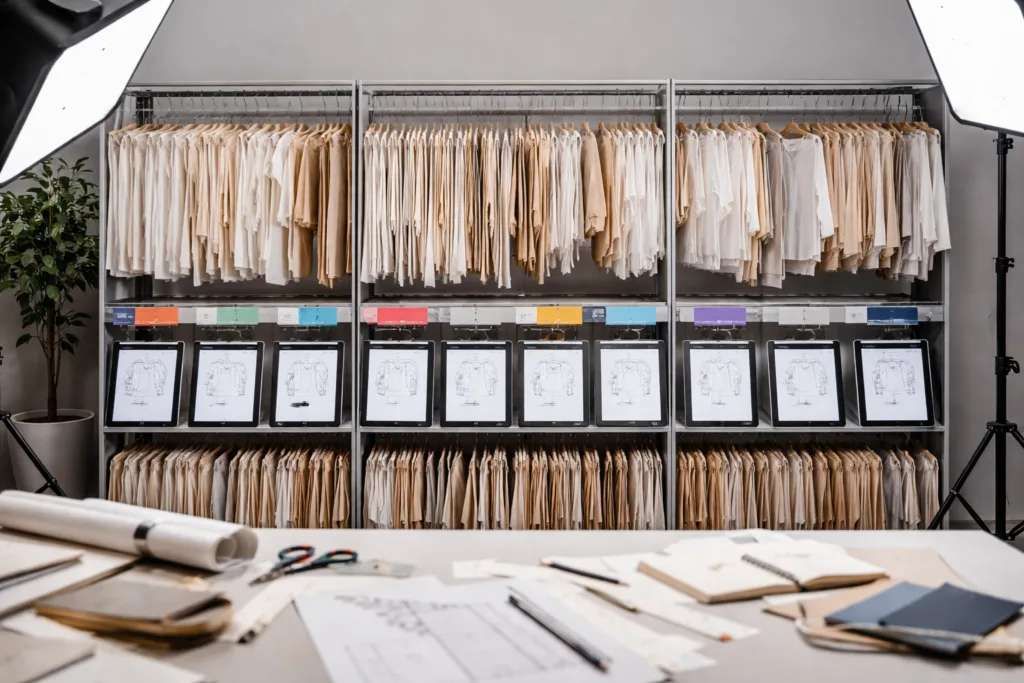
Strong brands don’t leave fit up to chance. By establishing and maintaining a master block library, you deliver the reliability today’s consumers expect, cut sampling risks, and build the kind of brand loyalty that transforms one-time buyers into lifetime fans. Make block patterns your company’s backstage hero—your fit and your customers will thank you.
Frequently Asked Questions
What is the difference between a sloper and a basic block?
A sloper and a basic block are very similar; both are unstyled fit templates. Brands may use “sloper” for their custom, adapted base, while a “basic block” refers to the simplest starting template for drafting new designs.
How often should I update my block library?
Audit your patterns at least once per year, or whenever there are substantial changes in target demographics, fit trends, or fit model measurements to maintain true-to-market fit consistency.
Can I use someone else’s master block for my brand?
Industry best practice is to develop or adapt your own. Other brands’ blocks reflect their target customer and company fit philosophy, which may not suit your audience or result in predictable sizing for your market.
Why is pattern grading important for fit consistency?
Grading turns your master block into a full size set. If done poorly, even a perfect block will not fit correctly across all sizes. Consistent grading ensures proportional fit from XXS to XXL.
What is the fastest way to build a block library?
Start with your top-selling style, draft a basic block, fit, adjust, and then systematically add new blocks as you expand categories. Prioritize accuracy over speed for long-term brand benefits.
Do I need pattern software to maintain a block library?
Digital pattern systems (CAD) make storage, sharing, and version control easier, especially for brands working with remote development teams or multiple suppliers. Physical patterns work, but digital is the modern industry norm.