
What Documents Do You Need When Working with a T Shirt Manufacturer?
Stepping into the world of t shirt manufacturing demands more than design ideas. To ensure smooth production and quality results, businesses must gather key documents before working with a supplier. These include contracts, sample approvals, size charts, and material specifications. Whether you’re launching a streetwear brand or organizing uniforms, these records protect your interests and guide your project from concept to shipment.
Understanding the Role of Documentation in T Shirt Manufacturing
Every successful apparel production run begins and ends with crystal-clear paperwork. Documents clarify expectations, prevent costly errors, and serve as proof agreements if problems arise. Quality-focused manufacturers like Ninghow Apparel rely on these standards for consistent fit, finish, and delivery.
Why Precise Documents Matter to Your Business
Major retailers, sports teams, and startup brands trust a paper trail to control costs, meet deadlines, and lock down quality. Documentation helps avoid disputes, simplifies reorders, and meets compliance for international and corporate clients.
- Minimize misunderstandings between client and manufacturer
- Secure price, schedule, and detail commitments
- Meet legal, ethical, and product safety requirements
Core T Shirt Manufacturing Documents
Don’t risk your project’s success by skipping documents. Here are the must-have records every apparel brand should use, with real manufacturing insights for each:
Manufacturing Contract
The contract outlines all obligations between you and the manufacturer. It sets terms on pricing, quantities, delivery dates, warranties, payment schedules, and remedies for breaches. In cross-border deals, contracts may include Incoterms (such as FOB, CIF, DDP), which define shipping and risk responsibility. Always double-check clauses about intellectual property, exclusivity, and liability before you sign.
Sample Approval Sheet (打样确认单)
This document records your approval of prototype samples or pre-production (PP) samples. It includes notes on fit, color, fabric texture, finishing details, and decoration methods like embroidery or printing. Signing this sheet tells the supplier to move to bulk production, locking all specs for the final order.
Size Chart (尺寸表)
Accurate measurements matter for fit consistency. The size chart details every garment point—shoulder width, chest circumference, body length, sleeve length, and more—across all sizes. Brands often add tolerances (acceptable variation) to avoid disputes. Size specs should match international sizing standards if selling globally.
Material Specification Sheet (物料规格单)
This sheet lays out every fabric type, composition, GSM (grams per square meter), color reference (Pantone or lab dip), trims, labels, and accessories. For example, combed cotton (32s ring-spun, 180gsm) with OEKO-TEX Standard 100 backing, or recycled polyester (rPET) for eco-friendly lines. Clear specs ensure suppliers order right materials and avoid substitutions. Also mention finishing needs—moisture-wicking, UV protection, or colorfastness requirements.
Tech Pack (Technical Package)
The tech pack details your design, artwork, pattern, cut, construction, decoration, stitch type, seam details, packing method, and labeling. Most manufacturers expect digital tech packs in PDF or Illustrator format. A quality tech pack can shorten sampling time and prevent costly mistakes.
Purchase Order (PO)
The PO formalizes your confirmed order. It lists quantities, pricing, delivery dates, styles, and agreed features. Manufacturers use POs to plan production schedules and order raw materials.
Lab Dip and Color Approval Forms
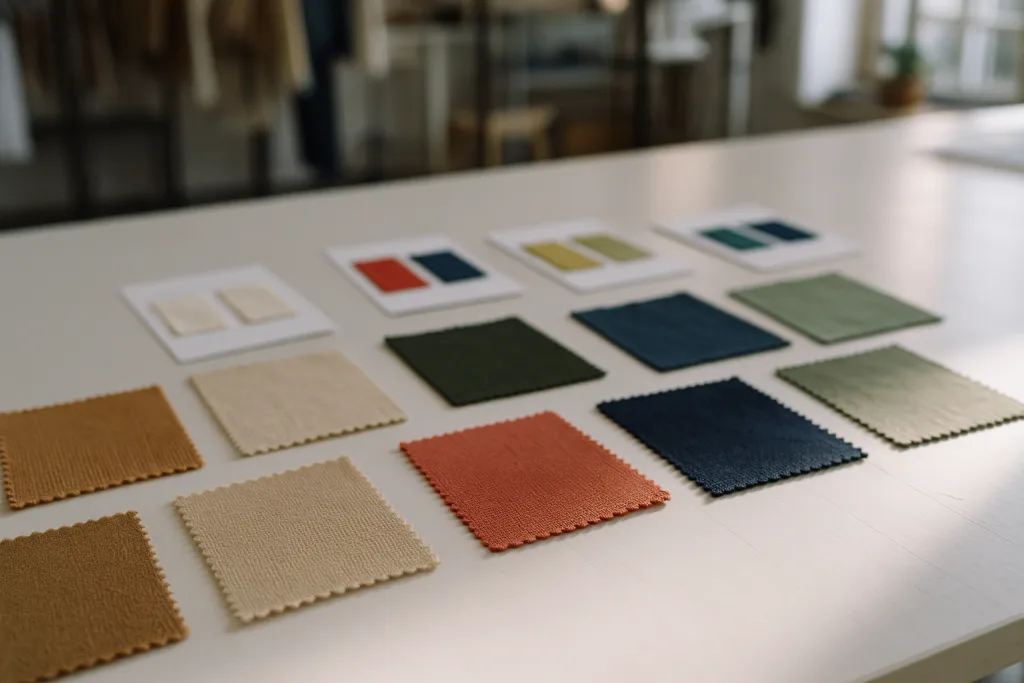
For colored T-shirts, you receive lab dips—small swatches dyed to your target shade. Manufacturers send these samples for your approval, ensuring bulk production matches your expectations. Record color codes and sample photos for control, using industry standards like Pantone, batch control, or shade bands.
Decoration Approval (Printing and Embroidery Specs)
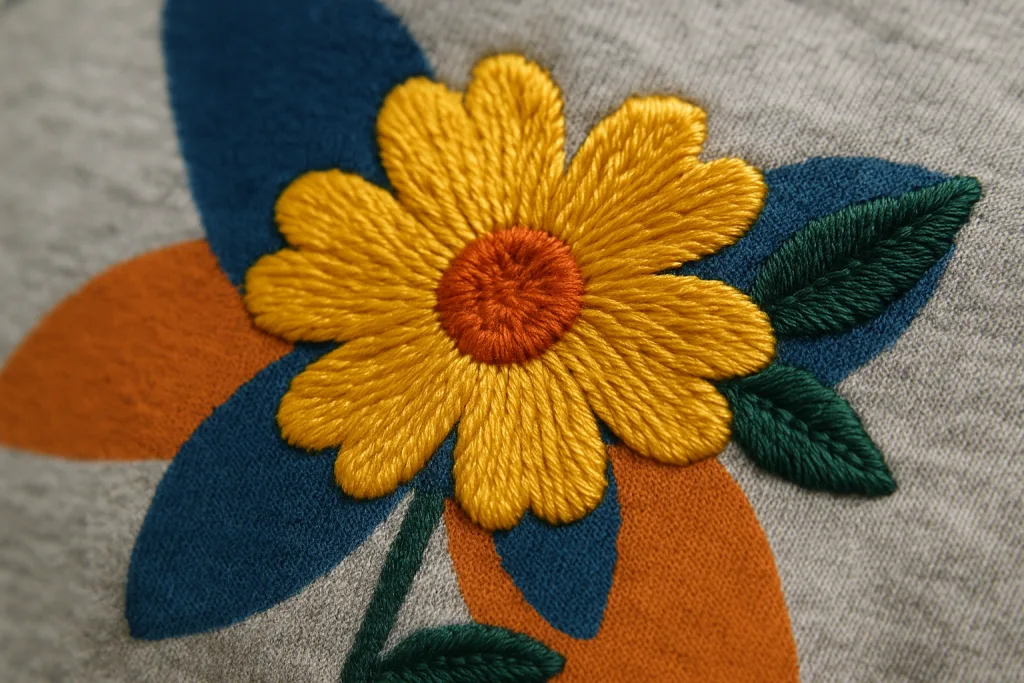
This record shows your sign-off on print methods (screen, DTF, DTG, or sublimation), embroidery details (including 3D/puff or thread type), and the final handfeel. It confirms color, placement, size, and repeatability so each bulk piece matches your prototype.

Packing and Labeling Instructions
Packaging specs define folding style, bagging method, hangtags, woven/care labels, carton marks, size ratio packs, and barcode/UPC needs. Correct packing keeps goods safe in transit and supports retail or promotional programs. Reference packaging symbols per ISO 3758 where needed.
Quality Control Checklist
This checklist ensures the finished garments meet standards for measurements, appearance, functionality, and compliance. It covers inline and final inspections (such as AQL sampling, needle detection, wash and colorfastness testing), plus spec checks for puckering, skew, and seam strength (ASTM D1683). Attach approved checklists to shipments for recordkeeping.
- Inline QC (during sewing)
- Endline QC (post-production)
- Final bulk shipment inspection
Comparative Table: Fabric/Finish Documents vs. Outcome
| Document Type | Key Details | Main Business Outcome |
|---|---|---|
| Material Spec Sheet | Fabric, GSM, composition, finish | Consistent quality, handfeel, durability |
| Lab Dip/Color Approval | Pantone, batch, lab swatch | Color match, branding alignment |
| Tech Pack | Construction, seam, stitch, trims | Correct style, function, repeatability |
| Decoration Approval | Print/embroider method, spec, placement | Brand visibility, lasting visuals |
Special Compliance and Testing Documentation
Some clients, especially those exporting to the US or EU, require compliance documents for safety and chemical restrictions. These may include test reports for colorfastness (ISO 105-C06), dimensional change (ASTM D1683), pilling resistance, and third-party certificates like OEKO-TEX STANDARD 100 and GOTS. Labels and inks must meet CPSIA/Prop 65 or REACH for child safety.
Required Documents for Major Export Markets
- Test reports (colorfastness, dimensional change, pilling, seam strength)
- Compliance certificates (OEKO-TEX, GOTS, BSCI/WRAP/SEDEX)
- Safety declarations for accessories/labels/ink
- Country of origin, HS code, import/export registration
Applications: Different Documents for Different T Shirt Projects
Requirements shift based on your business model. Promotional giveaways need faster approvals and basic specs. Sports teams require robust fit charts, moisture-wicking finishes, and durable embroidery. Resort/beachwear may focus on vivid prints and UPF protection. Athleisure lines need stretch specs and stability testing under active use.
- Golf apparel: anti-odor, UV finish, logo embroidery
- Streetwear: bold prints, heavier GSM, custom trims
- Uniforms/teams: colorfastness, strict size consistency
- Corporate programs: detailed packing and labeling instructions
Working with Ninghow Apparel: Document Workflow Example
Ninghow Apparel guides clients from initial concept through sample and bulk production using a transparent document workflow. Their process includes tech pack review, lab dips for color control, size set confirmation, production sample signoff, inline and endline QC records, and logistics paperwork. Brands appreciate reliable tracking, crafted fit, and attention to sustainability, especially for organic or recycled lines.
Best Practices for Managing Manufacturing Documents
Store digital copies of all documents with file names, revision dates, and approval stamps. Use shared folders for updates. Confirm that t-shirt manufacturer and buyer versions match before mass production. Document changes after sampling so everyone stays aligned. Always keep signed copies of contracts and approvals for legal protection.
Expert Takeaway
Caring about your document set isn’t just paperwork—it’s a key driver of smooth production, consistent quality, and brand growth. The stronger your documentation, the fewer surprises and setbacks you’ll face.
Final Steps: Building Your Document Set
- Draft your contract and purchase order first
- Prepare complete tech pack and size chart
- Review and sign material specification sheet
- Approve all lab dips and production samples
- Sign off decoration, packing, and labeling instructions
- Review compliance, testing, and QC records before shipment
Frequently Asked Questions
What is a sample approval sheet in t shirt manufacturing?
A sample approval sheet is a record confirming your signoff on prototype or pre-production T-shirts for fit, fabric, color, and decoration before mass production.
Why is a material specification sheet important for T shirt orders?
A material specification sheet outlines every fabric, finish, and trim detail, ensuring the manufacturer buys correct materials and matches your requirements.
What testing reports are needed for international T shirt shipments?
International shipments often need test reports for colorfastness, seam strength, pilling resistance, safety, and compliance certificates like OEKO-TEX or GOTS.
Can I revise my tech pack after sampling?
You can update your tech pack after sampling, but always align revisions with both the manufacturer and your internal team to avoid mistakes in bulk production.
How are decoration approvals managed for different print methods?
Decoration approvals confirm the chosen method, placement, colors, and handfeel by sharing detailed specs and signed sample photos between buyer and manufacturer.
What documents help with quality control in T shirt manufacturing?
Quality control relies on checklists, measurement tables, approved samples, and inspection records for each production stage to meet your brand’s standards.