

Understanding the Concept of “Fit” in Polo Shirts
“Fit” in apparel refers to how a garment conforms to the dimensions and shape of the human body. For polo shirts, fit is not just about size—it’s about silhouette, comfort, mobility, and the visual effect. Common types include classic fit (loose and comfortable), slim fit (tailored and narrow), and modern fit (a balance of the two). These variations cater to different style preferences and body types globally.
Understanding the polo shirt fit differences among various regions is essential for making an informed purchase.
Why Fit Matters in Global Apparel Manufacturing
Fit is a cornerstone of customer satisfaction in fashion. A poorly fitted polo shirt can lead to returns, negative reviews, and brand disengagement. Polo Shirts Manufacturers must align sizing and fit with the target region’s body data, cultural preferences, and market expectations. For OEM/ODM brands like Ninghow Apparel, understanding fit ensures product-market alignment and reduces costly production errors.
By recognizing these polo shirt fit differences, manufacturers can better serve their target markets.
Overview of US Polo Shirt Fit Preferences

The US market favors comfort and practicality. American consumers often choose classic or relaxed fits, especially for casual wear. Roomier cuts around the chest, broader shoulders, and longer hems are typical.
These factors help explain the polo shirt fit differences that consumers experience across cultures.
Awareness of the polo shirt fit differences can influence buyers’ choices significantly.
US Standard Size Chart and Grading Logic
US grading often starts from a base Medium, scaling up or down in 2-inch increments across the chest. There’s also more tolerance in sleeve width and body length.
Popular Fit Types in US Polo Shirts

- Classic Fit: Loose from shoulder to hem.
- Athletic Fit: Broad at the shoulders, tapering slightly at the waist.
- Modern Fit: Slightly slimmer than classic, without being tight.
European Market Fit Expectations
European fashion tends to emphasize sharp silhouettes and minimal excess. Consumers in the UK, Germany, France, and Italy often favor slim or tailored cuts, with close attention to drape and structure.
Key Differences Between UK, Germany, France
- UK: Mix of classic and slim, but closer to American sizing.
- Germany: More generous cuts than France or Italy.
- France/Italy: Notably slim, with narrower shoulders and shorter lengths.
Euro Fit vs Slim Fit: What’s the Difference?
Euro Fit is often slightly more forgiving than Slim Fit but still more tailored than US Modern Fit. It accommodates slim physiques while maintaining elegance.
Asian Fit: Compact, Shorter, and Narrower
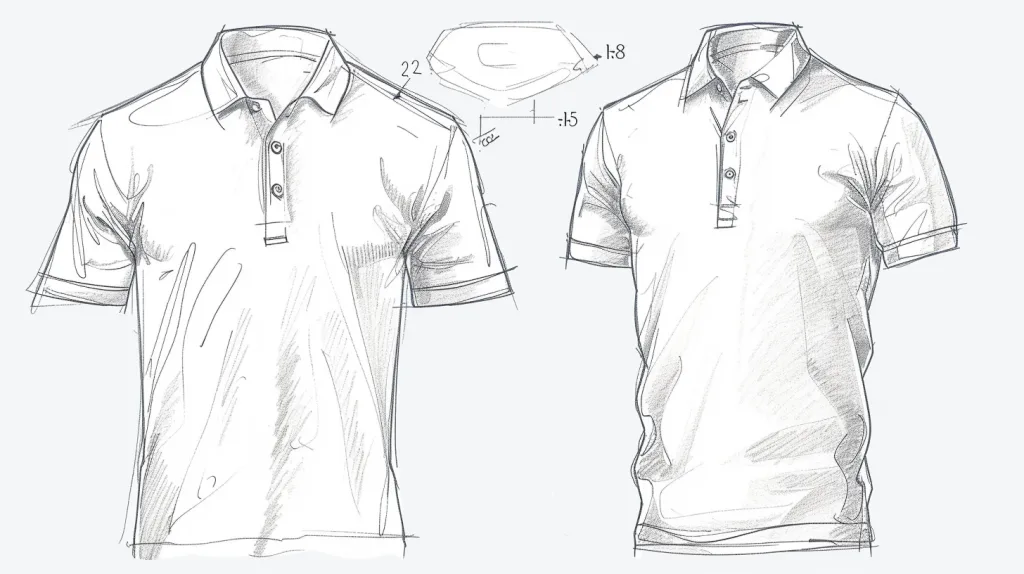
Asian sizing is based on smaller body frames. Polo shirts in Asia typically have shorter torsos, tighter shoulders, and narrower sleeves.
Country Comparisons: China vs Japan vs Southeast Asia
- China: Moderate slim fit, with varied grading depending on export.
- Japan: Extremely fitted with high armholes and short hems.
- Southeast Asia: Tropical climates lead to lighter fabrics, loose but compact fits.
How Fabric and Material Affect Fit Perception

Fabric characteristics—like elasticity, weight, and drape—play a huge role. For example:
- Cotton Piqué: Structured, maintains silhouette.
- Poly-Spandex Blends: More stretch, enhances comfort in slim fits.
- Modal or Bamboo Fabrics: Lightweight and soft, ideal for tropical climates.
Common Manufacturing Adjustments Across Regions
Factories often adjust paper patterns for:
- Armhole depth
- Sleeve circumference
- Torso length
- Shoulder width This tailoring ensures regionally appropriate fit and better sales performance.
Challenges in Creating a Universal Fit
A “one-size-fits-all” approach rarely works. Differing proportions (e.g., torso-to-leg ratio, shoulder width) mean that a shirt fitting well in the US may feel tight or boxy elsewhere. Additionally, cultural definitions of ideal fit vary greatly.
Case Study: Ninghow Apparel’s Approach to Fit Customization
Ninghow Apparel employs advanced body data analytics and regional fitting samples to create country-specific fits. Our OEM/ODM model allows flexible pattern customization with low MOQ, enabling brands to serve multiple markets with precision.
Sizing Labels and Communication Strategies
Clear labeling (e.g., “US M = EU L = ASIA XL”) prevents customer confusion. Including measurement charts and fit type descriptions online and on tags also enhances trust and reduces returns.
Logistics and Inventory Implications of Fit Differences
Stocking region-specific fits increases SKU complexity. Smart inventory solutions like modular packaging, digital fit guides, and size-demand forecasting can reduce logistical burdens.
Opportunities for OEM/ODM Brands
Fit customization presents an enormous opportunity. By offering region-specific fit packs, brands can localize their offering and appeal to diverse audiences—boosting loyalty and repeat purchases.
Best Practices for Brands Entering New Markets
- Market Testing: Use sample sets for regional feedback.
- Local Partnerships: Work with regional retailers for fit calibration.
- Flexible Patterns: Adopt adjustable base patterns.
- Education: Train sales staff on fit distinctions.
FAQ: Common Questions About Polo Shirt Fit Differences
1. Why do polo shirts feel different in the US vs Europe?
Because of regional fit preferences. US shirts are roomier for comfort, while European shirts are tailored for a sleek look.
2. What does “Asian fit” mean?
Asian fit refers to garments with shorter, slimmer, and narrower measurements—ideal for smaller body frames.
3. How do I convert between US, EU, and Asian polo sizes?
There’s no exact conversion, but generally:
- US M = EU L = Asia XL Refer to size charts from specific brands.
4. Can manufacturers produce one fit that works globally?
It’s difficult. Most successful brands create regional variants to meet specific customer needs.
5. How does fabric choice influence fit?
Stretchy fabrics can accommodate more body types in a slimmer cut, while rigid fabrics require precise tailoring.
6. What are Ninghow Apparel’s capabilities in regional fit customization?
Ninghow Apparel offers flexible OEM/ODM production, size grading by region, low MOQs, and fit consultation based on target market.
Conclusion
Understanding polo shirt fit differences across the US, Europe, and Asia is crucial for global apparel success. Brands that embrace fit diversity stand out in crowded markets. With strategic manufacturing and communication, fit can become a competitive advantage.