


1. Introduction: Why Scaling Matters in the Polo Shirt Business
Scaling a polo shirt business means more than just increasing production. It’s about brand positioning, market expansion, and building long-term trust with your customers. Starting with small batch orders allows brands to test product-market fit while reducing upfront risks. Once validated, scaling to tens of thousands of units opens doors to wholesale deals, retail distribution, and international sales.
With global demand for customized and high-quality polo shirts on the rise, working with the right polo shirt manufacturer is key to growing from a startup label into a recognized global brand.
2. Understanding the Landscape of Polo Shirt Manufacturing
The global polo shirt manufacturing industry includes a variety of players—from small workshops to high-capacity factories. Some focus purely on basic production, while others offer full-package services (OEM/ODM), including design support, fabric sourcing, sampling, printing, embroidery, and packaging.
To scale successfully, businesses need manufacturers that can support growth from 100 to 100,000 units annually, while maintaining product quality, brand identity, and fast delivery cycles.
3. Choosing the Right Manufacturer for Long-Term Growth
3.1 Evaluating OEM/ODM Capabilities
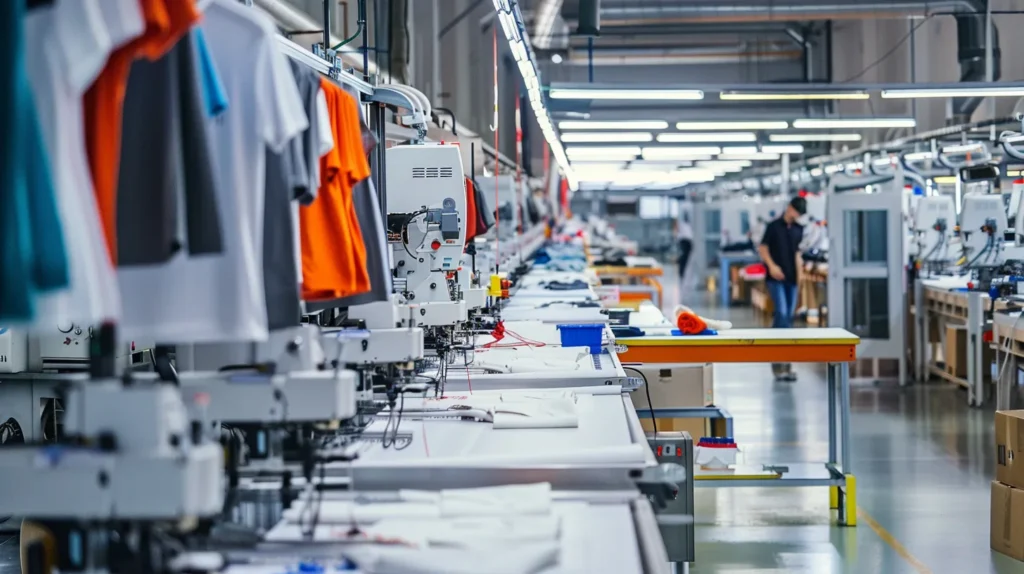
OEM (Original Equipment Manufacturer) and ODM (Original Design Manufacturer) models allow brands to either bring their own designs or use the manufacturer’s templates with customization. Look for suppliers that:
- Offer scalable production volumes
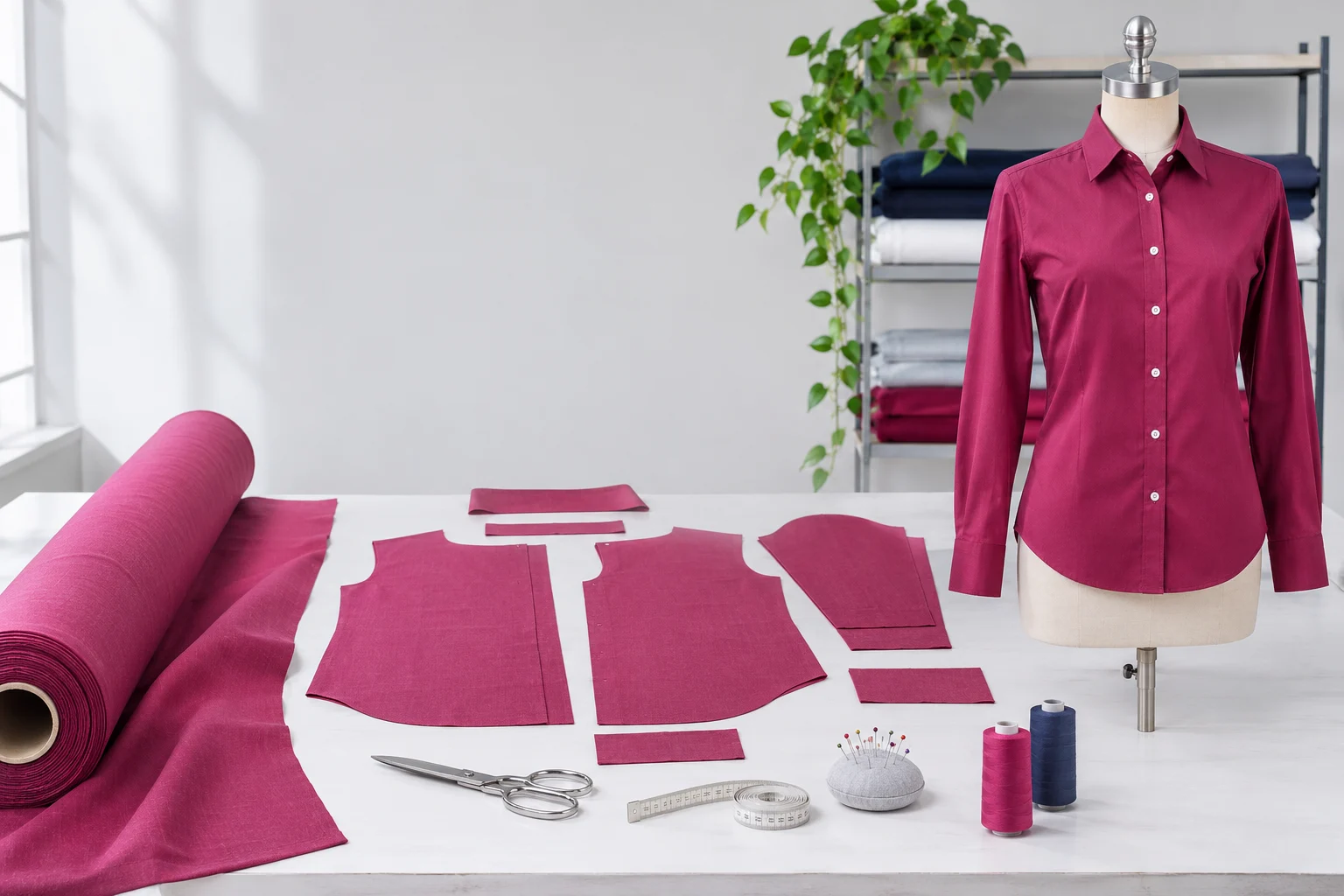
- Have in-house design and pattern-making teams
- Provide value-added services like logo embroidery and packaging
3.2 Flexibility in MOQ and Customization
A key to sustainable growth is starting small. Find a manufacturer who supports low MOQ (Minimum Order Quantity), such as 100–200 pieces per style. This allows:
- Testing new collections or designs
- Minimizing inventory risk
- Gaining market feedback before bulk production
4. Starting Small: The Power of Low-MOQ Orders
4.1 Case Study: Launching with 100 Pieces
Many successful brands began with just a few hundred units. For instance, a startup targeting the golf apparel niche started with a 100-piece order, using Ninghow Apparel’s low-MOQ solution. They focused on premium materials, customized logos, and targeted social media marketing to build hype.
4.2 Learning from Initial Feedback Loops
Low-MOQ batches allow brands to:
- Collect customer reviews
- Fine-tune sizing and fit
- Improve design elements before scaling
This iterative process is crucial for building a loyal customer base and reducing costly returns.
5. Scaling Up Gradually: Strategic Order Increases
5.1 Moving from 1,000 to 10,000 Units per Season
Once demand is stable, brands can begin ordering larger volumes seasonally. It’s important to scale responsibly—aligning marketing efforts, distribution channels, and inventory planning.
5.2 Budgeting and Cash Flow for Scale
To manage scaling smoothly:
- Negotiate payment terms with the manufacturer (e.g., 30% deposit, 70% before shipment)
- Use pre-orders or crowdfunding to finance large production runs
- Forecast demand based on sales trends and seasonality
6. Building a Product Line: Variety in Polo Shirt Styles
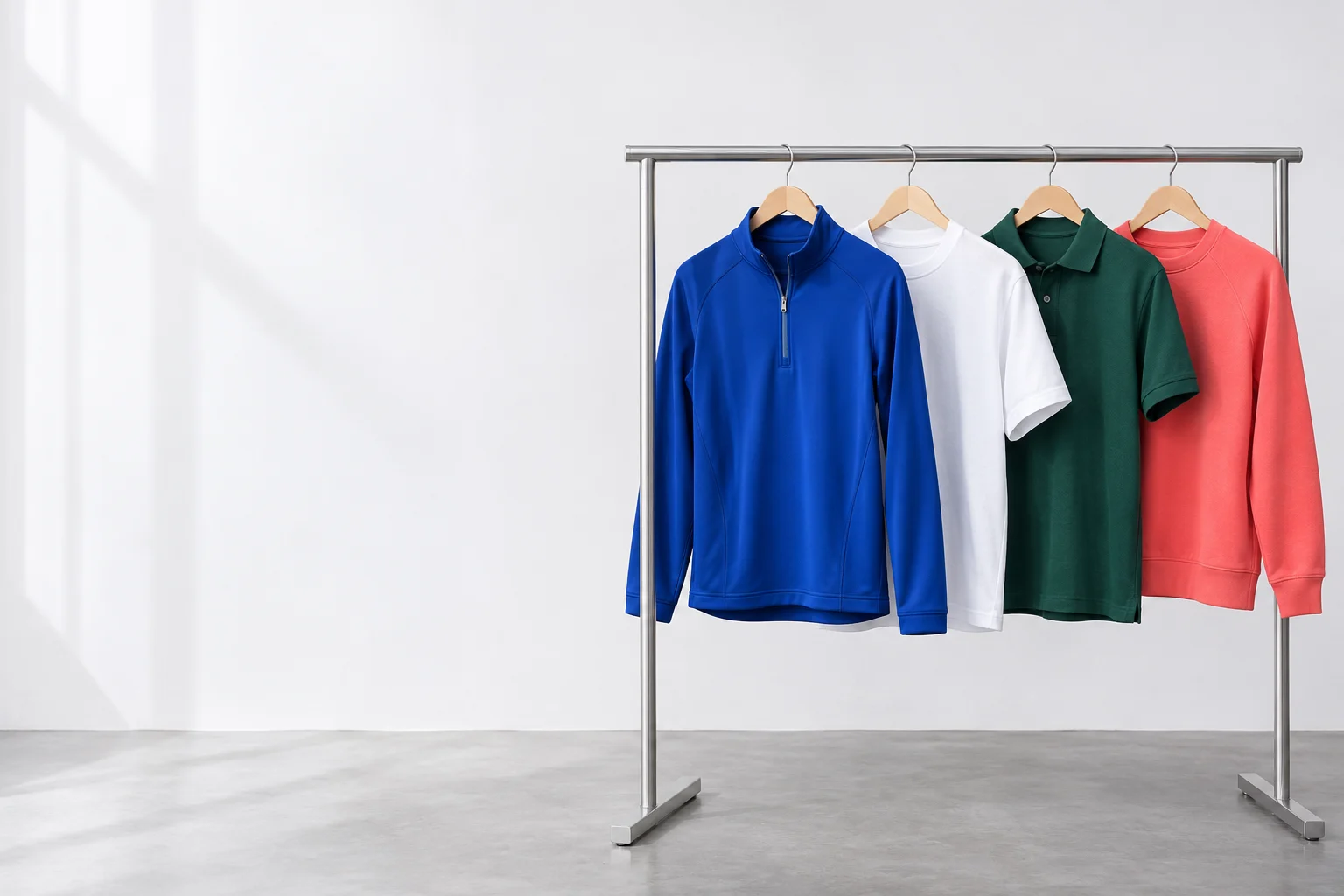
Expanding your collection helps attract different customer segments. Popular polo shirt variations include:
- Performance polos (moisture-wicking, quick-dry)
- Fashion polos (color-blocking, slim-fit)
- Classic cotton polos
- Corporate polos for uniform wear
Collaborating with a manufacturer who can handle style variety is essential.
7. Customization and Branding Options to Stand Out
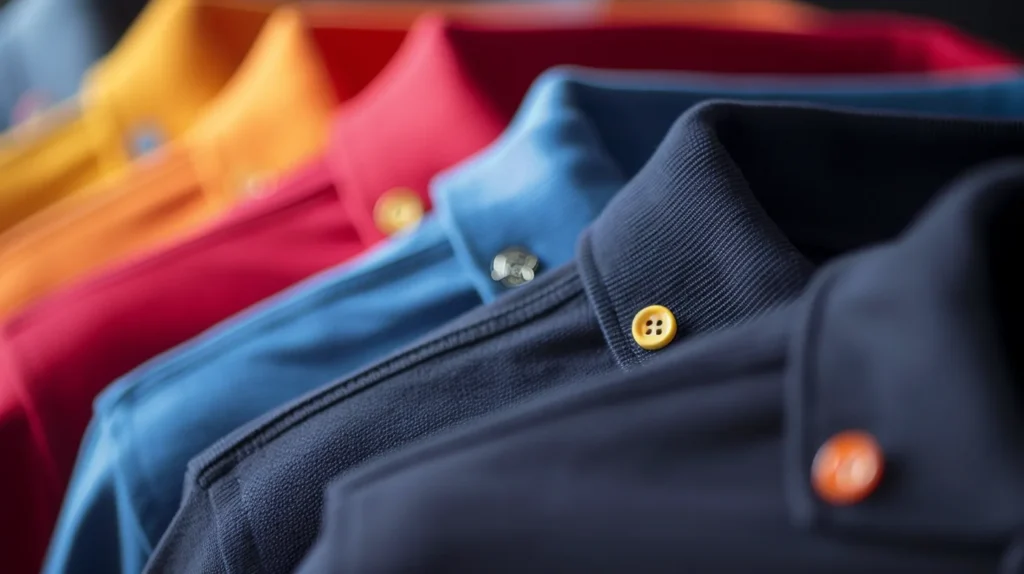
Brand identity is everything. When scaling your polo shirt business, use:
- Embroidered or heat-transferred logos
- Custom buttons and collars
- Branded neck labels and hang tags
- Unique colorways and trims
These details increase perceived value and support premium pricing.
8. Material Selection for Different Markets
Different markets demand different materials:
- Europe: prefers organic cotton and sustainable fabrics
- U.S.: favors performance fabrics for sports use
- Asia: seeks breathable blends for hot climates
A good manufacturer should offer material suggestions based on your target regions.
9. Optimizing the Production Workflow
Efficiency in manufacturing helps reduce lead times and cost per unit. Look for partners who provide:
- Automated cutting and sewing technology
- Lean manufacturing practices
- In-line quality checks to reduce waste
10. Leveraging Technology in Apparel Manufacturing
Technology is transforming how fashion brands scale. Smart manufacturers offer:
- Digital sampling and 3D prototyping
- AI-based demand forecasting
- ERP systems for order tracking
These innovations support faster go-to-market timelines.
11. Quality Control and Consistency at Scale
As volumes increase, maintaining consistency is crucial. Ensure your manufacturer:
- Follows AQL (Acceptable Quality Level) standards
- Offers pre-shipment inspection reports
- Provides defect replacement policies
This protects your brand reputation and customer satisfaction.
12. Logistics & Shipping: Scaling Without Delays
As orders grow, so do shipping complexities. Work with manufacturers experienced in:
- Coordinating bulk freight (air/sea)
- Managing customs documentation
- Offering warehousing or drop-shipping support
This ensures your products reach customers or retailers on time.
13. Sustainability Practices for Scalable Growth
Sustainable production is not only ethical—it’s marketable. Ask your manufacturer about:
- Eco-friendly dyes and processes
- Recycled packaging
- Wastewater treatment systems
This aligns your brand with growing consumer demand for sustainability.
14. Working with a Manufacturer on Forecasting & Inventory Planning
Long-term scaling involves careful planning. Partner with your supplier to:
- Analyze sales data for trend forecasting
- Pre-book production slots
- Manage buffer stock for peak seasons
This prevents stockouts and overproduction.
15. Case Studies: Brands That Scaled Successfully with Ninghow Apparel
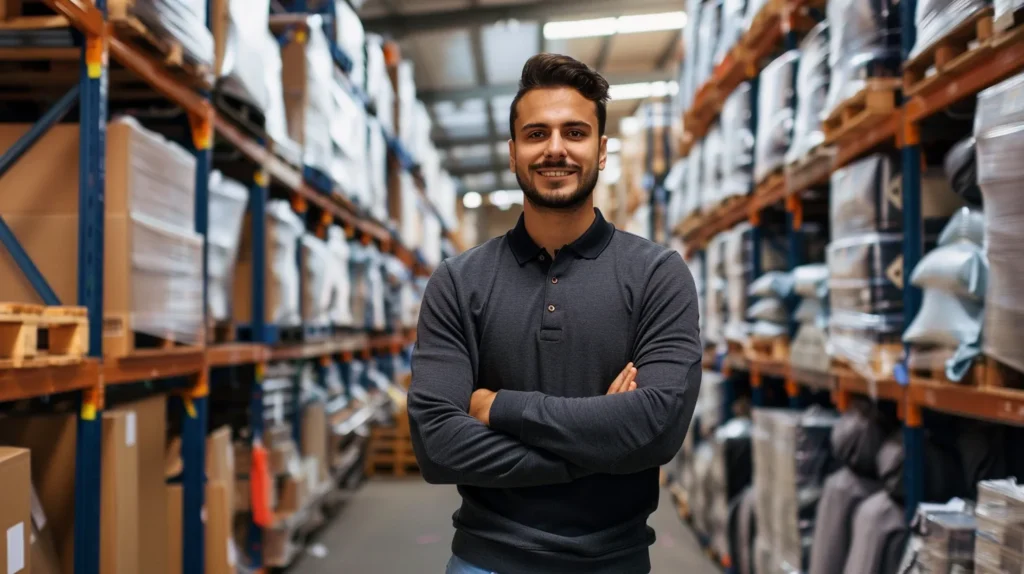
Ninghow Apparel has supported numerous brands from launch to scale:
- A startup that grew from 200 to 50,000 units in two years via influencer marketing
- A corporate supplier scaling to 100,000 polos annually for company uniforms
- An international e-commerce brand expanding into B2B wholesale
These stories prove that with the right support, exponential growth is possible.
16. Common Pitfalls to Avoid When Scaling a Polo Shirt Brand
- Over-ordering without market demand
- Ignoring quality checks during bulk production
- Choosing price over reliability
- Failing to plan logistics in advance
Avoid these mistakes by maintaining open communication and setting realistic goals.
17. Long-Term Partnership Models for 100K+ Annual Production
High-volume production requires stable partnerships. Consider:
- Annual contracts with price locks
- Dedicated production lines
- Co-branded product development
This fosters trust and operational efficiency as your brand matures.
Frequently Asked Questions (FAQ)
1. What is the ideal starting MOQ for a polo shirt business?
Most scalable manufacturers offer MOQs as low as 100–200 pieces. This is perfect for testing the market.
2. How long does it take to scale to 100,000 polo shirts annually?
With strong demand and consistent production, many brands reach this milestone within 2–3 years.
3. Can I customize fabrics and colors for large orders?
Yes, most manufacturers offer custom dyeing and fabric sourcing for bulk orders.
4. What’s the typical lead time for large polo shirt orders?
Lead times vary from 30 to 60 days depending on volume and complexity.
5. How do I ensure quality across thousands of units?
Work with manufacturers who follow AQL standards and offer third-party inspection.
6. Does Ninghow Apparel offer support for inventory storage and shipping?
Yes, Ninghow Apparel provides warehousing, bulk shipping coordination, and logistics support globally.