

Understanding the Rise of Sustainable Fashion in the Hoodie Market
The global fashion industry has seen a major shift in recent years toward sustainability. Hoodies, once a purely functional and casual wardrobe staple, have become a key product in this green revolution. As consumers become more environmentally conscious, brands are under increasing pressure to source responsibly and produce ethically. Sustainable hoodie manufacturing has emerged as a vital segment, combining eco-friendly materials, low-impact production techniques, and ethical labor standards. A reliable sustainable hoodie manufacturer is essential for driving this change.
This transformation is not just a trend but a reflection of a deeper cultural shift. Millennials and Gen Z are driving the demand for greener alternatives, pushing manufacturers to rethink their processes. Choosing a sustainable hoodie manufacturer is no longer optional—it’s essential for any forward-thinking apparel brand.
Why Choose a Sustainable Hoodie Manufacturer?
A sustainable hoodie manufacturer does more than just use organic fabrics. They adopt a holistic approach to minimize environmental impact at every stage of the product life cycle. From fabric selection to energy-efficient factories and biodegradable packaging, each decision reflects a commitment to the planet and the principles of a sustainable hoodie manufacturer.
Benefits of working with such a manufacturer include:
- Brand credibility in eco-conscious markets
- Lower carbon footprint across the supply chain
- Access to innovative materials and production methods
- Compliance with global sustainability certifications
Partnering with a sustainable manufacturer ensures your hoodies not only look good but also do good.
Working with a sustainable hoodie manufacturer enhances brand reputation and aligns with consumer values.
Eco-Friendly Fabrics: The Foundation of a Sustainable Hoodie

Choosing the right fabric is the cornerstone of any sustainable hoodie. Eco-friendly fabrics reduce reliance on petroleum-based textiles and offer biodegradable, renewable alternatives. The most popular materials include:
- Organic Cotton: Grown without toxic pesticides or GMOs
- Recycled Cotton: Made from post-consumer waste, saving water and energy
- Bamboo: Naturally antibacterial and fast-growing
- Hemp: Durable and requires little water or pesticides
- Tencel: A regenerated cellulose fiber known for softness and minimal processing
Organic Cotton vs. Recycled Cotton: A Comparison
| Feature | Organic Cotton | Recycled Cotton |
|---|---|---|
| Water Usage | Moderate | Very Low |
| Energy Consumption | Moderate | Low |
| Source | New plant fibers | Post-consumer textile waste |
| Biodegradability | Yes | Yes |
| Durability | High | Moderate |
While both options are sustainable, recycled cotton offers an edge in water and energy savings, making it ideal for brands targeting zero-waste goals.
The Role of Bamboo, Hemp, and Tencel in Hoodie Manufacturing
- Bamboo: A rapidly renewable resource that produces soft, breathable fabric. It grows without fertilizers and self-regenerates.
- Hemp: One of the oldest and most sustainable textiles. Resistant to pests, requiring less water, and producing strong fibers ideal for durable hoodies.
- Tencel: Manufactured in closed-loop systems that recycle water and solvents, Tencel offers a silky texture perfect for premium hoodies.
Recycled Yarns and Their Growing Popularity
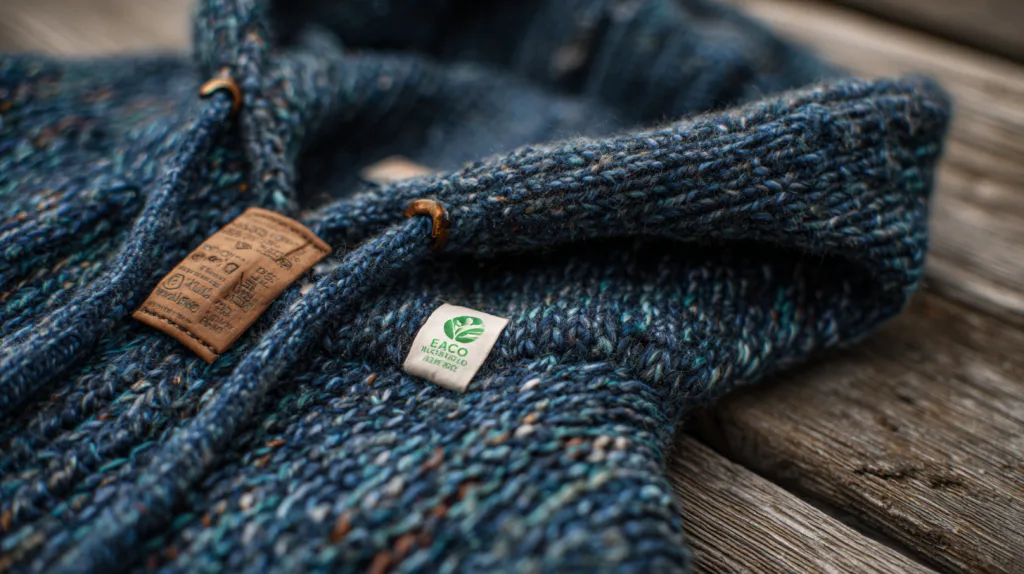
Recycled yarns are becoming a go-to material in sustainable hoodie manufacturing. These yarns are made from plastic bottles, textile waste, or used garments, turning waste into wearable art.
Benefits include:
- Diverting waste from landfills
- Lower carbon emissions than virgin materials
- Reduced dependence on petroleum products
Innovative technologies allow manufacturers to blend recycled yarns with organic fibers, ensuring durability without sacrificing sustainability.
Low-Impact Dyes and Waterless Dyeing Technologies
Traditional dyeing processes consume vast amounts of water and release harmful chemicals. Sustainable hoodie manufacturers now adopt low-impact dyes and waterless technologies like:
- AirDye: Uses air instead of water for dye transfer
- Digital Printing: Minimizes ink waste and water usage
- Plant-Based Dyes: Derived from roots, leaves, and fruits
These methods reduce pollution, conserve water, and produce vibrant, long-lasting colors.
Energy-Efficient and Low-Carbon Production Processes
Reducing carbon emissions is a key goal in sustainable manufacturing. Top manufacturers invest in:
- Solar or wind-powered facilities
- Energy-efficient machinery
- Smart logistics to reduce transport emissions
By tracking and optimizing energy usage, these manufacturers significantly lower their environmental footprint.
Waste Management: Zero-Waste Cutting and Textile Recycling
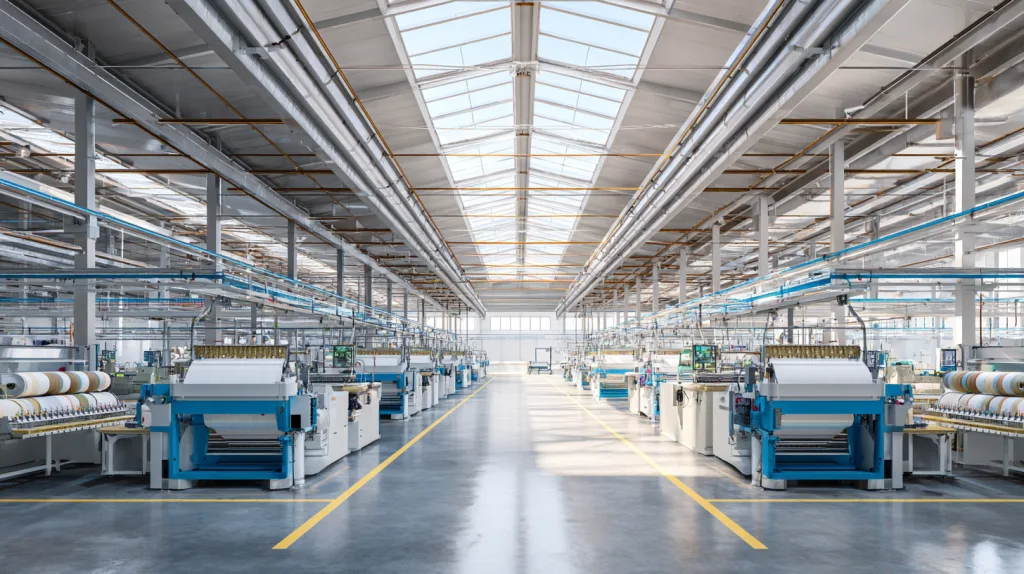
Waste reduction is another critical area. Zero-waste cutting techniques and textile recycling programs are now standard among leading sustainable hoodie manufacturers. These include:
- Laser-cutting and automated patterning to reduce scrap
- Take-back programs for old garments
- On-site fabric recycling into yarn or insulation
These practices help close the loop in fashion production.
Certifications That Matter in Green Hoodie Manufacturing
To verify sustainable claims, reputable manufacturers pursue certifications such as:
- GOTS (Global Organic Textile Standard)
- OEKO-TEX Standard 100
- GRS (Global Recycled Standard)
- Fair Trade
- ISO 14001
These ensure the products meet environmental and social responsibility criteria.
Supply Chain Transparency and Ethical Labor Practices
Sustainability isn’t just about the environment—it’s also about people. A trusted sustainable hoodie manufacturer offers:
- Fair wages and safe working conditions
- Traceable sourcing and manufacturing locations
- Open communication with clients
This transparency builds consumer trust and long-term brand loyalty.
Packaging and Logistics: Going Plastic-Free and Carbon-Neutral
Sustainable practices extend beyond production to packaging and delivery. Eco-friendly hoodie manufacturers use:
- Recycled or compostable packaging materials
- Minimalist design to reduce waste
- Carbon-offset shipping options
These strategies reduce post-production impact and align with zero-waste principles.
Customization Without Compromise: Eco-Friendly Printing and Embroidery
Customization doesn’t have to conflict with sustainability. Manufacturers now offer:
- Water-based screen printing
- Digital embroidery with recycled threads
- Laser-engraved labels
These methods support brand identity without environmental harm.
Challenges and Opportunities in Sustainable Hoodie Manufacturing
Despite progress, challenges remain:
- High costs of sustainable materials
- Supply chain disruptions
- Educating consumers on sustainability value
Yet these are opportunities in disguise. Brands that navigate them well can set industry standards and build stronger market presence.
Ninghow Apparel’s Approach: Sustainable, Scalable, and Stylish
At Ninghow Apparel, we blend tradition with innovation. As a trusted sustainable hoodie manufacturer, our approach includes:
- No MOQ (Minimum Order Quantity), supporting small and medium brands
- Full OEM/ODM services with green processes
- Use of certified organic, recycled, and biodegradable materials
- Transparent sourcing and ethical labor policies
We help global fashion businesses scale sustainably and stylishly.
Future Trends: What’s Next for Green Hoodie Innovation?
Looking ahead, expect breakthroughs such as:
- Smart textiles that monitor energy use or change color without chemicals
- 3D knitting to eliminate waste
- Blockchain traceability for end-to-end transparency
The future of sustainable hoodies is bright—and it’s already here.
Frequently Asked Questions (FAQ)
1. What is the minimum order quantity (MOQ) for sustainable hoodies?
At Ninghow Apparel, we offer no MOQ, allowing startups and small businesses to source sustainable hoodies without financial pressure.
2. How long does it take to manufacture a sustainable hoodie?
Standard lead time ranges from 15 to 30 days, depending on customization and material availability.
3. What are the advantages of using recycled yarns in hoodies?
Recycled yarns reduce waste, lower carbon emissions, and save resources while maintaining quality.
4. How do sustainable dyes compare to conventional ones?
Sustainable dyes are non-toxic, water-efficient, and biodegradable, making them safer for both workers and the environment.
5. Can eco-friendly hoodies be customized with logos or prints?
Yes, using water-based inks, digital prints, or recycled thread embroidery, brands can customize sustainably.
6. What certifications should I look for in a sustainable hoodie manufacturer?
Key certifications include GOTS, OEKO-TEX, GRS, Fair Trade, and ISO 14001, which validate ethical and eco-friendly practices.