
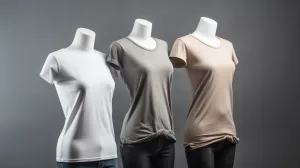
When you’re launching a clothing line, producing merchandise, or promoting an event, one essential piece to get right is the custom T-shirt. Not just a wardrobe staple, the T-shirt is a canvas for creativity, brand identity, and message delivery.
In this detailed guide, we’ll walk you through the step-by-step process of working with a custom T-shirt manufacturer, covering everything from design prep to final delivery. Whether you’re a fashion startup, marketing agency, or corporate team, this roadmap helps you produce high-quality, branded T-shirts with confidence.
Step 1: Define Your Purpose and Target Audience
Before contacting a custom T-shirt manufacturer, clarify your product goals:
- Is the shirt for retail, teamwear, events, or promotions?
- Are you targeting men, women, unisex, or youth?
- What price point do you aim to sell or source at?
Understanding your goals will guide decisions on material, cut, and customization.
Step 2: Prepare Your Design and Branding
Have a clear concept before reaching out to your manufacturer. This includes:
- Logo or graphic designs in vector format (AI, EPS, or high-res PNG)
- Preferred placement (front chest, back, sleeves, inner tags)
- Color palette aligned with your brand
- Inspiration or mood boards (optional but helpful)
Tip: A great manufacturer like Ninghow Apparel can help you visualize your design with digital mockups.
Step 3: Choose the Right Fabric and Fit

The success of your custom T-shirt lies in how it feels and fits. Here are common options:
Fabric Types:
- 100% Cotton – Soft and breathable, good for everyday wear
- Cotton-Poly Blends – More durable and shrink-resistant
- Tri-Blends – Premium, soft hand feel with good drape
- Recycled Fabrics – Great for eco-conscious brands
Fit Styles:
- Regular fit – Most versatile
- Slim fit – Trendy and tapered
- Oversized – Fashion-forward, streetwear appeal
Choose based on your customer’s lifestyle, age group, and intended use.
Step 4: Select Printing or Decoration Method
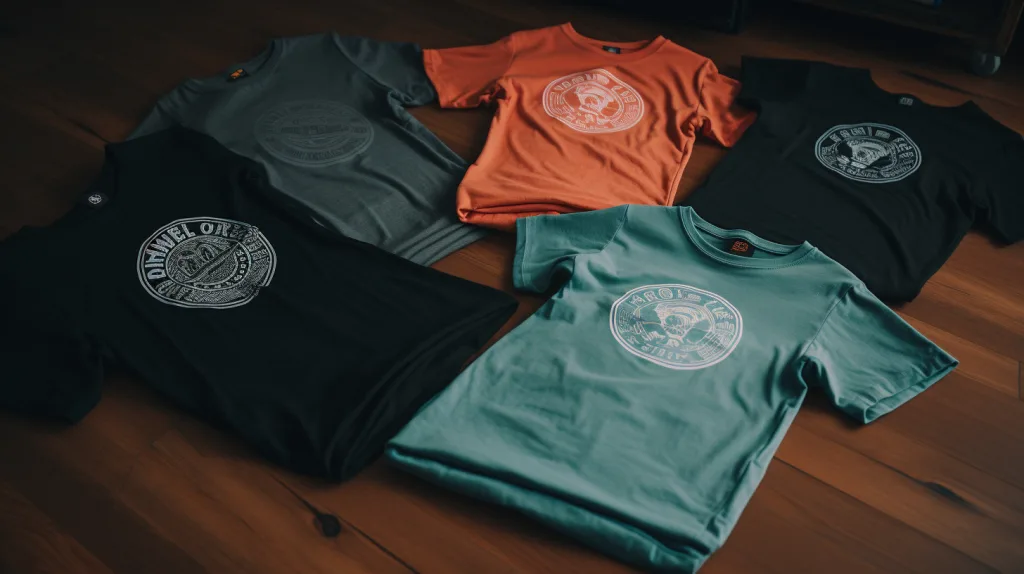
The look and longevity of your T-shirt depend on the printing technique:
- Screen Printing – Vibrant and durable; best for bulk
- DTG (Direct-to-Garment) – Best for short runs and detailed designs
- Sublimation – Works only on poly but great for all-over prints
- Embroidery – Premium finish for logos or chest details
Discuss the pros and cons of each with your custom T-shirt manufacturer to align with your goals.
Step 5: Request Samples
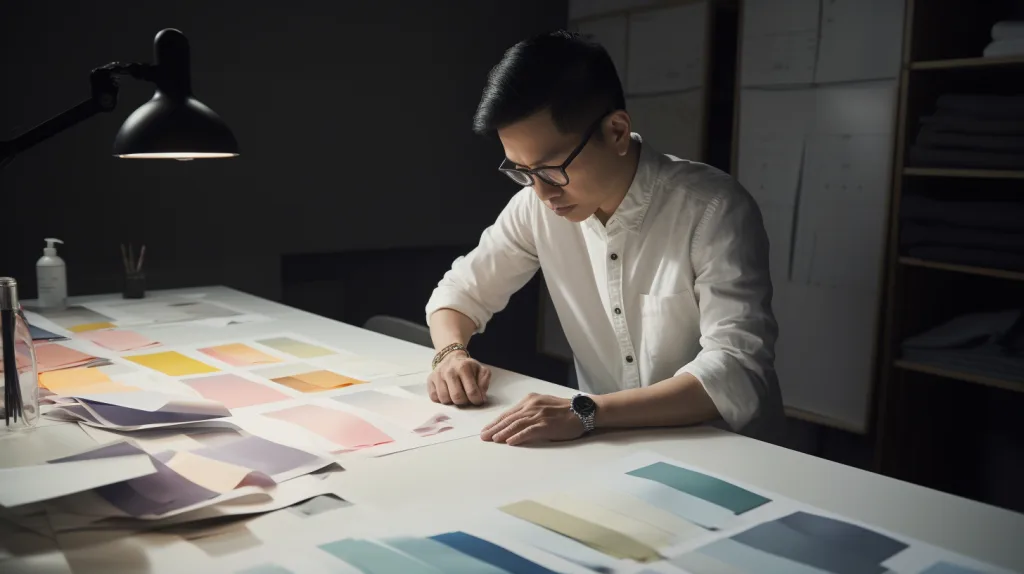
Before mass production, always request a pre-production sample. This helps you:
- Confirm fabric and fit accuracy
- Evaluate print quality and placement
- Test wash durability
At Ninghow Apparel, we provide fast sampling with clear turnaround timelines to accelerate your launch.
Step 6: Finalize Order Quantity and Production Timeline
Determine how many pieces you’ll need — and when.
- Most manufacturers have a Minimum Order Quantity (MOQ) starting around 100–300 pcs.
- Clarify your delivery deadline, especially for time-sensitive campaigns.
Work with a partner that offers flexible MOQs and realistic production schedules to avoid bottlenecks.
Step 7: Quality Control and Packaging
Quality assurance is a must before any shipment leaves the factory:
- Confirm logo accuracy and consistency
- Check for stitching or printing defects
- Approve final fold and packaging method (flat lay, folded, hang tag, poly bag)
Custom packaging is also available to enhance your unboxing experience.
Step 8: Shipping and Delivery
Choose your preferred shipping method:
- Air freight for speed
- Sea freight for bulk and cost efficiency
Make sure your manufacturer helps handle customs paperwork and provides tracking. Ninghow Apparel ships worldwide with full logistics support.
Conclusion: Turn Your Vision Into a Premium T-Shirt
Working with the right custom T-shirt manufacturer transforms your concept into a high-quality product that represents your brand with style and comfort.
From design assistance and fabric sourcing to fast sampling and full production, Ninghow Apparel is your go-to partner for low-MOQ, premium-quality T-shirt manufacturing.