
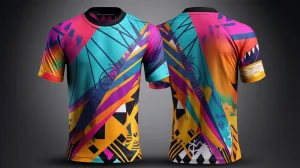
In today’s fast-paced fashion world, custom T-shirts are more than just a wardrobe staple — they are powerful branding tools, walking advertisements, and forms of personal expression. Whether you’re launching a clothing line, organizing a sports event, or simply creating branded merch, choosing the right T-shirt printing method is essential. But with so many printing techniques available, how do you know which one is right for your project?
This article will guide you through the most popular T-shirt printing methods used by manufacturers, designers, and entrepreneurs. We’ll break down the pros, cons, use cases, and best scenarios for each method to help you make an informed decision.
Screen Printing

Screen printing, also known as silkscreen printing, is one of the oldest and most widely used T-shirt printing methods in the world.
How It Works:
A stencil (or “screen”) is created for each color in your design. Ink is then pushed through the screen onto the fabric, layer by layer.
Pros:
- Vibrant and long-lasting colors
- Ideal for bulk orders
- Cost-effective at high volumes
- Great for simple designs with few colors
Cons:
- High setup cost for small runs
- Not suitable for complex, multi-color designs
- Time-consuming setup
Best For:
- Promotional T-shirts
- School and sports team uniforms
- High-volume retail lines
Direct-to-Garment (DTG) Printing
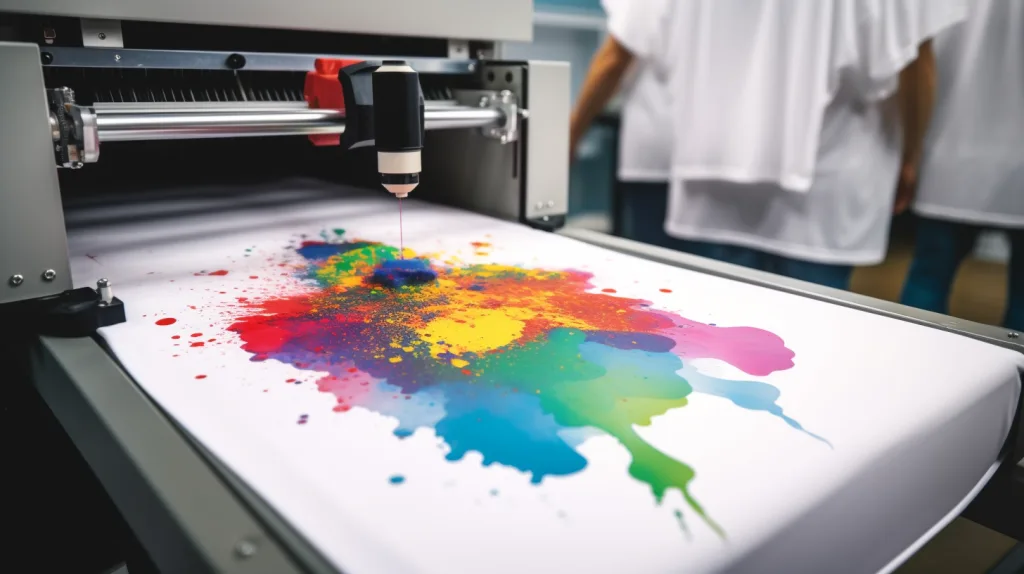
DTG printing uses inkjet technology to print directly onto the fabric. It’s a modern, digital solution for full-color designs.
How It Works:
Your design is printed directly from a computer onto the shirt using specialized DTG printers.
Pros:
- Excellent for detailed, full-color graphics
- No minimum order quantities
- Quick turnaround for small batches
Cons:
- Less cost-effective for large volumes
- Best on 100% cotton garments
- Not as durable as screen printing over time
Best For:
- Custom designs for small brands
- Print-on-demand shops
- Artistic, photo-quality graphics
Heat Transfer Printing
This method involves printing your design onto transfer paper and then using heat and pressure to bond it onto the shirt.
How It Works:
Designs are first printed onto special paper, then transferred to the fabric using a heat press.
Pros:
- Good for complex, colorful designs
- Suitable for small runs and fast production
- Works on various fabric types
Cons:
- Can feel heavy or plasticky
- Less durable after many washes
- Not ideal for bulk orders
Best For:
- Event T-shirts
- Personalized gifts
- Short-term promotional apparel
Sublimation Printing
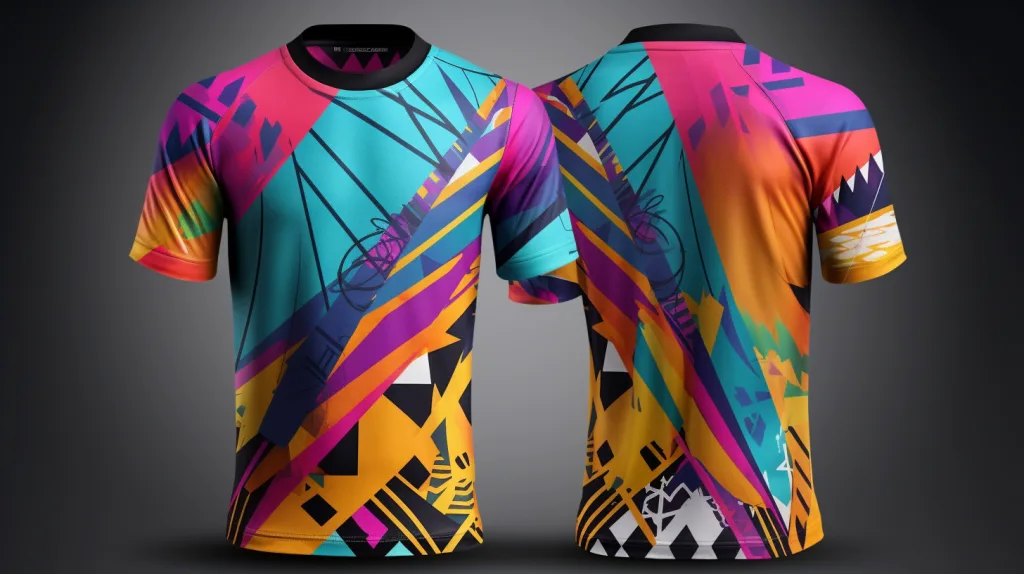
Sublimation printing is a dye-based process typically used on polyester or poly-blend fabrics.
How It Works:
Dye is turned into gas and absorbed by the fabric, resulting in a permanent, full-coverage print.
Pros:
- Bright, vivid colors
- Soft, breathable feel
- All-over printing capability
Cons:
- Only works on light-colored polyester fabrics
- Not suitable for cotton
- Higher equipment costs
Best For:
- Sports jerseys
- Activewear and beachwear
- All-over fashion prints
Vinyl Heat Transfer
Vinyl printing uses a machine to cut out designs from colored vinyl sheets, which are then heat-pressed onto garments.
How It Works:
The design is cut from heat transfer vinyl (HTV), weeded, and pressed onto the shirt with heat.
Pros:
- Great for bold, simple designs
- Durable and flexible
- Good for names and numbers
Cons:
- Time-intensive for complex or large runs
- Limited color and design detail
Best For:
- Team uniforms
- Custom names and slogans
- Small-scale personalization
Choosing the Right Printing Method for Your Needs
When deciding on a T-shirt printing technique, consider:
- Order size: Screen printing is best for bulk, while DTG and heat transfer suit small runs.
- Fabric type: Sublimation needs polyester, while DTG prefers cotton.
- Design complexity: Use DTG or sublimation for full-color images; screen or vinyl for simple logos.
- Budget and turnaround time: DTG and heat transfers are faster but may cost more per unit.
At Ninghow Apparel, we help our clients select the ideal method for their project goals. Whether you need a few samples or thousands of units, we provide flexible MOQ, fast sampling, and custom solutions tailored to startups, sports teams, and growing brands.
Conclusion
Understanding the pros and cons of each T-shirt printing method can save you time, money, and headaches. There’s no one-size-fits-all approach, but with the right guidance, you can produce high-quality apparel that meets your aesthetic and practical needs.
Looking to start your next custom T-shirt project? Reach out to Ninghow Apparel for expert advice and end-to-end manufacturing support.