
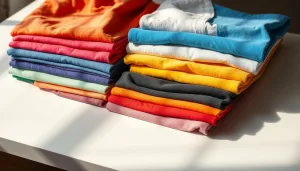
Choosing the best fabric for T-shirts is more than just picking what feels soft or looks good on a sample swatch. For growing brands, custom T-shirts entrepreneurs, and event organizers, selecting the right fabric can be the difference between a bestseller and a shelf-sitter. From performance-focused activewear to premium lifestyle tees, your fabric choice defines comfort, durability, brand positioning, and customer satisfaction.
In this guide, we break down how to choose the best fabric for T-shirts — whether you’re starting your first clothing line, producing merch for an event, or expanding your sportswear collection. You’ll learn how different materials behave, what your audience really wants, and how to align fabric with your business goals.
Understanding the Fabric Landscape

The textile world offers dozens of fabric options, but for T-shirts, the choices typically narrow down to a few proven favorites. Here are the most common types of T-shirt fabrics:
Cotton
Pros: Breathable, soft, natural, hypoallergenic.
Best For: Everyday wear, lifestyle brands, casual promotional tees.
Variants to Know:
- Combed Cotton: Smoother and stronger than regular cotton.
- Ringspun Cotton: Finer, softer fibers with a premium feel.
- Organic Cotton: Eco-friendly and sustainable.
Polyester
Pros: Lightweight, wrinkle-resistant, fast-drying.
Best For: Athletic wear, moisture-wicking performance shirts.
Downside: Less breathable, can retain odors.
Blends (Cotton/Polyester, Tri-blends)
Pros: Balanced softness, durability, stretch, and moisture control.
Best For: Versatile uses — from fashion-forward to functional.
Example: 50/50 cotton-poly blends or tri-blends (cotton/poly/rayon).
Bamboo and Modal
Pros: Incredibly soft, sustainable, moisture-wicking, odor-resistant.
Best For: Premium collections, eco-conscious brands.
Note: These fabrics are pricier and may require special care during production.
Match Fabric to Your Brand Purpose
Your fabric choice should align with the core mission of your brand or event. Consider the following use cases:
Startup Lifestyle Brand
You want softness, printability, and versatility — opt for combed cotton or tri-blend fabrics.
Fitness or Sports Team
Performance matters most — choose polyester or poly blends with moisture-wicking properties.
Eco-Friendly Mission
Highlight sustainability — look for organic cotton, bamboo, or modal.
Corporate Events or Promotional Merch
Cost-effective and durable — standard cotton or 50/50 blends work best.
Fabric Weight: What Does GSM Mean?

GSM (grams per square meter) measures fabric weight and density.
- 120–150 GSM: Lightweight — best for hot climates or summer wear.
- 150–180 GSM: Midweight — great all-rounder for daily wear.
- 180+ GSM: Heavyweight — suitable for premium tees or cold climates.
A midweight cotton tee (160–180 GSM) is usually a safe, versatile choice.
Printability & Customization
The best fabric for T-shirts should also work well with your chosen printing method:
- Screen Printing: Works best with smooth, tight-weave cotton.
- DTG (Direct-to-Garment): Requires high-quality cotton for crisp results.
- Sublimation: Only works on 100% polyester or high polyester-content blends.
- Heat Transfer Vinyl (HTV): Suitable for most cotton and blends.
Always test your print method on a sample shirt before large-scale production.
Comfort, Feel & Fit
Your customers won’t wear what they don’t love. Fabric softness, stretch, breathability, and fit retention all play a role:
- Tri-blends and modal fabrics offer a luxurious, draping fit.
- Cotton is comfortable but may shrink if not pre-treated.
- Blends maintain shape better over time.
Fit is also affected by the fabric’s elasticity and thickness — lighter, stretchier fabrics create a looser, more relaxed vibe.
Longevity and Care
High-quality fabric ensures your custom T-shirts look good after many washes:
- Ringspun cotton and blends resist pilling.
- Polyester dries faster and holds color well.
- Bamboo is durable but may require gentle washing.
Communicate clear care instructions to your buyers for best results.
MOQ, Cost & Manufacturer Flexibility
Small brands often need flexible MOQs (minimum order quantities) and efficient sampling. At Ninghow Apparel, we provide:
- Low-MOQ custom orders.
- Fast fabric sampling and prototyping.
- Full guidance on the best fabric choices based on your goals.
Whether you’re ordering 100 or 10,000 shirts, fabric selection impacts both cost and brand perception.
Final Tips: How to Choose Smartly
- Define your audience’s needs — lifestyle, activewear, budget, etc.
- Balance quality and cost — blends often offer the best of both.
- Request samples — feel the fabric before you commit.
- Ask your manufacturer — a good partner (like Ninghow Apparel) will recommend smart choices.
- Start small — pilot your design with a limited run.
Related Reading
- Design custom T-shirts for your clothing business
- Custom T Shirt Manufacturing: A Step-by-Step Guide
- Most Popular T Shirt Printing Methods Explained
- Private Label T Shirts: What Are Your Options?
- Color Matching in T Shirt Manufacturing: What You Need to Know