
Introduction: Can You Visit the Factory? Why “Open Door” Policy Matters
When sourcing apparel from China or elsewhere, one question sets true manufacturers apart: Can you visit the factory? Whether you’re a startup founder, sourcing manager on a China business trip, or just verifying supplier transparency, a factory’s willingness to open its doors speaks volumes about trust and quality in production partnerships. In this article, we’ll explore why the “open door” policy isn’t just hype, but a practical, critical filter for vetting reliable suppliers, safeguarding your brand, and building long-term trust.
The Power of an Open Door: Why Transparency Matters in Apparel Manufacturing
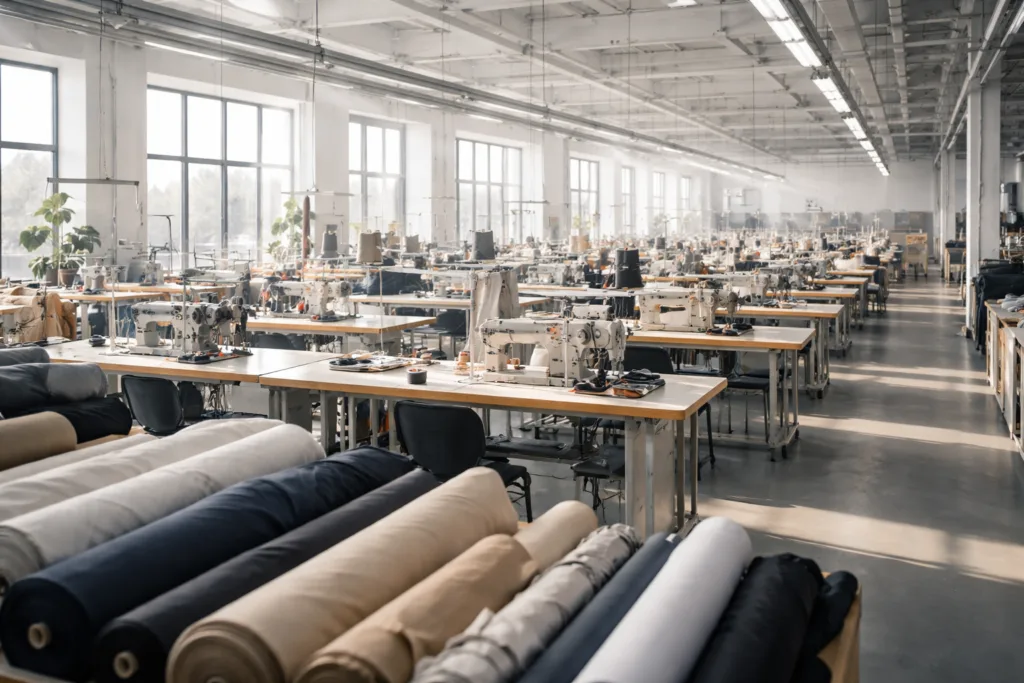
Choosing a manufacturing partner goes beyond price negotiations and flashy catalogs. Today’s demand for transparency—especially on visits, audits, or impromptu walkthroughs—shapes successful, low-risk sourcing. The factories that say “yes, you can visit anytime” usually have nothing to hide: their processes, materials, and workforce are above-board and consistent. This operational honesty is vital for apparel brands targeting quality, ethical standards, and on-time delivery.
How Factory Visits Establish Trust and Reduce Risk
A visit allows you to judge for yourself. Seeing production firsthand delivers insights no video call or photos can replace—real fabric textures, worker engagement, equipment conditions, and actual order flow. According to many brands, being welcomed for on-site checks is a sign the supplier values your relationship, adheres to compliance norms, and invests in quality. If a factory says no to a visit, consider it a major red flag (explored later).
Supplier Transparency: The New Standard in China Sourcing
The modern supply chain is under a microscope: consumers, regulators, and retailers demand traceability and ethical practices. That means transparency isn’t optional. A transparent supplier in China welcomes your questions, shares genuine certifications, and always allows visits, not just for show, but as part of everyday operations. This “open door” approach gives buyers a realistic way to spot quality and compliance issues early.
What to Look for On Your First Factory Visit
Not all factory tours are created equal. Arm yourself with a checklist for your visit:
- Check the real scale of production—does it match their claims?
- Observe cleanliness, organization, and material storage (clutter hints at poor discipline).
- Review sample room and previous client work—ask to see finished goods.
- Watch how staff interact with you—open or defensive?
- Inspect quality control procedures at each stage.
For an in-depth approach before your trip, see the factory audit guide.
Red Flags: When a Supplier Hides the Factory
If a supplier avoids visits or delays with excuses (“boss out of town,” “factory renovations”), beware. Sometimes this means your contact is a trading company, not a manufacturer. Other times, the facility may not meet safety, labor, or quality standards. For more tips on identifying trading companies versus real factories, take a look at this sourcing checklist. Always insist on seeing “your” order in production during the visit—never accept showroom-only tours.
Factory Visit Planning: How to Arrange and What to Prepare
When planning a visit, communicate your expectations clearly:
- Request access to key production areas—cutting, sewing, embroidery, packing.
- Ask to interview production or QC staff.
- Clarify if photography is allowed (not every supplier permits it).
- Schedule during mass production, not holidays or low-activity periods.
If a supplier is eager to coordinate directly and answer operational questions, that’s a strong sign of transparency.
Checklist: Signs of a Transparent, Open-Door Apparel Factory
To quickly assess transparency during your China business trip, use this rapid checklist:
- Tour offered with little advance notice
- All production steps visible (from raw material to final QC)
- Real employee activity—no staged workers or empty floors
- Samples and previous client orders available for inspection
- No reluctance about questions or certifications
For further vetting, the critical supplier vetting checklist will help you go deeper.
The Reality: Not Every Factory Accepts Walk-ins
Some factories (especially the smaller or trading-focused ones) are hesitant to accept impromptu visits. There might be legitimate reasons—customer confidentiality, health protocols—but the best factories build visits into their culture. Ninghow Apparel, for example, regularly hosts buyers and encourages transparent discussions about production flow, inventory control, and sample approvals. This habit comes from a belief that production honesty reduces misunderstandings and preempts costly errors down the line.
The Link Between Factory Visits and Supplier Accountability
Many apparel brands have learned the hard way: a single unchecked facility can put quality at risk and spark supply chain crises. By making visits a standard practice—not a privilege—suppliers signal ongoing accountability. Open door factories are more likely to keep records up-to-date, enforce policies, and welcome third-party inspections.
China Business Trip Essentials: Maximizing Your Factory Visit
To make the most of your factory trip:
- Prepare a concise schedule and share your agenda in advance
- Bring swatches, samples, and technical packs for hands-on discussions
- Ask for explanations of machinery, process sequences, and bottlenecks
- Look for daily management habits—whiteboards, production charts, issue logs
If you spot gaps between what’s advertised online and what you see, probe deeper—the real story is in the details. For further support on apparel sourcing and production, experienced manufacturers often share invaluable advice face-to-face.
How Visits Safeguard Against Quality Issues and Fraud
Being physically present deters poor practices and exposes inconsistencies. Brands often discover—during visits—shortcutting on stitching, cheaper fabric substitutions, or lack of process control. Direct observation lets you implement corrective action early, far before bulk shipment. Use this leverage to negotiate, reinforce specs, or request more robust quality control.
The Cost-Benefit Analysis: Is a Factory Visit Worth It?
Visiting incurs upfront costs—flights, time, translators—but the value is immense:
- Reduces risk of non-compliance and production errors
- Helps build true supplier relationships
- Boosts negotiation leverage and transparency
- Shortens lead times through direct communication and troubleshooting
In short, the investment protects your brand’s reputation and bottom line.
Common Roadblocks: When Visits Aren’t Possible
Sometimes, visits aren’t feasible—due to travel bans or logistics. In these cases, supplements include third-party audit services, video calls, and requesting unedited factory walk-throughs. While not as robust as being there in person, these steps still provide strong supplier transparency. See more about third-party inspections and what to demand remotely.
The Role of Certifications and Audits in Supplier Transparency
Always verify that any certifications (e.g., ISO, GOTS, WRAP) are genuine—many suppliers display certificates that, upon inspection, are outdated or fake. Factories with true openness are happy to provide serials and allow you to contact auditors. Prior to a visit, see our resource on verifying business licenses and certifications.
Examples: How Leading Apparel Factories Handle Walk-ins
Best-in-class plants, regardless of region, treat client visits as routine (not a disruption).
- Pre-set visitor maps and PPE for safety
- Frontline production staff briefed but unprompted
- All compliance records ready for spot checks
- Real-time access to production dashboards
Apparel manufacturers like Ninghow Apparel report that this level of operational readiness pays off, especially with repeat or global clients who expect consistency.
How to Document Your Factory Visit
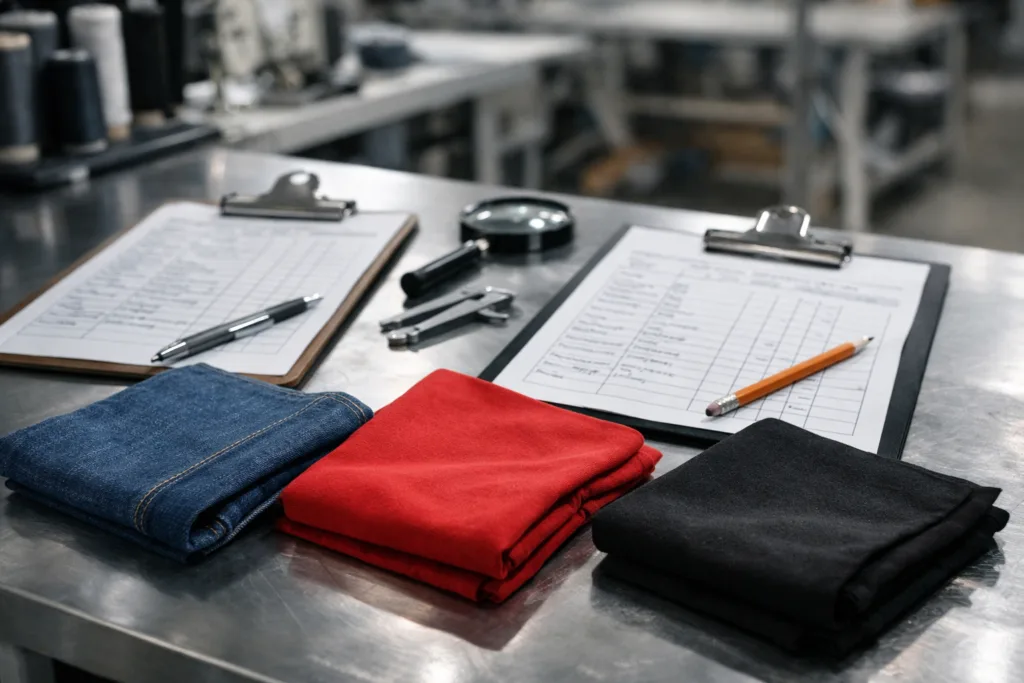
Bring a notebook, take (approved) photos, and record key details immediately. Create a checklist with space for your impressions—odor, temperature, energy, staff demeanor, and visual proof. After your visit, debrief your team: what stood out, and what needs follow-up?
Comparing “Showroom-Only” Tours vs True Factory Access
| Aspect | Showroom Visit | Full Factory Visit |
|---|---|---|
| Access to production areas | No | Yes |
| Interaction with staff | Supervised/scripted | Natural/unsupervised |
| Transparency of process | Low—only samples | High—see all steps |
| Ability to inspect orders | Never | Always |
| Red flag for buyers | Yes | No |
Building Long-Term Trust: Why Openness Pays Off
Long-term buyer-supplier relationships thrive on mutual trust and clear expectations. Open-door factories grow with your brand. They evolve, invest in systems, and allow regular improvement visits. This ongoing access means you always know what you’re getting—no uncomfortable surprises down the line.
Beyond Compliance: How Open Door Policies Drive Innovation
Transparency isn’t only about basic control. Factories that embrace outside eyes also benefit from client feedback—they spot bottlenecks, adopt new technologies, and respond faster to market changes. Brand-supported kaizen (continuous improvement) works best in environments where everyone’s welcome to suggest and monitor upgrades.
How to Foster a Culture of Transparency in Supplier Relationships
Building a transparency-driven relationship is two-way:
- Reward openness—prioritize suppliers that allow access
- Share your standards and visit expectations from the start
- Encourage regular reviews instead of just one-time checks
Open communication and frequent presence ultimately raise standards across your entire supply chain.
Can You Visit the Factory? Why “Open Door” Policy Matters
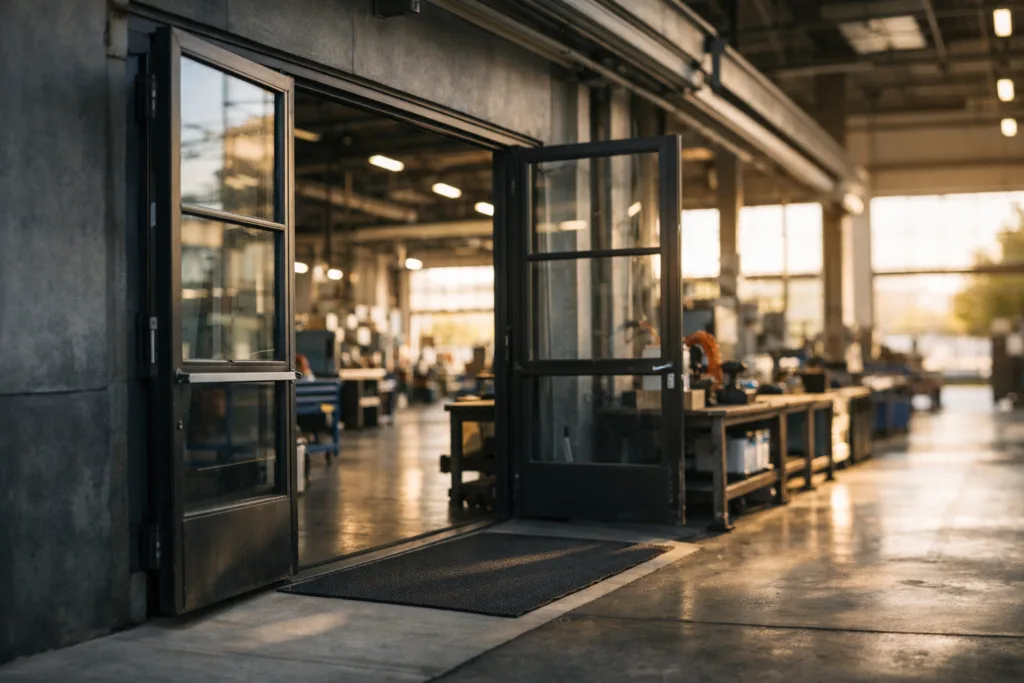
To sum up: A factory that’s open to visits—without drama, delay, or staged showrooms—signals confidence, robust systems, and a commitment to partnership. This is especially important in China’s vast manufacturing landscape, where supplier transparency separates risk from reward. When a supplier throws open the doors, it’s their silent handshake: trust us—we’ve got nothing to hide.
Frequently Asked Questions
Why is it important to visit a supplier’s factory?
Visiting a factory verifies real production capabilities, confirms quality standards, and helps you assess transparency, reducing the risk of miscommunication or fraud.
What should I look for during a factory visit?
Look for production scale, cleanliness, actual product lines, staff competence, and openness. Ask to see raw materials, finished goods, and live production if possible.
What are red flags if a supplier refuses a visit?
Delays, excuses, or any resistance may signal that they’re a trading company, lack genuine capacity, or wish to hide poor conditions. Always push for access if possible.
Can I inspect ongoing production during a visit?
Yes, reputable factories allow you to see work in progress. If you’re only shown the office or showroom, ask to view all production stages and inspect current orders.
How does a factory’s “open door” policy benefit buyers?
This policy assures buyers of accountability, easier problem-solving, and greater trust, resulting in stronger long-term partnerships and fewer surprises.
What alternatives exist if I can’t travel to the factory?
Consider third-party audits, digital factory tours, video inspections, or requesting unedited photos and records to verify transparency and compliance.