

Hotels, restaurants, and resorts rarely choose polo uniforms for appearance alone. The right shirt has to support brand image, stay comfortable through long shifts, and hold up to frequent washing without looking tired.
If you are still defining the spec, starting with a custom hospitality polo shirts supplier can help turn a general idea into a workable production plan. That early step matters because fabric, fit, decoration, and reorder logic all affect how the uniform performs once it is in daily use.
Why hospitality polo shirts have to balance image, comfort, and durability
A hospitality polo is not just a branded top. It is part of the guest experience, so the shirt needs to look consistent across departments while still feeling easy to wear for a full shift.
- Brand image: The collar, color, and logo should match the property’s tone.
- Comfort: Staff need breathable fabric and a cut that allows movement.
- Durability: The shirt should keep its shape, color, and surface quality after repeated laundering.
Buyers often make the wrong choice by focusing only on how a sample looks on a hanger. In real use, the shirt has to survive heat, humidity, detergent, and motion.
Uniform needs change by department

Different roles in a hotel or resort rarely need the same polo. A front desk team may want a cleaner, more fitted appearance, while restaurant staff may need a more flexible cut for movement and long hours. Housekeeping and outdoor teams often need the easiest-care option available.
- Front desk: polished look, consistent color, and neat logo placement
- Restaurant service: comfort, stain management, and easy laundering
- Housekeeping: durability, movement, and practical care
- Pool, golf, or activity teams: breathability and quicker drying
When one uniform has to serve every department, buyers usually need a clearer plan for fit, fabric, and color coding so the shirts still look unified without feeling generic.
Fabric choice drives daily performance
For hospitality buyers, fabric is usually the first technical decision. A shirt may look right in a sample room, but the real test is how it feels during a shift and how it behaves after repeated wash cycles. If you are comparing options, choosing the right fabric for hospitality polos should be tied to the work environment, not just the price tag.
| Fabric direction | What it does well | Best fit |
|---|---|---|
| Cotton-rich knit | Soft handfeel, comfortable wear, classic appearance | Front-of-house teams that value comfort and a traditional look |
| Polyester blend | Better wrinkle recovery, quicker drying, easier care | Busy teams that need low-maintenance uniforms |
| Performance knit | Light feel, mobility, and better everyday wearability | Outdoor, resort, and activity-driven roles |
Once the fabric is selected, the next question is whether it can handle real laundering conditions. That is why wash testing for bulk polo uniforms is useful before approving a full production run. A shirt that twists, pills, or fades quickly will cost more over time than a slightly better-made option.
Fit and cut should match the staff who wear it
Hospitality uniforms work best when the cut supports movement without looking oversized. Buyers usually need to think about male, female, and unisex sizing together, especially if the same style will be used across departments.
A practical size plan reduces complaints, exchange requests, and wasted stock. Good planning often depends on size ratio planning for staff uniform orders before the first bulk order is approved.
- Male fit: usually needs room in the chest and shoulder for active work
- Female fit: may benefit from shaping without being restrictive
- Unisex fit: works well when consistency and reordering simplicity matter more than tailored shape
If the staff is mixed across many body types, the safest choice is a size run that reflects actual headcount, not a generic retail guess.
Logo placement and color coding should stay clean
Hospitality polo shirts look more professional when the branding is simple and repeatable. A small chest logo, a clear department color system, and optional name tag space usually create a cleaner result than adding too many decoration points. For a more detailed decoration plan, logo embroidery placement for polo uniforms can help avoid crowded artwork or awkward stitch positioning.
In most properties, the goal is not to make the shirt loud. It is to make the team easy to identify while keeping the overall look refined.
Dark vs. light polo uniforms
Color affects both appearance and maintenance. Dark shirts can hide minor marks better, while lighter shirts can feel fresher in some settings but may need more frequent cleaning. The right answer depends on guest-facing expectations, the type of work, and how often the shirts will be laundered.
| Color choice | Advantages | Trade-off |
|---|---|---|
| Dark polos | More forgiving with minor stains and wear | Can show lint, fading, or color shift over time |
| Light polos | Clean, open, and classic appearance | May need stricter stain control and washing discipline |
What to look for in a resort uniforms manufacturer
Hotels and resorts often need a supplier that can handle sampling, grading, reorders, and distribution without making the process harder than it needs to be. A manufacturer should be able to explain how the shirt will be produced, how approval samples will be handled, and how repeat orders can stay consistent.
For buyers comparing factory support, a manufacturer-led workflow such as Ninghow Apparel is often useful when the project needs both customization and practical production guidance. That matters most when the uniform program has multiple departments or more than one property.
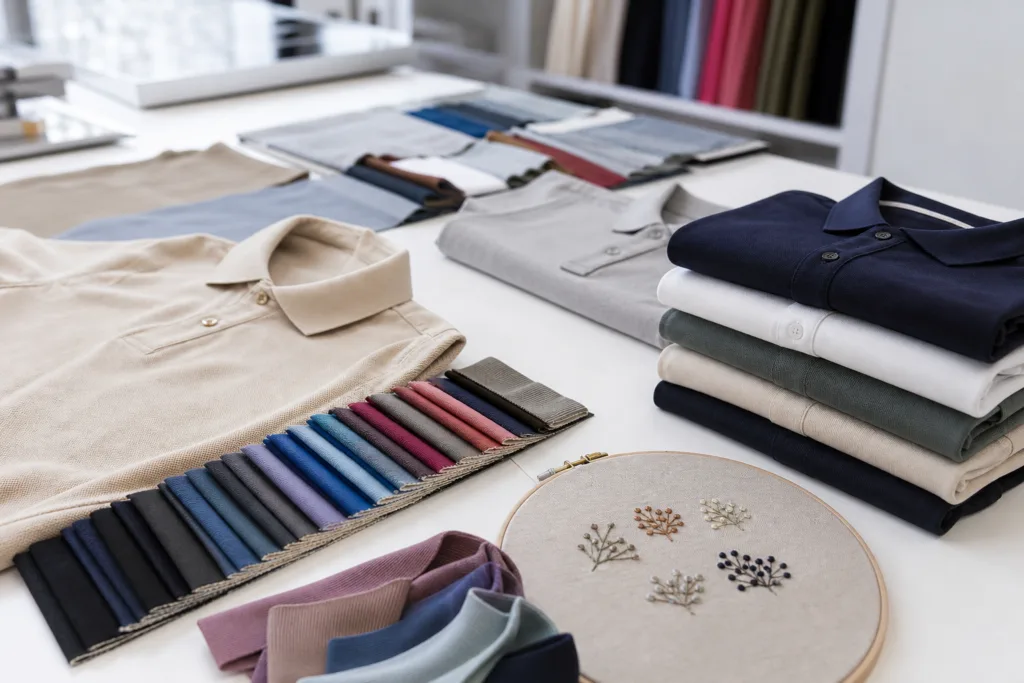
- Sampling: confirm the fit, handfeel, logo placement, and color before bulk production
- Production clarity: know the expected lead time and approval steps
- Reorder consistency: keep the same fabric, color, and trim details on future orders
MOQ, reordering, and staff turnover
Hospitality buyers usually deal with two realities at once: they need enough stock for current staff, and they also need a plan for new hires, replacements, and transfers. That means MOQ should be reviewed together with size range and reorder frequency.
If the order is too small, the unit cost may be less efficient. If it is too large, dead stock becomes a problem. The better approach is usually a production plan that matches actual turnover and expected growth.
- Ask which sizes can be repeated quickly
- Confirm whether the same color lot can be maintained
- Check if packing can be separated by property or department
Packaging and distribution should be planned early
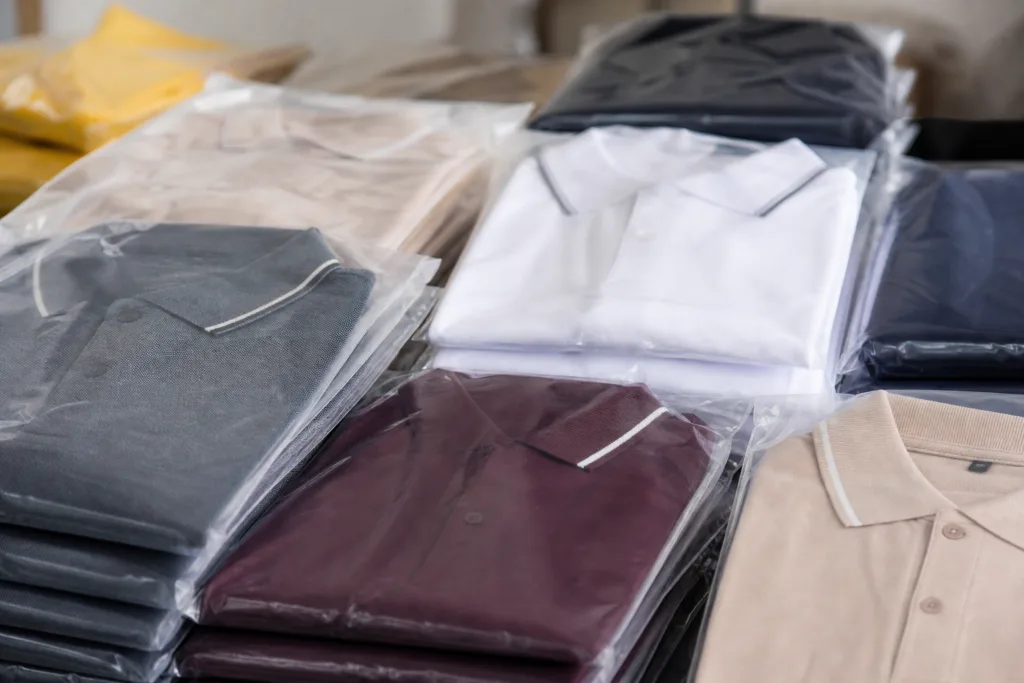
Uniform orders become easier to manage when shirts are packed by department, location, or size. That reduces sorting time after delivery and helps the operations team issue uniforms more quickly.
For multi-property groups, packaging details can matter almost as much as the shirt itself. Clear labeling also lowers the risk of mix-ups during busy opening or replacement cycles.
What to prepare before requesting a quote
A complete quote request usually leads to a faster and more accurate response. The supplier can price the right fabric, decoration method, and packing setup only if the buyer provides enough detail.
- Garment type and intended use
- Target quantity and size range
- Logo file and placement preference
- Fabric or performance requirements
- Color direction and department split
- Packaging and labeling needs
Common mistakes hospitality buyers make
The most common mistakes are predictable: choosing a fabric without testing it, approving a fit that works only for one department, overcomplicating the logo, and forgetting to plan for reorders. Another frequent issue is skipping sample review and hoping bulk production will solve problems later.
In hospitality uniforms, small mistakes become expensive because the shirt has to perform every day. A better decision process at the start usually saves time and replacement cost later.
How to review samples before bulk production
Samples should be checked in the same conditions the staff will face. That means movement, fit, wash behavior, logo clarity, and overall appearance after wearing. A sample that only looks good flat on a table is not enough.
- Check shoulder movement and sleeve comfort
- Inspect collar shape and seam finish
- Review logo size and placement from a normal viewing distance
- Confirm the fabric feels right after washing
- Compare the sample against the intended department use
Conclusion
Choosing custom hospitality polo shirts is really a sourcing decision about performance, consistency, and brand fit. The best result usually comes from matching fabric, cut, decoration, and reorder planning to the realities of hotel, restaurant, or resort operations.
When those details are clear before production starts, the uniform works better for staff and looks better for guests.
FAQ
What fabric is best for hospitality polo shirts?
The best fabric depends on the job, but most hospitality buyers want a balance of breathability, wrinkle recovery, and easy care. Cotton-rich options feel softer, while polyester-rich blends often hold shape better and dry faster.
Should hotels choose embroidered or printed logos?
Embroidery is often preferred for a cleaner, more durable look on polo uniforms. Printing can work for some styles, but embroidery usually fits hospitality branding better when the goal is a polished uniform appearance.
How many sizes should a staff polo order include?
The right size run depends on your staff mix, but it should reflect real headcount rather than guesswork. A good size ratio helps reduce exchanges and prevents shortages in the sizes employees wear most.
Are dark polo uniforms easier to maintain?
Dark polos can hide minor marks better, which makes them practical for some hospitality teams. They can still fade or show lint over time, so color choice should be matched to laundering habits and daily use.
What should be included in a polo quote request?
Include quantity, size range, fabric preference, logo artwork, placement, color direction, and packing needs. The more complete the request, the easier it is to quote accurately and avoid revisions later.
How do buyers check sample quality before bulk production?
Review the sample for fit, movement, seam finish, collar shape, logo placement, and wash performance. A proper sample check should reflect how the shirt will actually be worn and cleaned in service.