
Introduction: Why Stock Fabric Sourcing Is a Game-Changer
Many new and growing apparel brands hit the same wall: high minimum order quantities (MOQs) from fabric mills. How can you launch collections or test markets without ordering 1,000 meters or more of each textile? The answer lies in stock fabric sourcing, especially leveraging deadstock and available fabric from local fabric markets (often called “档口” in China). This guide reveals how smart resource utilization with stock fabrics is transforming the stock fabric market, deadstock, available fabric scene and unlocking small-batch flexibility for brands worldwide.
Understanding High MOQs in Fabric Sourcing

Traditional fabric sourcing often comes with strict MOQs due to dyeing, setup, and inventory costs. Mills hesitate to process custom fabrics for small quantities—it’s just not efficient for their business model. MOQs can start at 500 to 3,000 meters per color, especially for woven fabrics and custom blends.
The Stock Fabric Market: What Does It Really Offer?
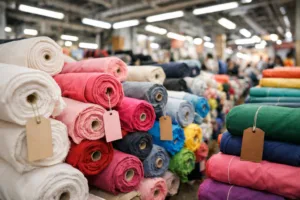
The stock fabric market refers to the available inventory of fabrics sitting in textile markets, warehouses, or leftover from previous production (commonly called deadstock). These come in diverse fibers, colors, and patterns—often at competitive prices. Sourcing from this readily available pool minimizes waiting time and removes the pressure of high MOQs.
Types of Stock Fabrics Explained
- Deadstock: Excess or leftover fabrics from mills and brands.
- Mill Stock: Overproduction or canceled orders from fabric mills.
- Market Stock (档口现货): Inventory held by wholesalers in major fabric hubs (for example, Guangzhou Zhongda, Keqiao, or Shaoxing).
- Overruns: Extra yardage made just in case, left unsold.
Pros & Cons of Sourcing Stock Fabric vs. Custom Bulk Fabric
| Aspect | Stock Fabric | Custom Bulk Fabric |
|---|---|---|
| MOQ | As low as one roll (≈50–100m) | 500–3,000m/color |
| Lead Time | Immediate pickup (or 1–2 days) | 4–8 weeks |
| Price | Often lower (clearance/deadstock deals) | Higher for small orders, cheaper per meter in bulk |
| Color/Print Repeatability | Not guaranteed; finishes may be limited | Fully customizable & repeatable |
| Quality Consistency | Requires careful QC; batches may vary | Controlled from batch production |
How Stock Fabric Sourcing Helps You Bypass High MOQs
Using market-available stock removes the biggest hurdle for small runs: manufacturers can buy only the quantity you need. Brands can test designs, run pilot batches, and even mix fabrics for multi-style capsules with minimal risk. If you’re a startup or want to avoid dead inventory, this strategy is a shortcut around factory-imposed quantity traps. For more on the dangers of overcommitting, see High MOQs: The Inventory Risk Trap for Fashion Brands.
Resource Utilization: How Garment Makers Leverage Local Fabric Markets
China’s “档口” fabric markets are a goldmine. It’s common for experienced manufacturers like Ninghow Apparel to walk local warehouses, sourcing trending knits, wovens, fleeces, and jerseys by the roll. These relationships let factories offer diverse styles with a fraction of the usual sourcing lead time—sometimes getting samples cut on the spot. Operating this way allows smaller brands to produce with large-factory consistency, minus the bulk commitment.
Ninghow Apparel’s Practical Workflow Tip
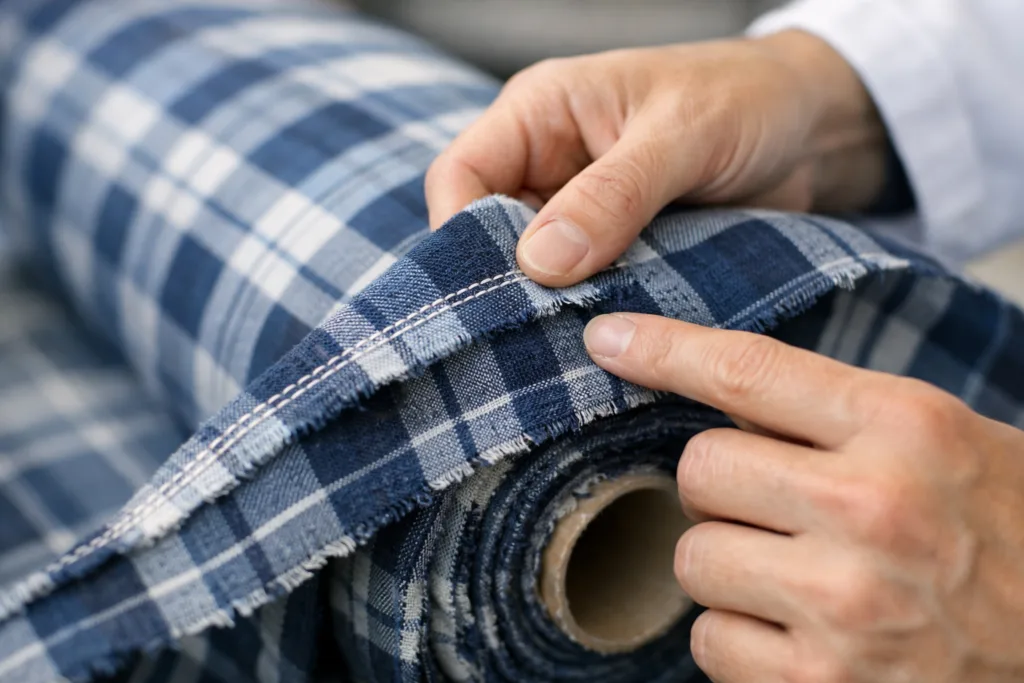
When exploring stock options, bring clear swatch references (photos, GSM specs, fiber content) and work with partners who physically check fabric QC. Surplus lots can vary in finish—a hands-on inspection ensures no surprises in texture or construction.
Where to Find the Best Stock and Deadstock Fabric (With Case Study Examples)
Top Asian textile hubs (like Guangzhou Zhongda, Keqiao, and Shanghai markets) house hundreds of vendors. Here, brands can spot high-quality deadstock—from designer overages to unique jacquards and organic jersey lots, often with detailed source records.
Case Study: Startup Brand Capsule Launch
A US-based sportswear startup needed only 80 meters of sustainable bamboo jersey for three styles. Their China-based manufacturer sourced the fabric on-spot from Shaoxing, checked roll integrity, and shipped sample yardage within days—bypassing the usual 1,000m MOQ and 6-week wait.
Tips for Navigating Fabric Markets Effectively
- Walk the market or hire a local agent with strong QC skills.
- Negotiate for small lots, but check batch consistency (some rolls may differ).
- Ask for fabric test reports if available (strength, shrinkage, fiber blend).
- Take clear photos of tags/roll ends for record-keeping.
- Confirm resupply is possible if scaling up later.
Deadstock Sourcing Beyond China: Global Insights
While China dominates in fabric variety, regions like Turkey, India, and Southeast Asia have growing deadstock marketplaces. Portugal, too, is a quiet star for luxury surplus lots—especially for sustainable brands. Seek out local fabric jobbers, mill overstock dealers, and online deadstock platforms.
Best Practices: Quality Control When Sourcing Stock Fabric
Quality can be less predictable with deadstock. Manufacturers should unroll and check all stock for color uniformity, flaws, holes, and stretch recovery. Major brands often request test lots for wash/crocking before approval. For a breakdown of what to check, visit apparel manufacturing quality control outlines.
MOQ vs. MCQ: What Every Brand Should Understand
MOQ (Minimum Order Quantity) refers to the minimum fabric needed per order, but MCQ (Minimum Color Quantity) is often overlooked. Stock fabrics help sidestep MCQ problems—one roll per color is generally fine—making multi-color drops practical for capsule launches. For a deeper look, see this guide on MOQ vs. MCQ.
Key Steps for Successful Stock Fabric Sourcing
- Research local fabric markets or connect with sourcing agents.
- Bring clear specs (GSM, finish, fiber, color ref).
- Verify lot size and batch details (e.g., is it remnant, canceled order, or overrun?).
- Inspect and test fabric quality before commitment.
- Negotiate fair pricing and clarify payment/returns up front.
How to Communicate with Manufacturers about Stock Fabric Sourcing
Be direct about your quantity limits and ask if they work with stock/market fabric suppliers. Share references, quality expectations, and timelines. Experienced garment partners can help match the right suppliers and may already own established relationships with market vendors. Always confirm lead times and possible substitutions; stock moves quickly and availability can change day by day.
Common Pitfalls and How to Avoid Them in the Stock Fabric Market
- Buying without inspection (may find hidden damage or variation on delivery).
- Neglecting batch/roll tracking (possibly mixing fabrics with slightly different dye lots).
- Assuming resupply is guaranteed—stock often sells out fast.
- Skimping on documentation; always save photos, test results, and vendor info.
- Misunderstanding payment or sampling terms (many markets are cash-oriented and sales may be final).
The Sustainable Advantage: Reducing Waste with Deadstock & Surplus Sourcing
Brands committed to sustainability appreciate that using deadstock/available stock leverages resources already made, cutting landfill waste. Many global designers now build “zero-mile” collections using what’s on hand, reducing both environmental impact and production risk.
Is Paying a Surcharge for Stock Fabrics Worth It?
Occasionally, market vendors may charge a slight premium for unique deadstock or trending lots. For brands breaking through MOQ barriers, this “surcharge” can still be cheaper than overbuying, storing, or risking slow inventory turnover. For a full cost breakdown, check out Is Paying Extra for Low MOQs a Smart Move?.
Mixing Stock Fabrics: Efficient Capsule Planning for Small Batches
Another advantage of available market stock is the ability to consolidate orders over several styles (using the same fabric) and negotiate better terms. Multi-style launches are common in basic knit t-shirts, polos, and hoodies. For step-by-step guidance, see How Designers Can Hack MOQ: Multi-Style Fabric Consolidation.
How Stock Sourcing Impacts Fit, Construction, and Production Flow
Choosing stock fabric can affect garment fit and technical details (GSM may vary, finishes could shift). Experienced manufacturers like Ninghow Apparel recommend always making a test sample in stock fabric to guarantee fit accuracy before bulk cutting. Production plans may need slight tweaks for certain finishes—especially for garment dye, specialty knits, or seasonal fabrics.
Legal and Compliance Considerations for Using Deadstock
While rare, some deadstock lots may have copyright/trademarked prints or chemical restrictions (like REACH, OEKO-TEX). Double-check for compliance if selling into tightly regulated regions (e.g., EU, USA).
Stock Fabric Sourcing: The Secret to Bypassing High MOQs
If you’re looking to test styles, reduce financial risk, and speed up launches, market-available fabrics are your secret weapon. From luxury streetwear to eco-friendly basics, the agility of stock sourcing is hard to beat for small and mid-size brands. Resourceful manufacturers have been using this approach behind-the-scenes for years—the secret’s out. Inventory headaches and costly overruns don’t need to be part of your journey anymore.
Conclusion: Launch Smarter, Scale Sustainably

Stock fabric sourcing empowers brand owners to move fast, experiment, and build capsule collections without the burden of huge MOQs. By leveraging available and deadstock fabrics, you can focus capital and energy where it matters most: fit, design, and brand storytelling. With the right manufacturer, clear communication, and a practical approach to sample testing and QC, stock fabric is your passport to smarter apparel launches and sustainable growth in a competitive market.
Frequently Asked Questions
How can I find reliable stock fabric suppliers?
Search large textile markets, use local sourcing agents, and check references or past buyer reviews for supplier reliability.
Can I get fabric swatches for stock or deadstock lots?
Yes, most market vendors and manufacturers will provide small swatches or sample yardage, especially if you plan to order a bulk lot.
Will stock fabric be available again for reorders?
There’s no guarantee—most stock and deadstock lots are “once-off.” Get batch details and check availability before promising repeat runs to clients.
What quantities are possible with stock/market fabrics?
Some rolls are as small as 30–50 meters. Bundling similar lots can go up to a few hundred meters per color or spec, but supply can vary week to week.
Are deadstock fabrics always lower quality?
No—deadstock can range from premium designer overages to basic commodity fabrics. Always check QC, but you can find top-spec stock inventory with careful sourcing.
Is sourcing stock fabric a good strategy for sustainable fashion brands?
Absolutely. Using surplus, deadstock, and available fabrics directly reduces waste and environmental impact, making it a favorite for eco-minded labels.
Related Reading
- 7 Tactics: Launching Your Fashion Brand With Low Budget & Small Batches
- Factory MOQs Explained: Why They’re Set & How to Negotiate
- 9 Rules for Picking Wholesale Clothing Vendors That Won’t Trap You
- 7 Pro Script Templates for Negotiating Lower MOQs
- Tiered Pricing Decoded: Smarter Cost Breaks for Apparel Orders