
What Is Mesh Fabric in Apparel? 7 Revealing Facts for Breathable Performance Clothing
Mesh fabric is transforming apparel, especially where breathability and lightweight comfort matter most. In this guide, we explain what is mesh fabric in apparel, spotlighting its unique structure, performance benefits, and real-life applications from sportswear to casual fashion.
Understanding Mesh Fabric: The Breathable Structure
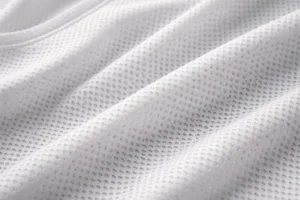
Mesh fabric is characterized by its open weave with visible holes or gaps, allowing air to circulate freely. The arrangement can be simple (straight grid) or complex (diamond, hexagonal, honeycomb). This structure is intentional—each gap helps moisture vapor escape, making mesh ideal for hot climates and active wear.
| Mesh Type | Weave Style | Typical Use | Key Property |
|---|---|---|---|
| Polyester Mesh | Knit | Sports jerseys | Quick dry |
| Power Mesh | Warp knit | Dancewear, lingerie | Stretch, support |
| Cotton Mesh | Knitted or woven | Polo shirts | Soft touch |
| Nylon Mesh | Knit | Swimwear overlays | Lightweight, tough |
The Science Behind Mesh Breathability
Mesh’s micro-holes allow air and sweat to move through, which helps skin stay dry during activity. Compared to solid fabrics, mesh dissipates heat faster and helps prevent overheating.
How Mesh Fabric Is Made: Weaving & Knitting Techniques
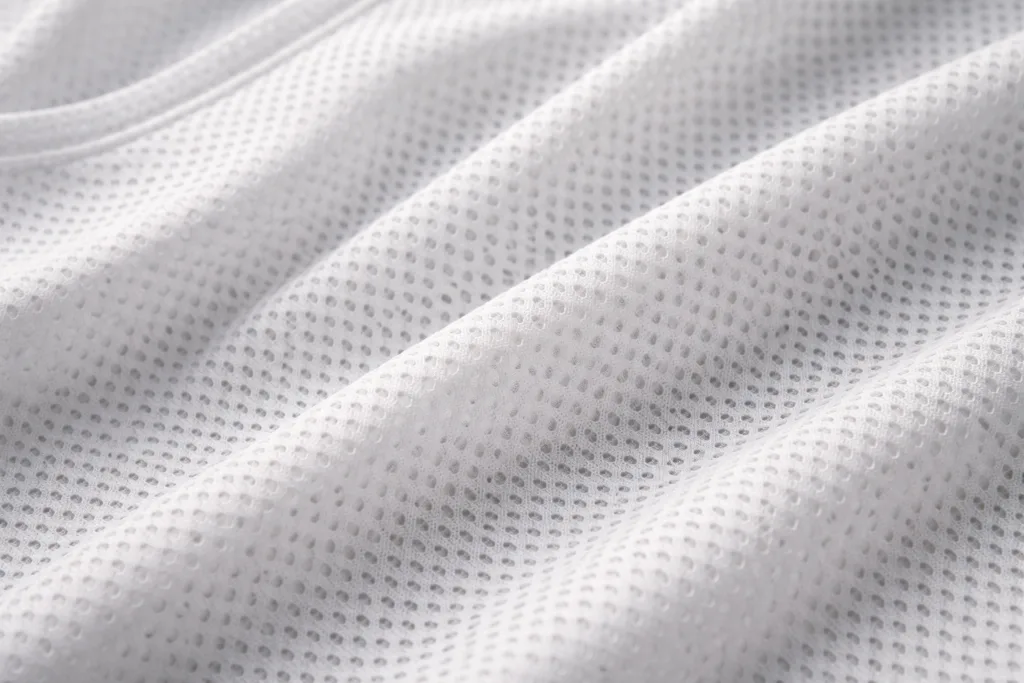
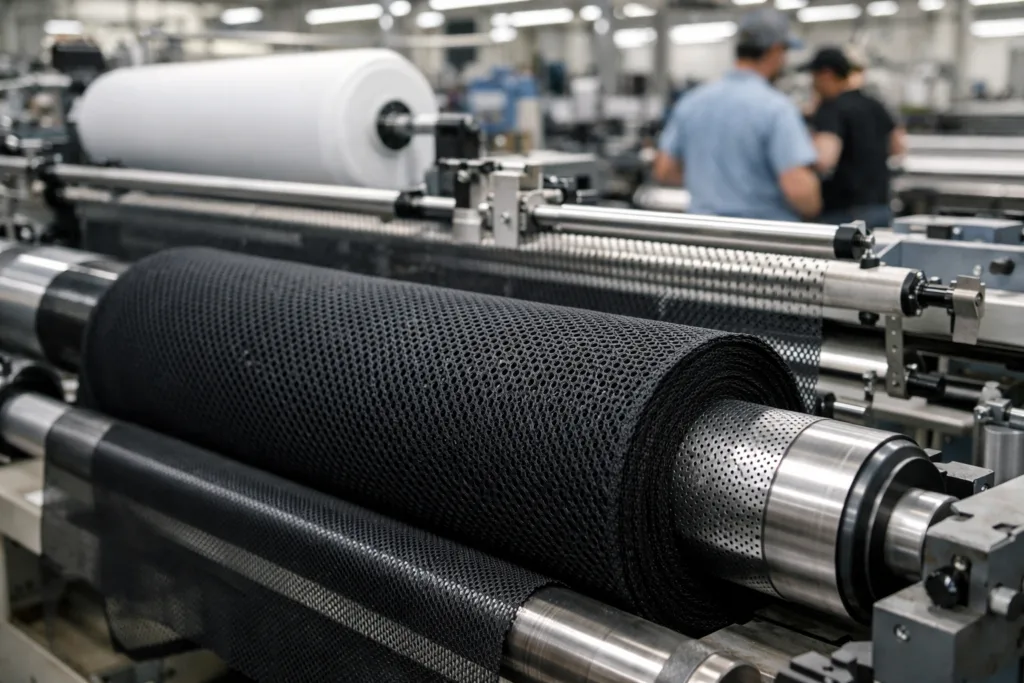
Mesh can be produced via knitting (common for sports and fashion) or weaving (stronger, for bags and accessories). Each method creates a unique balance between durability and stretch. Factories like Ninghow Apparel select mesh types based on intended garment function, balancing softness, strength, and airflow.
Knit Mesh
- Interloops yarns, producing flexible fabric
- Common in T-shirts, jerseys, and underwear
- Enhanced stretch for movement comfort
Woven Mesh
- Criss-cross yarns, making a grid
- Used in bags, trims, and some workwear
- Higher tensile strength
Key Properties of Mesh Fabric in Apparel
Mesh fabric offers several defining properties, making it ideal for active and summer clothing:
- Breathability – Superior airflow, ideal for keeping cool
- Lightweight – Easy to wear, enhances comfort
- Moisture Management – Wick sweat away quickly
- Quick Drying – Reduces downtime between wears
- Stretch & Flexibility – Supports dynamic movement
Why Sportswear Relies on Mesh
Mesh is the material of choice for athletes and active individuals. T-shirts, tanks, and shorts often feature mesh panels or full mesh bodies, ensuring sweat doesn’t build up and movement isn’t restricted. For example, high-performance T-shirts and shorts with mesh inserts are a staple in modern training kits.
Types of Mesh Fabric Used in Apparel
| Type | Main Fiber | Typical Apparel | Properties |
|---|---|---|---|
| Polyester Mesh | Polyester | Activewear, uniforms | Durable, dries fast |
| Cotton Mesh | Cotton | Polo shirts, casual | Soft, absorbent |
| Nylon Mesh | Nylon | Swim and overlays | Resistant, lightweight |
| Power Mesh | Nylon/poly blend | Lingerie, supportwear | Stretch, mild compression |
| Metal Mesh | Stainless steel | Protective wear | Stiff, protective |
Choosing the Right Mesh Fabric for Your Garment
The choice depends on intended purpose—athletes favor polyester mesh for its fast-drying properties, while lifestyle brands might go for cotton mesh to keep things soft and natural. Fit customization is key; mesh can be tailored to body shape using different weights or stretch levels.
Common Garment Applications for Mesh Fabric
Mesh is used widely in:
- T-shirts and tank tops
- Polo shirts (sometimes called “piqué” for mesh-like weave)
- Shorts and vests
- Sports jerseys
- Lingerie and shapewear
- Swimwear overlays
- Outerwear panels (vents in jackets or hoodies)
Mesh Panels: Strategic Comfort Zones
Designers often place mesh panels in high-sweat areas—underarms, back, legs—to improve ventilation. This tactical placement enhances athletic performance and everyday wearability.
Mesh Fabric vs Solid Fabric: Direct Comparison
| Feature | Mesh Fabric | Solid Fabric |
|---|---|---|
| Airflow | Excellent | Limited |
| Moisture Wicking | Good | Moderate |
| Weight | Light | Medium-heavy |
| Durability | Depends on density | Often higher |
| Transparency | Sometimes visible | Opaque |
The Role of Mesh Fabric in Sustainability
Eco-conscious brands are exploring recycled polyester mesh, reducing waste in production. If you care about environmental impact, sustainable mesh may be an option.
Quality Control for Mesh Fabric Apparel
Mesh’s open structure means its edges fray easily, and holes may stretch if not handled carefully. Manufacturing teams like those at Ninghow Apparel pay close attention to stitch density, edge finishing, and panel stability during quality control checks. Well-made mesh garments resist tearing and hold their shape over time.
Care & Maintenance Tips for Mesh Fabric
- Wash gently (machine or hand) in cold water
- Use mild detergents to avoid damage
- Avoid harsh wringing or twisting
- Air dry to retain fabric structure
- Store folded or hung up—avoid crushing
Mesh Fabric Customization for Apparel Brands
Mesh can be customized for color, density, and stretch. Using different yarns, manufacturers can produce unique textures—from ultra-light athletic mesh to dense, structured panels. Private label brands benefit from precise custom mesh solutions to stand out in the market.
Industry Insights: Mesh Trends in Sports and Leisure
The mesh look is becoming more popular in streetwear, blending sporty function with casual aesthetics. Open structure doesn’t just mean cool—it signals modern style. Tech-driven mesh, with smart moisture-wicking or antimicrobial features, is leading the charge in both performance and lifestyle garments.
Factory Production Challenges with Mesh Fabric
Mesh can be tricky to produce at scale. Its delicate gaps risk distortion during cutting and sewing. Manufacturers must control machine tension and oversee every panel alignment. Experienced teams, like those at Ninghow Apparel, use precise templates and regular sample checkpoints to avoid quality mishaps.
What Is Mesh Fabric in Apparel?
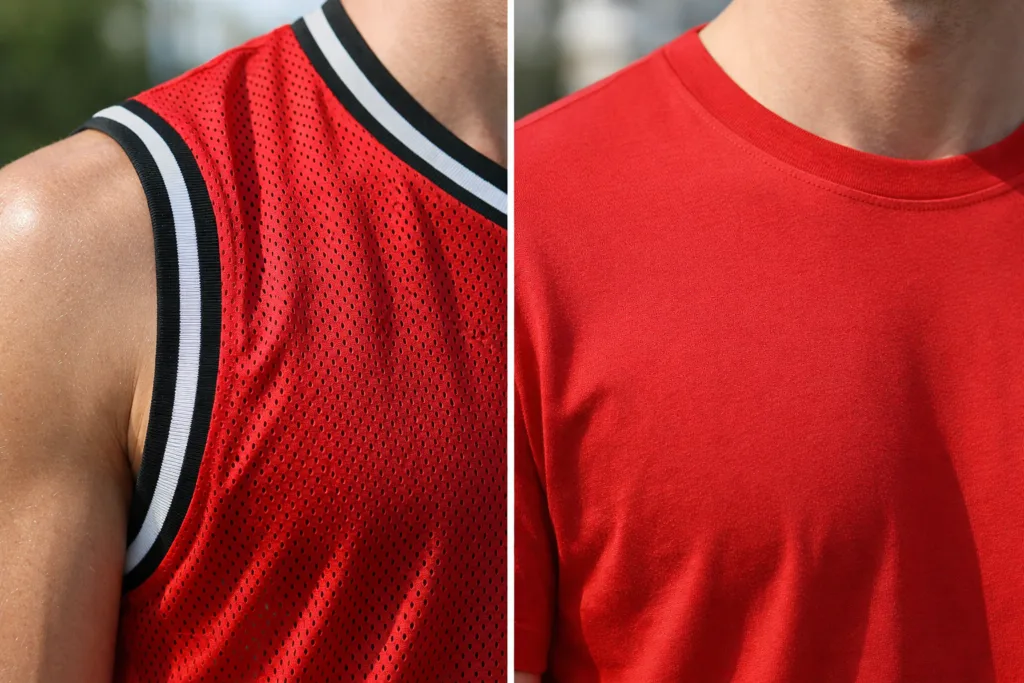
To sum up, mesh fabric is all about breathability, comfort, and lightweight performance. Its open weave lets air move, sweat escape, and skin stay cool—making it a favorite for sportswear, casual wear, and every piece that needs moisture management. Understanding its structure, application, and care enables brands and buyers to make informed choices about the garments they wear and produce.
Frequently Asked Questions
Is mesh fabric suitable for everyday clothing?
Yes, mesh fabric works well in everyday garments like polos, T-shirts, and shorts, especially in warm climates or for active lifestyles.
Does mesh fabric shrink or lose shape after washing?
Quality mesh generally holds shape if washed gently. Avoid hot water and harsh wringing to prevent distortion or shrinkage.
Is mesh fabric good for people with sensitive skin?
Cotton mesh is typically skin-friendly. Synthetic meshes may irritate some people—choose soft finishes for sensitive skin.
Can mesh fabric be printed or embroidered?
Yes, mesh can be printed using specialized techniques, and embroidery is possible, though it may require backing to prevent holes from stretching.
Is mesh fabric sustainable?
Many brands now offer recycled polyester mesh, reducing environmental impact. Check garment labels for eco-certifications.
How is mesh fabric different from lace?
Mesh has uniform holes and is usually stronger; lace is decorative with intricate patterns and less durability, often used on formalwear.