
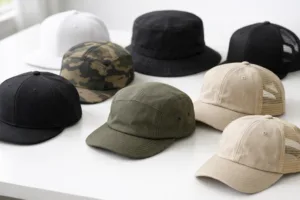
Introduction: Why Streetwear Brands Obsess Over Hat Types
Hats and caps are more than just accessories—they’re icons of self-expression and brand identity in the world of streetwear. For labels eyeing urban youth culture or searching for new silhouettes, understanding types of hats for streetwear brands is like knowing your ABCs. Whether it’s a classic 5-panel or a bold bucket hat, the right headwear can elevate a look and leave a lasting impression. In this comprehensive guide, we’ll break down the most iconic hat types, industry tips for fit and fabrication, and how to align designs with your streetwear vision.
The Essential Types of Hats for Streetwear Brands

The modern streetwear hat landscape feels infinite, but a handful of silhouettes set the standard for cool and versatility. Let’s dig into the main types, their history, and the signature contexts where they shine.
Snapback Caps: Adjustable Icon
Snapback caps boom with urban credibility. Characterized by their flat brim, structured crown, and adjustable plastic back strap, snapbacks became an OG go-to for hip-hop and skate crews. Streetwear brands love snapbacks for easy size adaptability and prime real estate for brand embroidery, patches, and creative under-brim designs.
Five-Panel Caps: The Creative’s Canvas
Distinct from typical six-panel baseball caps, five-panel hats use a unique pattern for a shallow, boxy fit beloved by bike messengers and indie designers. Their flat profile and minimal front panel scream for custom art, bold patterns, or all-over prints. Many brands start their hat journey here because the silhouette offers comfort and a street-smart vibe.
Bucket Hats: Y2K Nostalgia on Repeat
Bucket hats have returned from the ‘90s with fresh energy. Often unstructured and soft-sided, these hats protect from sun and rain but flex hard on major style points. Streetwear brands experiment with wild fabrics—think corduroy, technical mesh, or even eco-cotton (discover more about streetwear sustainable material options if you want to innovate further). Embroidery, screen print, or woven labels all pop on a bucket silhouette.
Dad Hats: Relaxed and Relatable
Dad hats—loosely structured, with a curved brim and a slightly faded cotton look—deliver vintage comfort and effortless cool. Their understated vibe appeals across generations. In manufacturing, brands often focus on subtle logo embroidery or tone-on-tone design for low-key authenticity.
Trucker Hats: Mesh-Back Throwback
With foam fronts and mesh backs, trucker caps drive instant retro energy. They’re great canvases for large logo patches, statement prints, or tongue-in-cheek graphics. Special mesh fabrics also provide breathability—a major plus in hot climates.
Baseball Caps: Timeless Appeal in Streetwear
Baseball caps are never going out of style. Their athletic heritage, mid-profile shape, and universal fit make them reliable for nearly any demographic. Most streetwear brands have at least one baseball cap in their line. The versatility of this style—structured or unstructured, flat or curved brim—lets you serve sports, skate, or music-inspired themes effortlessly.
| Hat Type | Features | Best Streetwear Use |
|---|---|---|
| Snapback | Flat brim, structured crown, plastic snap | Logo display, bold statements |
| 5-Panel | Shallow fit, minimal seams | All-over prints, artistic branding |
| Bucket | Unstructured, sloped brim | Summery looks, festival wear |
| Dad Hat | Curved brim, unstructured crown | Minimal embroidery, relaxed style |
| Trucker | Foam front, mesh back | Retro graphics, casual wear |
| Baseball | Mid-profile, versatile | Everyday, classic merch |
Statement Streetwear Styles: Pushing Hat Boundaries
Beyond the basics, brands that attract attention often innovate with boundary-pushing shapes and materials.
Beanies: All-Season Versatility
Beanies aren’t just for winter anymore. Lightweight jersey, chunky knits, or technical fibers can take a basic beanie into year-round relevance. Simple woven labels or rolled cuffs keep things on-trend for minimalist brands. Interested in high-quality beanie or knitwear manufacturing? Read about partner vetting and QC at this apparel manufacturing QC resource.
Visors: Sports-Inspired Edge
Sporty and bold, visors ditch the crown for pure open-top function. In streetwear, they appear in tennis, golf, and Y2K-themed collections. Custom strapbacks or embroidered underbrims can set a brand apart.
Boonie Hats: Outdoor Utility
Boonie hats take inspiration from military and utility wear. Their wide, flat brims and chin cords bring rugged energy—and they provide ample branding space on both crown and brim. For function-driven collections, boonie hats can introduce a utility undertone. Speaking of production challenges, selecting durable trims and webbing is key—Ninghow Apparel’s team always tests sample construction strength before full run.
Camp Caps: Hybrid Urban-Outdoor Style
Camp caps mix city and outdoors style with five-panel builds but often sport technical or ripstop fabrics. Perfect for adventure-themed collabs or brands rooted in skate or hiking culture.

Material Choices for Streetwear Hats
The feel, drape, and attitude of a streetwear hat depend deeply on material. Here’s what brands typically choose:
- Cotton Twill: Durable, classic, suitable for all cap types.
- Polyester Mesh: Breathable, iconic for truckers/visors.
- Corduroy: Visual depth for bucket/dad/camp hats.
- Denim: Rugged street or vintage effect.
- Fleece & Jacquard: For cold-weather beanies and unique textural statement hats.
Understanding the intended look, wash, and usage helps pick the right fabric and weave. Learn more about fabric testing and sourcing at this fabric manufacturing guide.
Streetwear Hat Customization: Key Decoration Techniques
Streetwear thrives on self-expression. Consider these logo and decoration methods for your hat collection:
- Embroidery: Classic, durable, and highly customizable. Satin-stitch embroidery holds up to washing and doesn’t fade easily.
- Patches: Woven or embroidered, sewn or heat-pressed. Great for overlays and tactile branding.
- Screen Printing: Best for bold colors or artwork. Specialized inks (like puff or metallic) give extra punch.
- Woven Labels: Low-profile and detail-rich for minimal or high-fashion hats.
- All-Over Prints: Sublimation enables seamless wraparound designs—popular on buckets and five-panels.
Fit and Sizing: Avoiding the Most Common Pitfalls
The perfect hat only works if the size and fit are tuned just right for your customers. A common misstep is using ‘stock’ hat bases that don’t match your audience—youth, women, or global fits can all require small tweaks. Consider adjustable closures (snap, strap, Velcro), sweatband thickness, and crown depth when creating your samples. Seasoned manufacturers like Ninghow Apparel always recommend fit testing across target head sizes before mass production.
Types of Hats for Streetwear Brands: The Definitive Breakdown
So, which hats are truly streetwear essentials? Here’s a summary of the top picks and their strategic uses:
- Snapback: Mainstream, bold branding, youth appeal
- 5-Panel: Art-driven, creative expression, indie/specialty brands
- Bucket: Nostalgic, playful, festival-ready
- Dad Hat: Unisex, relaxed, low-key branding
- Trucker: Retro, breathable, statement patches
- Beanie: Seasonless, casual, broad demographic
- Visor/Other: Sports-inspired/offbeat, niche collections
Balancing Trends and Timelessness
The hottest hats change every few seasons, but certain classics never fade. Brands need to watch global trends (like Korean ripstop buckets, Y2K visors, or hyper-minimalist skate hats) but also ensure staple pieces stay in their mix for consistent sales. It’s wise to anchor your lineup with enduring silhouettes and sprinkle in trend-led shapes in limited runs.
Sampling, Prototyping, and Quality Control for Hats
Making a great hat isn’t just about design—sampling and QC can break or make a brand’s reputation. Start with clear tech packs, accurate pattern files, and approved sample rounds. Read a step-by-step guide to PP sample best practices for managing production risks and costs. For hats, pay attention to stitching accuracy, sweatband material, and brim curve consistency across all units.
Future-Proofing: Sustainable and Tech-Driven Hats

Eco-friendly materials and digital sampling are shaping the next wave of streetwear hats. Recycled polyester, organic cotton, and digital twins for pre-production sampling allow brands to move quickly and minimize waste. Watch this space for biodegradable trims and new tech-driven decoration methods in your next hat drop.
Frequently Asked Questions
What are the most popular types of hats for streetwear brands?
Snapbacks, five-panel caps, bucket hats, dad hats, trucker hats, and beanies are the most popular due to their versatile styles and broad appeal across different urban audiences.
How do I choose the right material for my streetwear hat?
Base your material choice on target wear, season, and branding. Cotton twill is reliable, mesh is good for breathability, corduroy adds texture, and technical fabrics suit functional or premium lines.
What is the difference between a snapback and a dad hat?
Snapbacks have flat brims, structured crowns, and adjustable plastic snaps, while dad hats offer unstructured crowns, curved brims, and a more relaxed fit, usually with a fabric strapback.
Are all-over print hats suitable for streetwear brands?
Yes, all-over prints are excellent for brands wanting to showcase bold art and distinguish themselves visually, especially on five-panel and bucket hats where panels can feature seamless graphics.
How can brands ensure consistent fit across different hat styles?
Brands need precise patterning, rigorous fit sessions on varied head models, and sample feedback rounds to confirm consistency, especially when scaling production.
Why is sampling so important in hat production for streetwear?
Sampling allows you to adjust fit, check construction quality, and test color/decoration before committing to bulk production, eliminating costly mistakes before mass manufacturing.