

Introduction: GSM Explained—How Fabric Weight Affects Your Garment
Choosing the right fabric is one of the most crucial steps in garment production, and understanding GSM (grams per square meter) is the foundation of making smart decisions. Fabric GSM is more than just a number—it’s a key indicator of thickness, drape, durability, and even breathability. If you want to avoid issues like garments being “too sheer” or “too heavy,” getting comfortable with GSM will empower you to select the ideal material for your next project. In this guide, we’ll dive deep into what GSM means, why it matters, and how to use it practically when communicating with manufacturers or selecting products.
What is GSM? The Basics of Fabric Weight

GSM, or grams per square meter, is the measurement of the weight of a fabric. It tells you how many grams a one-square-meter piece of the material weighs. This measurement helps predict the thickness, softness, and performance of the fabric. Whether you’re designing T-shirts, hoodies, or trousers, GSM is your starting point for quality and feel.
How is GSM Measured?
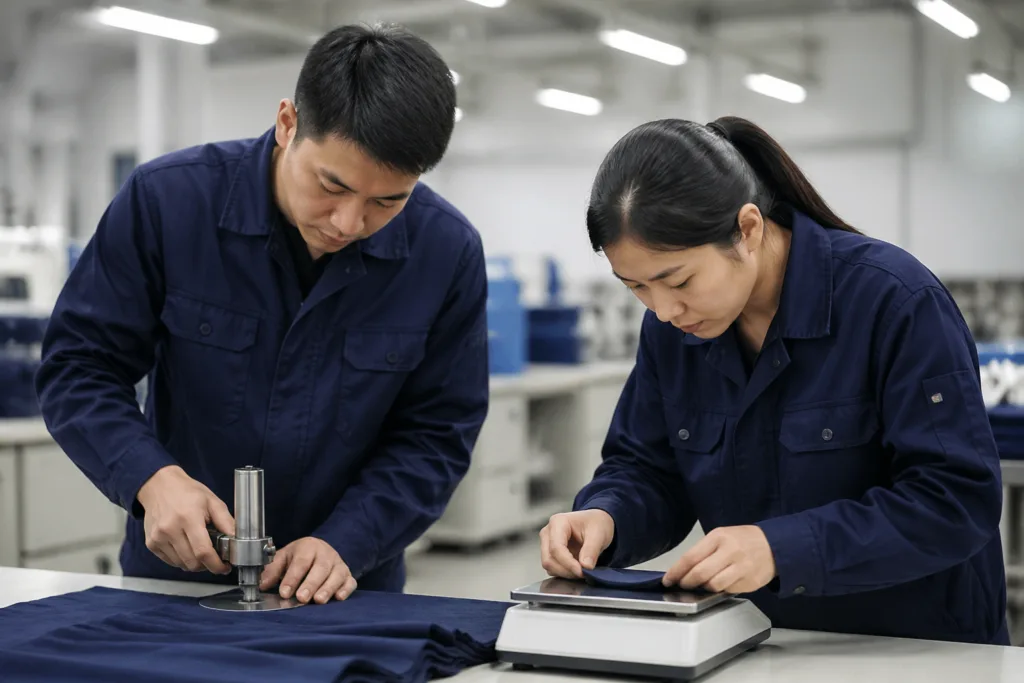
The process typically involves cutting a small swatch, weighing it, and converting the weight to grams per square meter. Manufacturers and suppliers use precise scales and calculation formulas to ensure accuracy so that GSM can be compared across different materials reliably.
Why GSM Matters for Every Garment
GSM isn’t just a technical term—it’s a practical tool for predicting how your clothing will perform. It impacts thickness, drapability, comfort, and the final look of your garment.
The Role of GSM in Apparel Manufacturing
Experienced manufacturers like Ninghow Apparel often help clients interpret GSM. They caution that while GSM is essential, other factors like weave, fiber content, and finishing also play a part. For example, two fabrics with the same GSM can feel noticeably different due to their weave and material type.
Fabric GSM in Action: Comparing Heavy vs Light Fabric
Understanding how GSM affects your garment starts with comparing light and heavy fabrics. Here’s a snapshot:
| GSM Range | Descriptor | Common Use | Typical Feel |
|---|---|---|---|
| 40–80 GSM | Very Light | Lining, sheer scarves | Soft, translucent, delicate |
| 90–140 GSM | Light | Basic tees, summer shirts | Breezy, comfortable, slight drape |
| 150–220 GSM | Medium | Premium tees, polos, dresses | Balanced, versatile, good drape |
| 240–350 GSM | Heavy | Hoodies, sweatshirts, trousers | Structured, warm, dense |
| 360+ GSM | Very Heavy | Outerwear, jackets | Rugged, stiff, protective |
Light Fabrics—Strengths, Weaknesses & Uses
Light fabrics (lower GSM) are ideal for breathability and movement but can end up too transparent if not chosen carefully. For basic T-shirts, aim for 130–160 GSM for a balance of comfort and coverage.
Heavy Fabrics—Strengths, Weaknesses & Uses
Heavy fabrics offer warmth, durability, and structure. However, they may lack drape and feel hot in warmer climates. Hoodies and sweatpants typically sit in the 280–350 GSM range, providing a substantial, cozy feel.
Fabric GSM: Real-World Examples
When sourcing from manufacturers, always request GSM specs. For example, brands working with T-shirt suppliers often specify 180 GSM cotton for a premium, non-see-through finish.
How GSM Affects Transparency, Thickness, and Drape
One of the first complaints from buyers and brands is “the shirt is too see-through.” This usually comes from picking a GSM that’s too low. Conversely, overly thick fabrics can feel rigid or heavy, missing the intended style. GSM guides you toward the right thickness—preventing embarrassment from transparency, and discomfort from heaviness.
Understanding Drape and Fluidity
The higher the GSM, the more structured the fabric. Lightweight materials have easier flow and movement, ideal for relaxed fits and easy wear. Heavier fabrics hold their shape, perfect for tailored, boxy, or oversized garments that need to stand out.
Balance—Finding the Perfect GSM for Your Needs
For buyers, GSM is your key to avoiding disappointment. If you want relaxed, comfortable garments, stick with mid-range GSM. Structured styles? Go heavier, but don’t forget the feel against skin and the climate.
GSM and Breathability: Keeping Garments Comfortable
Fabric weight directly affects how air moves through your garment. Lighter GSM means better airflow, keeping you cooler. But ultra-light GSM can lead to durability issues and transparency. Heavier GSM sacrifices breathability for warmth and longevity, ideal for colder seasons.
GSM vs Fiber Type—How Material Choice Impacts Comfort
GSM interacts with fiber type. Cotton at 180 GSM is more breathable than polyester of the same weight. Manufacturers like Ninghow Apparel recommend matching GSM and fiber for the end-use: cotton for everyday wear, polyester for performance, blends for versatility.
GSM and Durability: What Brands Need to Know
Higher GSM is usually synonymous with stronger fabrics. This doesn’t always mean it will last longer, but it can withstand more abuse (pulling, washing, wearing). Lower GSM fabrics, while comfortable, may pill, tear, or lose shape sooner unless they’re engineered for performance.
Common GSM Pitfalls in Garment Sourcing
It’s easy to accidentally pick a GSM that looks good on paper but doesn’t perform in real life. For example, picking 120 GSM for a white shirt might result in transparency. Or, selecting 350 GSM for a hoodie may make it uncomfortably stiff. Always ask for samples, and conduct wash tests before bulk orders.

Heavy vs Light Fabric: Making the Right Choice
Different garments require different GSM profiles:
- T-shirts: 130–180 GSM (balance, non-see-through)
- Hoodies/Sweatshirts: 260–350 GSM (structure, warmth)
- Shorts/Trousers: 220–300 GSM (durability, comfort)
- Tank Tops: 100–140 GSM (cool, lightweight, often layered)
Understand your garment’s use and design needs before picking GSM, and always reference manufacturer specs like those at Shorts Manufacturers to ensure quality and fit.
GSM and Garment Fit: Does Weight Affect Sizing?
Heavier GSM fabrics can subtly impact sizing, especially for fitted or structured garments. A thick fleece may feel tighter or bulkier than a lightweight tee. Always account for GSM in your pattern making and sample checking process to avoid surprises in production.
Sampling with Different GSM: Smart Tips
Before final production, making samples in your chosen GSM is critical. This helps catch issues like unexpected stiffness, drape, or transparency early.
Adjusting Sizing and Grading for Fabric Weight
Experienced professionals recommend slight adjustments to patterns for heavier fabrics: adding ease, truing seams, and considering layering impact.
GSM in the Apparel Production Workflow
Manufacturers integrate GSM selection early in the garment creation process. From fabric sourcing to pattern making, GSM becomes the reference point for all material choices and quality control steps. If the target GSM isn’t reached, brands risk costly revisions and delayed launches.
Fabric Quality Control: GSM Checks in Production
Trusted manufacturers always verify GSM for every batch. Tools like apparel manufacturing quality control ensure consistency, preventing surprises from suppliers. This also helps brands maintain the same feel, fit, and durability across collections.
GSM Beyond Apparel: Uses in Textiles and Accessories
GSM isn’t just for clothing. It’s also widely used for bags, upholstery, technical textiles, and accessories. Whether you’re sourcing fabric for caps, socks, or jackets, GSM offers reliable guidance on thickness, durability, and performance.
How GSM Helps Avoid “Too Thin” or “Too Thick” Mistakes
Requesting GSM specs and samples can prevent costly errors—no more shirts that are see-through, or hoodies that feel like armor. Brands avoid guesswork and improve satisfaction.
Practical Tips: Choosing the Right GSM for Your Next Garment
- Always request GSM info before ordering fabric or finished garments
- Test a swatch for drape and feel—don’t rely on specs alone
- Consider your target market’s climate and wear style
- Think about care and washing durability
- Talk to experienced manufacturers about your needs
- Sample before bulk production
Conclusion: Master Fabric Selection with GSM
Understanding GSM lets brands and buyers avoid costly mistakes: garments that are too sheer, too heavy, or uncomfortable. GSM gives tangible guidance for achieving your desired balance of thickness, durability, and drape—no more guessing. Next time you’re sourcing material or briefing a manufacturer, use GSM as your compass. That’s the path to clothing that fits beautifully and performs as intended, every time.
Frequently Asked Questions
What does GSM mean in fabric?
GSM means grams per square meter and measures fabric weight, providing a reliable way to judge thickness, durability, and drape.
How can GSM help avoid see-through clothing?
By choosing GSM above 130 for T-shirts, you ensure the fabric is thick enough to prevent transparency, especially in lighter colors.
Does higher GSM guarantee longer garment life?
Generally, higher GSM improves durability, but factors like fiber type and weave also matter. Always check the full specification.
Can GSM impact how a garment fits?
Yes, heavy fabrics may affect sizing and drape. Adjust patterns or grading when moving between GSM ranges for optimal fit.
Is GSM the only factor in choosing fabric?
No, fiber content, weave, finishing, and construction also influence performance. GSM is just one part of overall quality.
How do I know if GSM is right for my garment?
Request samples, test the drape and feel, and compare to similar products. Consult your manufacturer to match GSM to usage.