
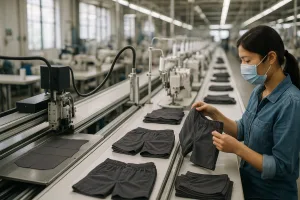
Introduction: Achieving Perfect Shorts Color Matching
Color matching and dye consistency play a crucial role in shorts manufacturing. No brand wants a shipment with tones that mismatch or batch shades that look off under retail lights. Getting color right means happier customers and fewer costly returns. This guide explores how skilled manufacturers select color swatches, calibrate Pantone shades, and maintain batch-to-batch uniformity.
Why Color Matching Matters for Shorts Brands

Shorts are staple items across streetwear, golf, athletics, and uniforms. A consistent color story strengthens shelf appeal and brand recognition. Consumers expect their shorts to match a logo, a team kit, or coordinates in a new collection. Slight shade differences can lead to disappointing reviews and costly markdowns.
- Protects brand image with flawless, repeatable tones
- Reduces waste from rejected or remade batches
- Accelerates time-to-market by streamlining approvals
- Boosts consumer confidence in quality
Shorts Color Matching: Essential Methods & Controls
Shorts Manufacturers use a proven process to ensure shorts color matching meets expectations, from lab dips to bulk production.
Color Swatch Selection: Setting the Standard
The journey starts by picking reference colors. Brands often supply color cards, physical swatches, or Pantone codes. Pantone is a global color system offering thousands of shades—each with a unique code—for pinpoint accuracy. A good swatch preview under daylight and store lighting ensures that the color fits both function and branding.
Expert note: Ninghow Apparel uses high-resolution light boxes to evaluate swatches under D65 and TL84 settings, preventing surprises under retail and daylight conditions.
Pantone Calibration: Precision at Scale
Mills and dye houses reference Pantone codes to mix precise dye formulas. But fabric type affects outcome: a Pantone 295C may look deeper on polyester, lighter on cotton. Skilled technicians create lab dips—small dyed samples—to trial real fabric response. The process involves calibrating dyeing machines and recipe scales to achieve target chroma and hue.
- Pantone chips vs. digital values: Both checked under standard lighting
- Lab dips compared side-by-side with master swatch
- Signed-off lab dip becomes approval for bulk dyeing
Lab Dip & Strike-Off Workflow
Lab dips are single-panel dye tests, while strike-offs test prints or special finishes. Labs may adjust dye formulas slightly for different fabric lots. Once approved, the lab dip joins the tech pack—a blueprint for production. This documentation becomes a safeguard for everything from sewing thread color to waistband material.
Batch Consistency: Keeping Every Pair Same
Once bulk dyeing begins, shade bands form controls for all lots. A shade band is a reference card showing acceptable color variation—usually ±0.5 Delta E (ΔE)—which indicates barely visible difference to the human eye. Technicians cut fabric panels from different dye batches and compare under controlled light, using spectrophotometers for objective data.
Materials, Dyes, and Their Impact on Color Stability
Fabric choice shapes the dye process. Most shorts use cotton, polyester, or blends, each with unique dye compatibility.
| Fabric Type | Dye Type | Colorfastness | Best Use Scenario |
|---|---|---|---|
| Combed Cotton | Reactive dye | High (AATCC 61/8) | Casual, uniforms |
| Polyester & rPET | Disperse dye | Very high | Performance, athleisure |
| Cotton/Poly Blends | Reactive + disperse | Moderate-High | Team kits, promo |
| Elastane Blends | Reactive + acid dye | Test required | Sports, stretch wear |
Ensuring color stability requires matching dye chemistry to fabric for best wash-fastness and sweat resistance.
Bulk Dyeing & Production Controls
Batch Dyeing Techniques
Most shorts use batch (exhaust) dyeing in big tanks. Each batch must be monitored for color drift. High tech dyeing lines use sensors and automated mixing to keep dyes at target temperature and pH. A test panel is taken every run to check Delta E both visually and with a spectrophotometer.
Inline & Endline Quality Checks
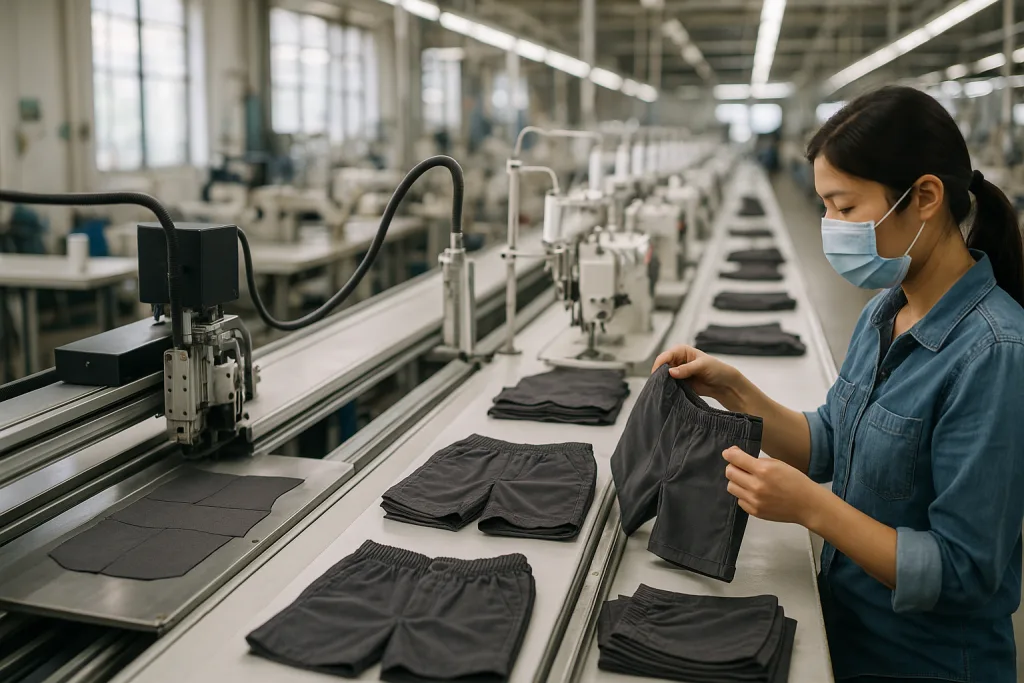
It’s not enough to check color at the dyeing stage. During garment assembly, operators and QC (quality control) staff check for shade variation between panels, pockets, and trims. Endline inspection compares each completed short to the approved shade band. Wash testing (e.g., AATCC 135) confirms no fading or bleeding after laundering.
- QC teams document any off-shade units for potential re-dye or sorting
- Batch reports track color consistency for every production lot
Color Matching & Dye Consistency in Shorts Manufacturing
In shorts production, strict color controls protect both style and reliability. Successful manufacturers master four pillars:
- Swatch sourcing: Using precise color references and Pantone chips
- Pantone calibration: Adjusting machine settings for every fabric type
- Lab dips & shade bands: Documenting and approving color for every batch
- Batch QC: Tracking, testing, and correcting color throughout bulk production
Ninghow Apparel’s shorts line illustrates these principles using OEKO-TEX certified dyes and advanced spectrophotometry, ensuring every pair meets premium standards for global brands.
Advanced Tools in Shorts Color QC
Spectrophotometer Analysis
A spectrophotometer measures fabric color by reading light reflectance. QC teams look for Delta E readings under 1—barely noticeable difference. These systems catch small mistakes early, avoiding costly rework.
Standard Lighting Test Rooms
Test rooms use D65 (daylight) and TL84 (store lighting) so color matches real-world viewing. Even approved shorts may shift in fluorescent store conditions, so double-checks are key.
Wash-Fastness & Light-Fastness Testing
Labs perform AATCC 61/8 and ISO 105-C06 colorfastness tests regularly. These challenge shorts with washing, rubbing, and light exposure to guarantee dye holds up in use.
Common Challenges in Shorts Color Matching
Fabric Lot Variation
Fabric from different mills or lots may absorb dye at slightly different rates. This can cause shade drift, especially with natural fibers. Pre-lot lab dips reduce risk by confirming dye behavior before bulk run.
Elastane & Blended Yarns
Active shorts often use blends with spandex (elastane), which holds less dye. Labs must adjust recipes to balance brightness and stretch.
Decorations & Prints
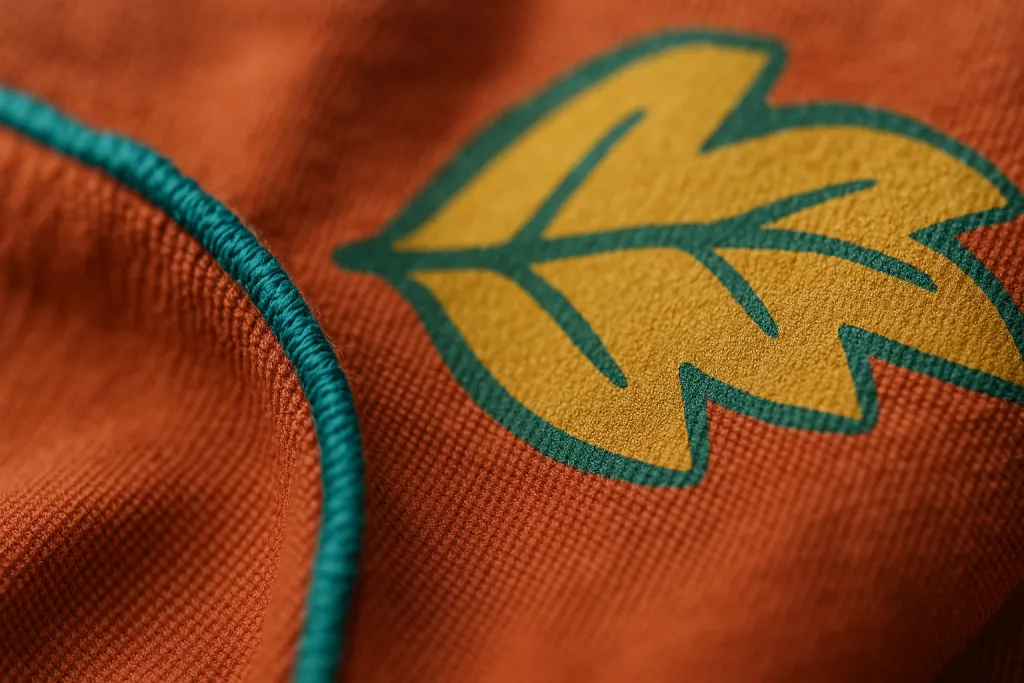
Screen prints, embroidery, or heat transfers must match or complement the fabric base. Ninghow Apparel aligns ink and thread choices with approved Pantone codes, balancing handfeel with color stability.
Packing & Logistics: Keeping Shades True to Delivery
Moisture & Sunlight Protection
Finished shorts are poly-bagged immediately to block moisture that might cause dye migration during transit. Cartons use UV-resistant tapes to protect colors from sunlight.
Batch Labelling and Traceability
Each carton lists batch code, shade band reference, and packing date. Barcode/UPC tracking makes it fast to trace any issues from shop floor to shipment dock.
Sample & Pre-Production Approval Flow
Brands often request a TOP (top of production) sample before signing off on shipment. This final check confirms color, fit, and finish against earlier lab dips and tech pack specs.
Applications: Where Color Matching Sets Your Shorts Apart
Perfect color matching helps shorts shine in many markets:
- Golf apparel: crisp, consistent shades for team kits
- Corporate uniforms: reliable matches for brand colors
- Athleisure and streetwear: premium visual appeal and retail impact
- Promotional programs: brand logos and colorways stay sharp
- Resort and beachwear: bold colors resist fading in sunlight and saltwater
Quality color matching cuts exposure to costly returns and builds repeat business. Whether for start-ups or large-scale brands, shorts color matching makes the difference between high sell-through and racks of markdowns.
Next Steps: How Brands Can Improve Shorts Color Matching
To boost color consistency, brands should:
- Provide clear Pantone codes or physical swatches
- Request lab dip approval for every fabric lot
- Ask for detailed shade band documentation
- Insist on wash and light fastness testing
- Include color QC in tech pack and contract terms
Fast communication and transparent QC reports help solve issues before they reach production scale. Stable partnerships, like those Ninghow Apparel builds, set the stage for consistent color—and satisfied buyers—season after season.
Frequently Asked Questions
How do manufacturers choose the right color for shorts?
Manufacturers select color using Pantone cards, customer swatches, and specialized lighting to preview tones under real-world conditions before starting production.
What is a lab dip and why is it essential?
A lab dip is a small, dyed fabric sample that tests how a chosen color appears on actual material, helping ensure bulk production matches the approved shade.
How do factories keep color consistent across batches?
Factories use shade bands, spectrophotometer readings, and strict batch QC checks to keep color variation under tight control from one run to the next.
Why do Pantone colors sometimes look different on various fabrics?
Pantone colors shift depending on fabric type, dye chemistry, and weave, so technicians adjust dye recipes for cotton, polyester, or blends to keep shades true.
What tests confirm color stays fast after washing?
Colorfastness tests like AATCC 61 and ISO 105-C06 check that shorts won’t fade, bleed, or stain after repeated washing and normal wear.
How can brand managers reduce color matching failures?
Managers can reduce failures by providing clear references, requiring lab dip approvals for every batch, and requesting regular color QC reports from their supplier.