
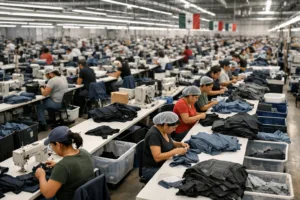
Understanding Nearshoring: The Evolution in Global Sourcing
With supply chains facing countless disruptions, industries are rethinking their sourcing strategies. That’s where Nearshoring: The Middle Ground Between Local and Offshore comes in — a model where brands move production closer to home, but not necessarily within their own country. Apparel brands in the U.S. consider Mexico; European buyers look toward Turkey. Why? Nearshoring finds the sweet spot of balancing speed, cost, control, and risk in today’s volatile market. Whether you’re a startup or an established brand, understanding nearshoring might just be the edge you need in 2024 and beyond.
What Is Nearshoring?

Nearshoring means outsourcing manufacturing or services to a nearby country, sharing a timezone, border, or cultural ties. It’s not quite local, not fully offshore – but something in between. Think U.S. buyers moving production to Mexico, or European brands forging relationships with Turkish factories. Nearshoring offers a strategic alternative, especially as lead time and agility pressure traditional offshore models.
Why the Nearshoring Trend Is Accelerating
Major market shifts are driving nearshoring’s popularity. The COVID-19 pandemic exposed vulnerabilities in lengthy global supply chains. Geopolitical conflicts, rising labor costs in Asia, and increased demand for ethical and efficient sourcing pushed decision-makers toward regional suppliers. According to multiple industry reports, more than 40% of North American and European brands are actively exploring nearshoring options in 2024.
Comparing Local, Nearshore, and Offshore Manufacturing
| Model | Lead Time | Cost | Flexibility | Risks |
|---|---|---|---|---|
| Local | Short | High | Very High | Low |
| Nearshore | Medium | Medium | High | Medium |
| Offshore | Long | Low | Low–Medium | High |
This framework helps brands clarify which trade-offs are most strategic for them. Need products fast? Nearshoring might be your solution over Asia-based production.
Key Nearshoring Benefits Explained
- Faster Lead Times: Shipments from Mexico to the U.S. can arrive in as little as 2–7 days. Turkey to Europe often delivers within 1 week.
- Control & Collaboration: Closer geography enables in-person visits, agile adjustments, and easier communication. Brands can monitor quality firsthand, just like when visiting factories for QC and production reviews.
- Lower Freight Costs: Shorter transit means lower shipping expenses and fewer delays.
- Fewer Supply Chain Risks: Geopolitical uncertainty and global disruptions have less impact when your supplier is next door or just over a border.
- Flexibility for Small Batches: Nearshoring partners may offer lower minimums, which is ideal for fashion’s test-and-scale approach. See how low MOQ factories accommodate smaller brands.
- Sustainability: Shorter supply chains cut carbon emissions, supporting environmental goals.
Mexico Manufacturing: The U.S. Buyer’s Nearshoring Choice
For U.S. apparel brands, Mexico manufacturing shifts the paradigm. The shared border, trade agreements (USMCA), and extensive logistics network mean faster restocks, effective design tweaks, and easier factory visits. Leading Mexican hubs like Puebla and Tehuacán offer expertise in denim, knitwear, and basics, often with vertical supply chains that start from spinning yarn to finished cuts.
Turkey Sourcing: Europe’s Go-To for Fast Fashion and Luxury
Turkey is the dominant nearshoring destination for European brands. Istanbul and Izmir factories are renowned for flexibility, broad technical capabilities, and the ability to offer both fast fashion and premium luxury. Turkish suppliers understand trends and QC standards expected by EU and UK retailers. Proximity cuts weeks off the design and delivery process, which is why Europe’s largest chains rely on Turkish production.
Speed vs Cost vs Risk: Choosing the Right Sourcing Ground
Strategic sourcing is all about priorities. Nearshoring isn’t about beating every offshore cost, but striking the best balance between cost, lead time, and risk — especially when brands want quick turnaround and less inventory risk. For detailed cost breakdowns, brands often rely on transparent open costing frameworks. Read more about apparel cost transparency in our guide to open costing models.
Fit & QC: Manufacturing Insights from the Shop Floor
Factories like Ninghow Apparel have observed that nearshoring fosters better fit consistency and sample approval. It’s easier to communicate pattern corrections, run quick sample rounds, and correct any stitching details when designers can jump on a call or visit the line in person. Even small tweaks — like adjusting a sleeve opening or addressing a puller detail — get sorted much faster, helping brands maintain quality and avoid costly bulk errors.
Sustainable Apparel Sourcing: Nearshoring’s Hidden Advantage
Nearshoring is also a lever for brands aiming for greener supply chains. Fewer transport emissions and easier compliance with local environmental regulations make Mexico and Turkey attractive for sustainable capsule collections. In Turkey, organic cotton and recycled yarns are becoming industry standards, supporting both environmental and marketing goals for EU brands.
Lead Time Reduction: Why It Matters More in 2024
Shorter lead times mean less need for large inventory buffers and lower risk of overstock or markdowns if trends change rapidly. For example, Mexico manufacturers can fulfill replenishment in a matter of days, helping U.S. brands react quickly to demand spikes or unexpected sellouts. The same applies to fast fashion out of Turkey for Europe-based labels.
Case Studies: Brand Wins with Nearshoring
Many U.S. direct-to-consumer startups credit their success to first-mover nearshoring. Winning brands secure shelf space (or online dominance) by rapidly adjusting colorways or graphics in response to market data. In Europe, Turkish factories have reduced months-long offshore lead times to mere weeks — making on-trend, profitable collections feasible even for smaller players.
Apparel Niches That Excel in Nearshoring
- Fast Fashion: Frequent, quick collection drops thrive on short supply chains.
- Private Label Basics: Tees, hoodies, and polos are efficiently managed nearshore for replenishment.
- Sustainable & Capsule Lines: Brands needing certifiable sourcing and nimble batch runs benefit most.
The Cost Equation: Component Breakdown
It’s vital to note: while labor costs in Mexico and Turkey are above Bangladeshi or Vietnamese rates, overall landed cost savings appear when you add up shipping, tariffs, faster sales, and reduced inventory risk. For a stepwise overview, see our article: How to Calculate Landed Cost.
When Is Offshore Still the Right Move?
Ultra-high order volumes, specialty trims, or price-driven basics (like high-volume plain white T-shirts) can still favor China or Southeast Asia. Offshore has the edge in deeply embedded supplier networks but comes at the cost of slower lead times and higher risk exposures.
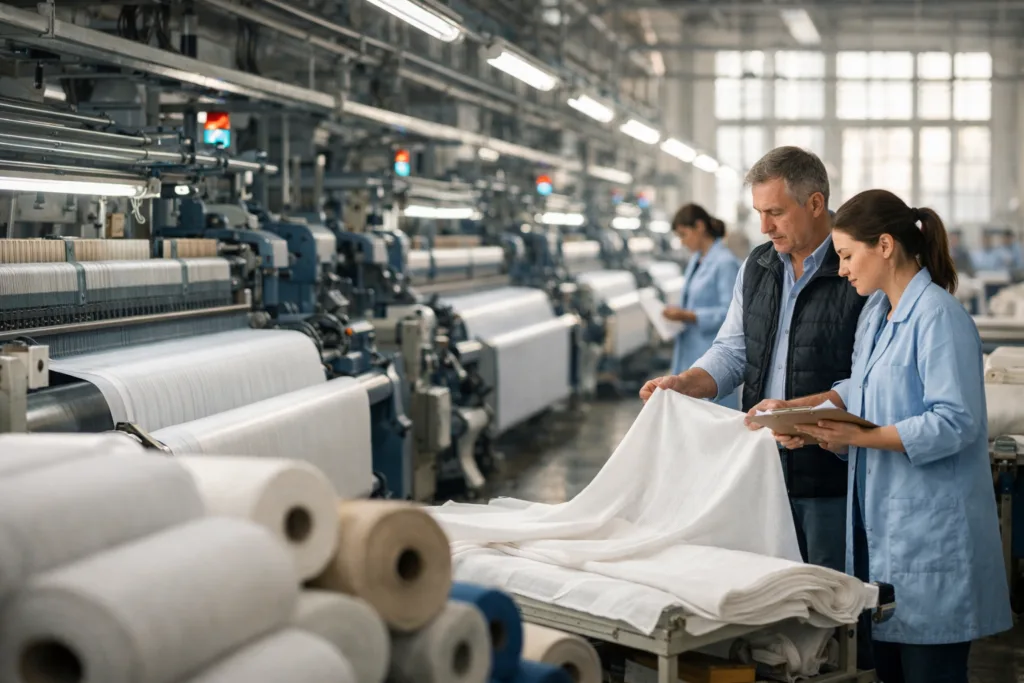
How Nearshoring Affects MOQs and Flexibility
Nearshoring partners can offer lower minimum orders compared to most Asian suppliers. This is crucial for brands testing new products or hesitant to tie up cash in large, risky batches. Mexican and Turkish factories earn loyalty by accommodating flexible volumes and quick style switches.
Key Steps for Brands: Getting Started with Nearshoring
- Research reliable factories (site visits if possible).
- Clarify QC processes and language skills upfront.
- Negotiate terms, MOQs, and sample rounds before committing.
- Secure written agreements and be explicit on deadlines.
Common Nearshoring Pitfalls (And How to Avoid Them)
- Cultural/communication gaps: Solve with bilingual staff and written confirmations.
- Capacity crunches: Book production slots ahead of peak demand cycles.
- Cost creep: Use layered costing breakdowns and frequent status updates.
- Siloed development: Involve the factory at the design and prototype stages to squash surprises later on.
Technology’s Role in Supporting Nearshoring
Digital tools like PLM systems, shared tech packs, and instant image sharing reduce friction and force errors to the surface early. Combined with proximity, these tools keep production nimble and communication transparent. Today’s tech-savvy Mexican and Turkish mills embrace video calls and cloud-based spec reviews as much as Western brands do.
Building Long-Term Supplier Relationships in Nearshoring
Success relies on trust, honest feedback, and continuous improvement. Scheduling regular factory visits or virtual walkthroughs cements partnerships and sharpens output quality. As Ninghow Apparel’s production lead notes, button samples or zipper adjustments that would take weeks with Asia can be swapped within days when working nearshore.
Multiple Nearshoring Hubs: Mexico, Turkey, and Beyond
While Mexico and Turkey are the shining examples, countries like Portugal, Morocco, Central America, and Egypt are gaining ground for nearshore-ready manufacturing. Large buyers diversify across several hubs to limit disruption and access specialist skills.
Future Trends: Integrated Nearshore-Local Strategies
Leading brands don’t choose just one model—they blend local and nearshoring to balance speed, risk, and innovation. For instance, U.S. firms use nearby cut-and-sew for core products and reserve domestic production for made-to-order drops or launches.
Should You Nearshore? A Decision Checklist
- How important is lead time predictability?
- Can you accept mid-range pricing for faster speed?
- Will you benefit from lower batch sizes and less inventory?
- Is sustainability a priority for your customers?
- What supply chain risks can you mitigate by moving closer?
If you answered yes to several, nearshoring may offer the strategic edge you need for the coming years.
Nearshoring: The Middle Ground Between Local and Offshore
Nearshoring empowers brands to react quickly to demand, control quality, and minimize risks—while keeping costs under control. As apparel supply chains shift from “cheapest possible” to “agile and resilient,” nearshoring is more than a passing trend—it’s the strategic future. By integrating nearshore options with best practices in cost analysis, quality management, and supplier relationships, companies stand to benefit from the advantages highlighted throughout this article.
Conclusion

Nearshoring delivers a compelling balance of speed, flexibility, and risk reduction for brands navigating today’s unpredictable market. As Mexico, Turkey, and other regional hubs invest in vertical integration and sustainability, the nearshore option only gets stronger. Thoughtful partnerships and proactive planning set the foundation for long-term success. Keep evolving your sourcing approach and stay open to change—it’s what the future of apparel manufacturing demands.
Frequently Asked Questions
What is nearshoring in manufacturing?
Nearshoring means outsourcing your production to a nearby country rather than local or far-off offshore locations. It combines fast response, lower risk, and manageable costs.
Why is Mexico popular for U.S. brands choosing nearshoring?
Mexico offers geographic proximity, established trade agreements, short lead times, and deep experience in apparel manufacturing, making it ideal for U.S. clothing brands.
How does Turkey benefit European clothing companies?
Turkey supplies high-quality apparel with fast turnaround, supports both fast fashion and luxury brands, and shares close logistics and business culture with Europe.
Are nearshoring costs always higher than offshore manufacturing?
Not always. While labor can be more expensive, nearshoring often saves on shipping, inventory management, and missed sales from delayed restocks, balancing out total costs.
Does nearshoring help with sustainability goals?
Yes. Shorter supply chains reduce carbon emissions and help businesses meet environmental standards more easily—especially with Mexico and Turkey investing in green solutions.
What are common mistakes to avoid with nearshoring?
Underestimating cultural differences, failing to secure agreements, and rushing supplier decisions can cause delays or quality issues. Transparent communication is key.
Related Reading
- Domestic vs Overseas: Cost, Quality & Ethics Breakdown for 2024
- Emerging Apparel Hubs: Why Look Beyond Traditional Markets?
- Peru Pima Cotton & Mexico Nearshoring: Unlock Sourcing Advantages
- Why Turkish Denim Wins: Quality, Speed, and Nearshore Benefits
- China Plus One: Smarter Apparel Supply Chain Risk Management in 2026