
Introduction: Why Understanding Wholesale Clothing Vendors Is Essential
Choosing the right wholesale clothing vendors can make or break a fashion business. Pricing, MOQ (minimum order quantity), and delivery times are especially crucial for startups and growing brands. With supply chain uncertainty and rapid style changes, knowing what sets top suppliers apart—and what pitfalls to watch for—has never mattered more. In this article, we’ll break down what buyers should know before ordering, giving you a clear roadmap for smart, profitable sourcing.
What Is a Wholesale Clothing Vendor?

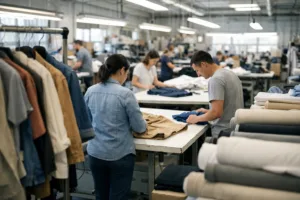
A wholesale clothing vendor is a business that supplies apparel in bulk to retailers, brands, or other resellers, usually at lower per-unit prices. Vendors can be factories, trading companies, or distributors. The key difference is volume—these partners expect regular, sizeable orders and offer cost savings in return.
Types of Wholesale Clothing Vendors
Wholesale vendors fall into several categories:
- Manufacturers: Produce garments from scratch. You get direct pricing and customization options.
- Distributors/Wholesalers: Buy from multiple factories; offer broad product range but less control over details.
- Private Label/OEM: Factories that make your designs using their production lines and expertise.
- Online Marketplaces & Trading Companies: Aggregate products from many sources (Aliexpress, Alibaba), often with less quality assurance.
For startups, low MOQ clothing manufacturers may ease cash flow pressures, while established brands might prefer large-scale manufacturing relationships.
MOQ (Minimum Order Quantity): The Basics
MOQ is the smallest quantity a vendor will accept per style, color, or order. Typical MOQs range from 50 to 1000+ pieces per style. Lower MOQs allow more flexibility but often include surcharges or restrictions. Understand what the factory counts as one “order”: by style, color, or total quantity. This can impact costs significantly.
Why Do Vendors Set MOQs?
MOQs protect vendors from financial risk—setting up a production line involves labor, fabric sourcing, and logistics. For every size/color, there are setup costs. Factories like Ninghow Apparel aim for batch consistency, efficient workflow, and to minimize material waste. Knowing the reason behind MOQs can also help when negotiating terms or understanding price hikes for small runs.
Negotiating MOQs: Strategies and Pitfalls
Don’t accept the first MOQ quoted. Many vendors are open to negotiation—especially when you build trust or offer a repeat business plan. Clarify whether the MOQ applies per order, color, or size. For in-depth negotiation tactics, see this pro guide on negotiating MOQs.
Pricing Models: How Wholesale Pricing Works
Wholesale prices depend on numerous factors:
- Order quantity (bigger = cheaper unit price)
- Fabric and trims choice
- Customization level (prints, embroidery, cut, labeling, packaging)
- Payment terms
Ask vendors for a detailed quote, ideally with stair-step pricing tables so you can see cost reductions at higher volumes.
Hidden and Common Extra Costs
Look out for surcharges on:
- Sampling fees
- Customized packaging
- Additional sizes or colorways
- Labels, hangtags, and care instructions
- Rushed delivery or small batch runs
Read more about the real costs behind low MOQs and how to avoid common traps.
Lead Times Explained: From PO to Delivery
“Lead time” means the time from placing your purchase order (PO) to actual delivery. For most apparel, standard production time is 25–45 days after samples and contracts are approved. Shipping adds extra days or weeks depending on location. Complex styles, custom trims, or large quantities may extend timelines.
Production Delays: What Causes Them—And How to Prevent
Delays can arise from raw material shortages, machine breakdowns, labor shortages, quality rework, and logistics disruptions. Proactive communication, clear specifications, and realistic delivery dates—plus backup suppliers—are your best insurance.
How to Evaluate a Wholesale Clothing Vendor
Use this checklist when screening new vendors:
- Transparency on pricing, fabric sources, QC steps
- Responsiveness and communication clarity
- Willingness to send samples
- References of past clients
- Export documentation and payment safeguards (LC, TT, escrow, etc.)
Working with a reputable wholesale clothing manufacturer gives you more control over production standards and potential problem-solving.
Red Flags: Signs a Vendor May Not Suit Your Needs
Be cautious if you see any of the following:
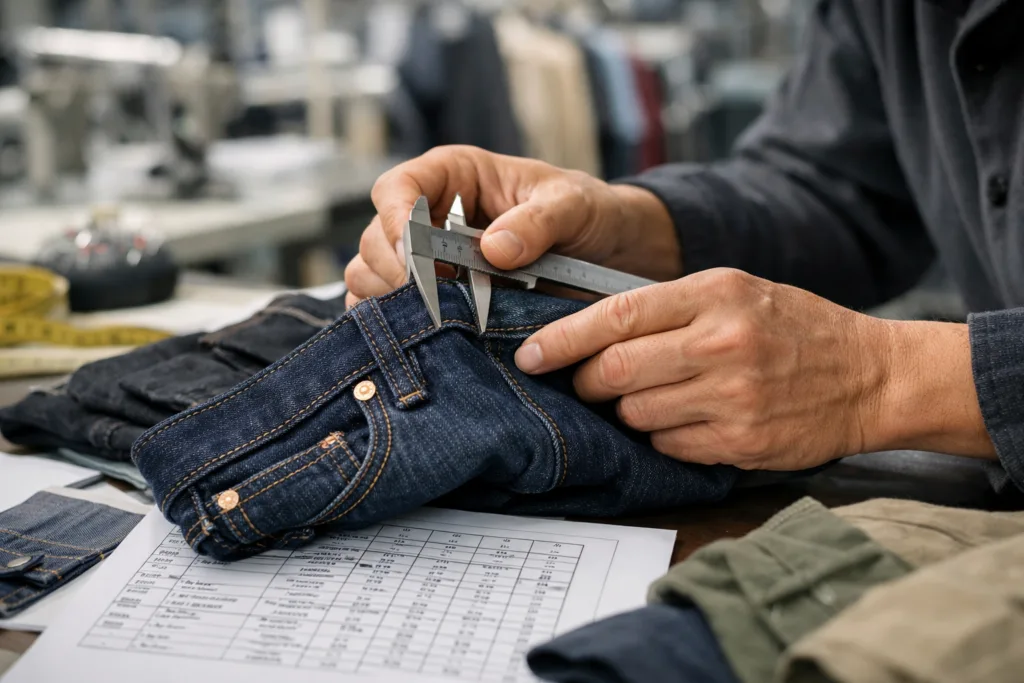
- Poor sample quality or slow sample turnarounds
- Unwillingness to provide business licenses or references
- No clarity on color/size breakdown policy
- Vague answers on delivery time or manufacturing location
- Overly aggressive up-front payment requests or no sample process
MOQ, Pricing, and Lead Time: How They Interact
These three factors work together—lower MOQs often mean higher unit prices and longer wait times. Higher order volume brings discounts but higher cash outlays and inventory risk. Always balance financial flexibility against operational headaches.
Customization Options: Private Label and OEM
Most modern factories offer private label (your brand on their standard designs) or OEM (full custom, your design/spec). Assess which option fits: private label saves time; OEM gives you originality but demands more rigorous sampling, pattern development, and QC. Ninghow Apparel, for example, emphasizes the importance of clear tech packs and fit specs early in the process to avoid costly production errors down the line.
Sourcing Locations: Comparing Major Regions
| Region | Strengths | Potential Hurdles |
|---|---|---|
| China | Scale, price, range, efficiency | Geopolitics, language, QC variance |
| Bangladesh | Basic knits, bulk quantities, pricing | Compliance, flexible MOQs |
| Turkey/Europe | Near-shoring, speed to market, quality | Cost, MOQs |
| Southeast Asia | Rising skills, low cost, growing efficiency | Younger market, longer timelines |
Fabric Choices and Quality Considerations
Fabric cost and availability drive both MOQ and price. High-end or imported fabrics increase cost and lead time. Always request swatches and sample yardage. Factor seasonality—some factories stock bulk in-demand basics (cotton, poly blends), enabling quicker and more affordable productions.
Sampling: The Cornerstone of Quality
Never skip the sample stage. Approved samples confirm fabric, fit, trim, and construction quality. Always document feedback. Factories like Ninghow Apparel recommend detailed sample review checklists from pre-production through to TOP (top of production) samples—preventing missed colors, trims, or sizing mishaps.
Quality Control: Safeguarding Your Investment
Insist on clear, reliable quality checks at every stage. Vet vendors who offer photographic or video evidence, especially when sourcing internationally. Consider third-party inspection services if stakes are high or if you’re working with a new supplier.
Payment Terms, Contracts, and Financial Safety
Good vendors offer crystal-clear contracts covering pricing, MOQs, delivery, defect allowances, and payment terms (usually 30/70 TT, or letter of credit for large orders). Never pay the full amount up front for new relationships.
Shipping, Customs, and After-Sales Support
Plan for shipping methods (sea, air, courier), which affect both price and timing. Ask vendors about incoterms: ex-works, FOB, CIF, etc. Check if they help with customs paperwork and if they have processes for handling faulty or delayed goods.
Technology and Transparency: Modern Tools in Vendor Selection
Leading vendors use order tracking, digital sample approvals, fit platforms, and transparent workflow processes. This builds trust and keeps your supply chain agile.
Summary Table: Key Questions to Ask Wholesale Clothing Vendors
| Category | Key Question |
|---|---|
| MOQ | What is your order minimum per style, color, and size? |
| Price | What impacts your unit price? |
| Lead Time | How long from PO to delivery? |
| Sampling | How many samples are included per order? |
| QC | What is your quality assurance process? |
| Payment | What are your payment terms for new buyers? |
| Incoterms | Which shipping arrangements do you support? |
Wholesale Clothing Vendors: What Buyers Should Know
Wholesale clothing vendors vary widely in capability, reliability, and transparency. Always start by clarifying your priorities: MOQ, pricing, flexibility, or speed. Vet vendor responses against your needs—and invest time in negotiation, sample reviews, and quality checks. Remember, strong relationships are built on clear communication, consistency, and mutual benefit.
Conclusion: Getting Ahead with the Right Partnership
Wholesale clothing vendors can help you scale, diversify, and strengthen your apparel business—if you ask the right questions and demand clarity on MOQs, pricing, and lead times. Take a practical, detail-focused approach, and you’ll avoid costly mistakes and delays down the line. Smart brands build trust-based partnerships, insist on transparency, and continuously refine their sourcing strategy to stay ahead in this fast-moving industry.
Frequently Asked Questions
What is MOQ and why does it matter?
MOQ, or minimum order quantity, is the lowest amount a vendor will produce per order, style, or color. It impacts your cash flow, inventory risk, and pricing, making it vital to align MOQs with your business scale and needs.
Can buyers negotiate MOQs with vendors?
Yes—many vendors are open to negotiation, especially for repeat business, simpler styles, or bundled purchase plans. Present a clear business plan and ask for flexibility where it matters most.
What hidden costs should I look out for?
Beware of extra fees for custom trims, multiple sizes or colors, special packaging, express delivery, and low-MOQ surcharges. Reviewing quotes line by line helps catch unexpected expenses upfront.
How do delivery times differ by region?
Lead times vary: China and South Asia are efficient for high volumes, but shipping can take weeks. Nearshoring regions like Turkey offer faster delivery but often at higher cost. Always factor in sampling and customs.
What are red flags when evaluating vendors?
Watch for vague answers on MOQ or timelines, refusal to share samples or references, inconsistent communication, and pushy up-front payment terms. Slow sampling and lack of transparency are also warning signs.
What steps can I take to ensure quality?
Always approve multiple samples, demand clear inspection protocols, and request photo or video updates. Leverage third-party inspections for new or high-value orders, especially with overseas vendors.