
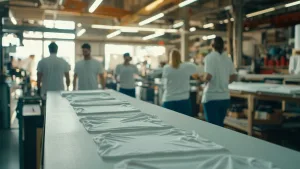
What Does a T Shirt Manufacturer Actually Do?
When we casually toss on a comfy T-shirt, most of us don’t stop to consider the intricate journey it took to get from concept to closet. But behind every hem and print lies a web of skilled professionals, state-of-the-art machinery, and complex processes. So, what does a T shirt manufacturer actually do? A lot more than just sewing fabric, that’s for sure.
Understanding the Role of a T Shirt Manufacturer
At its core, a T shirt manufacturer is responsible for transforming ideas into tangible products. These professionals handle the entire production pipeline—from initial design collaboration and sourcing raw materials to manufacturing, finishing, and shipping. Whether it’s for a fashion brand launching its new line or a corporate client ordering uniforms, T shirt manufacturers are the backbone of the apparel industry.
From Design to Reality: The Concept Phase

Before a single thread is stitched, manufacturers often work closely with designers or clients to understand their vision. This phase involves sketch reviews, fabric recommendations, color palettes, and functionality discussions. It’s here that technical packs (tech packs) are developed—these documents include detailed specifications for materials, stitching, prints, and sizing.
Sourcing Fabrics: The Heart of the T Shirt
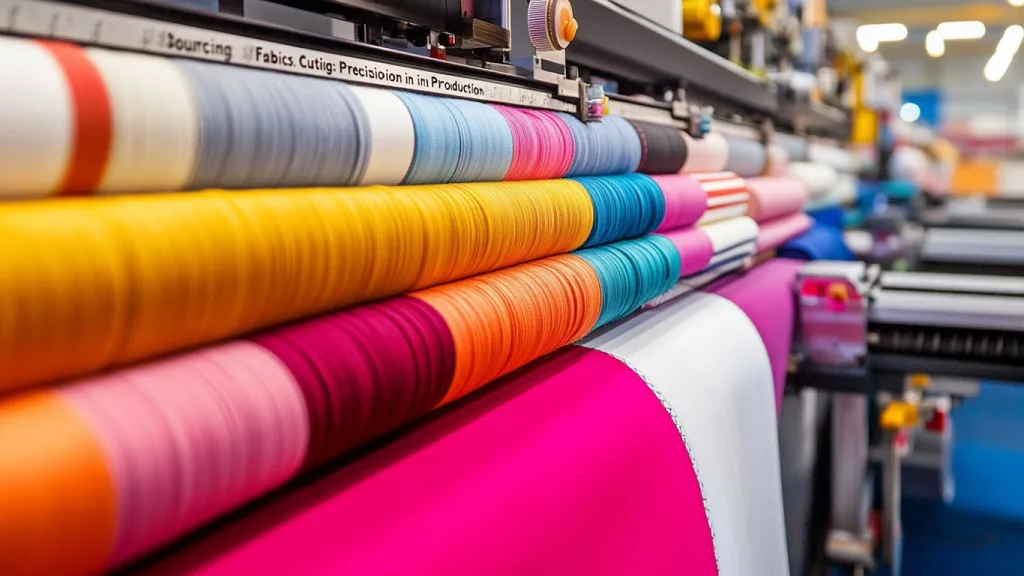
Fabric is the soul of any T-shirt. A manufacturer’s ability to source high-quality textiles determines the final product’s feel, durability, and appeal. Manufacturers build strong supplier relationships to access organic cotton, recycled polyester, bamboo blends, and performance fabrics. Every fiber choice directly influences comfort, cost, and sustainability.
Types of Fabrics Used by T Shirt Manufacturers
T shirt manufacturers work with a wide range of materials, depending on client needs:
- Cotton (combed, ring-spun, organic)
- Polyester and Poly-cotton blends
- Rayon and Bamboo fibers
- Spandex-infused fabrics for stretchability
Each fabric serves a specific purpose—from breathable athletic wear to premium casual shirts.
Pattern Making: The Blueprint of Production
Pattern making is both a science and an art. Here, manufacturers create the templates that dictate the shirt’s shape and fit. Using software like CAD (Computer-Aided Design), patterns are drafted digitally for precision and efficiency. It’s a crucial step to ensure size consistency and garment symmetry.
Sample Development: Bringing Designs to Life
Before jumping into full-scale production, samples are made. These allow clients to evaluate stitching, sizing, fabric feel, and fit. It’s the point where dreams meet reality. Based on feedback, revisions may be made to improve product appeal or correct any design flaws.
Grading and Sizing for Market Readiness
Sizing isn’t as simple as S, M, and L. T shirt manufacturers grade each pattern to create multiple sizes that maintain proportion and fit. They follow regional sizing charts (US, EU, Asia) and may even customize sizing based on target demographics.
Cutting: Precision in Production
Once the patterns are graded, it’s time to cut. Multiple fabric layers are stacked, and cutting machines slice through them based on the pattern outlines. Even slight errors in this phase can lead to wasted fabric or ill-fitting products, so accuracy is non-negotiable.
Printing and Embellishment Techniques
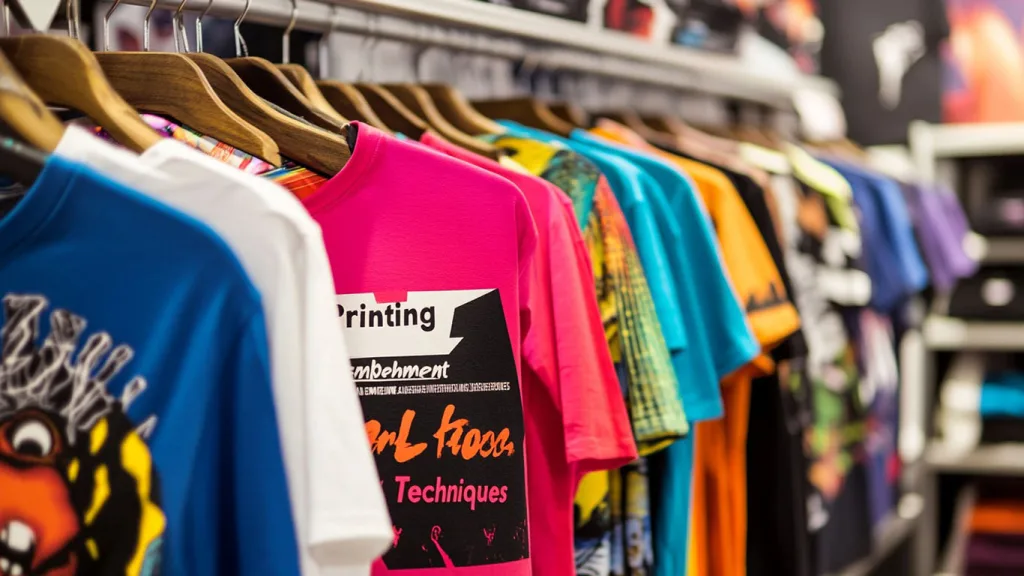
Whether it’s bold graphics or subtle branding, embellishments add personality. T shirt manufacturers offer:
- Screen printing – cost-effective for bulk orders
- DTG (Direct to Garment) – high-resolution prints
- Embroidery – for premium finishes
- Sublimation – ideal for all-over prints
Customization is where creativity explodes.
Dyeing and Color Treatments
Color choices impact perception. Some manufacturers offer fabric dyeing services to achieve unique shades or effects (like garment dyeing or acid wash). Eco-conscious operations now opt for low-water dyeing methods and biodegradable dyes to stay green.
Sewing and Stitching: The Core Process
Now, the T-shirt takes shape. Industrial sewing machines stitch panels together with attention to seams, hems, and reinforcements. Stitch types (flatlock, overlock, coverstitch) depend on the design and purpose of the shirt.
Quality Control in T Shirt Manufacturing
Every batch undergoes rigorous quality checks—evaluating stitching strength, print accuracy, size consistency, and colorfastness. Only when products pass inspection are they approved for shipment. This step safeguards brand reputation and customer satisfaction.
Customization Services for Clients
T shirt manufacturers provide extensive customization—from private labels to hang tags, woven labels, and even custom packaging. They also accommodate low-MOQ (minimum order quantity) clients looking for small runs of bespoke shirts.
OEM vs ODM in T Shirt Production
- OEM (Original Equipment Manufacturer): Client provides designs; manufacturer produces.
- ODM (Original Design Manufacturer): Manufacturer provides ready-made designs for clients to brand.
Both approaches offer different levels of creative control and cost efficiency.
Mass Production vs Small Batch
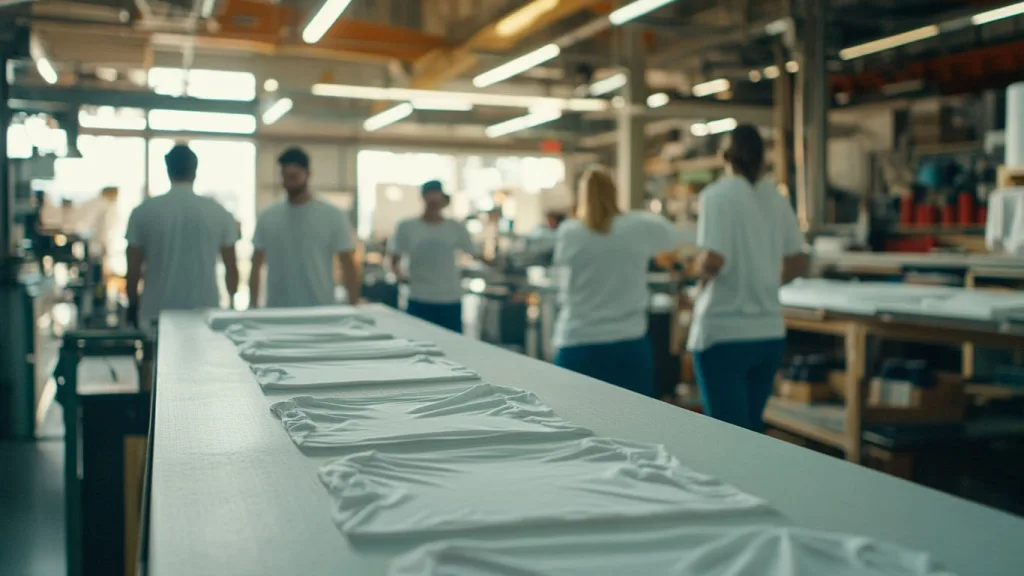
Large orders benefit from economies of scale, whereas small-batch production allows flexibility and experimentation. Many startups choose small batches initially to test the market before scaling up.
Packaging and Labeling
Packaging is more than protection—it’s branding. Manufacturers offer eco-friendly options, custom printed polybags, hang tags, and heat transfer labels. First impressions matter, after all.
Shipping and Logistics
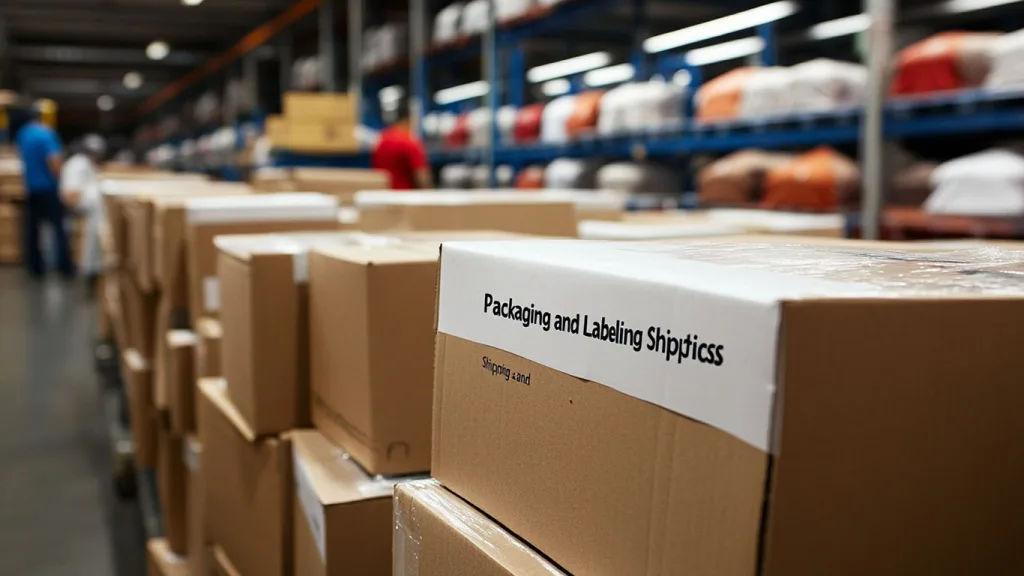
Manufacturers coordinate freight logistics, customs clearance, and last-mile delivery. Whether it’s a container for Walmart or 200 shirts for a Kickstarter project, delivery timelines are critical.
Sustainability in T Shirt Manufacturing
Today’s manufacturers are embracing green practices:
- Solar-powered factories
- Recycled packaging
- Wastewater treatment systems
- Certifications like GOTS and OEKO-TEX
Ethical Labor and Fair Trade Practices
Ethical sourcing isn’t just a buzzword. Reputable manufacturers ensure workers are paid fair wages, operate in safe environments, and avoid child labor. Transparency builds trust and loyalty.
Cost Estimation and Pricing
Several factors affect the final price of a T-shirt:
- Fabric cost
- Printing technique
- Order volume
- Labor charges
- Shipping fees
A detailed quote breaks down all these elements for clarity.
Communication and Coordination
Clear communication is key. Manufacturers often assign account managers to ensure smooth workflow and timely updates. Miscommunication can lead to costly errors, especially during custom projects.
Latest Technologies in T Shirt Manufacturing
Innovation is reshaping the game. T shirt manufacturers now use:
- AI for demand prediction
- CAD for faster design iteration
- Automated sewing machines
- 3D sampling to cut prototyping costs
Challenges Faced by T Shirt Manufacturers
Supply chain delays, raw material shortages, rising labor costs, and fluctuating demand all pose challenges. However, agile manufacturers find ways to adapt and pivot quickly.
Future Trends in T Shirt Manufacturing
- Smart Fabrics that regulate temperature
- On-Demand Printing for zero inventory
- Blockchain for supply chain transparency
- AI-driven Personalization for mass customization
The future? Fashion and function blend seamlessly.
FAQs
What’s the difference between a clothing brand and a T shirt manufacturer?
A clothing brand focuses on design and marketing, while a manufacturer handles the physical production of the shirts.
Can I create my own brand with a T shirt manufacturer?
Yes, many manufacturers offer private labeling and custom services for startups and small businesses.
How long does it take to manufacture T-shirts?
Lead time varies but typically ranges from 2–6 weeks depending on complexity and volume.
Is it possible to order eco-friendly T shirts?
Absolutely. Many manufacturers offer organic cotton, recycled fabrics, and sustainable production methods.
What’s the minimum order quantity (MOQ)?
This varies by manufacturer but usually starts around 50–100 pieces per design.
Can I get samples before placing a full order?
Yes, most manufacturers provide prototype samples for approval before mass production.
Conclusion
So, what does a T shirt manufacturer actually do? The answer spans far beyond fabric and thread. They are creative collaborators, technical experts, logistical coordinators, and sustainability advocates—all rolled into one. Whether you’re a budding entrepreneur or a fashion brand scaling operations, partnering with the right manufacturer is key to bringing your vision to life.
Clear Call-to-Action (CTA):
Ready to bring your T-shirt brand to life with expert support? Ninghow Apparel specializes in customized wholesale POLOs, T-shirts, hoodies, and shorts. Whether you’re launching a new line or upgrading your merch, we’ve got your back.
👉 Contact us today to discuss your vision and request a quote!
📩 Sign up for updates and insider tips on building your fashion brand.
📱 Follow Ninghow Apparel on social media for real-time insights and inspiration!