
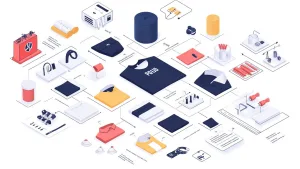
POLO shirts are timeless wardrobe staples that bridge the gap between casual and formal wear. But have you ever wondered how they go from simple yarns to the polished garments hanging neatly in stores? Buckle up — you’re about to embark on an exciting journey through the making of POLO shirts!

Understanding POLO Shirts
POLO shirts are a unique blend of comfort, durability, and style. Unlike regular T-shirts, their structured collar and button placket add a touch of elegance, making them versatile for sports, casual wear, and business casual settings. Their signature look demands precise manufacturing techniques that prioritize fabric choice, stitch quality, and fine details.
The Evolution of POLO Shirts
The POLO shirt’s roots trace back to the 1920s, designed by tennis players seeking breathable yet smart clothing. René Lacoste, a French tennis legend, revolutionized sportswear with the original cotton pique POLO shirt. Today, these shirts have crossed over from tennis courts to corporate offices, embodying both functionality and flair.
Materials Used in POLO Shirts
The primary materials for POLO shirts include:
- Cotton: Breathable, soft, and natural.
- Polyester: Offers durability and wrinkle resistance.
- Blends: Combining cotton and polyester for the best of both worlds.
Each material affects the final product’s feel, longevity, and pricing.
Choosing the Right Yarn for POLO Shirts
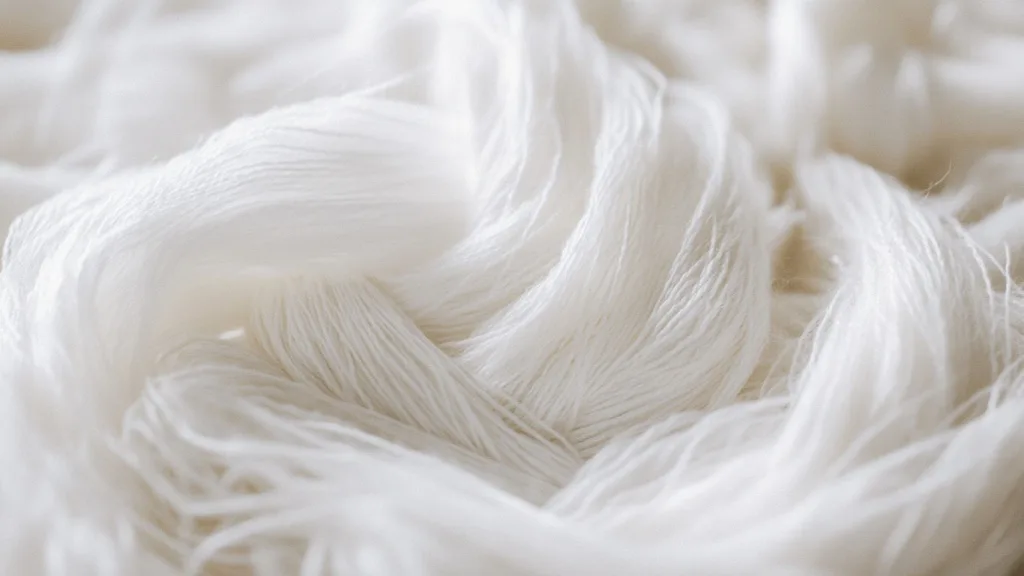
Selecting premium yarn is crucial. Finer, longer fibers create a smoother and stronger fabric, ensuring that the shirt maintains its shape after multiple washes. Combed cotton yarns are often preferred for luxury POLOs, offering a soft and silky texture.
Yarn Spinning Process Explained
Spinning transforms raw fibers into continuous strands of yarn. The two common methods are:
- Ring Spinning: Produces softer, stronger yarn.
- Open-End Spinning: Faster and cost-effective, but slightly coarser.
High-end POLO shirts typically favor ring-spun yarns for their superior quality.
Knitting the Fabric for POLO Shirts
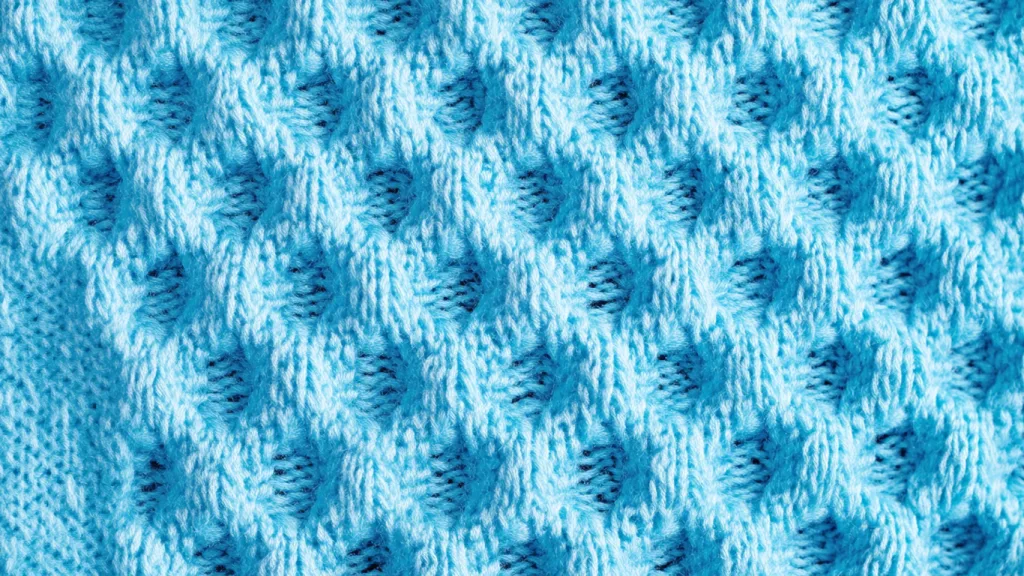
POLO shirts typically use pique knitting, characterized by its textured, waffle-like weave. This structure promotes breathability and adds visual depth. Jersey knit, though less common, creates a smoother finish ideal for certain sporty designs.
Dyeing the Fabric
Fabric dyeing is pivotal for vibrant and long-lasting colors. Techniques include:
- Piece Dyeing: Dyeing fabric rolls after knitting.
- Garment Dyeing: Dyeing the finished product for vintage appeal.
Advanced dyeing ensures colorfastness, preventing fading after repeated washes.
Cutting the Fabric Accurately
Once dyed, the fabric is spread and cut based on precise patterns. Laser cutting technology is increasingly popular, offering clean edges and minimizing waste. Even a millimeter off can impact how the POLO shirt fits!
Creating the Collar and Cuffs
Collars and cuffs are knit separately using rib knitting techniques, providing firmness and elasticity. These elements aren’t just aesthetic — they reinforce the shirt’s structure.
Stitching the POLO Shirt Together
Sewing the shirt requires skilled operators who join the front, back, sleeves, and plackets. Seam strength is vital; double-needle stitching is often employed for extra durability and a polished look.
Adding Buttons and Plackets
The classic two or three-button placket adds a customizable look to POLO shirts. Mother-of-pearl, plastic, or metal buttons can be used depending on the design’s sophistication.
POLO Shirt Branding and Logos
Nothing says premium quite like a perfectly embroidered logo! Brands often embroider their logos onto the left chest. Some opt for screen printing for larger designs, particularly for promotional or casual POLOs.
Pre-Shrinking and Washing
Before reaching you, most POLO shirts undergo pre-shrinking and washing processes to minimize post-purchase shrinkage. Enzyme washes can also soften the fabric for a more luxurious feel.
Final Quality Inspection
An eagle-eyed quality control team checks for:
- Stitch consistency
- Color uniformity
- Proper logo placement
- Overall garment measurement
No shirt passes without meeting strict standards!
Packaging the POLO Shirts

After passing inspections, shirts are folded, bagged, and boxed. Packaging varies by brand, ranging from eco-friendly wraps to branded gift boxes.
Sustainability in POLO Shirt Production
Modern manufacturers are adopting eco-conscious methods like organic cotton sourcing, water-saving dyeing, and recycling production waste. Sustainability isn’t just a buzzword — it’s becoming an industry standard!
Challenges in POLO Shirt Manufacturing
Manufacturing isn’t without its snags. Common challenges include yarn breakages, color inconsistency, shrinkage control, and maintaining mass production quality.
Modern Innovations in POLO Shirts
Today, moisture-wicking fabrics, anti-microbial finishes, and smart textiles (embedded with fitness sensors!) are entering POLO shirt designs. The future looks brighter and smarter.
POLO Shirts for Different Markets
Each market demands specific tweaks:
- Sports: Lightweight, breathable, performance-focused
- Corporate: Sleek designs, subtle branding
- Casual: Bold colors, relaxed fits
Understanding target demographics is key.
Customization Options for POLO Shirts
Brands now offer embroidery, sublimation prints, private labeling, and unique stitching styles. The possibilities are as endless as your imagination.
Bulk Production vs. Made-to-Order POLO Shirts
Bulk production offers economies of scale, making it ideal for retailers. Made-to-order caters to niche markets, offering exclusivity and personalization.
Cost Factors in POLO Shirt Production
Costs depend on:
- Fabric choice
- Manufacturing location
- Design complexity
- Order quantity
Balancing quality and price is essential for brand success.
Choosing the Right Manufacturer for POLO Shirts
Selecting the right manufacturing partner ensures timely delivery, consistent quality, and competitive pricing. Look for transparent communication, positive reviews, and sustainable practices.
Conclusion
Understanding how POLO shirts are made reveals the intricate artistry behind a seemingly simple garment. From choosing the yarn to the final quality check, every step requires expertise, precision, and passion. Next time you slip on a POLO, you’ll appreciate the craftsmanship stitched into every fiber.
FAQs about How POLO Shirts Are Made
What material is best for POLO shirts?
Cotton, particularly combed or Pima cotton, is ideal for its softness, breathability, and durability.
How long does it take to manufacture a POLO shirt?
From yarn spinning to packaging, it typically takes 2–4 weeks, depending on order size and complexity.
Why are POLO shirts pre-shrunk?
Pre-shrinking ensures the shirt maintains its size and fit after home laundering.
Are all POLO shirts made with pique fabric?
Not necessarily. While pique knit is traditional, some POLO shirts use jersey or interlock fabrics for different textures and purposes.
Can POLO shirts be made sustainably?
Absolutely! Many brands now use organic materials, low-impact dyes, and eco-friendly processes.
How can I customize POLO shirts for my brand?
Options include logo embroidery, color customization, fabric choices, and even custom labeling through specialized manufacturers.
Clear Call-to-Action (CTA)
Looking to create premium custom POLO shirts for your brand, team, or event?
Partner with Ninghow Apparel, your trusted polo shirt manufacturer! We specialize in customized wholesale services, offering high-quality POLO shirts, T-shirts, hoodies, and shorts. Whether you need bulk orders or personalized designs, Ninghow Apparel brings your vision to life with exceptional craftsmanship.
👉 Contact us today for a free consultation, explore our latest collections, or connect with us on social media to stay updated!