

Introduction
As custom apparel continues to rise in popularity, hoodies have become a staple for clothing brands, sports teams, and promotional campaigns alike. However, mass-producing hoodies at a consistent quality level can be a serious challenge—especially for startups and small brands navigating their first large orders.
In this guide, we’ll break down the key steps to ensuring hoodie quality during mass production. Whether you’re a clothing startup or an established brand looking to scale, you’ll learn the practical actions, checkpoints, and supplier collaboration tactics to maintain high standards from the first sample to the final delivery.
Choose the Right Fabric and Materials
Your hoodie’s quality starts with the raw materials. Fabric selection affects everything from feel and durability to shrinkage and print compatibility.

Key Fabric Considerations:
- Material type: Cotton, polyester, or blends each offer different benefits.
- Weight (GSM): Heavier GSM (grams per square meter) typically means a warmer, more premium hoodie.
- Fleece types: Options include brushed fleece (soft inner layer) or loopback (breathable alternative).
- Colorfastness: Ensure the fabric holds dye well and doesn’t bleed or fade.
Don’t Forget the Details:
- Ribbing material for cuffs and hems.
- Zippers (if using): choose YKK or other reliable brands.
- Drawcords, grommets, and lining for hoods.
Tip: Always request fabric swatches before confirming your order. At Ninghow Apparel, we offer pre-approved material samples for quick decision-making.
Develop a Precise Tech Pack
A comprehensive tech pack acts as the blueprint for your hoodie. It includes all the necessary details your manufacturer needs to replicate your design consistently at scale.
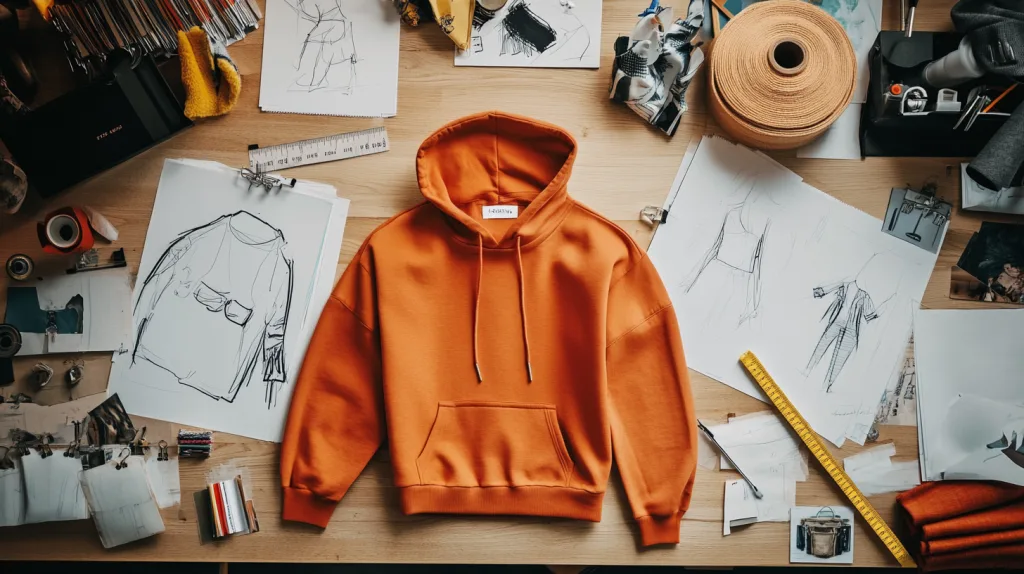
Essential Elements of a Tech Pack:
- Flat sketches: front, back, and inside views
- Size specs: measurements for each size (XS-XXL, etc.)
- Fabric and trims: material composition, color codes, and accessories
- Print/embroidery placement: with dimensions and Pantone colors
- Stitching details: type of seams, thread color, and finishes
The more detailed your tech pack, the less room there is for misinterpretation.
At Ninghow Apparel, we assist clients in developing or refining tech packs to ensure accurate bulk production.
Sample First, Always
Never proceed to bulk production without first reviewing and approving a physical sample.

Sample Stages:
- Proto Sample: First draft based on the tech pack.
- Fit Sample: Focuses on measurements and fitting accuracy.
- Pre-production Sample (PPS): The final approved version using actual materials and techniques.
Each round of sampling should be inspected thoroughly. Check fit, fabric quality, print placement, stitch consistency, and hardware performance.
Small brands benefit from Ninghow’s low minimum order quantity (MOQ) policy, which allows sample runs without large commitments.
Vet Your Manufacturer Thoroughly
A reliable manufacturer is key to quality hoodie production. Not all suppliers are created equal, so perform due diligence before committing.
What to Look For:
- Experience with hoodie production
- Factory certifications (ISO, WRAP, BSCI, etc.)
- In-house QC team
- Clear communication practices
- Willingness to provide production updates
Visit the factory if possible, or request detailed videos and process walkthroughs.
At Ninghow Apparel, we welcome factory tours and provide video audits for transparency.
Implement Quality Control Checkpoints
Mass production doesn’t mean compromising on consistency. Set up multiple quality control (QC) points throughout the production cycle.
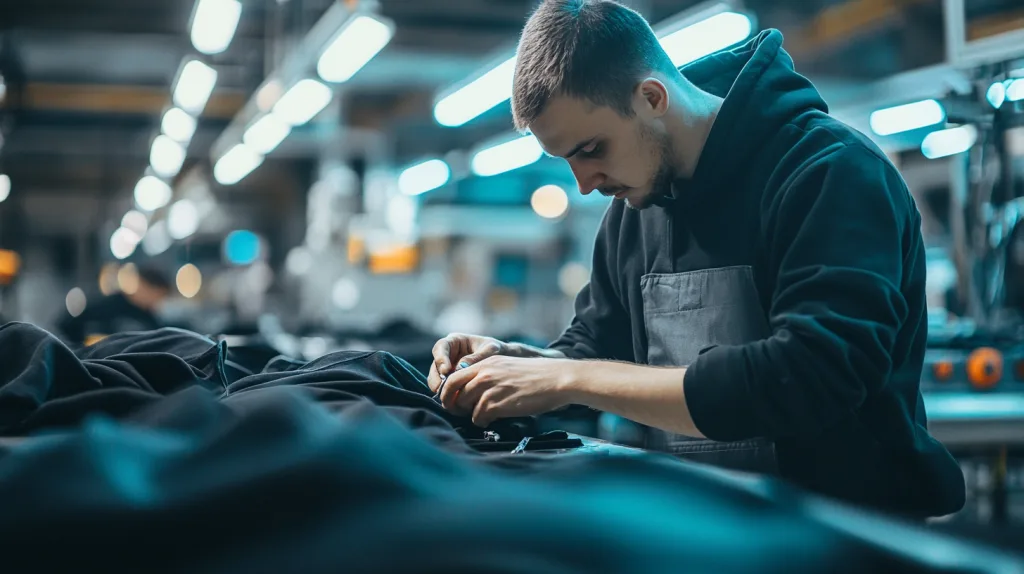
Recommended QC Stages:
- Fabric inspection before cutting
- Pre-assembly checks for trims and components
- In-line QC during sewing and finishing
- Final QC before packaging and shipping
Work with your supplier to create a quality checklist based on your tech pack. AQL (Acceptable Quality Limit) standards are useful for final inspections.
Consider Functional and Aesthetic Testing
Some aspects of hoodie quality aren’t visible but play a big role in customer satisfaction.
Testing Examples:
- Shrinkage test after washing
- Colorfastness in sunlight and detergent
- Pilling resistance after abrasion
- Zipper durability after repeated use
A good factory will perform these tests in-house or through third-party labs.
Maintain Open Communication with Your Supplier
Clear, timely communication can prevent quality issues before they start. Use visual references, feedback logs, and annotated images to guide corrections and improvements.
Tools to Use:
- Shared folders for sample photos and feedback
- Messaging apps with project threads
- Video calls for walkthroughs and updates
At Ninghow Apparel, we assign a dedicated account manager to every client to streamline communication throughout the production timeline.
Don’t Overlook Packaging and Shipping
Even perfectly made hoodies can be ruined by poor packing or transit damage.
Packaging Tips:
- Use polybags or eco-friendly options with adequate protection.
- Label cartons clearly with size and SKU breakdowns.
- Avoid overstuffing boxes to maintain garment shape.
Also, factor in shipping method: air freight is faster, but sea freight offers better cost efficiency for larger volumes.
Real-World Example: Startup Streetwear Brand
One of our clients, a US-based streetwear brand, launched their debut hoodie collection with us. Their priorities were heavyweight fleece, oversized fit, and bold screen prints.
Through 2 rounds of sampling, customized fabric sourcing, and weekly production updates, they successfully launched a high-quality, limited-edition drop with only 150 units—and sold out within days.
Ninghow Apparel supported them with flexible MOQ, fast turnaround, and detailed quality control that matched their premium positioning.
Conclusion
Mass production doesn’t have to mean mass headaches—if you plan properly, choose the right partners, and maintain strict quality checkpoints. From fabric to final packaging, each step plays a crucial role in delivering hoodies your customers will love.
By working with a hoodie manufacturer like Ninghow Apparel that supports small-batch flexibility, detailed sampling, and consistent QC, you can confidently scale your hoodie line without sacrificing quality.