
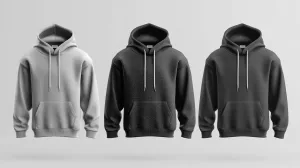
When it comes to designing and producing custom hoodies, choosing the right fabric is one of the most important decisions you’ll make. The fabric not only affects how the hoodie looks and feels, but also how it performs in different environments—whether you’re targeting athletes, fashion-conscious customers, or team merchandise for events.
In this comprehensive guide, we’ll walk you through the most popular fabric options for custom hoodies, including fleece, cotton, polyester, and innovative blends. We’ll also help you weigh the pros and cons of each to match your brand’s goals, customer needs, and budget.
Why Fabric Choice Matters for Custom Hoodies
Fabric affects everything from comfort and durability to printability and price. For clothing brands, sports teams, and corporate merch, choosing the right material sets the foundation for product satisfaction and long-term wearability.

Here’s what fabric choice influences:
- Comfort & softness
- Warmth & breathability
- Weight & fit
- Durability & shrinkage
- Cost-effectiveness
- Sustainability & branding perception
At Ninghow Apparel, we help brands make fabric selections that align with their audience and use-case, offering flexible MOQs and fast sampling to test options before committing to large production.
Common Fabric Types for Custom Hoodies
Let’s explore the leading fabrics and blends used in hoodie production today. Each comes with unique characteristics that may better suit different purposes.

1. Fleece (Brushed Cotton or Polyester)
Fleece is one of the most popular choices for hoodies due to its soft, cozy feel and excellent heat retention.
Types of Fleece:
- Cotton Fleece: Warm, breathable, and natural.
- Polyester Fleece: Lightweight, quick-drying, often used in performance wear.
- Cotton-Poly Fleece Blends: Combine comfort with durability and easier care.
Pros:
- Soft texture
- Great for colder seasons
- Retains warmth well
- Easy to decorate with screen printing or embroidery
Cons:
- Can be bulky depending on weight
- Polyester-heavy fleece may pill over time
Best For: Lifestyle brands, winter collections, campus hoodies, and company merch.
2. 100% Cotton
Cotton hoodies are breathable, hypoallergenic, and have a natural feel that appeals to many consumers.
Pros:
- Soft and skin-friendly
- Good breathability
- Easy to dye and print on
Cons:
- Shrinks if not pre-shrunk or properly treated
- Absorbs moisture (not quick-drying)
- May wrinkle more than synthetic options
Best For: Premium streetwear brands, fashion drops, eco-conscious labels.
3. Polyester
Polyester is a synthetic fabric known for its strength, moisture-wicking ability, and resistance to shrinking or stretching.
Pros:
- Durable and wrinkle-resistant
- Quick-drying
- Lightweight
- Retains shape well
Cons:
- Less breathable than cotton
- Can retain odors if not treated
Best For: Activewear, team uniforms, outdoor-focused brands.
4. Cotton-Polyester Blends
Blended fabrics are popular because they balance the best of both worlds: the comfort of cotton with the durability and performance of polyester.
Popular Ratios:
- 50/50 blend: Balanced durability and comfort
- 80/20 cotton-poly: Softer and more natural feel
- 65/35 polyester-cotton: More durable, slightly smoother texture
Pros:
- Reduced shrinkage
- Balanced performance and comfort
- Cost-effective
Cons:
- Slightly less breathable than pure cotton
- Not always sustainable
Best For: General use hoodies, promotional items, school apparel.
5. French Terry
French Terry is a knit fabric with soft loops on the inside and a smooth outer surface. It’s a lighter alternative to fleece.
Pros:
- Lightweight and breathable
- Suitable for layering
- Smooth, stylish appearance
Cons:
- Less warmth than fleece
- May not appeal to cold-weather audiences
Best For: Spring collections, gym wear, and fashion-forward labels.
6. Recycled and Sustainable Fabrics
More and more brands are opting for recycled polyester, organic cotton, or bamboo blends to align with sustainability goals.
Pros:
- Environmentally friendly
- Appeals to eco-conscious consumers
- High brand value perception
Cons:
- May be more expensive
- Limited color or texture availability in some regions
Best For: Sustainable brands, eco-conscious collections, crowdfunding campaigns.
Choosing the Right Fabric Based on Your Brand’s Goals
Every brand has a unique identity and customer base. Here’s how to align fabric choice with your hoodie goals:
For Warmth & Comfort
- Go with fleece or cotton fleece
- Use heavier GSM (grams per square meter) fabrics for a more insulated feel
For Activewear or Outdoor Use
- Polyester or performance blends are ideal
- Moisture-wicking and quick-dry features matter
For Premium Fashion
- 100% cotton, French terry, or sustainable blends offer a luxe experience
- Custom dyeing, washed finishes, and embroidery can enhance perceived value
For Budget-Friendly Merchandise
- Cotton-poly blends provide balance without breaking the bank
- They’re also durable for frequent wear and washing
Ninghow Apparel’s Fabric Options for Custom Hoodies
At Ninghow Apparel, we understand the impact fabric has on your hoodie’s success. That’s why we offer a wide range of hoodie fabric options and flexible customization services:
- Fleece Options: 280gsm–380gsm in cotton, poly, or blended
- Cotton Varieties: Combed cotton, ringspun, pre-shrunk
- Performance Fabrics: Recycled polyester, quick-dry, moisture-wicking
- Custom Finishes: Garment-dye, enzyme wash, anti-pilling treatment
- Sustainable Choices: GOTS-certified organic cotton, RPET blends
You can request fabric swatches, color matching, and detailed composition testing before starting production.
Case Study: How a Streetwear Startup Picked the Perfect Hoodie Fabric
A new urban streetwear brand came to Ninghow Apparel with a bold vision: launch their first drop with premium-feeling hoodies that stand out in both comfort and aesthetics. After sampling three fabrics (cotton fleece, French terry, and an 80/20 blend), they chose a 320gsm brushed cotton fleece with a garment-dyed finish. The result? A soft, substantial hoodie that received rave reviews and completely sold out in their first drop.
Final Thoughts: Pick Fabric With Purpose
Fabric selection for custom hoodies isn’t just about texture—it’s about aligning your product with your brand identity, target customer, and performance expectations. From cozy fleece to eco-friendly blends, each fabric offers something unique.
By working with an experienced hoodie manufacturer like Ninghow Apparel, you’ll gain access to expert advice, curated fabric options, and low MOQs that make experimentation affordable. Whether you’re launching a collection or creating branded apparel, the right fabric lays the foundation for success.