

Introduction: How to Negotiate Unit Price Without Compromising Quality
Negotiating clothing prices, identifying the target price, and understanding manufacturing cost breakdowns are essential for every apparel brand aiming to maximize value without losing quality. The trick isn’t just to push for the lowest figure—it’s about finding a win-win balance where both buyers and factories profit from smarter choices in materials, processes, and quantity. This article will show you step-by-step how to negotiate unit price without compromising quality by optimizing processes, adjusting material choices, and creating healthy factory relationships. Whether you’re sourcing T-shirts from a dedicated supplier or launching your own line, let’s dive into actionable tactics.
Understanding the Fundamentals of Unit Price Negotiation

Unit price negotiation isn’t merely about asking for a discount. Instead, it’s an in-depth process that reveals the fabric of cost structures—literally. Every decision, from stitching style to packaging, can influence your final price. Two main pillars underpin successful negotiation: knowledge of manufacturing cost breakdown and clarity on acceptable quality standards.
What Is a Unit Price?
Unit price means the cost for one finished product, typically including fabric, trims, labor, overhead, and margin. In clothing negotiations, it’s crucial to know exactly what’s included—otherwise hidden charges or inferior quality may creep in.
Why Transparency Is Key
Transparent pricing builds trust. Factories appreciate buyers who understand their cost challenges, especially when making constructive suggestions. Brands committed to long-term partnerships find suppliers more open to deeper discussions about manufacturing cost breakdown.
Breaking Down the Manufacturing Cost
To negotiate effectively, start with a clear manufacturing cost breakdown. Typical categories include:
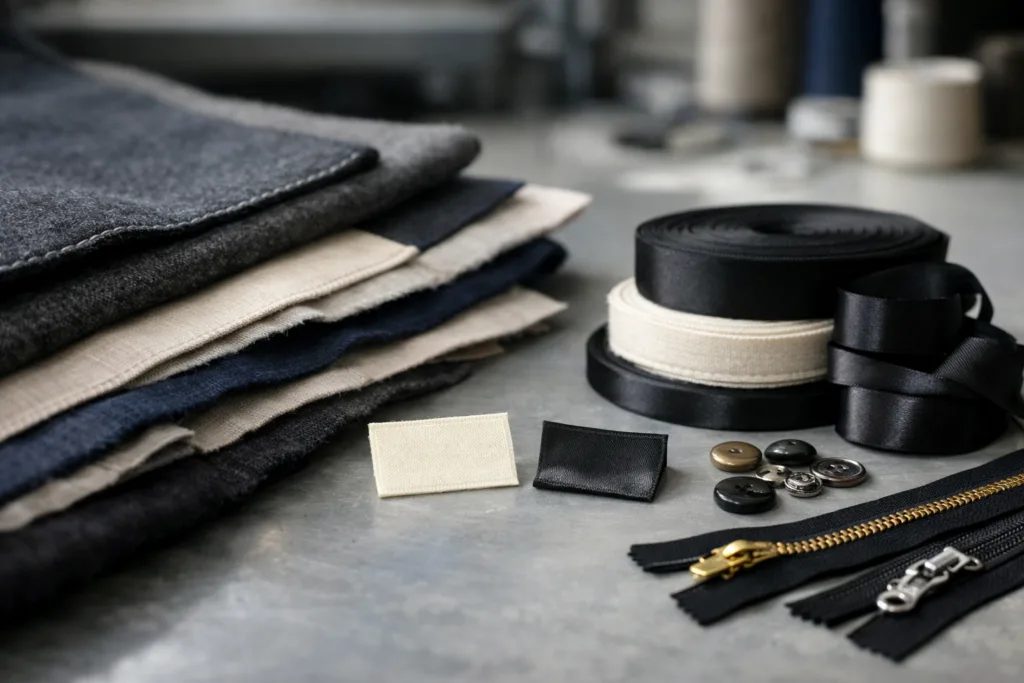
- Fabric: The single largest component (up to 60% of cost). Fabric choice, consumption per garment, and wastage impact price.
- Trims & Accessories: Zippers, buttons, labels, swing tags.
- Labor: Sewing, cutting, finishing rates.
- Overhead: Factory maintenance, admin, electricity.
- Margin: Factory’s profit buffer.
Many brands forget small items (like care labels or polybags) that add up. To avoid surprises, reference this guide to fabric clothing manufacturing when sourcing.
Double Win Strategies: Negotiating Beyond Price
Instead of just squeezing suppliers, smart negotiators look for process improvements that lower costs while maintaining quality. Here are effective strategies:
Optimizing Design for Production
Simplifying construction details (like reducing seam types or avoiding extra pockets) can drop labor costs without affecting fit or durability. Review your tech packs before finalizing orders.
Material Substitution for Better Margins
Sometimes a switch from branded to generic trims—or consolidating fabrics across styles—provides substantial savings. The key is to ensure substitutes meet quality specs. Explore how fabric consolidation can help with multi-style fabric sourcing.
Batch Size and Tiered Pricing
Larger order batches usually come with better prices. Factories can plan more efficiently, spread setup costs, and offer tiered pricing. Investigate potential cost breaks by quantity using this cost breakdown guide.
Factory Quality Control and Lead Time Balancing
Negotiating for a lower unit price should not mean sacrificing hands-on quality checks or reasonable timelines. Some brands, including Ninghow Apparel, maintain consistent quality by allocating extra QC staff and investing in robust process checks—even with competitive pricing. Always ask how the factory handles quality control during price negotiation.
Creating Constructive Cost Breakdowns with Suppliers
Invite your factory to share their manufacturing cost breakdown openly. Instead of adversarial bargaining, promote a collaborative discussion: “Is there anywhere we can optimize together?” Ask for itemized quotes and clarify if each item meets your minimum acceptable standards.
Using Sourcing Checklists and Audit Tools
Bring critical questions: What is the average wastage rate? Are alternative fabrics available? Is labor priced per minute or per piece? If possible, conduct a pre-production audit—many guides, such as this checklist for factory audits, will help step-by-step.
Negotiation Tactics That Protect Quality Standards
Here are negotiation techniques that support quality, not erode it:
- Clarified Specifications: Be precise in your tech pack. Specify quality standards (fabric gsm, colorfastness, seam strength) and confirm factories can comply.
- Sample Verification: Use samples to ensure the real product matches specs before bulk production. Ninghow Apparel always recommends buyers stress-test samples under actual wear conditions.
- Staged Payments: Offer milestone-linked payments (deposit, production, QC, balance) to incentivize consistent quality.
Win-Win Communication: Bridging Buyer and Factory Expectations
Negotiation is less about “beating” the seller than aligning goals. Share your target price but explain your volume plans, reorder potential, and long-term collaboration ideas. Factories—especially those with open-door policies—prefer honest, detailed communication.
Cost Reduction Without Downgrading
If your target price is too low, discuss ways to tweak the spec. For example, adjust packaging options, tweak accessory choices, or slightly reduce fabric weight if it doesn’t compromise fit or wearer comfort.
How to Negotiate Unit Price Without Compromising Quality
This process can be structured in practical steps:
- Start with Accurate Tech Packs: Clear documentation prevents ambiguity. Always include detailed specs.
- Request Manufacturing Cost Breakdown: Ask for itemized costs—fabric, labor, trims, overhead, profit.
- Set Quality Benchmarks: Define critical QC checks, certifications, test methods.
- Suggest Process Optimizations: Investigate leaner production methods (e.g., batch cutting, seam simplification).
- Explore Material Savings: Substitute, consolidate, or source alternative fabrics/trims.
- Leverage Order Quantity: Negotiate tiered pricing based on realistic batch sizes.
- Track Quality During Production: Monitor factory QC, actively review samples, and stay involved.
Case Study: Real-World Negotiation with Ninghow Apparel
A mid-size brand wanted to reduce unit price for a hoodie. Instead of cutting quality, the buyer and Ninghow Apparel’s production team:
- Agreed to use stock fabric, lowering material cost by 12%
- Simplified the design, reducing labor by taking out unnecessary panels
- Retained key performance details (rib, cuffs, kangaroo pocket) for consistent perceived quality
- Negotiated bulk packaging that saved 3% per unit — but preserved garment safety
The result: lower invoice price, maintained brand reputation, and repeat orders thanks to quality consistency.
Common Pitfalls in Price Negotiation: How to Avoid Them
- Over-negotiating: Pushing too hard can trigger quality downgrades or hidden short-cuts. Always balance.
- Ignoring Manufacturing Constraints: Factories can’t always absorb cost hits—ask what’s realistic.
- Missing Details in Cost Breakdown: Double-check trims, labeling, and packaging lines.
- Poor Communication: Misunderstandings in spec or expectations cause costly mistakes.
Comparison Table: Price Negotiation Methods
| Negotiation Tactic | Impact on Price | Impact on Quality | Win-Win Potential |
|---|---|---|---|
| Pure Price Pressure | High | Often Negative | Low |
| Process Optimization | Moderate-High | Neutral/Positive | High |
| Material Substitution | Variable | Depends on Spec | Medium-High |
| Tiered Pricing/Batch Sizing | High | Neutral | High |
Key Metrics for Evaluating Negotiated Prices
- Final Fabric Cost per Unit
- Trims Cost per Garment
- Labor Cost (if available)
- Overhead Allocation
- QC Pass Rate
- Lead Time Reliability
Brands should document negotiated metrics for future reference; these are vital when comparing factories or setting benchmarks. Tracking QC pass rates also ensures savings aren’t eating away at quality.
Integrating Quality Assurance in Price Negotiation
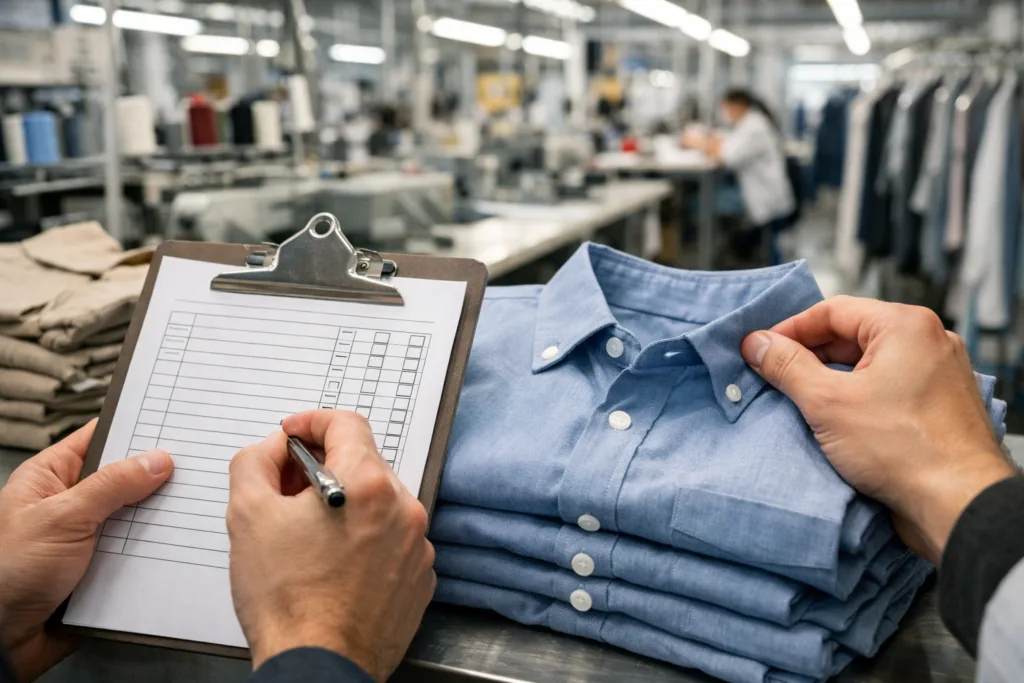
Protect quality by incorporating clear QC steps into your price negotiation. Some brands request factory QC logs, require third-party inspections, or even perform random audits. Use clearly defined “acceptance criteria” for each product stage.
Leveraging Supplier Relationships for Sustainable Pricing
Sustainable pricing comes from respectful relationships. Long-term partnerships deliver more transparency and willingness to optimize. If factories see your commitment, they’re more likely to share tips for affordable production without downgrading quality.
Tech Pack Accuracy: Your Negotiation Foundation
The most overlooked negotiation asset? An accurate, complete tech pack. It clarifies every detail, eliminates misunderstanding, and prevents loss of quality when negotiating for lower prices. Include measurements, material, finishing, trims, and packaging instructions.
Trade-Offs: What Can and Cannot Be Negotiated
Know which aspects are flexible versus non-negotiable. For example, reducing fabric gsm may save cost, but too much compromise leads to garment failure. Function-critical trims or stitching must remain high-quality; others can be swapped for cost-effective variants. Factories like Ninghow Apparel use strict fit tests and material inspections to keep core specs stable during negotiation.
Global Sourcing: Regional Price and Quality Variations
Unit price negotiation varies by region. Chinese factories often offer deep breakdowns, while Southeast Asia excels in volume pricing. European manufacturers may focus more on quality assurance and certifications. Always contextualize price discussions with global norms.
Lead Time and Price: Finding the Right Balance
Price isn’t the only factor—lead time matters. Rushed orders may cost more due to overtime labor or expedited shipping, sometimes risking quality. Consider negotiating flexible timelines for better prices and less production pressure.
Tools and Resources for Smart Negotiation
- Quality Control Services
- Production timeline trackers
- Itemized cost calculators
- Sourcing audit checklists
Conclusion: Win-Win Price Negotiation for Brand Growth
Negotiating unit price without sacrificing quality is an art and a science. Start with detailed tech packs, demand transparent manufacturing cost breakdowns, and look for cost savings through design and process optimization—not just price cutting. By fostering respectful, long-term supplier relationships and staying vigilant on quality, brands can grow while maintaining their reputation for trust and consistency. Maintain a balance: always verify cost reductions against core garment standards, and leverage efficient communication to avoid pitfalls. The result? Lower costs, no compromise, and partnerships that last.
Frequently Asked Questions
How do I request a manufacturing cost breakdown?
Ask your supplier for an itemized quote—fabric, trims, labor, overhead, and profit. Request clarity on each item and confirm if all comply with your required standards.
Can changing materials lower unit price without affecting quality?
Yes, if you substitute materials that match or exceed your critical specs. Always sample and test before bulk production to ensure performance.
What is the best way to protect quality during negotiation?
Specify detailed quality benchmarks in your tech pack, verify samples, and structure payment milestones to reward consistent QC throughout production.
Should I only focus on price when negotiating?
No. Focusing solely on price often leads to quality issues. Instead, optimize design, materials, batch sizing, and quality control for win-win outcomes.
How can I avoid hidden costs in garment production?
Double-check quotes for all components, including labels, packaging, and logistics. Review itemized breakdowns and confirm what’s included before ordering.
What if my target price is below the factory’s quote?
Discuss alternative materials, adjust order quantity, or optimize construction. Ask your supplier for suggestions on trimming costs without cutting into quality.