

In today’s competitive fashion and apparel landscape, choosing the right country for manufacturing custom T-shirts can significantly impact your brand’s quality, pricing, and supply chain flexibility. For startups, emerging brands, and even established labels, this decision is more than just about cost — it’s about partnerships, speed, ethics, and long-term growth.
In this article, we’ll explore three of the most prominent T-shirt manufacturing countries — China, Bangladesh, and India — and compare their strengths, limitations, and unique offerings. Whether you’re sourcing blank tees for screen printing, developing your own cut-and-sew styles, or launching a full-fledged streetwear label, this guide will help you navigate the key considerations for choosing the right manufacturing partner.
Overview of Global T-Shirt Manufacturing
The global T-shirt market has exploded in recent years, driven by e-commerce, personalization, and the rise of independent fashion brands. With demand comes competition — and that means manufacturers across Asia have become increasingly sophisticated, offering everything from fabric sourcing and printing to small-batch production and private labeling.
While countries like Vietnam, Pakistan, and Turkey also play roles, China, Bangladesh, and India remain top contenders in terms of scale, infrastructure, and product variety.
Let’s break down what each has to offer.
China: Manufacturing Powerhouse with Tech and Scale

Strengths:
- Highly developed infrastructure: China’s factory ecosystems are vast, interconnected, and fast.
- Full-service capabilities: From yarn sourcing to custom packaging, you can handle everything under one roof.
- Advanced technology: Especially in sublimation printing, DTG, automation, and eco-friendly fabric innovation.
- Fast sampling and flexible MOQs: Many modern Chinese factories have adapted to support small to mid-sized brands.
Considerations:
- Higher labor costs than Bangladesh or India, though still competitive compared to Western countries.
- Communication can vary; working with experienced English-speaking liaisons or sourcing agents helps.
- Perception of quality is mixed, but top-tier Chinese manufacturers produce for global luxury and sportswear brands.
Ideal For:
- Brands looking for speed, tech-driven customizations, and scalable growth.
- Startups that need fast prototyping and custom private label development.
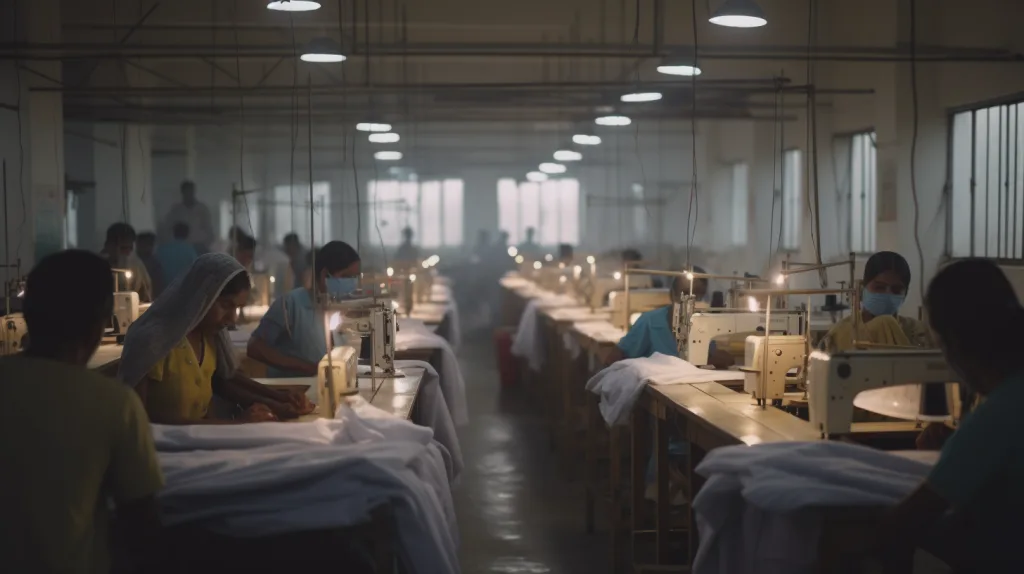
Bangladesh: Budget-Friendly and Volume-Focused
Strengths:
- Very low production costs, especially on bulk orders.
- Strong knitwear specialization, including basic tees, polo shirts, and sweatshirts.
- Large export infrastructure tailored to European and North American markets.
Considerations:
- Higher MOQs: Factories often prefer larger volumes to maintain efficiency.
- Longer lead times due to limited flexibility and dependency on larger buyers.
- Less specialization in fashion-forward or tech-heavy processes like DTG or seamless printing.
Ideal For:
- Wholesalers or brands seeking basic T-shirt manufacturing at low cost.
- Companies with steady, predictable order cycles and bulk needs.
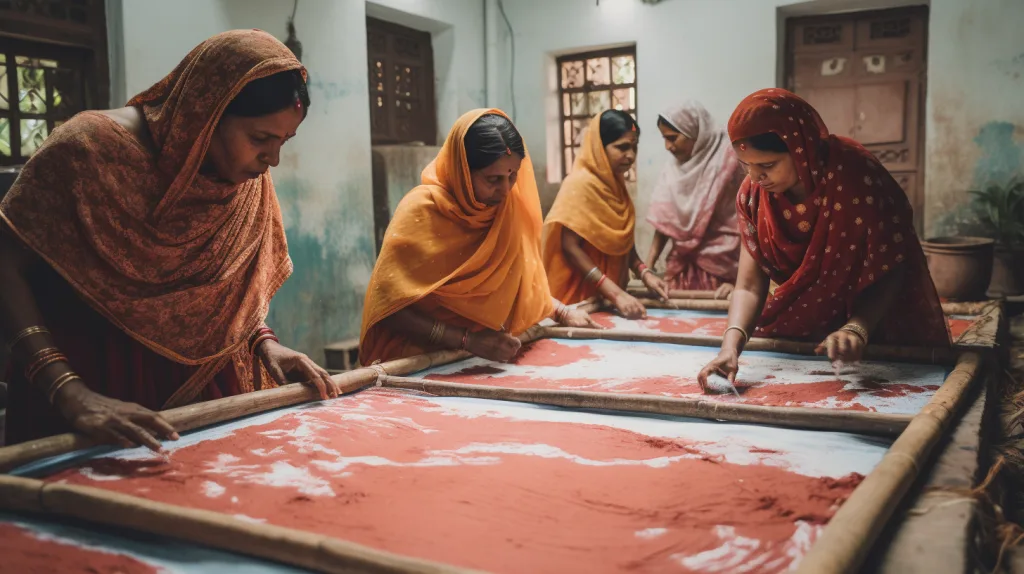
India: A Balance Between Cost and Craftsmanship
Strengths:
- Wide range of cotton and organic fabrics, including sustainable sourcing.
- Strong textile heritage and craftsmanship, especially in dyeing, embroidery, and prints.
- Competitive labor pricing with growing investments in factory upgrades.
- Better communication and cultural compatibility for many English-speaking clients.
Considerations:
- Inconsistent timelines and QC in smaller factories — careful vetting is crucial.
- Technology adoption is improving, but still trails China in certain areas like automation.
Ideal For:
- Brands seeking ethical, eco-friendly T-shirt production.
- Companies that value custom artisanal detailing, natural dyes, and soft-hand fabrics.
Key Decision Factors to Weigh
1. MOQ (Minimum Order Quantity)
- China: Flexible — even as low as 100 pcs for some factories
- Bangladesh: Higher MOQs, often 1000+ pcs
- India: Mid-range, typically 300–500 pcs
2. Turnaround Time
- China: Fast — 2–4 weeks for sampling, 30–45 days for production
- Bangladesh: Moderate to slow — can take 60–90 days for full production
- India: Variable — usually 30–60 days depending on region and complexity
3. Fabric & Material Options
- China: Extensive — from organic cotton to bamboo, poly blends, and technical knits
- Bangladesh: Mostly basic cotton and poly blends
- India: Strong in cotton, organic, and artisanal fabrics
4. Customization and Innovation
- China: Excellent for tech-heavy or performance T-shirts
- Bangladesh: Limited innovation, focused on basic models
- India: Good for screen printing, embroidery, and handmade details
5. Sustainability & Ethics
- China: Mixed — top factories are advanced, but varies widely
- Bangladesh: Improving, but still struggles with compliance consistency
- India: Strong focus on organic, GOTS-certified, and ethical production practices
Final Verdict: Which Country is Right for You?
There’s no one-size-fits-all answer. The best T-shirt manufacturing country depends on your brand’s priorities:
- Choose China if you want speed, innovation, and scalability, especially with tight launch timelines.
- Choose Bangladesh if your focus is cost-effective, high-volume basics with simple styles.
- Choose India if you prioritize sustainability, flexibility, and artisan-level detailing.
At Ninghow Apparel, we work closely with partners in all three countries to offer custom T-shirt manufacturers tailored to your business goals. Whether you’re starting with a small MOQ or scaling to large orders, we provide fast sampling, personalized support, and high-quality results that bring your brand to life.