

Shorts manufacturers are the unsung heroes behind your favorite pair of summer wear or activewear staples. So, what does a shorts manufacturer actually do? Much more than just stitching fabric, a shorts manufacturer is deeply involved in every stage of the apparel lifecycle—from design to final delivery. They manage complex logistics, meet fashion trends, ensure quality, and enable both startups and established clothing brands to bring their designs to life.
Manufacturers serve as strategic partners to brands. Whether producing casual denim shorts, sportswear, or tailored formal options, their job includes sourcing raw materials, developing patterns, creating samples, performing quality checks, and mass-producing garments. Each step is carried out with precision and responsibility to match specifications, delivery deadlines, and branding needs.
The process isn’t just technical—it’s deeply creative. Let’s take a closer look at the comprehensive roles shorts manufacturers play and the immense value they provide to the fashion and apparel industry.
The Role of a Shorts Manufacturer in Fashion Supply Chains
Shorts manufacturers act as crucial links in the fashion supply chain. Their involvement begins once a brand finalizes its designs. While designers come up with the concept, manufacturers handle the practical aspects—converting vision into wearable, salable products.
In this role, they ensure raw material availability, machine readiness, skilled labor, and regulatory compliance. They are responsible for delivering the garments on time and within budget, ensuring brands maintain their reputation and meet market demand efficiently.
From Concept to Creation: The Design Phase
Manufacturing shorts begins in the design studio, where concepts are first born. However, the manufacturer often contributes critical input during this phase. They suggest alterations for better cost-efficiency, fabric compatibility, or improved stitching techniques.
Designs are converted into tech packs—comprehensive files including measurements, stitch details, trims, and color codes. These guides are crucial for accurate production. Manufacturers analyze them to ensure feasibility, providing feedback and adjusting patterns when needed.
Understanding Fabric Sourcing for Shorts Production
Fabric is the soul of every garment. Shorts manufacturers either maintain in-house fabric inventory or work with reliable textile suppliers. They source various fabrics such as cotton, polyester, nylon, spandex, and denim based on the type of shorts being produced.
They evaluate fabric quality, stretch, dye resistance, and shrinkage to ensure the final product meets industry standards. Eco-conscious manufacturers may also offer sustainable alternatives like organic cotton or recycled polyester.
Pattern Making: The Technical Backbone
Pattern making is an art and science. Manufacturers employ technical designers to convert fashion sketches into precise paper or digital patterns. These patterns guide cutting machines and ensure every piece aligns with the desired fit and silhouette.
A slight miscalculation here can result in defective batches. Hence, skilled pattern makers use software like Gerber or Lectra to enhance accuracy.
Prototyping: Turning Ideas into Samples
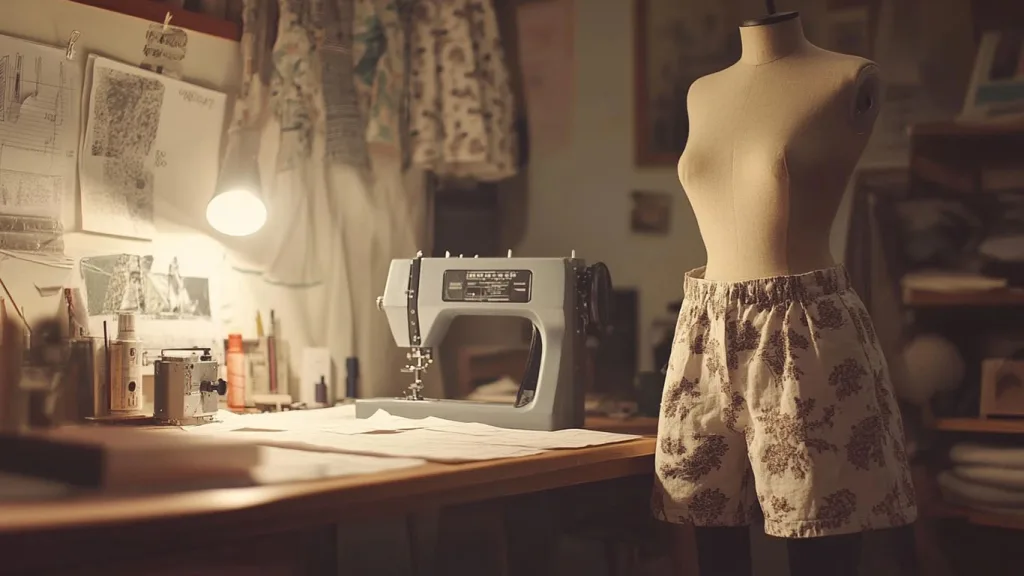
Before mass production, manufacturers create samples or prototypes. These samples act as test garments for fit, functionality, and finish. Brands review them and request changes if necessary.
This phase allows for final checks and adjustments to sizing, fabric, or construction details before committing to large volumes. The prototyping process builds trust and aligns brand expectations with the manufacturer’s output.
Bulk Production: Manufacturing at Scale
Once the sample is approved, full-scale production begins. This includes fabric cutting, sewing, finishing, and packing. Shorts manufacturers operate large factory floors with assembly lines to maximize efficiency.
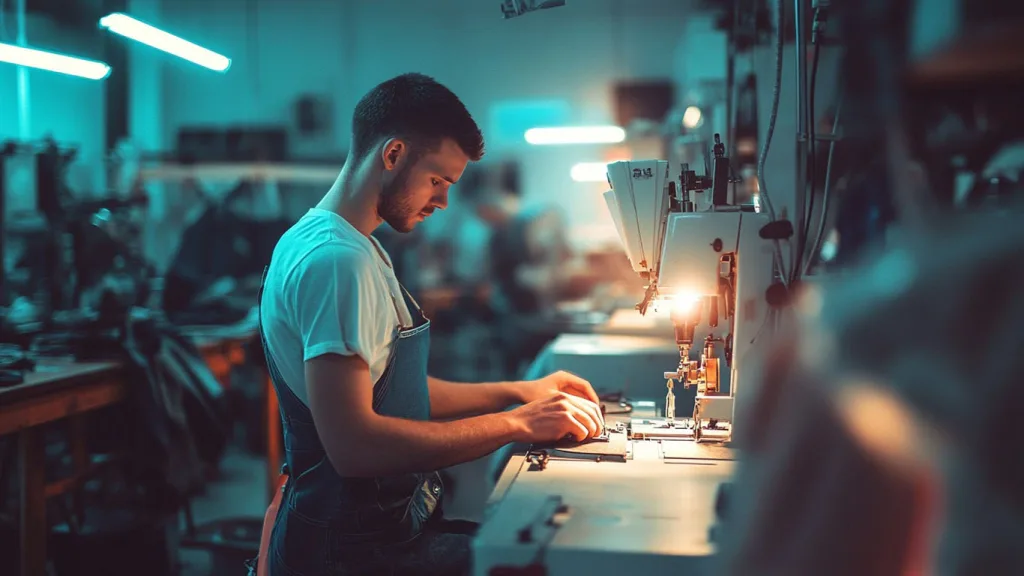
Specialized machines are used for various functions—bar-tacking for durability, overlock stitching for neat edges, and heat transfer printing for logos. Supervisors monitor every station to maintain workflow and minimize errors.
Quality Control in Shorts Manufacturing
Quality control is non-negotiable. Manufacturers conduct rigorous checks at every stage—before cutting, during sewing, and after finishing. They verify stitching strength, sizing, fabric flaws, color fastness, and overall aesthetics.
Some brands even hire third-party auditors to ensure independent assessments. This step reduces return rates and reinforces consumer confidence.
Customization and Branding Services
To help brands stand out, shorts manufacturers offer customization like embroidery, screen printing, sublimation, woven labels, and packaging design. Whether it’s adding a logo or offering multiple color variants, these services create a unique market identity.
Private label services are especially popular among boutique brands and dropshipping entrepreneurs.
Types of Shorts a Manufacturer Can Produce
A competent shorts manufacturer can produce a wide array of styles:
- Denim Shorts
- Chino Shorts
- Board Shorts
- Running Shorts
- Bermuda Shorts
- Cargo Shorts
- Compression Shorts
Each type involves different fabrics, stitching methods, and finishing techniques. This blog introduces common styles of shorts.

Technology Used in Shorts Manufacturing
Modern shorts manufacturers leverage digital innovations. CAD (Computer-Aided Design), laser cutting, automatic sewing machines, and AI-driven quality control systems are revolutionizing efficiency and accuracy in garment production.
Factories using Industry 4.0 tools often produce higher-quality garments in shorter timelines with less waste.
Sustainable Practices in Shorts Production
With increasing awareness, many manufacturers now focus on sustainable practices. They recycle water, use organic fabrics, minimize chemical dyes, and implement ethical labor policies.
Brands with green values often seek manufacturers certified by GOTS (Global Organic Textile Standard) or OEKO-TEX.
Common Challenges Faced by Shorts Manufacturers
Despite their expertise, manufacturers face challenges such as:
- Fluctuating raw material costs
- Delays in supply chains
- Labor shortages
- Unpredictable fashion trends
These factors require agility and constant adaptation.
How Shorts Manufacturers Work with Clothing Brands
Whether through OEM (Original Equipment Manufacturer) or ODM (Original Design Manufacturer) models, shorts manufacturers work closely with brands. OEM involves producing based on brand designs, while ODM offers pre-designed options brands can relabel.
This collaboration often involves NDAs, production schedules, and long-term partnerships.
Outsourcing vs. In-House Shorts Manufacturing
Brands can either set up in-house production or outsource to third-party manufacturers. Outsourcing reduces operational costs and provides access to expertise but may compromise control.
In contrast, in-house production ensures brand consistency but requires heavy investment and infrastructure.
Lead Times and Turnaround Expectations
Standard production lead times range from 4 to 8 weeks, depending on complexity and order volume. Manufacturers share production calendars and timelines with brands to manage expectations and ensure timely delivery.
Cost Structures in Shorts Manufacturing
Costs are influenced by:
- Fabric quality
- Labor rates
- Order size
- Design complexity
- Shipping requirements
Manufacturers provide itemized quotes, allowing brands to plan their budgets wisely.
Regulations and Compliance in Clothing Production
Shorts manufacturers must follow legal norms like fair labor practices, wage laws, fire safety, and environmental guidelines. Non-compliance can damage both manufacturer and brand reputations.
Certifications like BSCI and WRAP offer credibility.
The Importance of Skilled Labor in Apparel Manufacturing
Behind every well-crafted pair of shorts are tailors, quality inspectors, and machine operators. Their skills determine the fit, comfort, and durability of the final product. Manufacturers invest in regular training to upskill their teams.
Shorts Manufacturing for Startups vs. Established Brands
Startups require flexible MOQs (Minimum Order Quantities), design guidance, and fast turnarounds. Established brands, on the other hand, expect consistency, scale, and detailed reporting.
Manufacturers adapt their services accordingly.
Case Study: A Day in the Life of a Shorts Manufacturer
From sunrise to sunset, a typical manufacturer manages logistics, inspects machines, oversees production lines, meets buyers, and ensures every stitch is aligned with client expectations. It’s a delicate dance of creativity and precision.
The Global Impact of Shorts Manufacturers
Shorts manufacturers support millions of jobs and contribute heavily to global exports. Countries like China, Bangladesh, and Vietnam are major hubs due to their skilled labor and cost advantages.
Shorts Manufacturer vs. Shorts Supplier: What’s the Difference?
A manufacturer produces the garment, while a supplier sources and resells it. Brands looking for control and customization should go with manufacturers, whereas suppliers offer ready-made options with faster delivery.
How to Choose the Right Shorts Manufacturer for Your Brand
Look for:
- Experience in similar styles
- Transparent communication
- MOQs and pricing that suit your scale
- Ethical and environmental compliance
- Reviews and samples
Always start with a sample order to test reliability.
Future Trends in Shorts Manufacturing
Expect more:
- Smart fabrics (moisture-wicking, temperature-regulating)
- 3D design integration
- On-demand manufacturing
- Sustainable production methods
Adaptability will be the new normal.
FAQs
What’s the minimum order quantity for shorts manufacturers?
Most manufacturers require a minimum of 100–500 pieces, but it varies based on style and customization.
How long does it take to manufacture shorts?
On average, it takes 4 to 8 weeks from sample approval to delivery.
Can a manufacturer help with designs?
Yes, especially ODM manufacturers who offer design services as part of the package.
Do manufacturers provide custom branding?
Absolutely! Services include logo printing, labeling, embroidery, and packaging design.
Are overseas manufacturers reliable?
Many are highly professional, but always vet their credentials, visit if possible, and ask for samples.
What certifications should I look for in a shorts manufacturer?
BSCI, WRAP, OEKO-TEX, and GOTS indicate quality, ethics, and sustainability.
Conclusion
Understanding what a shorts manufacturer actually does sheds light on the intricate web of creativity, logistics, and craftsmanship that transforms a design into a tangible product. These manufacturers are the backbone of the fashion world, enabling visionaries to scale their ideas with precision, reliability, and flair.
Whether you’re a startup dreaming of a fashion line or an established brand looking to streamline production, choosing the right shorts manufacturer is a strategic step toward growth.
Clear Call-to-Action (CTA):
Looking to manufacture high-quality shorts with your brand’s identity? Ninghow Apparel offers customized wholesale services for brands, businesses, teams, and events. From polo shirts and T-shirts to shorts and hoodies—we bring your designs to life with precision and passion.
👉 Contact Ninghow Apparel today to discuss your manufacturing needs!
👉 Explore our product range or sign up for exclusive industry insights.
👉 Let’s create something iconic—together.
Related reading
How to Choose the Right Shorts Manufacturer for Your Brand
Shorts Manufacturing Terms You Should Know