

1. Introduction: Why a Tech Pack Matters When Ordering Polo Shirts
Ordering custom polo shirts isn’t just about picking a color and adding a logo. To ensure the final product meets your expectations, you need a well-prepared polo shirt tech pack. This document acts as the blueprint for manufacturers, covering every detail from sizing to fabric to branding. Without it, misunderstandings and costly production errors are likely.
A detailed tech pack bridges the gap between design and production. Whether you’re ordering for a brand, event, or corporate team, your tech pack helps the manufacturer deliver exactly what you envision.
2. Overview: What Is a Polo Shirt Tech Pack?

A polo shirt tech pack is a comprehensive document that outlines every specification required to manufacture your garment. Think of it as an instruction manual for the factory. It includes measurements, fabric info, colors, labels, trims, and more.
A good tech pack:
- Minimizes back-and-forth communication
- Reduces sampling costs
- Speeds up production timelines
- Ensures brand consistency
3. Essential Measurements and Size Chart
This is one of the most critical parts of your polo shirt tech pack.
Include:
- Body Length (from HPS – High Point Shoulder)
- Chest Width (1 inch below armpit)
- Sleeve Length
- Shoulder Width
- Bottom Opening
- Collar Width & Height
A size chart with specs for XS to XXL (or custom sizes) should also include tolerances (±0.5-1 cm).
4. Detailed Fabric Information
Fabric choice defines the feel and function of your polo shirt.
Include:
- Fabric type (e.g., pique knit, jersey, interlock)
- Composition (e.g., 100% cotton, 60% cotton/40% polyester)
- GSM (grams per square meter)
- Stretchability
- Moisture-wicking or antimicrobial features
Providing fabric swatches or references is highly recommended.
5. Color Specifications

Miscommunication about color can ruin your design.
Include:
- Pantone color codes for every fabric piece
- Color blocking layout (if using multiple colors)
- Color placement for trims, collars, and sleeves
Request lab dips or digital mockups for approval.
6. Collar and Placket Design
Polo shirts come with various collar and placket styles.
Specify:
- Collar type (e.g., flat knit, ribbed, tipped)
- Placket style (e.g., 2-button, 3-button, hidden)
- Button placement and type
- Interlining requirements
Include sketches or reference photos.
7. Sleeve and Hem Style
These finishing touches affect the overall style.
Options:
- Sleeve type (set-in, raglan)
- Hem style (straight, rounded)
- Sleeve finish (cuffed, hemmed)
- Side vents or slits
Include measurement details for each style element.
8. Stitching and Seam Construction
Construction determines garment durability.
Specify:
- Type of stitching (single needle, double needle)
- Seam type (flatlock, overlock)
- Stitch per inch (SPI)
- Topstitching locations
Photos of stitching quality or construction samples can help.
9. Artwork and Logo Placement
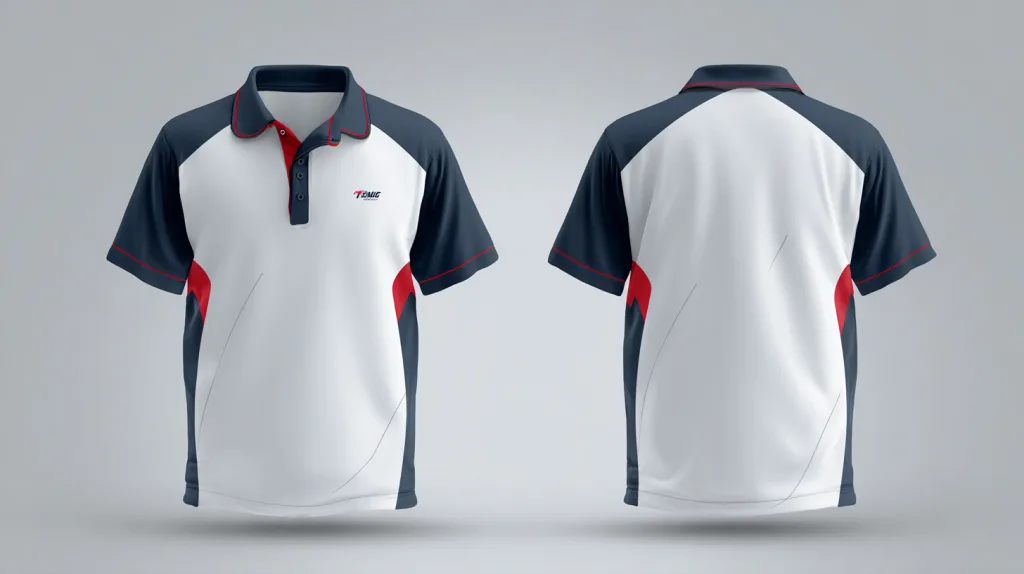
Clarity on logo design and placement is essential.
Include:
- High-resolution artwork files (AI, PDF, PNG)
- Embroidery or print technique
- Logo dimensions
- Exact placement (e.g., left chest, sleeve)
- Thread color or ink specifications
Mockups help visualize final placement.
10. Labeling and Branding Details
Labels help showcase your brand identity.
Include:
- Main neck label (woven, printed)
- Size label position
- Care label (with washing instructions)
- Hang tag design
Label artwork and dimensions should be clearly presented.
11. Trims and Accessories
Trims often get overlooked but are important for quality.
Specify:
- Button type (color, size, material)
- Zippers (if applicable)
- Neck tape or locker loop
Provide trim samples or references.
12. Printing/Embroidery Techniques
The decoration method affects pricing and appearance.
Options:
- Screen printing
- Heat transfer
- DTG (direct-to-garment)
- Sublimation
- Embroidery (flat or 3D)
Each method should include artwork requirements.
13. Packaging Instructions
Clear packaging helps with logistics and presentation.
Include:
- Folding method
- Polybag size and thickness
- Barcoding and labeling
- Custom packaging (boxes, inserts)
Photo samples are helpful for custom packaging.
14. Quality Standards and Tolerances
Maintaining consistent quality is crucial.
Define:
- Measurement tolerances (e.g., ±1 cm)
- Colorfastness standards
- Fabric shrinkage allowance
- Stitching standards
These ensure fewer disputes during QC inspections.
15. Quantity and Size Breakdown
Factories need accurate production planning.
Include:
- Number of units per size and color
- Total quantity
- Special breakdowns by country or channel (if needed)
Excel or Google Sheets can help organize this data.
16. Delivery Requirements and Timeline
Smooth logistics depend on clear delivery instructions.
Include:
- Desired delivery date
- Production timeline
- Shipping method (air, sea)
- Destination address
- Incoterms (FOB, CIF, DDP)
The clearer the timeline, the fewer delays.
17. Tech Pack File Format and Submission Guidelines
Presentation matters when sharing your tech pack.
Tips:
- Submit in PDF, AI, or Excel format
- Use labeled folders for assets
- Include a checklist for factory confirmation
Google Drive or Dropbox can be used for file sharing.
FAQ: Common Questions About Polo Shirt Tech Packs
Q1: What if I don’t have a designer to make my tech pack?
Many manufacturers like Ninghow Apparel offer tech pack assistance. You can provide sketches, references, and measurements, and they’ll create a professional pack for you.
Q2: How detailed should the tech pack be?
The more details, the better. It helps avoid miscommunication, reduces sampling rounds, and ensures high-quality results.
Q3: Can I update my tech pack during production?
Yes, but it may affect cost and timeline. It’s best to finalize everything before bulk production begins.
Q4: Is it mandatory to include Pantone colors?
Yes, if color accuracy is important. Pantone codes are industry-standard and help manufacturers dye fabrics precisely.
Q5: What is the typical turnaround time for polo shirt orders?
Depending on quantity and complexity, it can range from 2 to 6 weeks after sample approval.
Q6: Do I need to provide physical samples with my tech pack?
Optional, but helpful. Swatches, logos, or sample garments speed up sampling and reduce mistakes.
Conclusion: Make Your Polo Shirt Orders Seamless
Creating a detailed polo shirt tech pack is the first step to a successful order. It ensures everyone is aligned—from your design team to the factory floor. When in doubt, include more detail, not less. Need help creating or reviewing your tech pack? Ninghow Apparel’s team of experts is ready to support you every step of the way.