
Understanding Viscose: Origins and Basics
Viscose, often called rayon, is a widely used semi-synthetic fabric. It’s made from wood pulp processed with chemicals, transforming natural cellulose into a soft, versatile fiber. Many find viscose appealing due to its silk-like feel and affordability, making it popular in everything from T-shirts to dresses. Yet, as sustainability gains attention, questions about how eco-friendly viscose truly is are cropping up, especially regarding its sourcing, chemical use, and production practices.
Production Process of Viscose Fabric
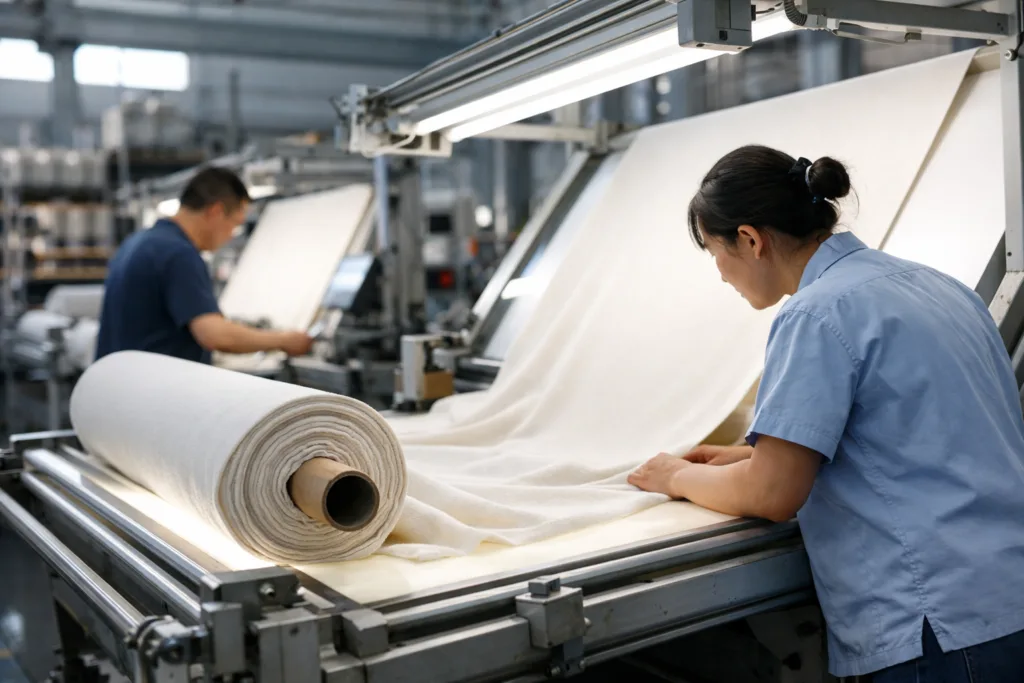
The journey from wood to wardrobe for viscose involves several stages. First, wood chips—typically from fast-growing trees like bamboo, beech, or eucalyptus—are pulped and dissolved in sodium hydroxide. The resulting cellulose solution is treated with carbon disulfide, then spun into fibers. This method delivers a fabric that’s both soft and absorbent. However, the use of hazardous chemicals and high water consumption have triggered environmental concerns. Manufacturers like Ninghow Apparel, who prioritize fabric transparency, often educate partners about the available alternatives for reducing the environmental footprint of viscose production.
Key Environmental Concerns: Deforestation and Source Materials
One major concern with viscose is the source of its wood pulp. Unsustainable logging practices can lead to deforestation, threatening ecosystems and biodiversity. Certified wood, such as that from FSC-accredited forests, offers a solution, but not all viscose products use responsible sourcing. Some sustainable manufacturers now prioritize supplier transparency—but traceability in the supply chain can still be patchy.
Chemical Processing: Pollution and Worker Safety
The viscose process relies on chemicals like sodium hydroxide and carbon disulfide, both of which are toxic if mishandled. Effluent from viscose factories can pollute local waterways unless proper treatment systems are in place. Furthermore, carbon disulfide can pose severe risks to worker health, including nerve and reproductive damage. Some modern viscose plants use closed-loop systems to recover and reuse chemicals, helping to minimize environmental harm and protect workers. If you’d like to see the practical impacts of fabric manufacturing, consult trusted guides such as this resource on fabric clothing manufacturing.
Water and Energy Consumption
The traditional viscose method is water- and energy-intensive. Processing one kilogram of viscose can require hundreds of liters of water, along with significant electricity for pulping, spinning, and cleaning. In water-scarce regions, local resource stress is a real issue. Advances in technology—like closed-loop or lyocell techniques—reduce water use. Compared with conventional cotton or polyester, viscose can be less or more resource-heavy depending on production location and facility standards.
Biodegradability and Microfiber Shedding
Unlike plastic-based synthetics, viscose is biodegradable under industrial composting. In theory, it should break down faster than polyester. However, chemically finished viscose products or blends with synthetics may degrade more slowly or release microfibers into the environment. Ongoing research suggests viscose sheds fewer microplastics than polyester during washing, but responsible disposal and product design remain key for long-term sustainability.
Viscose vs. Other Fabrics: A Sustainability Snapshot
| Fabric | Main Source | Biodegradable | Key Sustainability Issues |
|---|---|---|---|
| Viscose | Wood pulp (trees/bamboo) | Yes | Deforestation, chemical pollution |
| Cotton (conventional) | Plant fiber | Yes | Pesticide use, water depletion |
| Polyester | Petroleum (synthetic) | No | Oil use, microplastic pollution |
| TENCEL™ Lyocell | Wood pulp (certified) | Yes | Lower chemical use, closed-loop |
| Hemp | Plant stem | Yes | Low input, renewable, less yield |
Is Viscose Breathable and Comfortable?
Aside from sustainability, comfort drives viscose’s popularity. The fabric is renowned for its breathability, wicking away moisture and providing a cool feel—ideal for warm climates. Its drape and sheen mimic silk, but with more accessible pricing. Unlike polyester, viscose resists static and doesn’t trap heat excessively. Breathability depends on yarn quality and fabric construction, but most viscose garments perform well in active and casual wear. Learn more in this comprehensive breakdown: What Is Viscose Fabric & Is It Breathable?
The Case for Sustainable Viscose (EcoVero™, TENCEL™, and More)
Due to ongoing scrutiny, several new viscose types have emerged. Branded options like Lenzing’s EcoVero™ or TENCEL™ use certified wood, closed-loop manufacturing, and robust environmental standards. These newer viscose variants typically have smaller carbon footprints, reduced chemical discharge, and better traceability. As a result, eco-certified viscose is gaining traction among sustainable fashion brands.
Industry Certifications: What Should Brands and Consumers Look For?
Look for clothing that carries responsible certifications, such as FSC, PEFC, OEKO-TEX, or EU Ecolabel. These standards focus on the origin of the wood, water stewardship, chemical management, and finished garment safety. However, certification isn’t a foolproof guarantee—a manufacturer’s transparency and supply chain oversight still play critical roles. Reading up on sustainable clothing manufacturing can help buyers and designers make informed choices.
Transparency and Traceability in the Viscose Industry
With multiple production centers across the globe, traceability in viscose supply chains often lags behind that of natural fibers. Transparency reports, public discloser programs, and government regulation are steadily increasing, helping close gaps between brands, factories, and consumers. Leading apparel manufacturers engage in supplier mapping and routinely ask for up-to-date documentation on fiber origins and processing practices.
Closed-Loop Production: The Gold Standard?
Closed-loop processes, as seen in lyocell and modal production, reclaim water and chemicals for reuse, dramatically reducing environmental emissions. While traditional viscose plants often lack these systems, a growing number adopt closed-loop technology to meet sustainability benchmarks and regulatory requirements. Transitioning to closed-loop viscose addresses many legacy pollution and worker safety issues.
Worker Rights and Community Impact
Beyond the environment, viscose manufacturing can influence local communities. Fair labor practices, reasonable wages, and health measures for chemical handling are essential for a truly sustainable supply chain. Some regions, especially those with weaker regulations, face challenges with pollution and worker health. The best manufacturers conduct independent audits and encourage third-party review of their operations.
Cost Implications: Is Sustainable Viscose More Expensive?
Sustainable viscose is often pricier to produce than conventional types due to the higher costs of certified wood, closed-loop processes, and environmental compliance. However, as demand rises and technology matures, the cost gap is narrowing. Apparel brands aiming to balance ethics and economics should weigh these factors during sourcing decisions, factoring in long-term brand value, consumer loyalty, and possible regulation shifts.
Consumer Choices: How to Buy Responsible Viscose
Shoppers can encourage more sustainable viscose production by paying attention to labels and certifications, prioritizing brands that disclose sourcing, and choosing products with eco-friendly finishes and clear environmental commitments. Asking questions and researching new textile innovations help create demand for greener solutions.
Ninghow Apparel Insights: Factory-Level Realities in Viscose Manufacturing
From a manufacturer’s point of view, viscose offers flexibility in creating lightweight, colorful garments. However, achieving consistent quality depends on fabric source and batch control. Ninghow Apparel’s factory teams have found that pre-production swatching helps minimize shrinkage risk and color inconsistencies—issues more common in lower-grade viscose. Open communication between brand and manufacturer ensures proper fabric finish selection, while clear quality standards prevent surprises later in bulk production.
Is Viscose a Sustainable Fabric?
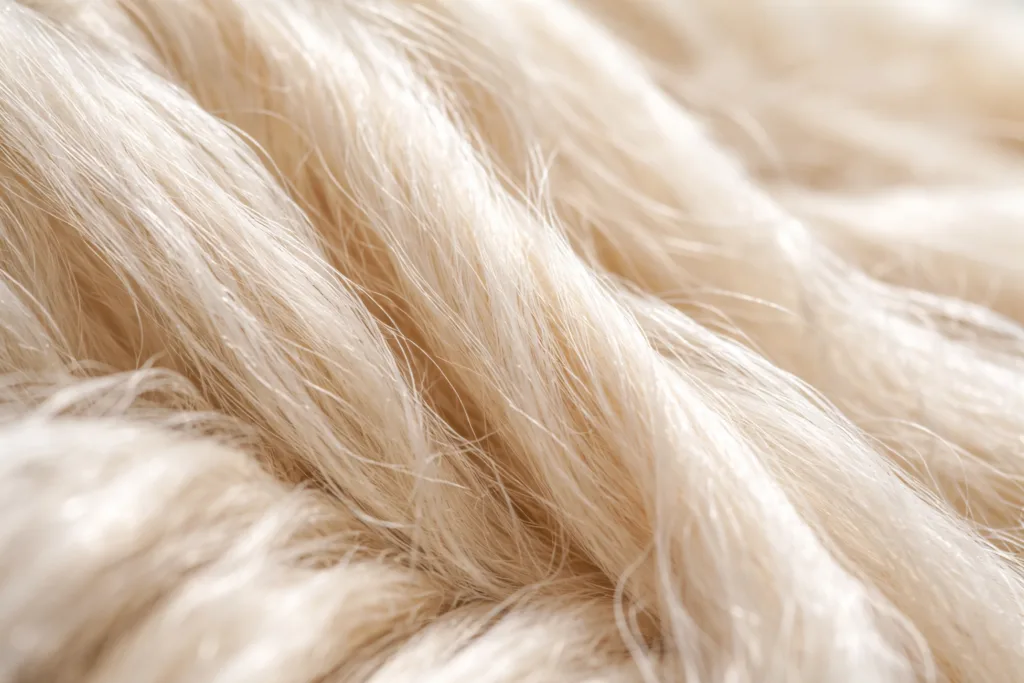
The answer to this question is complex. Viscose can be moderately sustainable if its wood source comes from managed, renewable forests and if chemical treatment is performed in a closed-loop, well-regulated plant. However, conventional viscose still carries ecological and ethical risks, especially in regions with poor oversight. As technology and transparency improve, viscose’s sustainability profile will likely strengthen—yet it’s rarely a perfect solution when compared to top eco-innovations or simple, untreated natural fibers.
Practical Tips for Fashion Brands: Sourcing and Design with Viscose
- Request certifications and fiber origin documentation from suppliers
- Specify sustainable viscose (EcoVero™, TENCEL™, etc.) where possible
- Use swatches and lab dips to test shrinkage, dye, and feel before bulk production
- Ask about chemical management practices and effluent treatment at the mill
- Design for durability and recyclability
Comparing Viscose Alternatives: Modal, Lyocell, Cupro
Alternative cellulose-based fabrics, such as modal, lyocell (branded as TENCEL™), and cupro, use related but distinct processes for fiber production. Lyocell leans on closed-loop manufacturing, reusing 99% of solvents, making it one of the lowest-impact options. Cupro employs cotton linter waste and minimal toxic byproducts, while modal offers superior softness and wrinkle resistance. Brands seeking sustainable solutions may wish to review detailed guides like 7 Surprising Facts About Cupro Fabric.
Innovations Shaping the Future of Viscose Sustainability
Emerging innovations in enzyme treatments, smart chemical recycling, and blockchain-based tracking are set to further lower viscose’s environmental impact. Organizations such as the CanopyStyle initiative partner with suppliers to increase demand for responsible forestry and transparent supply chains. Biodegradability enhancements and waterless dyeing offer even more promise for making viscose a truly green staple.
Common Myths About Viscose Sustainability
- Myth: All viscose is bad for the environment. Fact: Some viscose is produced using best-practice, sustainable methods.
- Myth: Viscose can’t be recycled. Fact: Several recycling initiatives are underway for post-consumer and pre-consumer cellulose textile waste.
- Myth: Viscose is fully synthetic. Fact: It’s semi-synthetic, derived from plant cellulose.
Policy and Regulatory Developments
Global regulations on viscose are tightening, especially regarding chemical discharge and responsible sourcing. The EU, in particular, has rolled out stringent standards on hazardous chemicals and deforestation linked to textile imports. Manufacturers must now meet higher reporting and due diligence benchmarks to access premium markets.
Viscose and the Circular Economy
Circular economy thinking emphasizes eco-design, repair, reuse, and recycling. Viscose has potential for circularity if designed for long life and eventual composting or recycling. Blending with natural fibers or using monochrome designs can simplify recycling at end-of-life.
Major Brand Commitments: Who’s Leading in Sustainable Viscose?
Several fashion giants now partner with responsible viscose producers, pledging full traceability, reduced impact, and investment in advanced technology. Private label and OEM manufacturers are also stepping up, responding to brand clients’ sustainable material requirements.
Practical Challenges on the Factory Floor
Sourcing sustainable viscose can be tough for small or mid-size brands when order minimums are high or supply is inconsistent. Factories must also adapt their processes, manage shrinkage, and pay close attention to finishing. Pattern makers and production teams often perform extra pre-shipment checks, especially for eco-variant viscose fabrics, to ensure fit, color, and drape meet brand expectations.
The Road Ahead: Sustainable Viscose for the Next Decade
With ongoing investment in technology, certifications, and supply chain transparency, viscose can become a viable middle-ground for brands seeking a balance of affordability, performance, and eco-impact. Brands, manufacturers, and consumers all play a role in pushing the industry to do better. In the years ahead, expect to see more closed-loop production, bio-sourced chemicals, traceable wood inputs, and increased demand for biodegradable blends in fashion basics and specialty apparel.
Conclusion: Navigating Controversy and Progress in Viscose Sustainability

Viscose occupies a complicated spot in the sustainable fabric debate, offering both risks and opportunities. Deforestation, pollution, and transparency gaps remain issues, but positive strides—from certified fibers and closed-loop processes to industry innovations—show real promise. Brands and buyers who do their homework, demand documentation, and choose proven manufacturers help push the industry toward cleaner, greener standards. Viscose won’t outshine all eco-fabrics, but it holds a place on the journey towards a more sustainable apparel future.
Frequently Asked Questions
Is viscose more sustainable than polyester?
Generally, viscose is more biodegradable and uses renewable resources, while polyester is made from oil and creates microplastic pollution. However, viscose’s sustainability depends on responsible sourcing and manufacturing.
How do I know if viscose clothing is sustainably made?
Look for third-party certifications (FSC, PEFC, OEKO-TEX), transparent information about fiber origin, and brands or manufacturers with published sustainability policies.
Does viscose fabric shrink after washing?
Viscose can shrink if not finished properly. Pre-washing, following care instructions, and purchasing from reputable suppliers can help reduce shrinkage risks.
Is bamboo viscose more sustainable than regular viscose?
Bamboo grows quickly and requires fewer pesticides, but the chemical process for turning bamboo into viscose is similar. Certification and closed-loop production still matter most for sustainability.
What are safer alternatives to conventional viscose?
Lyocell (TENCEL™), modal, and EcoVero™ viscose use closed-loop systems and certified wood, reducing their environmental impact significantly.
Does viscose release microplastics during washing?
Viscose releases cellulose fibers, which biodegrade more easily than microplastics from polyester, but improper chemical finishes can still slow breakdown.
Related Reading
- Discover Why Hemp Is Rising as a Sustainable Fabric Choice
- What to Expect from Truly Sustainable T Shirt Manufacturing
- Sublimation Printing Explained: Eco Impact and Innovations
- Portugal’s Journey to Becoming Europe’s Eco-Luxury Apparel Haven
- China’s Role and Shifting Sustainability Standards in Apparel