

Introduction: Why a Supplier Questionnaire Is Essential
When sourcing products, especially apparel, selecting the right manufacturer is the foundation of quality, cost, and delivery reliability. Before committing to any supplier, using a structured questionnaire—the essential supplier questionnaire: 20 questions to ask first—sets a clear standard for expectations, transparency, and risk mitigation. This comprehensive guide brings together manufacturer vetting questions, RFI templates, and sourcing checklist strategies so brands, designers, and sourcing professionals can make confident, informed decisions from their very first contact.
Core Benefits of a Supplier Questionnaire
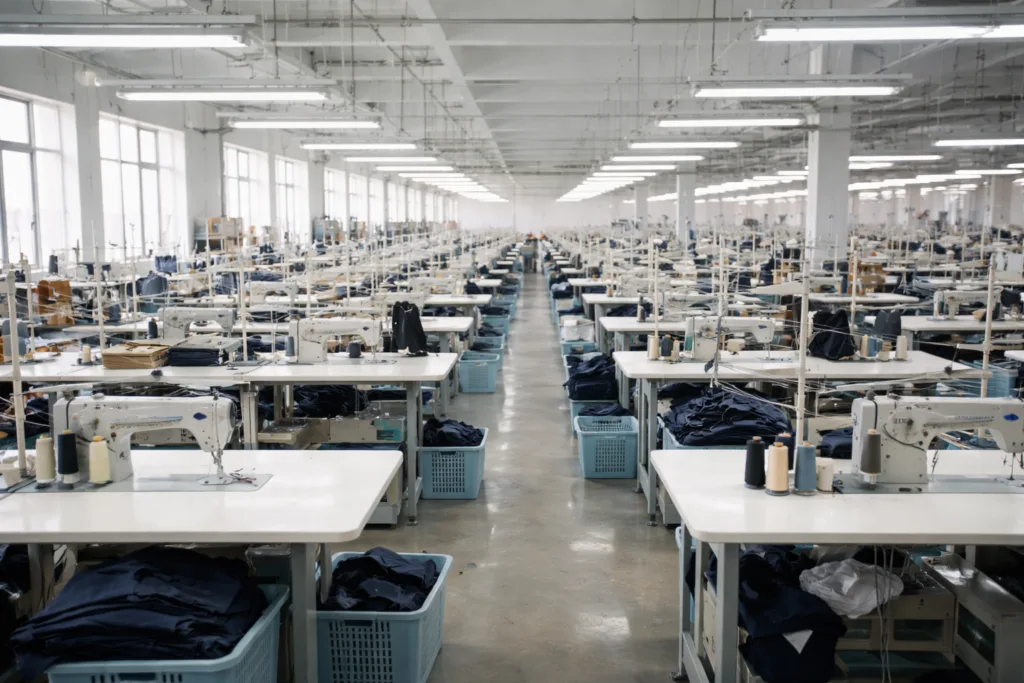
Adopting a consistent approach to supplier vetting has clear advantages: It saves time, ensures apples-to-apples comparisons, reveals red flags early, and creates a professional record for negotiations and audits. Particularly in apparel manufacturing, where mistakes, delays, and miscommunications can mean costly setbacks, a well-structured RFI template and sourcing checklist are not just procedural—they’re mission critical.
The Essential Supplier Questionnaire: 20 Questions to Ask First
The backbone of the supplier screening process is a set of carefully crafted questions. These cover everything from production capacity and equipment to main markets, certifications, and QC processes. Here’s a breakdown categorized by purpose:
| Category | Example Questions | Rationale |
|---|---|---|
| Basic Company Info | Legal name, establishment year, ownership, location | Identifies genuine factories vs. traders and assesses operational age |
| Production Capabilities | Monthly capacity, core product lines, key equipment | Checks if supplier fits your volume, style, and technology needs |
| Main Markets | Top countries/regions served, major buyers | Reveals experience with your market standards and regulations |
| Certifications | ISO, GOTS, OEKO-TEX, BSCI, WRAP | Verifies credibility and compliance for sustainability/social responsibility |
| Quality Control | QC procedures, past audit results, defect rate | Assesses consistency and risk of defects or recalls |
| Lead Times | Sampling/bulk lead time, flexibility during peak periods | Plans for timely launches and deliveries |
| MOQ Requirements | Minimum order quantity for styles/colors | Defines feasibility for startups, small brands, or testing new lines |
| Pricing Terms | Price breaks, payment terms, incoterm options | Clarifies negotiation window and bottom-line impact |
| Sample Policy | Sample pricing, readiness, approval process | Signals agility and real investment in development |
| Sustainability | Recycled materials, energy use, traceability | Aligns with modern eco-conscious buyer expectations |
| After-Sales & Support | Warranty, complaint handling, rework protocols | Assesses accountability and partnership attitude |
- Always tailor questions to your product and brand goals
- Request evidence—photos, certificates, case studies
- Watch for vague or evasive answers as warning signs
Manufacturer Vetting Questions That Really Matter
While standard information is useful, certain manufacturer vetting questions go deeper, uncovering real credibility. For apparel, ask for recent production photos, QC logs, and direct contact with a technical manager. Ninghow Apparel, for example, advocates sharing actual stitching samples and size specs to show true skill, not just catalog promises.
RFI Template: How To Structure Your Supplier Inquiry
A Request for Information (RFI) template brings consistency and speed to your supplier communications. Here’s a basic structure:
- Intro/Brand Profile: Brief about your brand, items, target market
- Core Questionnaire: Insert the 20 questions grouped by category
- Evidence Request: Photos, certifications, references
- Deadline/Response Format: Specify timelines and preferred reply (Excel, PDF, online form)
For a downloadable example and tips on practical usage, visit manufacturing quality control.
Sourcing Checklist: Making Every Supplier Interview Count
Consistent sourcing means keeping a checklist in hand during every call, factory visit, or email exchange. This should include:
- Verification of factory licenses and ownership
- Confirmation of monthly capacity and finished goods samples
- Photo evidence of machinery—cutting, sewing, finishing, packaging
- Assessment of main buyers and export documentation
- Review of production and QC flows
For practical field-tested tips on verifying factories vs. trading companies, explore how to spot the difference.
The Reality of Factory Vetting—Shop Floor Insights
It’s tempting to rely only on paperwork and digital answers, but nothing replaces an in-person factory audit. Experienced production leads at Ninghow Apparel highlight the importance of seeing how actual samples are handled—are trims organized, is the machinery maintained, does the QC area have records on hand? These details reveal operational discipline and true capacity, especially when questions are paired with honest on-site feedback.
Comparison Table: Trading Company vs. Real Factory
| Criteria | Trading Company | Factory |
|---|---|---|
| Ownership | May hide real manufacturer info | Direct production, owns facility |
| Sampling | Relies on sub-suppliers for samples | Can produce and adjust in-house |
| QC Evidence | Limited, inconsistent records | Detailed logs, actual reports |
| Lead Times | Variable, often delayed | More predictable, direct |
| Negotiation | Third-party, limited flexibility | Direct, flexible, transparent |
How MOQ, Pricing, and Lead Times Affect Your Supplier Choice
Many brands overlook the minimum order quantity (MOQ), tiered pricing, and bulk lead times until late in the vetting process. These are, in fact, crucial from the first contact. For startups, negotiating low MOQs or split color runs can determine launch viability. For established buyers, tracking tiered pricing points and confirmed lead times is essential for cost planning and forecasting.
To further dissect these terms and tactics, visit the guide on manufacturers for startups.
Sample Questions for Key Supplier Vetting Areas
- What is your monthly production capacity (units/style)?
- What is the breakdown of your main production equipment?
- Who are your top three export markets?
- Can you share recent QC logs and audit results?
- Do you supply to any major brands with public references?
- What are your standard payment terms? Are they negotiable?
- What is the typical sampling and bulk lead time per season?
- Do you offer product customization or private labeling?
Warning Signs: Red Flags During Supplier Assessment
- Incomplete answers or long delays in replying
- Refusal to supply certifications or production photos
- Unclear company ownership or location changes
- Inconsistent sample quality or QC reporting
- Reluctance to provide references or meet in person
For a deep dive into common sourcing pitfalls, read about red flags on Alibaba & B2B.
Practical Tips for Efficient Supplier Screening
- Start with email or online questionnaire, then schedule a call
- Fill in your own scorecard for each supplier
- Screen 3–5 suppliers before shortlisting
- Request samples before price negotiations
- Use a mix of digital and physical evidence
Technology and Tools for Modern Supplier Vetting
Digital tools—online forms, supplier portals, and sourcing platforms—make questionnaires easier to manage and track. Many brands develop custom RFI templates in Google Forms or Excel, cross-linked with internal scorecards for every supplier. This centralized approach supports transparency, especially for teams balancing multiple projects or seasonal launches.

Sourcing Checklist for Apparel Manufacturers: Best Practice Flow
- Initial RFI sent to all potential suppliers
- Responses scored by compliance, speed, specificity
- Shortlist created for factory visits/audits
- Samples and QC logs reviewed onsite
- Final supplier selected based on total score
Why Fit, Fabric, and Trims Matter In Your Vetting Process
Every questionnaire should include questions about fit accuracy, fabric sourcing, and trim reliability. A manufacturer’s ability to deliver consistent fits across sizes, supply superior fabric, and manage trims affects the final product far beyond the initial price quote. Seasoned leads, like those at Ninghow Apparel, recommend always asking for pattern specs, fabric swatches, and a trim inventory sheet before sealing any deal.
Supplier Partnership Attitude: Beyond Forms and Answers
The relationship you build during the vetting stage will impact every future project. Encouraging transparency, polite negotiation, and timely exchanges turns the supplier from a vendor into a strategic partner. Look for signs of partnership mindset: willingness to adjust, clear communication, openness to factory audits, and prompt corrective action when issues arise.
20 Supplier Questionnaire Questions—The Master List
- Company legal name and location
- Year established and ownership type
- Monthly production capacity by product
- Main product categories
- Listing of core production equipment
- Main export markets and top buyers
- Certifications held (quality, environment, social responsibility)
- Quality control processes and last audit results
- Defect rate and issue handling protocol
- Standard MOQ for each product
- Bulk and sampling lead times
- Payment terms offered (advance, LC, credit)
- Tiered pricing for bulk orders
- Customization/private labelling options
- Sample policy and approval process
- Sustainability practices (materials, energy, supply chain)
- Warranty or after-sales support
- Complaint handling and rework
- Packing and shipping options
- References from existing clients
Sample Supplier Questionnaire Email Template
If you want to streamline your outreach, here’s a basic email template:
Subject: [Your Brand] Supplier Questionnaire—Initial Vetting
Dear [Supplier Name],
We are reviewing potential suppliers for
Regards,
[Your Name/Company]
Integrating Supplier Vetting into Your Sourcing Workflow
Embed the questionnaire, RFI template, and sourcing checklist into your procurement SOP. Use them at every stage—from first inquiry to site audit and contract signing. This not only reduces mistakes but ensures your team builds a database of reliable suppliers, ready for scaling or new launches.
Global Sourcing Realities: Adjusting Questions for Different Markets
Supplier vetting questions must adapt to destination markets—China, Bangladesh, Vietnam, Turkey, Portugal, USA. Whether you source basics for volume or luxury for sustainability, tailor questions to production customs, certification requirements, and lead time realities. To dig deeper, check the guide about apparel manufacturing in China.
Conclusion: Supplier Vetting Is a Strategic Advantage

The essential supplier questionnaire: 20 questions to ask first creates the foundation for successful, risk-mitigated sourcing. By approaching suppliers methodically, scoring answers, and collecting evidence, brands gain the leverage and clarity needed to optimize production, cost, and quality. This process—built on manufacturer vetting questions, RFI templates, and sourcing checklists—empowers both startups and established players to thrive in a competitive market. Stay diligent, keep your checklist handy, and remember: strong supplier relationships start with strategic questions.
Frequently Asked Questions
Which questions are most important for factory vetting?
Production capacity, QC procedures, certification, and lead times are pivotal. Ask for evidence like photos, audit reports, and buyer references.
How can I spot a trading company versus a real factory?
Real factories supply in-house sample photos, production logs, and have direct ownership. Trading companies often offer vague or third-party info.
What is the best way to request supplier information?
Send a structured RFI questionnaire by email, specifying which documents, photos, and certificates you expect. Follow up with a call if responses are unclear.
How do MOQs impact my sourcing decision?
MOQs affect both pricing and launch flexibility. Always clarify per style, color, and size. Negotiate splits if your order is small or diversified.
What are typical red flags during vetting?
Delayed replies, incomplete answers, refusal to share evidence, changing locations, and inconsistent sample quality are strong warning signs.
How does supplier vetting support long-term partnerships?
Trust builds when suppliers deliver transparent answers, clear QC, and support corrective actions. A thorough vetting process forms the basis for ongoing success.
Related Reading
- Expand With Confidence: Graduating from Small Batch to Mass Production
- Beat High Minimums: Smart Fabric Sourcing Strategies
- Multi-Style Success: Consolidating Orders With Shared Fabrics
- Negotiation Hacks: Lower MOQ Deals for Startups
- Wholesale Vendor Rules: Buyer Essentials for Price, MOQ & Lead Times