
Introduction: Why Red Flags Matter on Alibaba and B2B Platforms
If you’re sourcing apparel, electronics, or other products from Alibaba and B2B platforms, avoiding scams is crucial. This guide exposes the typical red flags—including fake factories, stolen product photos, and reply bots—that can derail your supply chain or cost you money. Whether you’re a startup, SME, or experienced buyer, knowing how to spot these dangers helps protect your investment and ensures sourcing success.
Understanding Common Alibaba Scams and B2B Risks

Many scams persist on Alibaba and similar platforms, ranging from fraudulent profiles to misrepresented goods. Recognizing these risks is the first step to safer sourcing.
- Fake factories posing as manufacturers
- Traders using stolen product photos
- Automated reply bots with generic answers
- Misleading Gold Supplier badges
- False certifications and unverifiable documents
Red Flags When Sourcing on Alibaba and B2B Platforms
Spotting the warning signs early can prevent costly mistakes. Let’s break down the key red flags every buyer should watch for.
Fake Factory Listings: What to Look For
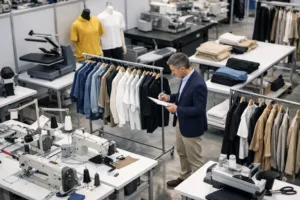
Many “factories” are actually trading companies or intermediaries. Some clues include vague addresses, inconsistent production photos, and a lack of clear manufacturing details. Real factories typically show verified production lines and clear staff photos. Experienced buyers, such as those at Ninghow Apparel, note that genuine manufacturers often invite video calls or virtual tours to prove their credibility. Factories also tend to list specific equipment for garment production—if the supplier is vague or evasive, that’s trouble.
Stolen Product Photos and Branding
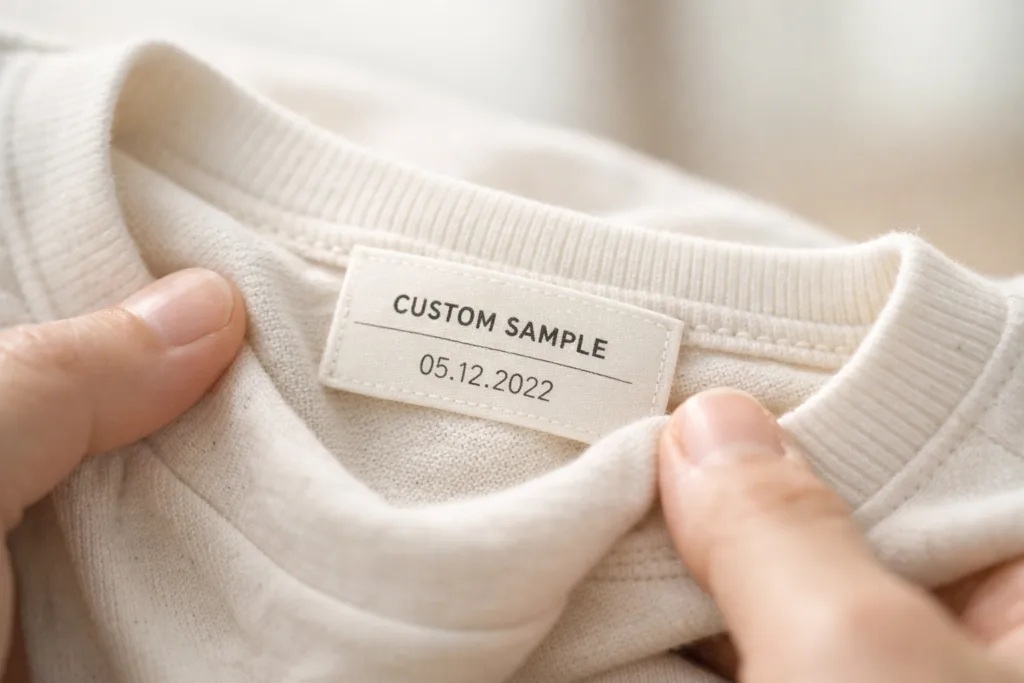
Traders or dropshippers often lift images directly from other manufacturers. Look for low-resolution, watermarked, or inconsistent branding on product pages. If different listings have identical images, it’s likely the supplier isn’t producing the goods themselves. Brands like Ninghow Apparel recommend requesting custom sample photos with a unique identifier or timestamp to verify authenticity.
Reply Bots and Generic Messages
A sharp warning sign is robotic responses. Bots tend to use canned answers, avoid technical questions, and miss details about fit accuracy or production flow. Ask for specifics—fabric types (e.g., whether they use quality fabric sourcing), MOQ, lead times, and QC processes. True manufacturers will reply with detailed, context-driven information.
The Gold Supplier Badge: Meaning and Misconceptions
The ‘Gold Supplier’ badge is commonly misunderstood. While some believe it guarantees legitimacy, the badge is merely a paid membership. Actual verification varies. Buyers should look for independent third-party reports, visit the factory if possible, and cross-check business licenses. Remember: Gold status does not mean automatic trust; it only means the supplier paid for extra visibility.
Verifying Supplier Authenticity: Practical Steps
To validate suppliers, use video inspections, request production samples, and check business licenses against government databases. Ask for factory certifications—ISO, BSCI, or garment-specific. Genuine suppliers willingly share these documents.
Assessing the Quality Control Process
Repeatable QC processes are a sign of a real manufacturer. If a supplier cannot explain their inspection structure, issues with consistency, fabric flaws, and unreliable turnaround are common. Apparel experts recommend using platforms like apparel manufacturing quality control for oversight.
Product Range Consistency: Identifying Trading Companies
Factories usually specialize. If a supplier offers everything from electronics to apparel, odds are they’re traders. For apparel, true manufacturers list consistent garment types (e.g., polo shirts or t-shirts) and can explain production details for each.
Classic Scam Tactics: Deceptive Communication
Promises of Unrealistic Prices
Suppliers offering prices far below market average often cut corners. Low prices may signal substandard materials, unreliable production, or bait-and-switch tactics. Compare quotes with trusted sources and ask for full breakdowns.
False Certifications and Documents
Fake certificates are a common trick. Verify any credentials with issuing organizations, especially ISO or BSCI for apparel. Ask for certification numbers and check authenticity before proceeding.
High-Pressure Tactics and Upfront Payment Demands
Reputable manufacturers never rush buyers. If pressured to pay quickly—or withhold payment terms—that’s a classic red flag.
Lack of Production Photos and Videos
Real factories typically provide latest production images or videos. If a supplier struggles to show current production, question their credibility.
Discrepancies in Company Details
If the supplier’s business name, website, and actual email domain don’t match, it could be a sign of a fraudulent setup. Cross-reference all info before signing contracts.
How to Investigate and Verify Suppliers
Conducting Factory Audits
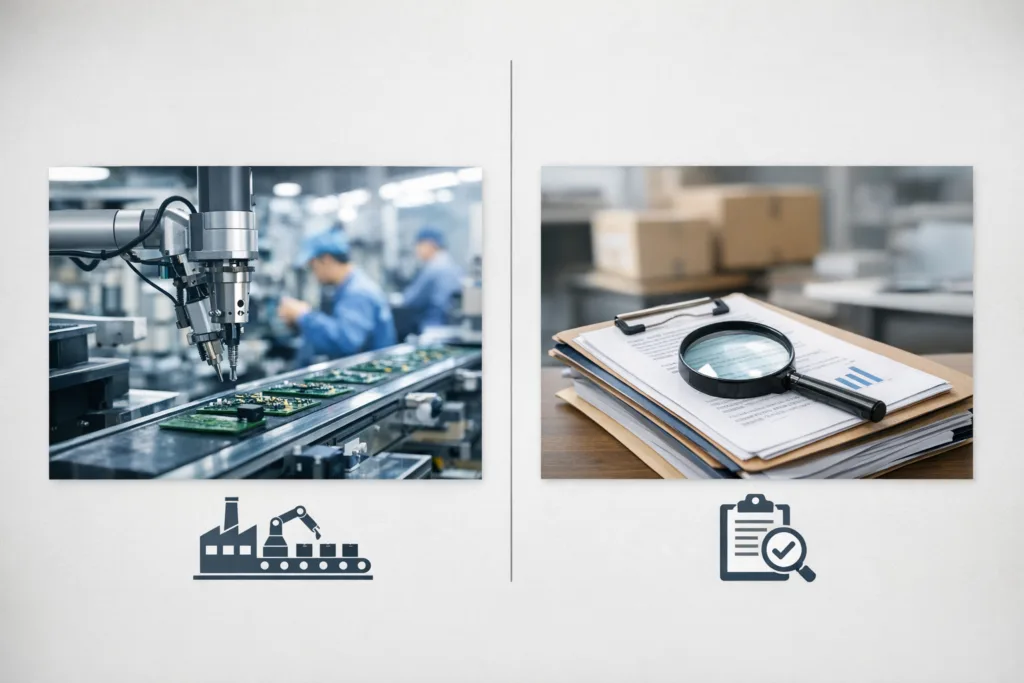
Many buyers rely on third-party audits for confidence. These audits document equipment, production flow, and certifications, offering a clearer picture than mere online profiles.
Reverse Image Search for Product Photos
Use Google or Baidu to cross-check supplier photos. If images appear on other sites, the supplier likely isn’t producing the goods.
Supplier Visit: When and How
If possible, arrange a factory visit either in person or via video call. Ask to see the production line live. Ninghow Apparel’s production leads stress the value of such walkthroughs for confirming fit accuracy, material sourcing, and workflow reliability.
Checking Third-Party Reviews and Ratings
Look beyond platform reviews. Websites, trade forums, and trusted buyer groups often share honest feedback about suppliers and factories.
Verifying MOQ, Sizing, and Customization Claims
Suppliers often exaggerate their sizing and customization capabilities. Ask for detailed grading charts, size spec examples, and real samples.
Common Signs of Reply Bots and Automated Communication
Canned Responses versus Real Answers
Bots ignore complex, production-specific questions. Ask for details on trims, fit accuracy, and packaging to test supplier knowledge.
How to Probe for Authenticity with Technical Questions
Ask for process flow diagrams, QC checkpoints, and sampling timelines. Only real manufacturers provide technical detail.
Buyer Protections and Dispute Resolution
How Alibaba’s Trade Assurance Works
Trade Assurance protects buyers against non-delivery and quality disputes. Stick to suppliers who operate within this system.
Steps to Take When Problems Occur
If a supplier defaults, promptly open a dispute via Alibaba. Provide clear documentation—photos, emails, contracts—and follow the official steps.
Safeguarding Your Sourcing: Key Tactics
Requesting Samples Before Placing Bulk Orders
Never order in bulk without samples. Request custom labels or prints to verify production capability.
Order Small Batches with Secure Payment Methods
Start with low MOQs and pay via secure platforms. Avoid direct wire transfers unless the supplier is thoroughly vetted.
Use Clear Contracts and Detailed Specifications
Set firm terms—product details, delivery dates, QC requirements. Contracts protect both parties and prevent mismatches.
Industry Tips for Apparel Buyers: Preventing Sourcing Mistakes
Selecting the Right Apparel Manufacturer
For garment sourcing, focus on fit accuracy, material clarity, and consistent manufacturing flow. Experienced teams like Ninghow Apparel stress the importance of clear communication, transparent QC, and predictable lead times for brand launches.
Understanding MOQ and Lead Time Realities
Don’t be fooled by suppliers promising ultra-low MOQs or two-week lead times. Real factories outline their minimum order (MOQ) and lead times in detail—ask for examples and compare across suppliers.
Fit, Fabrics, and Trims: What Genuine Factories Share
Authentic apparel suppliers provide full spec sheets on fit, available fabrics, and trim options for custom branding and style launches.
Comparison Table: Real Factory vs. Trading Company
| Criterion | Real Factory | Trading Company/Fake Supplier |
|---|---|---|
| Production Photos | Current, detailed, with staff and equipment | Generic, often stolen or outdated |
| Response Quality | Technical, specific to your project | Generic, canned, avoids details |
| Product Range | Specialized, focused | Wide, inconsistent, all industries |
| Certifications | Verified, numbers available | Fake or unverifiable |
| MOQ | Clear and justified | Overly low, inconsistent |
| Contract & Terms | Transparent, documented | Vague, rushed, missing clauses |
Checklist: How to Avoid Alibaba and B2B Scams
- Request samples with unique identifiers
- Verify certifications and registration documents
- Use reverse image search for product photos
- Ask specific technical questions
- Check business license databases
- Start with small batch orders
- Use secure, platform-protected payment
- Document all communication and agreements
Conclusion: Protecting Your Brand with Smart Sourcing
Sourcing from Alibaba or B2B platforms comes with significant risks, but smart buyers can avoid scams by using practical checks, verifying factories, and watching out for classic red flags. Know the difference between factories and traders, demand clear communication, and always request samples—these simple steps protect your brand and ensure supply chain reliability.
Frequently Asked Questions
How do I verify if a supplier on Alibaba is a genuine factory?
Request video walkthroughs, check business licenses, ask for detailed production photos, and use third-party audits to confirm credibility.
What does the Gold Supplier badge actually mean?
It’s a paid membership, not a guarantee of legitimacy. Always cross-check certifications and business details independently.
How can I spot stolen product photos?
Use reverse image searches, look for watermarks, and compare images across listings for signs of copy-pasting.
Are reply bots common in Alibaba supplier communication?
Yes. Generic, fast responses lacking technical detail often indicate bots. Probe with specific fabrication and QC questions to spot them.
What are safe payment practices when sourcing from Alibaba?
Use Alibaba’s Trade Assurance or escrow payment methods. Avoid direct wire transfers unless the factory is fully verified.
What steps can I take if I fall victim to a scam?
Open a dispute via Alibaba, gather all evidence, and follow platform procedures. Inform your network and seek third-party help if needed.