

Introduction: Exploring Emerging Sourcing Hubs—Cost vs. Infrastructure
As global apparel brands face rising production costs and supply chain uncertainty, attention is turning to emerging sourcing hubs like Ethiopia in Africa and several nations across Southeast Asia. The ethiopia garment industry, emerging manufacturing markets are capturing interest due to comparatively low labor expenses, young labor pools, and proactive government incentives. However, these advantages often come with infrastructure gaps, logistics challenges, and questions of scalability that brands must navigate strategically.
Global Sourcing Trends: Why Africa and SE Asia Are Gaining Ground

Sourcing strategies are shifting as brands seek alternatives to high-dependence regions. Many are adopting a “China Plus One” approach, adding Ethiopia or Vietnam as low-cost options to diversify risk and manage cost pressures.
For a deeper look at this strategy, see Why More Brands Are Adopting the China Plus One Supply Chain Strategy in 2026.
Cost Advantages: Labor and Overhead in New Markets
The clear draw to Ethiopia and Southeast Asian countries comes from labor rates well below those of China or Turkey. Government support can include tax breaks, duty-free zones, and export incentives, all aimed to attract international buyers.
Infrastructure Hurdles: Where the Road Gets Bumpy
While the price tag is attractive, challenges around electricity reliability, port capacity, and skilled management can slow down production and deliveries. Brands should weigh these factors carefully in supplier selection and volume planning.
Ethiopia Garment Industry: Africa’s Fastest Growing Apparel Hub
Ethiopia offers a unique blend: low labor costs, government-backed industrial parks, and a vision to become Africa’s textile powerhouse. The flagship Hawassa Industrial Park hosts dozens of factories serving global names, with sustainability and water recycling infrastructure built-in.
Case Study: Lessons from Ethiopia’s Industrial Parks
Ethiopia’s Hawassa Industrial Park is a showcase of what’s possible—but also reveals ongoing challenges. While facilities offer modern buildings and incentives, brands have struggled at times with quality control and supply chain bottlenecks, especially during high shipping seasons or political disruptions.
Southeast Asia Manufacturing: A Flexible Alternative
Vietnam, Cambodia, and Indonesia have all invested heavily in transportation infrastructure and workforce training. These nations compete on price and capacity, with some (like Vietnam) now producing for global athletic giants.
If you want to compare how Vietnam is emerging, read Vietnam’s Surge in Apparel: Why Nike and Adidas Are Making the Switch From China.
Comparing Ethiopia and SE Asia: Cost, Capability, and Reliability
| Region | Labor Cost | Infrastructure | Lead Times | Specialization |
|---|---|---|---|---|
| Ethiopia | Very Low | Developing, Good in Parks | Long, Variable | Cut & Sew, Basics |
| Vietnam | Low to Mid | Well-developed | Predictable | Athleisure, Performance |
| Cambodia | Low | Medium | Medium | Woven, Knit Basics |
Sourcing Apparel in Ethiopia: Key Benefits & Trade-Offs
Pros include ultra-low costs, incentive-laden zones, and government support. Drawbacks involve sometimes inconsistent quality control, reliance on imported trims and fabrics, and underdeveloped logistics outside designated industrial areas.
Spotlight: Large-Scale Brands Entering Ethiopia
Global apparel names have established facilities and buying offices in Ethiopia, using it as an add-on or volume-production base for basic apparel, uniforms, and promotional goods where absolute lowest cost is a priority.
SE Asia: Navigating a More Mature Sourcing Landscape
Compared to Ethiopia, countries like Vietnam and Indonesia offer more streamlined middle management, mature port and logistics systems, and proven history with complex designs and fast-turn programs.
Quality Assurance: Building Reliability in New Regions
For brands moving into emerging markets, robust quality control and training programs are essential. Reliable on-site inspectors and clear supplier audits can make or break results, especially when production timelines are tight.
How Ninghow Apparel Navigates Cross-Regional Sourcing Realities
Production leads at Ninghow Apparel have found that accurate fit specs and detailed sampling are even more critical when onboarding factories in new regions. A “trust but verify” approach—frequent sample reviews, proofing fabric hand-feel, and pre-bulk inspections—are standard to maintain consistent quality across traditional and new production geographies.
Apparel Product Focus: What Works Best in Emerging Markets?
T-shirts, polos, hoodies, simple knit basics, and woven uniforms thrive in these newer hubs. More complex engineered garments are still often reserved for established regions.
Low MOQ Sourcing: Can Emerging Hubs Keep Up?
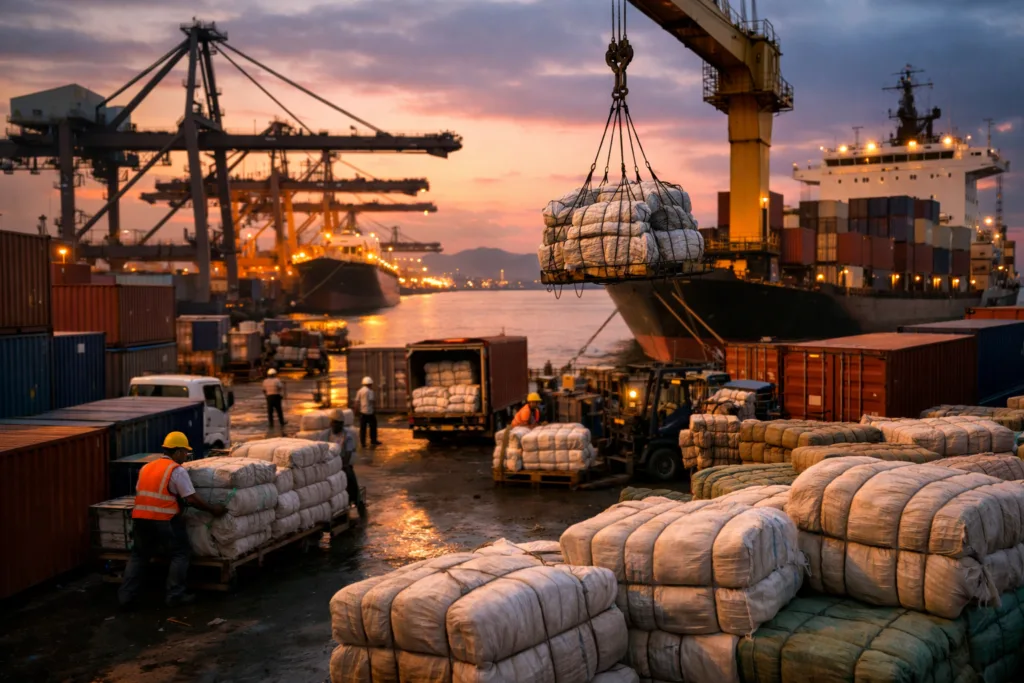
Some new markets struggle with small batch (low MOQ) orders due to limited flexibility and high logistics costs. Brands looking for agile production should explore low MOQ solutions and weigh the pros and cons.
Sustainable Sourcing: Progress and Pitfalls
While Ethiopia’s large industrial parks are investing in green infrastructure, much of SE Asia’s garment output has yet to fully transition to sustainable fabric and process monitoring. Progressive brands should set clear sustainability benchmarks when vetting new suppliers.
Custom Apparel Manufacturing: Opportunities and Cautions
Emerging markets can handle customization, but communication is key. Precise tech packs, plain-language instructions, and real-time feedback loops speed up learning curves and avoid missteps for custom-fit projects.
Managing Shipping & Timelines: The Logistics Equation
SE Asian countries benefit from major port access and regular container shipments, which helps forecastable delivery. In Ethiopia, proximity to the Djibouti port is improving but can still lead to occasional delays—always build contingency time into your calendar.
Staff Training & Workforce Development: A Growing Priority
Both regions are investing in skills programs, but frequent upskilling and on-the-job coaching remain essential—especially for brands used to highly automated facilities elsewhere.
Supplier Relationships: Building Trust Across Distances
Frequent in-person visits, transparent communication, and reasonable contract terms foster better outcomes. Brands that treat regional partners as long-term collaborators, sharing seasonal forecasts and clear quality benchmarks, will see fewer surprises.
What the Future Holds: Technological Leapfrogging and Challenges
With the right investment, new hubs can adopt automation and sustainability technologies more quickly than mature counterparts. However, macro factors—political risk, trade agreements, climate resilience—still shape long-term outlooks.
Staying Competitive: Practical Tips for Sourcing in Emerging Markets
- Start with basic products first—build processes before moving into complexity.
- Invest upfront in quality control systems and supplier training.
- Plan extra lead time for shipping and approvals.
- Maintain dual sourcing to hedge against disruptions.
Emerging Sourcing Hubs: Looking at Africa (Ethiopia) and SE Asia
Ethiopia and Southeast Asia present compelling opportunities for brands seeking cost-effective manufacturing outside traditional powerhouses. The ethiopia garment industry, emerging manufacturing markets offer scalable capacity, but brands must strategically manage infrastructure limits, develop on-the-ground relationships, and prioritize quality controls. Companies that blend agility, transparency, and investment in partnerships will be best positioned to capitalize as these regions grow into world-class apparel sources.
Frequently Asked Questions
How reliable is the Ethiopia garment industry?
Ethiopia’s garment sector is growing fast, but reliability depends on proximity to industrial parks and consistent investment in workforce training and quality assurance.
What are the main risks with sourcing from emerging manufacturing markets?
Main risks include infrastructure delays, less predictable quality control, and longer shipping lead times. Clear communication and frequent oversight help mitigate these risks.
How do costs compare between Ethiopia and Vietnam?
Labor costs in Ethiopia are generally lower, but Vietnam offers faster lead times and stronger infrastructure. Overall landed costs may be comparable once shipping and QC are factored in.
Can you source sustainable apparel in emerging markets?
Yes, but it takes extra diligence. Ethiopia’s new parks support sustainability, but not all factories have adopted green processes. Always verify claims and tour production sites.
Which products are best suited to Ethiopia and SE Asia?
Simple apparel like T-shirts, polos, and uniforms are ideal first projects. More technical products may require closer oversight or stick to established regions.
Are low MOQ (Minimum Order Quantity) options available in these markets?
Some suppliers offer low MOQ, but flexibility may be limited outside major hubs. Brands should check in advance and consider hybrid or split-sourcing strategies.
Related Reading
- Viscose Sustainability: Realities & Solutions for Modern Apparel
- Unlock South America’s Gold: Sourcing Peru Pima & Mexico’s Apparel Advantages
- 2025 Guide: Navigating Clothing Manufacturers in China Smartly
- Sustainable T Shirt Manufacturing: What to Expect & Watch For
- How to Choose a Sustainable Clothing Manufacturer for Global Brands