

Launching a private label clothing line is an exciting opportunity to express your brand’s identity. But while style, cut, and branding get a lot of attention, one of the most critical decisions you’ll make lies beneath the surface: the fabric. Choosing the right fabric for private label clothing isn’t just about aesthetics — it affects fit, durability, sustainability, customer satisfaction, and ultimately, brand loyalty.
In this comprehensive guide, we’ll walk you through how to select the ideal fabric for your private label line. Whether you’re launching a casual T-shirt brand, a high-performance activewear range, or premium beachwear, making smart fabric choices sets the foundation for long-term success.
Why Fabric Choice Matters in Private Label Clothing
The fabric you choose defines how your garments look, feel, wear, and perform. Your customers might not know what GSM or spandex content means, but they will notice if a shirt feels stiff, a hoodie shrinks after one wash, or shorts lose shape after a few wears.
Here’s how the right fabric affects your product line:
- Brand Perception: Luxurious or eco-conscious fabrics elevate your brand image.
- Customer Retention: Comfortable, durable clothes create repeat customers.
- Manufacturing Efficiency: Fabric behavior affects sewing, dyeing, and finishing.
- Product Fit and Functionality: Stretch, drape, and breathability all matter.
Key Factors to Consider When Choosing Fabric
When choosing fabric for private label clothing, consider the following factors to align with your brand’s mission, customer base, and product goals:
1. End Use and Garment Type
Each category demands specific fabric properties. For example:
- T-shirts: Lightweight cotton, cotton blends, or bamboo for comfort.
- Hoodies: Fleece or French terry for warmth and structure.
- Activewear: Nylon/spandex blends for stretch and moisture-wicking.
- Swimwear: Polyester or nylon with high spandex content.
Understanding the end use ensures your fabric delivers on performance expectations.
2. Target Customer Preferences
Think about what your audience values:
- Eco-conscious shoppers? Choose organic cotton, Tencel, or recycled polyester.
- High-performance athletes? Opt for quick-dry, stretchable technical fabrics.
- Streetwear enthusiasts? Heavier-weight cottons or structured knits.
Aligning with your buyer persona builds trust and loyalty.
3. Seasonality and Climate
The ideal fabric should suit the climate where your garments will be worn:
- Summer: Lightweight, breathable fabrics like linen, bamboo, or mesh blends.
- Winter: Heavier options like brushed fleece or wool blends.
- Transitional: Midweight cotton, jersey knits, or stretch twill.
Consider layering potential, moisture control, and insulation needs.
4. Sustainability and Certifications
Sustainability isn’t just a trend — it’s a differentiator. Many customers today expect ethical sourcing and eco-friendly materials. Look for:
- Organic certifications (e.g., GOTS, OEKO-TEX)
- Recycled fibers (e.g., rPET, recycled cotton)
- Low-impact dyeing processes
These choices enhance your brand story and appeal to conscious consumers.
5. Fabric Weight and GSM
GSM (grams per square meter) measures fabric weight. It affects how garments feel and drape:
- 120-160 GSM: Lightweight, good for T-shirts and blouses
- 180-250 GSM: Midweight, suitable for polos, long-sleeves, light hoodies
- 300+ GSM: Heavyweight, ideal for sweatshirts and outerwear
Choose GSM based on the style, season, and desired hand feel.
6. Color, Print Compatibility, and Dyeing
Some fabrics accept dye and print better than others. If custom colors or graphics are core to your brand:
- Cotton and cotton blends: Great for screen printing and DTG
- Polyester: Better for sublimation prints
- Dark shades or vintage washes: Consider fabric response to dyeing techniques
Check colorfastness ratings and pre-test samples.
Common Fabric Types for Private Label Apparel
Here are popular fabric choices by category and why brands love them:
Cotton and Cotton Blends
- Breathable, soft, versatile
- Suitable for basics, T-shirts, polos, casualwear
- Can be combed, ringspun, or organic
Polyester and Performance Blends
- Strong, quick-drying, wrinkle-resistant
- Ideal for sportswear, swimwear, uniforms
- Often blended with spandex for stretch
Bamboo and Modal
- Eco-friendly, ultra-soft, naturally antibacterial
- Great for intimate wear, lounge, premium basics
French Terry and Fleece
- Cozy, durable, and moisture-wicking
- Popular for hoodies, joggers, and activewear
Linen and Twill
- Lightweight and breathable (linen), structured and durable (twill)
- Excellent for summerwear and smart casual pieces
Sampling: Your Best Tool for Fabric Selection
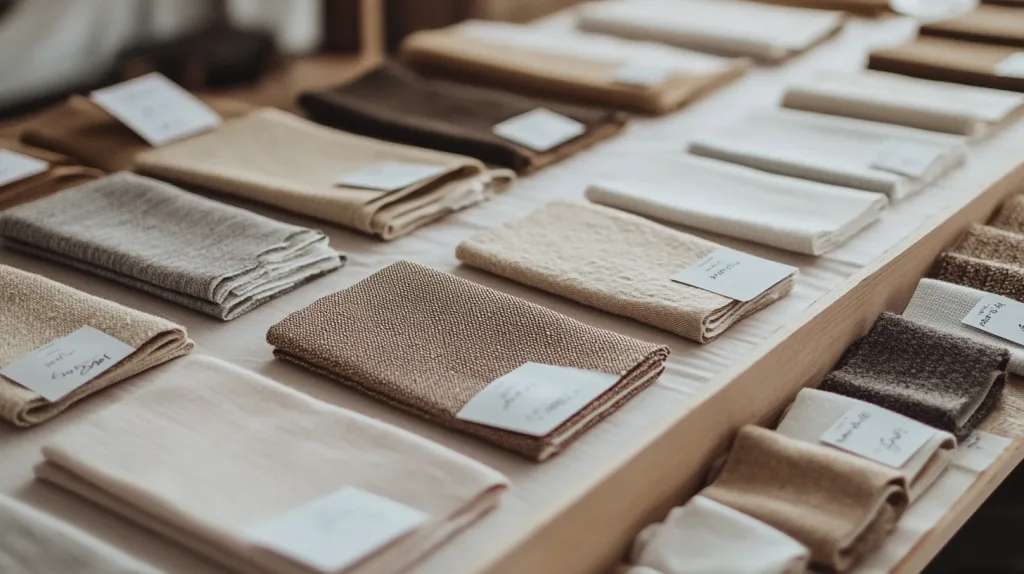
At Ninghow Apparel, we make it easy to test and compare fabrics. Our fast sampling service helps private label brands:

- Touch and feel materials before commitment
- Assess fabric behavior during cutting and stitching
- Evaluate color, shrinkage, stretch, and finish
We encourage all clients to request sample swatches or pre-production garments. It’s the best way to make confident decisions.
Real-Life Example: Startup Activewear Brand
A fitness-focused startup approached us with the goal of launching leggings and performance shorts. After discussing their market and testing multiple fabrics, we helped them choose a recycled nylon-spandex blend with 4-way stretch and high compression. The final product stood out for comfort and performance, earning rave reviews from influencers and gym-goers alike.
Why Work With Ninghow Apparel for Fabric Selection?
As a flexible custom clothing manufacturer, we support startups and growing brands with expert guidance and fabric sourcing. Here’s what we offer:
- Diverse fabric library covering everything from organic cotton to performance synthetics
- Low MOQs to help you start small
- Fabric testing and certification sourcing
- Fast sampling to accelerate development
- Sustainable and custom-dye options
Our team helps you strike the perfect balance between cost, quality, and brand integrity.
Final Thoughts: Start Smart With Fabric First

Fabric is where every great garment begins. Choosing the right fabric for your private label clothing line can enhance your product’s comfort, appearance, and longevity — all key to brand growth.
By understanding your customer, product use, and seasonal needs, you can make fabric choices that align with your goals and budget. And with a trusted partner like Ninghow Apparel, you never have to navigate the process alone.