
Manufacturing a T-shirt might seem like a simple task. But for startups, fashion brands, and bulk apparel buyers, the t shirt manufacturing cost can vary widely depending on a range of factors. Whether you’re launching your own clothing line or placing a wholesale order for your team or event, understanding what drives the cost can help you make smarter, more profitable decisions.
In this blog, we’ll break down the key factors that influence T-shirt manufacturing costs, from materials and labor to design complexity and order volume. By the end, you’ll have a clear picture of what to expect and how to optimize your order to get the best value.
Fabric Type and Quality

One of the biggest contributors to t shirt manufacturing cost is the fabric itself. T-shirts can be made from a wide variety of materials, and each option comes with its own cost implications.
Common T-shirt Fabrics
- 100% Cotton: Affordable and breathable, great for basic tees.
- Combed or Ringspun Cotton: Smoother and more durable but slightly pricier.
- Cotton-Polyester Blends: Durable, wrinkle-resistant, and often more cost-effective.
- Organic Cotton: Eco-friendly and soft but commands a premium.
- Performance Fabrics: Designed for sports or outdoor wear with moisture-wicking, stretch, and quick-dry features — typically the most expensive.
Pro Tip: The fabric weight (measured in GSM) also affects cost. Heavier GSM usually means higher durability — and higher price.
Order Volume (MOQ)
Manufacturing costs often depend heavily on Minimum Order Quantity (MOQ). The more units you order, the lower the price per piece.
- Low MOQ (50–100 pcs): Ideal for startups or test runs, but cost per shirt will be higher.
- Medium MOQ (300–500 pcs): Balanced pricing and flexibility.
- High Volume (1000+ pcs): Best value per shirt, suitable for large-scale wholesale or established brands.
At Ninghow Apparel, we support flexible small MOQs to help emerging brands get started without breaking the bank.
Labor and Production Location
Where your T-shirts are produced matters a lot. Labor costs vary drastically between regions:
- Developing Countries (e.g., Bangladesh, Vietnam, China): Lower labor costs mean lower production cost.
- Developed Countries (e.g., USA, UK, EU): Higher labor standards come with higher costs.
Also, ethical manufacturing and compliance with labor regulations can slightly increase cost — but it’s a valuable investment for brand reputation.
Print and Decoration Methods
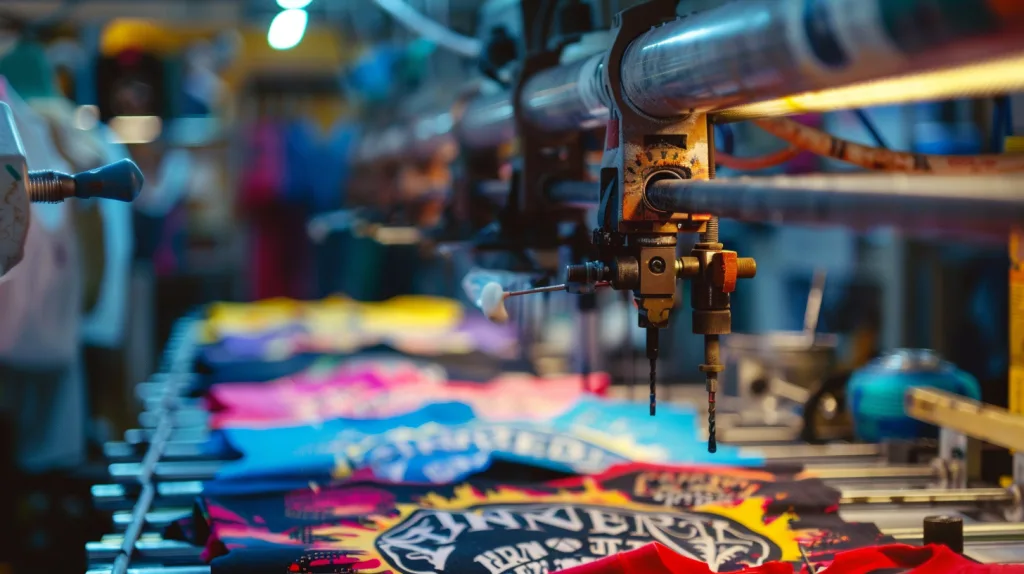
The type of print or decoration can significantly affect t shirt manufacturing cost:
Common Decoration Methods
- Screen Printing: Cost-effective for large runs with fewer colors.
- DTG (Direct-to-Garment): Best for detailed, colorful designs in small batches.
- Heat Transfer/Vinyl: Flexible for small orders and personalized designs.
- Embroidery: Premium look but higher cost.
- Sublimation: Great for all-over designs but usually used on polyester fabrics.
The number of print locations (front, back, sleeve, etc.) and complexity of the artwork also impact pricing.
Design Complexity and Customization
Simple designs cost less. But if you need:
- Custom neck labels or hang tags
- Unique packaging
- Special cuts (oversized, slim fit, etc.)
- Additional features like zippers or side panels
…you can expect a higher price tag. Still, these elements add value and brand differentiation, especially if you’re positioning a premium product.
Sizing Range and Style Variants
A wide size range or offering both men’s and women’s cuts means more planning, sampling, and possibly different patterns — which can increase costs.
Tips to manage cost:
- Start with unisex cuts.
- Limit variants in your initial runs.
- Use size data from previous sales to forecast demand accurately.
Packaging and Shipping
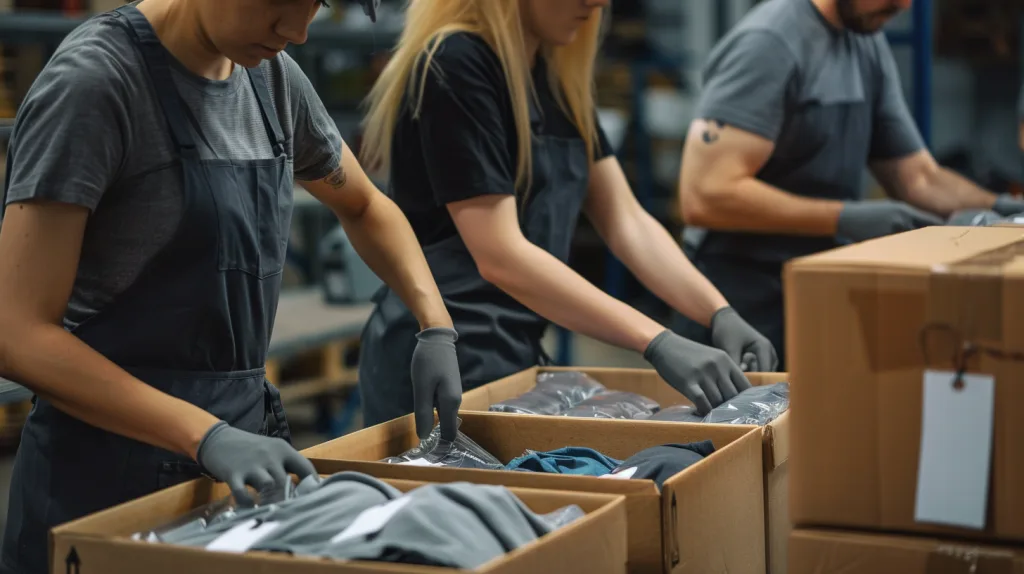
Final packaging and delivery are often overlooked when calculating total t shirt manufacturing cost.
Cost Factors Include:
- Individual polybags or custom boxes
- Tagging and folding requirements
- Air vs sea freight
- Import/export duties
To minimize surprises, always include logistics costs in your budgeting.
Sampling and Prototyping
Before you go into mass production, sampling is essential — but it adds to your overall cost:
- Basic sample cost: Often between $30–$100 depending on complexity.
- Revisions: Multiple samples mean multiple charges.
- Time cost: Prototyping can delay launch timelines if not planned well.
At Ninghow Apparel, we offer fast sampling to help you hit the market faster with fewer rounds of trial and error.
Brand Values and Sustainability
Modern consumers care about where and how their clothes are made. Sustainable fabrics, ethical labor, and low-impact dyes all contribute to a higher t shirt manufacturing cost, but also build long-term brand equity.
If your brand emphasizes:
- Fair trade
- Recycled materials
- Carbon-neutral manufacturing
…be prepared to invest slightly more upfront for a meaningful story behind each product.
Conclusion: Balancing Quality and Budget
There’s no one-size-fits-all answer to how much a T-shirt should cost to manufacture. But by understanding the factors above — fabric, labor, design, volume, and values — you can make strategic choices that align with your budget and brand goals.
At Ninghow Apparel, we specialize in helping brands find this balance. Whether you’re making your first batch of custom T-shirts or scaling up an existing line, our team is here to guide you with low MOQs, expert advice, and high-quality production.
Reach out to us today to get a custom quote or learn how to optimize your next T-shirt manufacturing run.