

Introduction to Clothing Manufacturing
In the vibrant world of clothing manufacturing, precision, communication, and clarity play leading roles in turning a designer’s sketch into a fully stitched reality. Garment manufacturers and garment suppliers alike rely heavily on a set of standardized documents that define every stitch, fold, and fabric used in production. Among the most critical of these are the Cut Sheet and the Spec Sheet. Though they may seem similar to the untrained eye, their roles in the supply chain are distinct and equally vital.
Understanding the difference between a cut sheet vs spec sheet can make or break the efficiency and quality of a production run. So, whether you’re a startup fashion brand or a seasoned manufacturer, having a strong grasp of both tools will sharpen your edge in this highly competitive industry.
Cut Sheet vs Spec Sheet
These two documents might sound interchangeable, but they serve very different purposes in the life cycle of a garment. A cut sheet is primarily focused on the production side, offering information on how many pieces of each size and color to cut, often guiding fabric usage and cut orders. In contrast, a spec sheet (short for specification sheet) is more about technical details, measurements, and design components.
They’re like two sides of the same coin — one tells you what to make, and the other tells you how to make it.
What is a Cut Sheet?
A cut sheet is essentially the blueprint for the cutting process in a garment production line. It outlines how many units of each size and color are needed, directing the cutting department on how to divide fabric efficiently. This document becomes indispensable during bulk production, helping reduce fabric waste and align with production targets.

Key elements found in a cut sheet include:
- Style number
- Fabric type
- Size and quantity breakdown
- Colorways
- Marker references
- Cut date
This sheet isn’t just for internal use—it’s often shared with garment manufacturers and fabric cutters, streamlining operations.
What is a Spec Sheet?
A spec sheet, or garment specification sheet, is where precision meets artistry. It documents the exact measurements, tolerances, materials, stitching types, and trims required to create a garment that meets brand expectations.
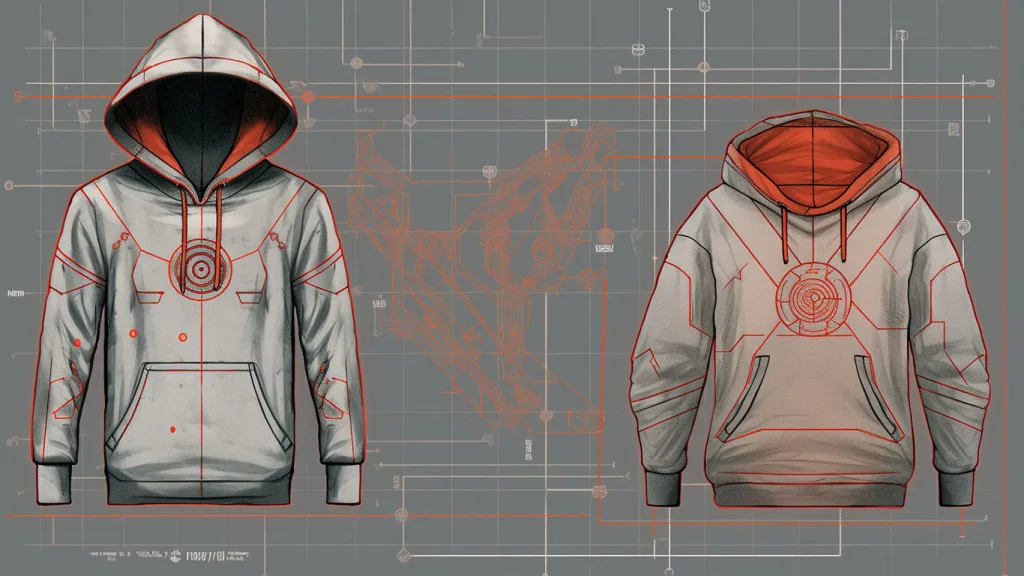
In essence, the spec sheet is the technical manual for the garment. It supports communication between the brand, design team, and garment supplier. Without it, reproducing consistent quality becomes a guessing game.
Key features of a spec sheet:
- Flat sketches or CAD illustrations
- Fabric and trim details
- Measurement chart with tolerances
- Stitching and construction notes
- Labeling and packaging instructions
Purpose of a Cut Sheet in Garment Manufacturing
In the hands of a garment manufacturer, the cut sheet is the foundation of production efficiency. It informs the cutting team of the number of fabric layers needed, how to align those layers for best fabric yield, and what sizes and colors to prioritize.
A good cut sheet:
- Prevents overproduction
- Avoids material shortages
- Saves time on manual calculations
- Optimizes fabric utilization
When paired with a cutting marker, it becomes a vital tool for cost control and speed.
Purpose of a Spec Sheet in Garment Production
The spec sheet ensures everyone — from pattern makers to quality control inspectors — knows exactly what to expect from the finished garment. For overseas garment suppliers, where language barriers or distance might exist, this document becomes the universal translator.
It helps:
- Maintain consistent quality
- Reduce sampling rounds
- Speed up production approval
- Identify defects early
For brands producing seasonal lines or recurring SKUs, spec sheets are the backbone of consistency.
Visual Example of a Cut Sheet
Imagine a large Excel sheet with rows and columns listing:
- XS, S, M, L, XL
- Red, Blue, Black color variants
- Quantities required for each size-color combo
That’s a cut sheet in action. It often includes visual cues like color swatches or reference images to prevent confusion on the production floor.
Visual Example of a Spec Sheet
A spec sheet may look like a detailed tech pack page, showing front and back illustrations of a hoodie, for example, with arrows pointing to zipper lengths, neck widths, sleeve lengths, and pocket placement. Next to that might be a table listing measurement tolerances for each size.
Key Components of a Cut Sheet
To ensure optimal use, a cut sheet typically includes:
- Fabric roll numbers
- Bundle ID numbers
- Sewing line allocation
- Layer counts for fabric spreading
- Reference to approved marker
This document often includes notes like “do not cut until fabric QC is complete.”
Key Components of a Spec Sheet
A fully-developed spec sheet should contain:
- Material codes
- Care label instructions
- Seam allowance measurements
- Garment weight
- Custom embellishments or print placements
It’s essentially the manufacturer’s bible when crafting a style to spec.
How Garment Manufacturers Use Cut Sheets
In mass production scenarios, garment manufacturers use cut sheets to avoid miscommunication with fabric cutters and suppliers. Whether producing 500 or 5,000 units, knowing exactly how many pieces to cut and in what combinations prevents waste and speeds up the timeline.
How Garment Suppliers Use Spec Sheets
For garment suppliers, the spec sheet is used to guide sample creation, double-check production accuracy, and support quality inspections. A well-documented spec sheet ensures minimal back-and-forth, even with international production.
Cut Sheet vs Spec Sheet in Terms of Detail Level
While cut sheets focus on quantity and size breakdowns, spec sheets delve into minute details like zipper tape type or the precise measurement of a collar.
Common Misconceptions About Cut Sheet vs Spec Sheet
Many assume that one document replaces the other — this is not true. Cut sheets and spec sheets serve completely different yet complementary purposes. Relying solely on one can lead to delayed timelines or poor quality products.
Why Both Sheets Are Crucial for Garment Suppliers
Using both ensures alignment between production planning and product expectations. Garment suppliers can meet tight timelines without sacrificing design integrity.
When to Use a Cut Sheet Over a Spec Sheet
- Bulk cutting of pre-approved styles
- Managing large PO quantities
- Organizing fabric inventory before sewing
When to Use a Spec Sheet Over a Cut Sheet
- Sampling and prototyping stages
- Communicating precise design changes
- Standardizing production across multiple factories
Tools and Software for Creating Cut & Spec Sheets
Popular tools include:
- Adobe Illustrator + Excel
- Techpacker
- CLO 3D
- Gerber AccuMark
- PLM systems (e.g., Centric, Lectra)
Industry Standards for Garment Documentation
International buyers expect spec sheets to follow ISO tolerances and cut sheets to include clear marker plans. Not meeting these standards can mean failed audits or delayed shipments.

Mistakes to Avoid with Cut and Spec Sheets
- Failing to update after design changes
- Missing tolerance levels
- Using incorrect measurement units
- Ambiguity in color or trim codes
Cut Sheet vs Spec Sheet in Fast Fashion
Speed is key in fast fashion. Cut sheets allow brands to launch within weeks, while spec sheets ensure that speed doesn’t mean sacrificing fit or style.
Cut Sheet vs Spec Sheet in Sustainable Fashion
Transparency is central in sustainable fashion. Accurate documentation via cut and spec sheets helps trace materials, reduce waste, and support circular fashion models.

Tips for Garment Manufacturers Working with Suppliers
- Always double-check units and quantities
- Share editable versions for collaboration
- Review spec sheets at every new production run
- Train your team on reading and interpreting both sheets
FAQs
What is the primary difference between a cut sheet and a spec sheet?
A cut sheet focuses on production quantity and color/size breakdowns, while a spec sheet provides detailed garment specifications.
Can one document replace the other?
No. Each serves a unique role in garment manufacturing, and both are essential for streamlined production.
Do small fashion brands need both sheets?
Yes, especially if they are outsourcing production or scaling operations.
Are spec sheets necessary for simple garments like t-shirts?
Absolutely. Even the simplest garments require consistency in sizing, stitching, and trim placement.
Who typically creates cut sheets and spec sheets?
Tech designers or production managers often handle spec sheets, while planners or merchandisers usually create cut sheets.
What happens if there’s an error in the cut sheet?
Production delays, fabric waste, and mismatched quantities can occur, affecting the whole supply chain.
Conclusion
Understanding the cut sheet vs spec sheet distinction is more than just garment jargon—it’s the key to efficient, high-quality, scalable clothing production. Whether you’re a garment manufacturer managing a production floor or a garment supplier aligning overseas factories, using these tools correctly can set your brand apart in quality and consistency.
Clear Call-to-Action (CTA):
Looking to scale your fashion brand with precision and quality? Ninghow Apparel provides expert customized wholesale services for brands, businesses, and events. From POLO shirts to hoodies and shorts, our manufacturing team ensures every product meets your standards with flawless documentation.
👉 Contact us today to explore our garment manufacturing services. Let’s bring your clothing vision to life with accuracy, speed, and style!