

Polo Shirt Printing
Custom polo shirt printing has evolved into a powerful branding tool, merging fashion with functionality. It goes beyond simply applying a logo—it communicates identity, professionalism, and purpose. Whether you’re outfitting a corporate team, launching a merchandise line, or organizing an event, custom polo shirts are a stylish and versatile option.
At its core, polo shirt printing involves customizing polo shirts with graphics, text, or logos using various techniques like screen printing, embroidery, and direct-to-garment printing. The process balances fabric compatibility, design intricacy, budget, and intended use. It’s no wonder businesses, schools, and even individuals are embracing polo shirts for personal and professional expression.
What is Polo Shirt Printing?
Polo shirt printing refers to the process of personalizing polo shirts with designs or branding using various printing technologies. Unlike standard t-shirts, polos have a structured collar and placket, which gives them a more polished appearance, making them ideal for uniforms, casual office wear, and branded promotions.
This customization allows companies to create a cohesive look among team members, boost brand visibility, or offer custom merchandise. From one-color logos to intricate full-color prints, polo shirt printing provides a canvas for creativity with practical utility.
History of Polo Shirts
Polo shirts were born on the tennis courts of the 1920s, popularized by French tennis legend René Lacoste. The traditional long-sleeved button-downs were too restrictive, so Lacoste introduced a short-sleeved, breathable version that allowed freedom of movement. The design quickly became popular in polo and golf circles, leading to the term “polo shirt.”
Fast forward to today, and polo shirts have become a staple in wardrobes worldwide—worn casually, in offices, and as branded apparel. Their simple yet elegant design is what makes them perfect for customization and printing.
Why Choose Polo Shirt Printing?
There are plenty of good reasons why custom polo shirt printing is in demand:
- Brand Identity: Embroidered or printed logos build brand recognition.
- Professionalism: Polos strike the perfect balance between formal and casual.
- Uniformity: Ideal for businesses or teams looking to unify their look.
- Marketing Tool: Branded apparel turns employees and customers into walking advertisements.
- Comfort & Durability: Polo fabrics are built to last and offer comfort in daily wear.
Types of Polo Shirts
Understanding polo shirt types helps you make smarter printing decisions:
| Type | Material | Best Use |
| Cotton Polos | 100% cotton | Comfortable, breathable, daily wear |
| Performance Polos | Polyester/Spandex Mix | Sports, active environments |
| Blended Polos | Cotton + Polyester | Balanced comfort and durability |
| Organic Cotton Polos | Eco-friendly fibers | Sustainable brands |
Polo Shirt Printing Techniques
Choosing the right technique depends on design complexity, quantity, and budget:

- Screen Printing: Ideal for large batches and bold, single-color designs.
- Embroidery: Great for high-end finishes and long-lasting logos.
- Direct-to-Garment (DTG): Full-color prints with a soft feel for small orders.
- Heat Transfer Vinyl (HTV): Personalized names/numbers with vibrant details.
- Sublimation: Bright, all-over designs on light-colored polyester fabrics.
Screen Printing Polo Shirts
Screen printing involves pushing ink through a mesh stencil onto the fabric. It’s perfect for large bulk orders due to its cost-efficiency. It provides vivid colors and excellent durability, especially on cotton polo shirts. Just keep in mind, screen printing works best for simple designs with fewer colors.
Embroidery on Polo Shirts
Embroidery uses thread to sew designs into the fabric. It adds texture, class, and longevity—making it the top choice for corporate branding. Logos look sharp, especially on thicker polos. However, it’s more expensive and less suited for highly detailed graphics.
Direct-to-Garment (DTG) Printing
DTG printing sprays ink directly onto the fabric using high-tech printers. It supports complex, colorful designs and gradients. It’s ideal for short runs or individual personalization. However, DTG is most compatible with 100% cotton polos and may not be as durable as screen printing.
Heat Transfer Vinyl (HTV)
HTV uses a heat press to apply cut vinyl designs onto fabric. It’s excellent for sports names, numbers, and bold logos. This method allows for customization on demand but isn’t ideal for very large orders due to the manual work involved.
Sublimation Printing for Polos
Sublimation is a chemical process that dyes the fabric itself, resulting in vibrant, long-lasting colors. It’s only compatible with polyester but perfect for all-over designs, photo-quality prints, and athletic uniforms.
Best Fabrics for Polo Shirt Printing
Not all fabrics are created equal when it comes to printing. Cotton is best for DTG and screen printing, while polyester excels in sublimation. Blends offer versatility but may require special pretreatments.
Designing for Polo Shirt Printing
Good design goes beyond the logo. Consider:

- Placement: Left chest, back, or sleeves.
- Contrast: Ensure text pops against fabric.
- Color Theory: Use complementary colors.
- Simplicity: Avoid clutter for professional appeal.
Custom Polo Shirts for Businesses
Custom polos serve as mobile advertisements for companies. Whether for retail staff, sales teams, or trade show reps, branded polos increase visibility and reinforce your brand identity without sacrificing style.
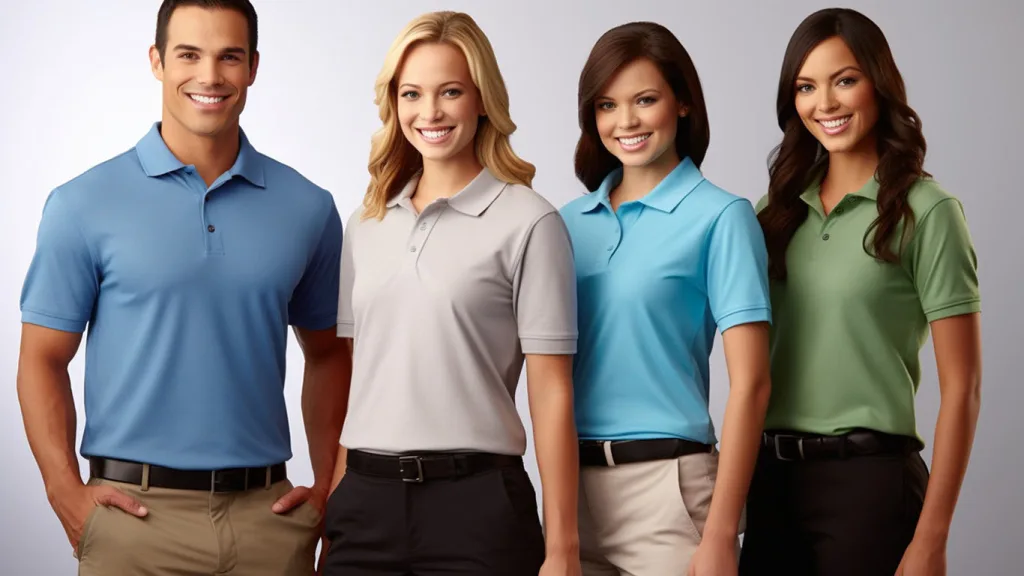
Team Polo Shirts
Sports teams, clubs, and school groups benefit from uniform polo shirts that reflect unity and pride. Add player names, sponsor logos, or mascots to create a cohesive team look.
Event-Specific Polo Shirt Printing
Whether it’s a fundraiser, tech expo, or charity walk, event polos bring attendees together while serving as keepsakes. Incorporating event dates, hashtags, or sponsors makes them more memorable.
Polo Shirts for Schools and Colleges
From faculty to student councils, polo shirts offer a more polished alternative to t-shirts. Customize them with crests, mottos, or graduation years to foster school spirit.
Workwear Polo Shirts
Workwear demands durability and comfort. Polo shirts meet both with style. Printing ensures staff look uniform, approachable, and brand-consistent, especially in customer-facing roles.
Polo Shirts for Merchandise Sales
Selling branded polos? Ensure quality and appeal. Choose trendy colors, unique designs, and comfortable fits. With the right printing method, they become hot-selling items at events and online stores.
Bulk Polo Shirt Printing
Ordering in bulk saves money and ensures consistency. Choose suppliers with low MOQs, quality assurance, and fast turnaround times. Don’t compromise on fabric quality—your brand depends on it.

Sourcing Quality Polo Shirts
Look for reputable manufacturers offering multiple fabric types, stitching quality, and customization options. Request samples, inspect seams, and review material certifications for peace of mind.
Sustainable Polo Shirt Printing
Eco-conscious brands can opt for organic cotton polos and water-based inks. Also consider local production to reduce your carbon footprint.
Printing Mistakes to Avoid
- Overcomplicated designs
- Poor logo placement
- Incompatible fabric-method combinations
- Ignoring care instructions
- Skipping test prints
Cost of Polo Shirt Printing
Several factors affect pricing:
- Order volume
- Print method
- Number of colors
- Shirt type and fabric
- Shipping and taxes
Always request a detailed quote.
How to Choose a Printing Partner
Find a provider who offers:
- High-quality samples
- Transparent pricing
- Fast communication
- Design assistance
- Positive client reviews
Maintaining Printed Polo Shirts
To preserve your custom polo shirts:
- Wash inside out
- Use cold water
- Avoid bleach
- Tumble dry low or hang
- Iron inside out if needed
Future of Polo Shirt Printing
Innovation in print tech is expanding customization. Expect smart fabrics, AI-driven design tools, and fully automated DTG systems to make high-quality printing even more accessible.
FAQs
What is the most durable polo shirt printing method?
Embroidery is the most durable method, resisting wear and washing over time.
Can I print a photo on a polo shirt?
Yes, DTG and sublimation printing allow for photo-realistic images on compatible fabrics.
How long does it take to print custom polo shirts?
Production typically takes 7–14 days, depending on order size and complexity.
What fabric is best for sublimation printing?
100% polyester works best for sublimation due to its synthetic fibers.
Are printed polo shirts good for hot weather?
Yes, especially performance polos with moisture-wicking fabrics.
Can I order a single custom polo shirt?
Some printers offer no-minimum services with DTG or HTV methods.
Clear Call-to-Action (CTA):
Ready to elevate your brand with custom polo shirts? Ninghow Apparel is your trusted manufacturer for high-quality, printed polo shirts, t-shirts, hoodies, and more. We offer wholesale customization services tailored for brands, businesses, events, and teams.
👉 Contact us today to discuss your design needs
👉 Explore our full product catalog
👉 Sign up for updates and exclusive deals
👉 Follow Ninghow Apparel on social media for the latest trends and inspiration
Let your brand walk with pride—custom polo shirt printing starts here!