

In a world where conscious consumerism is on the rise, sustainability is no longer a trend—it’s a responsibility. For clothing brands, retailers, and even corporate teams looking to create their own POLO shirts, the demand for eco-friendly manufacturing has never been stronger. But as you start your search for a manufacturer, the question becomes: what truly makes a POLO shirt sustainable, and how can you ensure your custom apparel aligns with green values?
In this blog, we’ll guide you through what to look for when choosing an eco-friendly POLO shirt manufacturer. From materials and certifications to production practices and packaging, this guide is your go-to for making a smart, sustainable choice.
Why Sustainable POLO Shirts Matter
Eco-conscious fashion isn’t just about looking good—it’s about doing good. The traditional apparel industry is one of the largest contributors to pollution and waste, with synthetic fabrics, overproduction, and inefficient dyeing processes all playing a part.
Choosing to manufacture eco-friendly POLO shirts helps:
- Reduce environmental impact and carbon emissions
- Promote ethical labor and fair wages
- Appeal to a growing base of eco-minded consumers
- Strengthen your brand image as a responsible business
For startups and small clothing labels, this also creates a powerful niche that resonates with modern buyers.
Key Factors in Eco-Friendly POLO Shirt Manufacturing
Not all “eco” claims are created equal. Here’s a closer look at what really matters when assessing a sustainable POLO shirt manufacturer.
1. Sustainable Fabrics

The fabric is the foundation of every garment. Look for natural or recycled textiles such as:
- Organic Cotton: Grown without pesticides or synthetic fertilizers, using less water.
- Recycled Polyester (rPET): Made from recycled plastic bottles.
- Bamboo or Hemp: Naturally renewable, biodegradable, and fast-growing.
- TENCEL™ / Lyocell: Derived from sustainably sourced wood pulp.
Make sure the fabric source is traceable, and ask for certifications like GOTS (Global Organic Textile Standard) or OEKO-TEX®.
2. Eco-Friendly Dyeing and Finishing
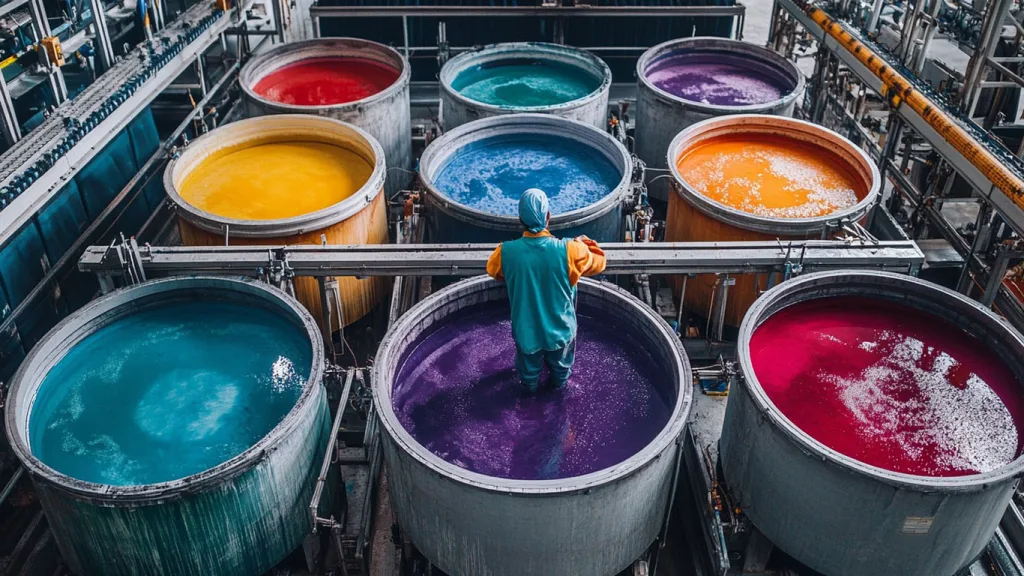
Traditional dyeing processes consume massive amounts of water and release harmful chemicals. Look for:
- Low-impact or waterless dyeing methods
- Natural or plant-based dyes
- Closed-loop systems that recycle dye water
These processes significantly reduce pollution while keeping the end product skin-safe and vibrant.
3. Ethical Labor Practices
Eco-conscious manufacturing goes hand-in-hand with ethical labor. Your supplier should:
- Pay fair wages and provide safe working conditions
- Avoid child labor or forced labor
- Maintain certifications like SA8000 or WRAP (Worldwide Responsible Accredited Production)
Ask for factory audit reports or third-party verifications to ensure ethical sourcing.
4. Low Minimum Order Quantities (MOQs) for Sustainable Production
Small brands or teams often struggle with high MOQs. A flexible manufacturer like Ninghow Apparel offers low MOQs while maintaining sustainable practices. This allows you to test eco-friendly products without overproduction or inventory waste.
5. Packaging and Shipping Considerations
Sustainability doesn’t stop at the factory door. Choose manufacturers who use:
- Biodegradable or recycled packaging
- Plastic-free shipping materials
- Carbon-neutral shipping options
Minimizing environmental impact through the full supply chain is crucial for genuine sustainability.
6. Certifications to Look For
Third-party certifications are an excellent way to validate a manufacturer’s eco-claims:
- GOTS (Global Organic Textile Standard)
- OEKO-TEX® Standard 100
- Fair Trade Certified
- GRS (Global Recycled Standard)
- SA8000 for social accountability
Be cautious of greenwashing. Reliable suppliers are transparent and willing to provide documentation.
How Ninghow Apparel Supports Sustainable POLO Shirt Manufacturing

At Ninghow Apparel, we believe in making it easy for brands of all sizes to produce high-quality, eco-friendly custom POLO shirts. Here’s how we support sustainability at every step:
- Fabric Choices: We offer organic cotton, rPET blends, and bamboo fabrics.
- Eco Dyeing: Our dyeing partners use low-impact, certified-safe dye processes.
- Small MOQs: Start from as low as 100 pcs per design.
- Fast Sampling: We provide quick samples to test styles before bulk.
- Ethical Production: Our partner factories follow fair labor standards.
- Green Packaging: Recyclable or biodegradable packaging options available.
Whether you’re launching a sustainable fashion label or sourcing uniforms for your team, we make going green easy and scalable.
Questions to Ask Your Manufacturer
To make sure you’re partnering with a genuinely eco-conscious supplier, here are some important questions to ask:
- What sustainable fabrics do you offer, and are they certified?
- How do you reduce water, energy, and chemical usage in production?
- Can you provide documentation of labor conditions?
- What are your packaging options?
- What are your MOQs and sampling timelines?
A trustworthy manufacturer will welcome these questions and provide clear, verifiable answers.
Final Thoughts

Choosing the right polo shirt manufacturers is a major step in building a responsible brand. By focusing on eco-friendly POLO shirt manufacturing, you’re not just reducing harm to the planet—you’re creating apparel that resonates with today’s conscious consumers.
At Ninghow Apparel, we’re here to support your journey with sustainable solutions that don’t compromise on quality, design, or flexibility. Whether you’re producing a limited run or scaling a green collection, let’s make apparel that matters.
Related reading