
When it comes to creating unique, recognizable, and high-impact branded shorts, it’s not just about the cut or fabric — it’s about how your logo, graphics, or patterns come to life. This is where custom shorts printing options play a critical role. Whether you’re launching a streetwear label, designing team uniforms, or producing limited-edition merch, choosing the right print method ensures that your designs stand out and perform over time.
In this comprehensive guide, we’ll explore the most popular print techniques for custom shorts, compare their strengths, and help you choose the best option for your brand’s needs.
Why Printing Technique Matters for Shorts
Shorts are often worn in active, outdoor, or casual settings. That means your print must be:
- Durable through wear, sweat, and washes
- Vibrant and accurate in color representation
- Comfortable with the fabric (non-cracking, non-peeling)
- Cost-effective based on your order size and budget
Choosing the wrong print method can result in fading, peeling, or a poor representation of your brand identity. That’s why Ninghow Apparel works with you from the start to select the ideal print process for your custom shorts printing options.
Top Custom Shorts Printing Options
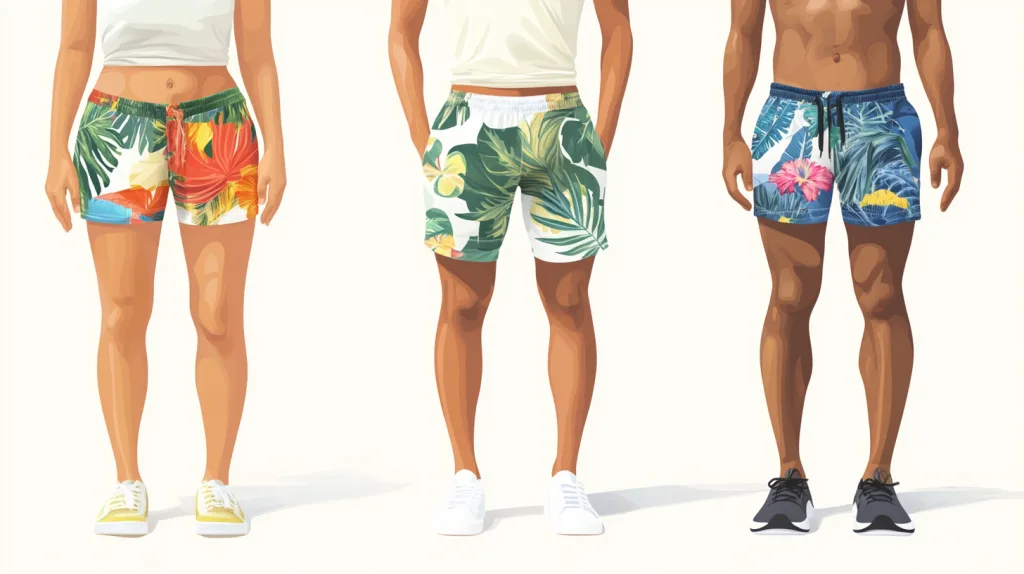
Each printing method offers unique advantages depending on your design complexity, fabric type, and end use. Here’s a breakdown of the most popular techniques we offer:
1. Screen Printing
Screen printing is a classic method where ink is pushed through a mesh stencil onto the fabric.
Best for: Simple designs with solid colors, large orders
Pros:
- Bold, vibrant colors
- Cost-effective for bulk runs
- Long-lasting with proper care
Cons:
- Setup fees for each color screen
- Not ideal for photo-realistic images or small batches
Use Case: A fitness studio printing large quantities of branded training shorts with bold logos.
2. Heat Transfer Printing
In this method, a design is printed onto transfer paper and then heat-pressed onto the fabric.
Best for: Small runs, complex graphics, full-color logos
Pros:
- Great for gradients, shadows, and photos
- Affordable for short runs
- Fast turnaround
Cons:
- May crack or peel over time if not high-quality
- Less breathable on lightweight fabrics
Use Case: Influencer merch drops with vibrant, short-run seasonal shorts.
3. Sublimation Printing
Sublimation uses heat to transfer dye directly into polyester fibers, creating a smooth, long-lasting design.
Best for: All-over prints on 100% polyester shorts
Pros:
- Seamless, no-feel print
- Will not fade, crack, or peel
- Excellent for performance and athleticwear
Cons:
- Only works on white/light polyester fabrics
- Not suitable for cotton or blends
Use Case: Sports teams needing custom polyester shorts with full-color branding.
4. Direct-to-Film (DTF) Printing
An emerging technology where designs are printed onto a film and transferred using a powder adhesive and heat press.
Best for: Complex designs, detailed logos, and fabric versatility
Pros:
- Works on cotton, poly, blends
- Sharp details and vibrant colors
- Durable and stretch-resistant
Cons:
- Slight texture feel on fabric
- Newer method, higher cost than screen printing
Use Case: Urban fashion shorts with detailed multicolor graphics.
5. Embroidery (for logos or patches)
While not printing in the traditional sense, embroidery is a popular choice for branding shorts with a premium feel.
Best for: Logos, monograms, or small decorative elements
Pros:
- Durable and elevated appearance
- Great for luxury or team apparel
Cons:
- Limited design complexity
- Not suitable for large, flexible prints
Use Case: Hospitality uniforms or premium lifestyle shorts with logo embroidery.
Matching Print Method with Fabric Type

Different fabrics react differently to print techniques. Here’s a quick compatibility guide:
| Fabric Type | Recommended Print Methods |
|---|---|
| 100% Cotton | Screen print, DTF, heat transfer |
| Cotton-Poly Blends | DTF, screen print, heat transfer |
| 100% Polyester | Sublimation, heat transfer, DTF |
| Nylon or Spandex Mix | Heat transfer, DTF (check stretch compatibility) |
At Ninghow Apparel, we guide you through these choices and offer sample testing to confirm results before bulk production.
Design Considerations for Custom Shorts
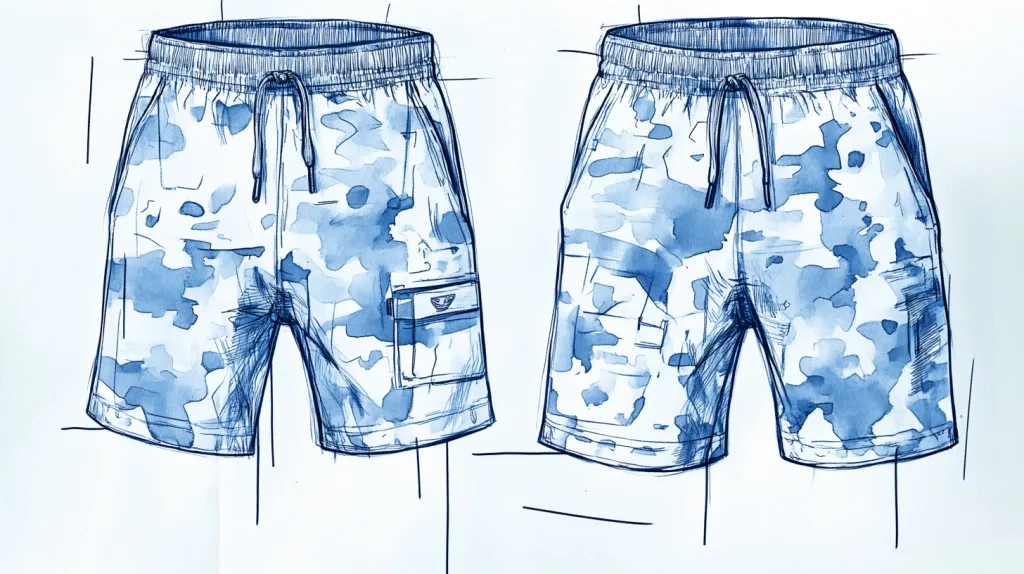
Before you choose your printing method, consider the following:
Placement:
- Front thigh
- Side leg
- Back pocket
- All-over (for sublimation)
Size and Complexity:
- Vector logos vs. photo images
- Large vs. minimal branding
Longevity:
- How often the shorts will be worn and washed
- Whether durability or fashion-forward design is the priority
How Ninghow Apparel Supports Your Custom Shorts Printing
As a full-service custom shorts manufacturer, we offer:
- Low MOQ starting at 100 pcs per design
- Sampling in 7–10 days for print testing
- Consultation on best print methods for your fabric and design
- Access to all major techniques including sublimation, DTF, and screen printing
- Brand packaging and label options for a complete product presentation
Whether you’re building a new collection or doing a custom merch drop, our team is here to make sure your vision prints perfectly.
Final Thoughts
The right custom shorts printing option can elevate your product, differentiate your brand, and ensure long-term customer satisfaction. By understanding how each method works and which fabrics they suit best, you make more confident decisions in your design and manufacturing process.
At Ninghow Apparel, we don’t just print shorts — we help you bring your vision to life with quality, clarity, and care. Let’s get your next design moving.