

Launching a fashion startup is exciting — but one of the biggest and most critical decisions you’ll face early on is choosing the right clothing manufacturer for startups. The wrong choice could lead to delays, inconsistent quality, and headaches that drain your energy and budget. On the other hand, partnering with a reliable, startup-friendly clothing manufacturer can set your brand on the path to success.
In this guide, we’ll walk you through the essential steps to find the best clothing manufacturers for startups. Whether you’re creating a new streetwear line, performance apparel for athletes, or launching a sustainable fashion brand, this article will help you navigate the process with confidence.
Understand Your Product Vision and Production Needs
Before you begin your search for a clothing manufacturer, it’s crucial to define what you’re building.
Identify Your Product Category
- Are you making POLO shirts, hoodies, swimwear, or gym sets?
- Is your product geared toward casual wear, sportswear, or high-performance activewear?
Being clear about your category helps you find a manufacturer with relevant experience.
Determine Quantity and Scaling Plans
- What’s your initial order size (MOQ)?
- How quickly do you plan to scale?
Many startups begin with small production runs to test the market. That means you need a manufacturer who accepts low MOQs and has flexibility as you grow.
Finalize Your Tech Pack or Product Specs
Having a clear design file or tech pack helps communicate your vision. This includes:
- Fabric type
- Measurements
- Stitching details
- Labeling and packaging requirements
A well-prepared tech pack speeds up sampling and minimizes production errors.
Choose Between Domestic and Overseas Manufacturers
Both local and international clothing manufacturers come with pros and cons.
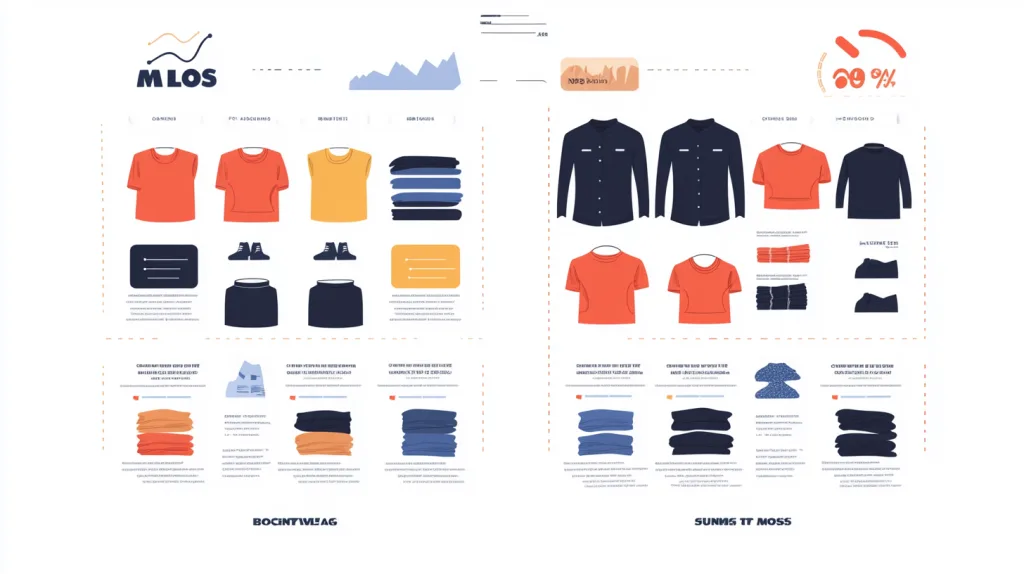
Domestic Manufacturers
Pros:
- Easier communication and shipping logistics
- Faster turnaround times
- Potential marketing appeal (e.g., “Made in USA”)
Cons:
- Generally higher production costs
- Limited fabric or style options in certain regions
Overseas Manufacturers
Pros:
- Cost-effective for larger orders
- Greater variety of fabric and customization
- Established experience in diverse apparel categories
Cons:
- Longer shipping times
- Potential language or time zone barriers
- More complex quality control
A hybrid approach (e.g., starting domestically, then moving production overseas) is common for growing startups.
Research and Shortlist Potential Manufacturers
Once your product specs are ready, it’s time to find potential partners.

Start With Trusted Sources
- Referrals from other startup founders
- Trade shows and B2B directories (e.g., Alibaba, Makers Row)
- Google searches using specific filters (“low MOQ clothing manufacturer for startups”)
Evaluate Their Experience
Look for:
- Brands they’ve worked with before
- Product categories they specialize in
- Quality of past samples
- Client testimonials or reviews
Check Minimum Order Quantities and Flexibility
Startup-friendly manufacturers typically:
- Accept low MOQs (50–200 pieces per style)
- Offer test runs or sample production before full manufacturing
At Ninghow Apparel, for example, we specialize in low-MOQ manufacturing and fast turnaround times, ideal for startups looking to launch fast and stay flexible.
Communicate Clearly and Ask the Right Questions
Your first few interactions with a potential manufacturer are crucial. Here’s what to cover:
Key Questions to Ask
- What’s your minimum order quantity per style/size?
- What is your average lead time for samples and bulk production?
- Do you provide sourcing for fabrics and trims?
- Can you help with design revisions or pattern making?
- How do you handle quality control?
Evaluate Communication Style
A good manufacturer will:
- Be responsive and transparent
- Offer guidance and explain their process
- Adapt to your startup’s needs and timelines
Red flags include vague responses, slow communication, and lack of product knowledge.
Request and Review Samples
Sampling is your chance to validate quality and workmanship.
What to Look For in a Sample
- Fabric quality and texture
- Stitching accuracy
- Print or embroidery clarity
- Sizing and fit
If the sample doesn’t meet expectations, provide detailed feedback and request adjustments. A good manufacturer will iterate with you.
Understand Pricing, Terms, and Hidden Costs
Budgeting accurately means asking for complete cost breakdowns.
Key Cost Components
- Unit price by quantity tier
- Sample fees (and whether they’re refunded after bulk order)
- Shipping and import duties (especially for overseas orders)
- Customization or development costs
Be wary of prices that seem too low; it may reflect poor quality or hidden fees later.
Test With a Small Production Run
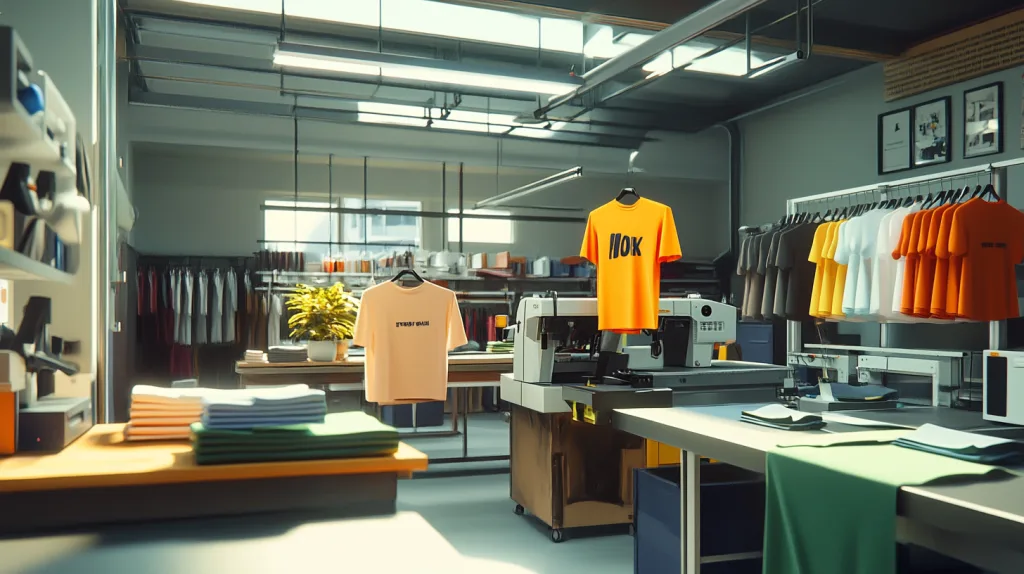
Before committing to a large order, many startups run a small batch production to:
- Validate product-market fit
- Gather customer feedback
- Identify any last-minute design tweaks
Choose a manufacturer that supports this lean approach and can scale with you as demand grows.
Build a Long-Term Partnership
Great clothing manufacturers do more than stitch fabric — they become partners in your brand journey.
Signs of a Reliable Manufacturing Partner
- Consistently high quality and on-time delivery
- Willingness to grow with your brand
- Helpful advice based on industry trends
- Ability to introduce new production methods or fabrics
At Ninghow Apparel, we take pride in supporting emerging brands from first sample to large-scale production. Our team works closely with founders to ensure a smooth and scalable process.